Electric Vehicle Contactor - Reliable Solutions

Your Trusted Partner in Electronics Supply Chain. Inquire Now!

Explore Our Latest Smart Electronics Collection.

, , 
Inquiry
Inquiry

electric vehicle contactor

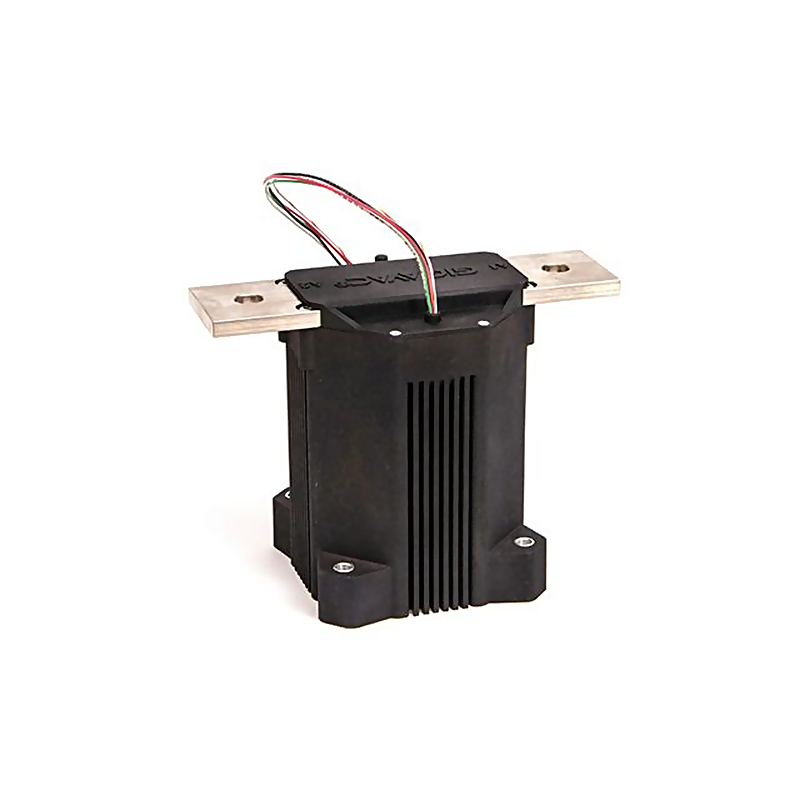
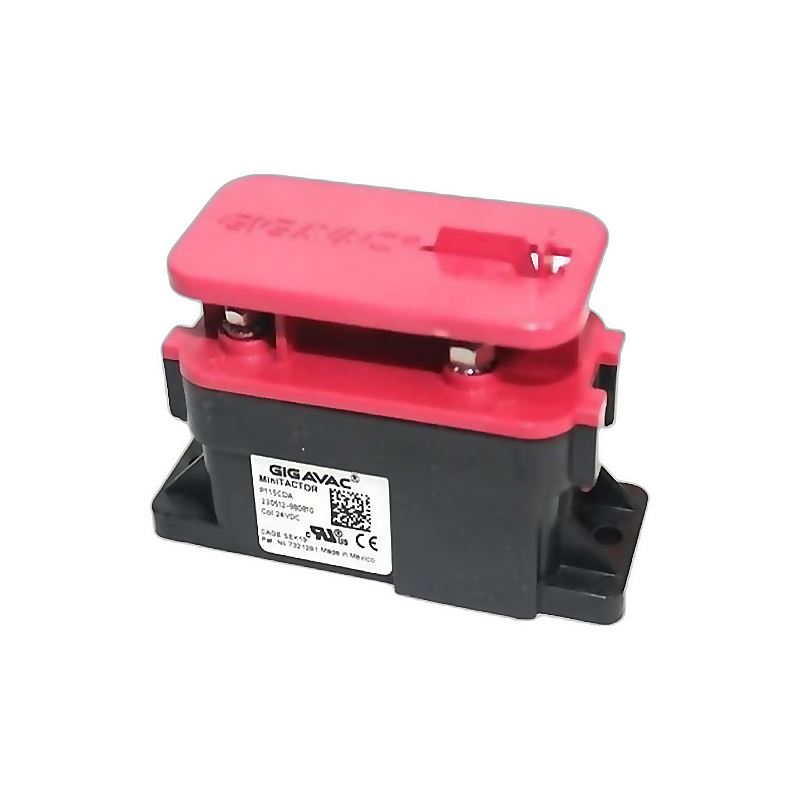
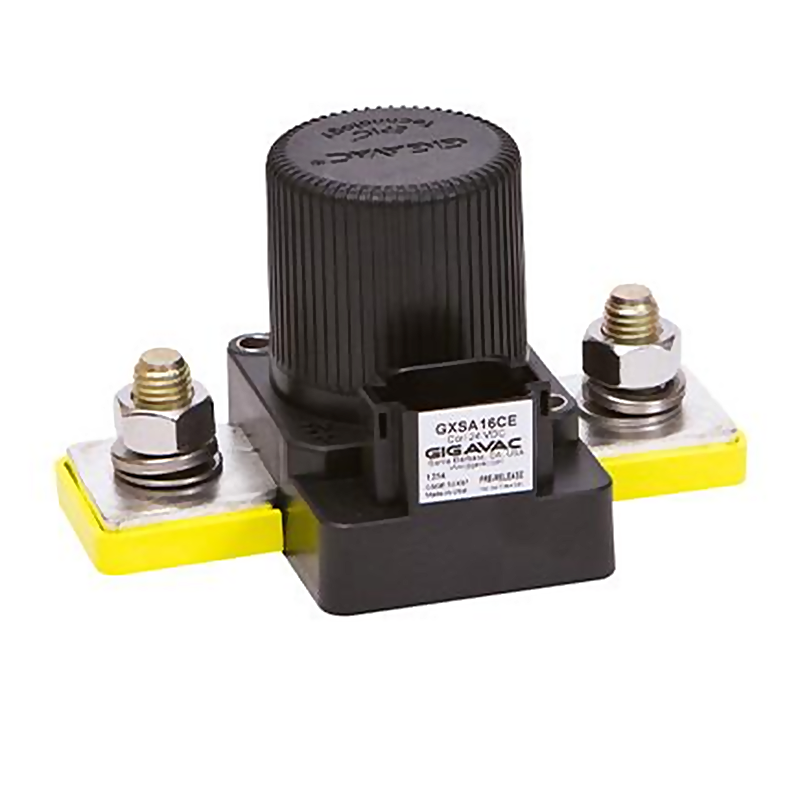
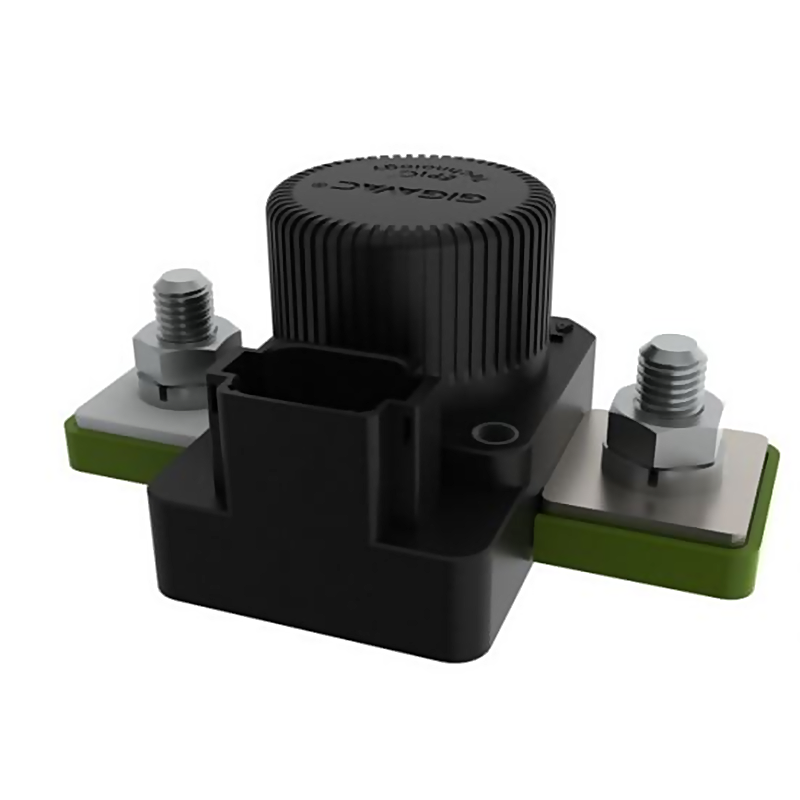
An electric vehicle contactor is a specialized high-voltage switching device designed to control the flow of electrical current in battery-powered vehicles. This critical component acts as a safety relay that connects and disconnects the high-voltage battery system from the powertrain, ensuring safe operation during vehicle startup, shutdown, and emergency situations. The electric vehicle contactor manages substantial electrical loads, typically handling voltages ranging from 200 to 800 volts and currents exceeding 500 amperes. Its main functions include protecting the battery management system, preventing electrical arcing during connection or disconnection, and providing isolation between the battery pack and the motor controller. Technologically, the electric vehicle contactor features robust contact materials resistant to electrical erosion, magnetic coil actuation systems for reliable switching, and integrated arc suppression mechanisms. Advanced designs incorporate auxiliary contacts for status monitoring and built-in safety features such as welding detection and thermal protection. The component must withstand extreme temperature variations, vibration, and electromagnetic interference common in automotive environments. Applications span across all battery electric vehicles, hybrid electric vehicles, and plug-in hybrid systems, from passenger cars to commercial trucks and buses. The electric vehicle contactor serves as the primary safety disconnect, enabling maintenance procedures and protecting vehicle occupants from electrical hazards. Its reliable performance is essential for vehicle safety certifications and compliance with international automotive standards.
The electric vehicle contactor delivers significant safety benefits by providing instant electrical isolation when needed, protecting both the vehicle system and passengers from potential electrical faults. When an accident occurs or the system detects abnormal conditions, this device disconnects the high-voltage circuit within milliseconds, preventing fire hazards and electrical shock risks. This rapid response capability gives buyers peace of mind knowing their investment includes robust safety protection. From an operational perspective, the electric vehicle contactor enhances battery longevity by eliminating parasitic drain when the vehicle is parked. By completely disconnecting the battery from auxiliary systems, it preserves charge and extends the time between charging sessions. This translates to lower operating costs and improved convenience for daily users. The device also enables efficient energy management by allowing the vehicle control system to precisely manage power distribution, optimizing performance and extending driving range. For fleet operators and commercial applications, the electric vehicle contactor offers exceptional durability with operational lifespans exceeding 100,000 switching cycles under normal conditions. This reliability reduces maintenance requirements and minimizes vehicle downtime, directly impacting profitability. The component suits various vehicle architectures, from compact city cars to heavy-duty trucks, making it a versatile solution for diverse transportation needs. Buyers benefit from standardized mounting configurations that simplify integration and replacement procedures. The decision to specify a quality electric vehicle contactor impacts long-term vehicle reliability, warranty coverage, and resale value. Products meeting international safety standards provide assurance of tested performance and regulatory compliance, essential factors for commercial vehicle certifications and insurance considerations.

Latest News

How does a mosfet transistor reduce energy loss in electronic equipment?

12

Jun

How does a mosfet transistor reduce energy loss in electronic equipment?

View More
How does a power management ic improve efficiency in automotive electronics?

12

Jun

How does a power management ic improve efficiency in automotive electronics?

View More
How does a dc contactor improve safety in battery energy storage applications?

12

Jun

How does a dc contactor improve safety in battery energy storage applications?

View More
Advanced Arc Suppression Technology

Advanced Arc Suppression Technology

The electric vehicle contactor incorporates sophisticated arc suppression technology that dramatically extends component lifespan and ensures safe operation under demanding conditions. When electrical contacts separate under load, arcing naturally occurs and can cause contact erosion, electromagnetic interference, and potential safety hazards. Modern electric vehicle contactor designs employ multiple suppression strategies including magnetic blowout coils that rapidly extinguish arcs, sealed contact chambers filled with inert gases, and optimized contact geometry that minimizes arc formation. This technology becomes particularly critical during emergency disconnection scenarios when the contactor must interrupt high currents instantly. The arc suppression system protects surrounding electronic components from electromagnetic interference that could disrupt vehicle control systems. For buyers, this translates to extended service intervals, reduced replacement costs, and enhanced safety margins. Vehicles equipped with advanced arc suppression contactors demonstrate superior reliability in extreme operating conditions, including rapid acceleration, regenerative braking, and cold-weather starts. The technology also reduces audible noise during switching operations, contributing to improved cabin comfort and perceived quality.
Intelligent Diagnostic Capabilities

Intelligent Diagnostic Capabilities

Modern electric vehicle contactor solutions feature integrated diagnostic capabilities that continuously monitor component health and operational status, enabling predictive maintenance strategies. Built-in sensors detect contact resistance, coil temperature, switching frequency, and voltage drop across the contactor terminals. This real-time data feeds into the vehicle management system, allowing early detection of wear patterns or developing faults before they cause failures. The diagnostic system can identify contact welding, a critical safety concern where contacts fuse together and prevent disconnection, by monitoring auxiliary contact signals and comparing commanded versus actual states. For fleet managers, these intelligent features provide valuable operational insights through telematics systems, enabling optimized maintenance scheduling based on actual component condition rather than arbitrary time intervals. The electric vehicle contactor with diagnostic capability reduces unexpected breakdowns and associated costs while improving vehicle availability. Individual owners benefit from dashboard warnings that prompt timely service, preventing minor issues from becoming expensive repairs. This intelligence layer transforms the contactor from a simple switch into a smart component that actively contributes to vehicle reliability and safety management.
Compact Design with High Power Density

Compact Design with High Power Density

The electric vehicle contactor achieves remarkable power handling capacity within compact dimensions, addressing the critical space constraints in modern vehicle designs. Engineering advances in contact materials, magnetic circuit optimization, and thermal management enable these devices to switch currents exceeding 500 amperes while occupying minimal mounting space. High power density proves essential as vehicle manufacturers strive to maximize battery capacity and passenger space while accommodating necessary electrical components. The compact electric vehicle contactor design facilitates flexible placement within the vehicle architecture, whether integrated into the battery pack, positioned in the motor compartment, or mounted in protected locations. Reduced size also decreases component weight, contributing to overall vehicle efficiency and extended driving range. Advanced materials such as silver alloy contacts provide superior electrical conductivity and erosion resistance, enabling high current capacity without increasing contact size. Efficient thermal dissipation through optimized housing design prevents overheating during sustained high-current operation. For vehicle designers, compact contactors simplify packaging challenges and reduce assembly complexity. The space savings enable larger battery installations or additional safety equipment without increasing vehicle dimensions, directly benefiting end users through improved performance and functionality.