Electrical Contactor and Relay Solutions

Your Trusted Partner in Electronics Supply Chain. Inquire Now!

Explore Our Latest Smart Electronics Collection.

, , 
Inquiry
Inquiry

electrical contactor and relay

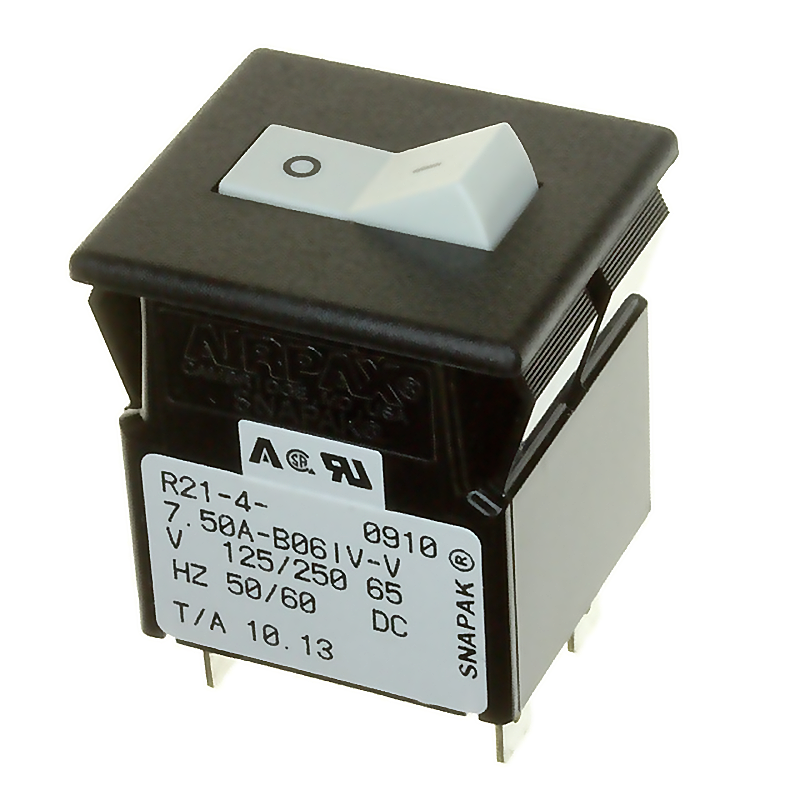
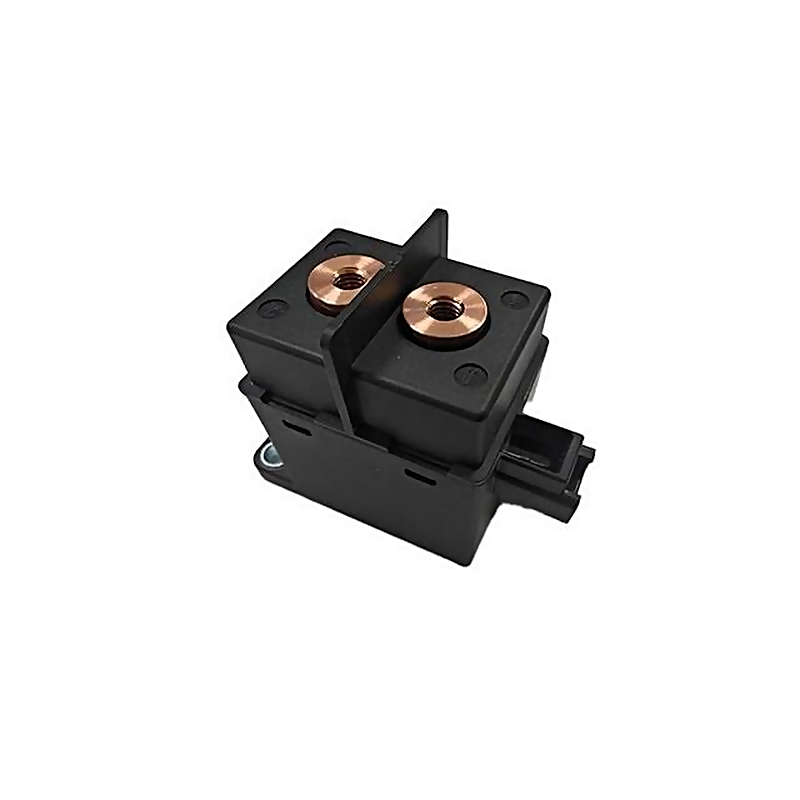
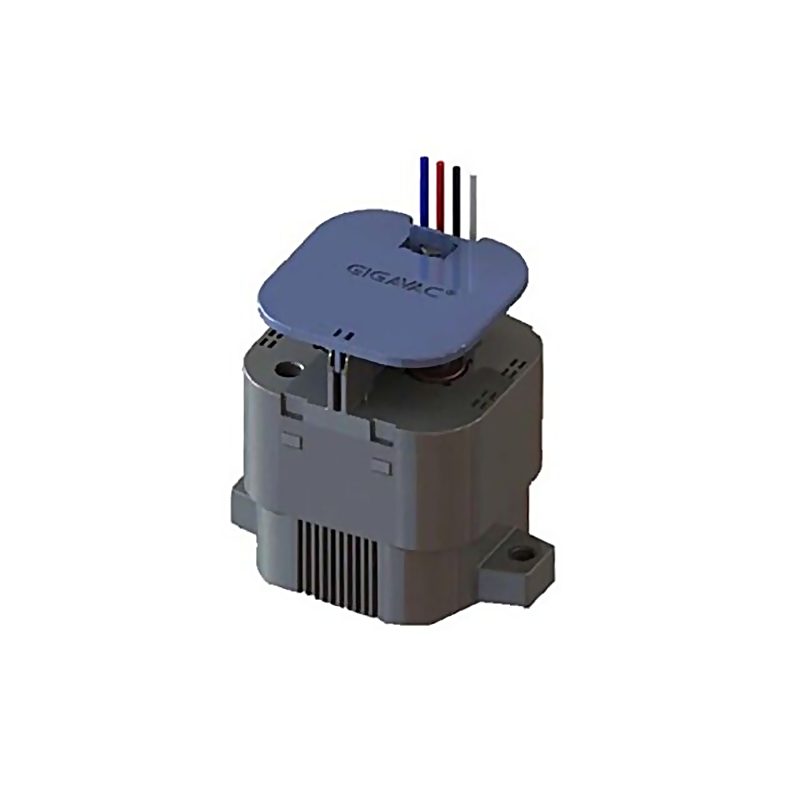
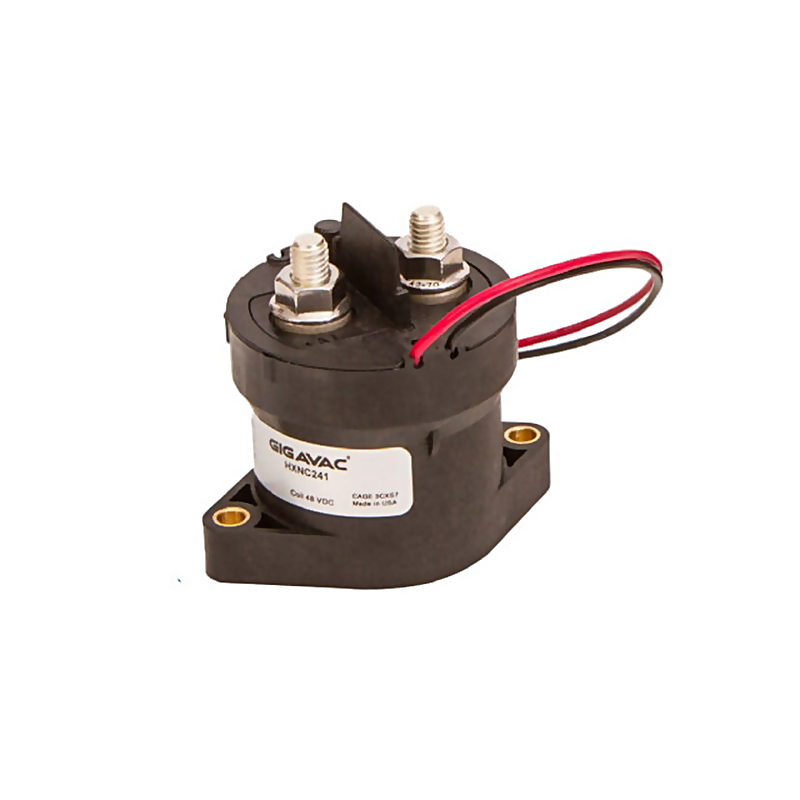
An electrical contactor and relay serves as a critical switching device in power distribution and motor control systems, designed to manage electrical circuits safely and efficiently. These electromechanical components control high-power loads through low-power signals, making them essential for industrial automation, HVAC systems, and manufacturing operations. The electrical contactor and relay operates by using an electromagnetic coil to open or close contacts, establishing or interrupting the flow of electricity to connected equipment. Contactors handle heavy-duty applications with higher current ratings, while relays manage lighter loads and provide control logic functions. Modern electrical contactor and relay units incorporate advanced materials and precision engineering to deliver reliable performance under demanding conditions. Key technological features include silver alloy contacts for superior conductivity, arc suppression chambers to prevent damage during switching, and auxiliary contacts for status indication and control integration. These devices offer multiple poles for controlling several circuits simultaneously, with configurations ranging from single-phase to three-phase applications. The electrical contactor and relay supports various voltage ratings from low-voltage residential systems to high-voltage industrial installations. Applications span motor starters, lighting control panels, heating systems, pump controls, and automated production lines. Their robust construction ensures longevity in harsh environments, while standardized mounting dimensions facilitate easy installation and replacement. The electrical contactor and relay remains indispensable for protecting electrical systems from overload conditions and enabling remote operation of equipment across diverse industries.
Investing in a quality electrical contactor and relay delivers substantial operational benefits that directly impact your bottom line. These devices protect expensive equipment by safely controlling power flow, preventing costly damage from electrical faults and reducing maintenance expenses over time. You gain precise control over machinery and systems without manual intervention, improving workplace safety by eliminating direct contact with high-voltage circuits. The electrical contactor and relay enables remote operation, allowing operators to manage equipment from safe distances or centralized control rooms, which streamlines workflows and boosts productivity. Energy efficiency improves because these devices minimize power waste during switching operations and reduce standby consumption compared to continuous manual controls. Installation proves straightforward with standardized mounting configurations and clear terminal markings, cutting installation time and labor costs significantly. The electrical contactor and relay suits applications ranging from small commercial buildings to large industrial facilities, offering versatility that adapts to your specific operational requirements. Reliability stands paramount, with modern units engineered to perform millions of switching cycles before requiring replacement, ensuring consistent operation during critical production periods. You benefit from enhanced system diagnostics through built-in auxiliary contacts that provide real-time status feedback to monitoring systems, enabling predictive maintenance and preventing unexpected downtime. The electrical contactor and relay supports seamless integration with programmable logic controllers and building automation systems, future-proofing your infrastructure as technology evolves. Cost-effectiveness becomes evident through extended service life, minimal maintenance needs, and the ability to retrofit existing installations without major system overhauls. These practical advantages make the electrical contactor and relay an intelligent choice for businesses prioritizing operational efficiency, safety compliance, and long-term value in their electrical infrastructure investments.

Practical Tips

Why do engineers choose mosfet transistor devices for power management designs?

12

Jun

Why do engineers choose mosfet transistor devices for power management designs?

View More
Can ic solutions support customized applications for smart device manufacturing?

12

Jun

Can ic solutions support customized applications for smart device manufacturing?

View More
How does a dc contactor improve safety in battery energy storage applications?

12

Jun

How does a dc contactor improve safety in battery energy storage applications?

View More
Superior Arc Suppression Technology

Superior Arc Suppression Technology

The electrical contactor and relay incorporates advanced arc suppression technology that significantly extends contact life and ensures safe operation during switching events. When electrical contacts separate under load, an electric arc forms that can cause severe damage to contact surfaces and surrounding components. This innovative feature employs specially designed arc chutes or chambers that rapidly cool and extinguish arcs by dividing them into smaller segments, dissipating energy safely. The technology utilizes magnetic fields to drive arcs away from critical contact areas, preventing pitting and welding that would otherwise degrade performance. This protection mechanism becomes especially valuable in high-current applications where arc energy reaches destructive levels. Users benefit from reduced maintenance frequency, lower replacement costs, and improved system reliability over the equipment's operational lifetime. The electrical contactor and relay with arc suppression maintains consistent switching performance even after hundreds of thousands of cycles, ensuring your operations continue without interruption. This feature proves essential in motor control applications where frequent starts and stops generate repetitive arcing conditions that would quickly destroy unprotected contacts, making it a critical consideration for demanding industrial environments.
Versatile Configuration Options

Versatile Configuration Options

The electrical contactor and relay offers exceptional configuration flexibility to match diverse application requirements across industries and installation environments. These devices come in multiple pole configurations including single-pole, two-pole, three-pole, and four-pole arrangements, accommodating everything from simple on-off control to complex three-phase motor management. Coil voltage options span from 24V DC control circuits to 480V AC power systems, ensuring compatibility with existing infrastructure without requiring voltage conversion equipment. The electrical contactor and relay provides normally open and normally closed contact arrangements, allowing engineers to design fail-safe systems that default to safe states during power interruptions. Auxiliary contact blocks can be added to standard units, expanding functionality for interlocking, status indication, and multi-level control sequences without purchasing entirely new components. Mounting versatility includes DIN rail, panel mount, and base mount options that adapt to various enclosure types and space constraints. Current ratings range from fractional horsepower applications to industrial motors exceeding hundreds of horsepower, giving you a single device family that scales with your needs. This adaptability reduces inventory complexity, simplifies procurement, and ensures technicians become familiar with one reliable platform rather than managing multiple incompatible systems across your facility.
Enhanced Safety and Protection Features

Enhanced Safety and Protection Features

Safety considerations drive the design of every electrical contactor and relay, incorporating multiple protection layers that safeguard both equipment and personnel from electrical hazards. Thermal overload protection integrates seamlessly with contactor designs, monitoring current flow and disconnecting power automatically when unsafe conditions develop, preventing motor burnout and fire risks. The electrical contactor and relay features finger-safe terminal designs that prevent accidental contact with live conductors during installation and maintenance, reducing workplace injury risks and ensuring compliance with safety regulations. Enclosure ratings from basic open construction to fully sealed IP-rated housings protect internal components from dust, moisture, and corrosive atmospheres common in industrial settings. Mechanical interlocks prevent simultaneous closure of incompatible contacts in reversing applications, eliminating dangerous short circuits that could destroy equipment or injure workers. The electrical contactor and relay undergoes rigorous testing to international safety standards including UL, CE, and IEC certifications, providing documented assurance that devices meet stringent safety requirements. Status indication through auxiliary contacts and LED indicators gives operators immediate visual confirmation of device state, preventing dangerous assumptions about circuit conditions. Fail-safe design principles ensure the electrical contactor and relay defaults to the safest position during power loss or component failure, protecting processes and personnel when unexpected conditions arise in mission-critical applications.