ICCS Solutions: Integrated Command Control Systems

Your Trusted Partner in Electronics Supply Chain. Inquire Now!

Explore Our Latest Smart Electronics Collection.

, , 
Inquiry
Inquiry

iccs solutions

ICCS solutions represent integrated command and control systems designed to streamline complex operational management across multiple industries. These comprehensive platforms combine advanced monitoring, communication, and decision-making capabilities into unified interfaces that enable organizations to maintain complete situational awareness. ICCS solutions serve as the central nervous system for facilities requiring real-time coordination of safety systems, security protocols, environmental controls, and operational processes. The main functions include centralized data aggregation from disparate subsystems, automated alert generation and escalation, comprehensive event logging and reporting, and multi-level user access management. Technologically, ICCS solutions leverage scalable network architectures, redundant communication pathways, and intelligent data processing algorithms to ensure continuous operational reliability. These systems integrate seamlessly with existing infrastructure including fire detection networks, access control platforms, HVAC management systems, and video surveillance equipment. Application domains span transportation hubs such as airports and metro stations, critical infrastructure including power plants and water treatment facilities, commercial complexes, healthcare institutions, and industrial manufacturing sites. The flexibility of ICCS solutions allows customization to meet specific operational requirements while maintaining compliance with international safety standards and regulatory frameworks. By consolidating control functions previously scattered across multiple stations and operators, these solutions reduce response times during emergencies, minimize human error through automation, and provide comprehensive audit trails for post-incident analysis and continuous improvement initiatives.
Organizations implementing ICCS solutions gain immediate operational advantages that translate directly into cost savings and enhanced safety outcomes. The centralized architecture eliminates the need for multiple independent control stations, reducing infrastructure costs and simplifying staff training requirements. Operators benefit from intuitive graphical interfaces that present complex information in easily digestible formats, enabling faster decision-making during routine operations and critical incidents alike. The integration capabilities mean existing investments in security cameras, sensors, and control devices remain valuable assets rather than requiring complete replacement, protecting capital expenditures while upgrading overall system intelligence. Real-time monitoring across all connected systems allows facility managers to identify potential issues before they escalate into costly failures or safety hazards. Automated response protocols embedded within ICCS solutions ensure consistent handling of standard scenarios, freeing personnel to focus on complex situations requiring human judgment. The comprehensive logging functionality provides complete documentation for regulatory compliance audits, insurance claims, and internal quality improvement programs. Scalability represents another practical benefit, as organizations can start with core functionality and expand capabilities as needs evolve without architectural redesign. Remote access features enable management oversight from any location, supporting distributed operations and after-hours monitoring without requiring on-site presence. Energy efficiency improvements often follow implementation as ICCS solutions optimize environmental control systems based on actual occupancy and usage patterns rather than fixed schedules. The reduced mean time to incident detection and response directly correlates with lower property damage, decreased liability exposure, and improved occupant safety metrics. These tangible benefits make ICCS solutions strategic investments that deliver measurable returns through operational efficiency, risk mitigation, and regulatory compliance.

Practical Tips

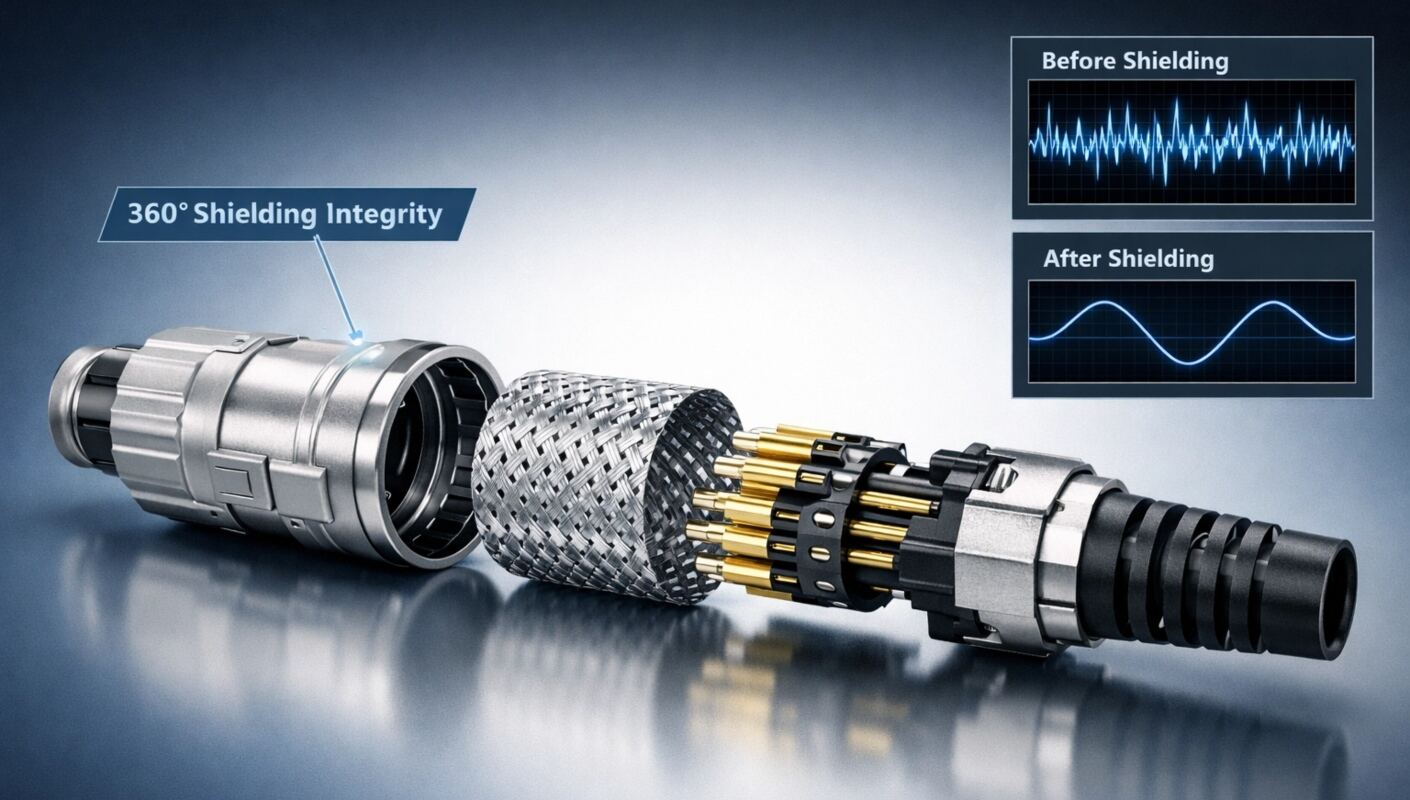
Why Shielded Connectors are Critical for Industrial Robotics: Overcoming EMI in High-Speed Automation

11

May

Why Shielded Connectors are Critical for Industrial Robotics: Overcoming EMI in High-Speed Automation

Struggling with robotic jitter, ghost failures, or positional drift? Shielded connectors eliminate EMI in high-speed automation—boost uptime & precision. Get the engineering guide.
View More
How does a mosfet transistor reduce energy loss in electronic equipment?

12

Jun

How does a mosfet transistor reduce energy loss in electronic equipment?

View More
How do ic solutions improve integration in automotive and industrial electronics?

12

Jun

How do ic solutions improve integration in automotive and industrial electronics?

View More
Unified Operational Intelligence Platform

Unified Operational Intelligence Platform

Modern ICCS solutions transform fragmented control environments into cohesive operational intelligence platforms that provide complete facility oversight from single workstations. This unification eliminates information silos that historically prevented operators from understanding interdependencies between building systems. When fire alarms activate, the system automatically displays affected zones on floor plans, shows nearby camera feeds, identifies elevator positions, and presents evacuation route status simultaneously. This contextual awareness proves invaluable during emergencies when every second counts. The platform aggregates data streams from hundreds or thousands of sensors and devices, applying intelligent filtering to present only relevant information based on current conditions and operator roles. Customizable dashboards allow different personnel to view the same facility through perspectives tailored to their responsibilities, whether focused on security, maintenance, energy management, or executive oversight. Historical data analysis capabilities reveal patterns invisible in real-time monitoring, supporting predictive maintenance strategies that prevent equipment failures before they occur. The unified approach reduces training time for new operators who need to learn only one interface rather than multiple proprietary systems, improving workforce flexibility and reducing operational vulnerability to staff turnover.
Redundant Architecture for Mission-Critical Reliability

Redundant Architecture for Mission-Critical Reliability

Recognizing that command and control systems must function flawlessly especially during disasters when they are needed most, ICCS solutions incorporate multiple layers of redundancy throughout their architecture. Dual network pathways ensure communication continuity even if primary connections fail, with automatic failover occurring transparently without operator intervention. Server redundancy employs active-standby or active-active configurations where backup systems continuously synchronize with primary units, ready to assume control instantly if hardware failures occur. Power supply diversity includes uninterruptible power systems and generator integration, ensuring ICCS solutions maintain operation during utility outages. Geographic distribution of system components protects against localized damage, with backup control centers capable of assuming full functionality if primary facilities become inaccessible. Database replication safeguards critical configuration and historical data against loss, supporting both disaster recovery and business continuity requirements. Continuous health monitoring of all system components provides early warning of degraded performance, allowing proactive maintenance before failures impact operations. This comprehensive redundancy approach delivers the exceptional reliability that critical infrastructure operators demand, with documented uptimes exceeding standard commercial systems. Organizations gain confidence that their investment in ICCS solutions will perform reliably throughout extended service lifecycles spanning decades.
Standards-Based Integration Framework

Standards-Based Integration Framework

The technical foundation of effective ICCS solutions rests on open standards-based integration frameworks that accommodate diverse equipment from multiple manufacturers without vendor lock-in constraints. Protocol support spans industry standards including BACnet for building automation, ONVIF for video surveillance, Modbus for industrial controls, and OPC for process management systems. This multi-protocol capability means organizations can select best-of-breed components for each subsystem while maintaining unified oversight through the ICCS platform. The integration framework employs normalized data models that translate vendor-specific formats into consistent representations, simplifying operator training and enabling seamless equipment upgrades without retraining requirements. Application programming interfaces allow custom integrations with specialized systems unique to specific facilities or industries, ensuring ICCS solutions adapt to operational needs rather than forcing operations to conform to system limitations. Configuration tools enable system integrators to map new devices and define control logic without programming expertise, reducing implementation costs and accelerating deployment schedules. Version compatibility management ensures system updates enhance functionality without disrupting existing integrations, protecting the long-term value of deployed infrastructure. This standards-based approach future-proofs investments in ICCS solutions, allowing organizations to evolve their facilities confidently knowing their command and control backbone will accommodate emerging technologies and changing operational requirements throughout extended service lifecycles.