NAND Flash NOR Flash Memory Solutions Guide

Your Trusted Partner in Electronics Supply Chain. Inquire Now!

Explore Our Latest Smart Electronics Collection.

, , 
Inquiry
Inquiry

nand flash nor flash

NAND flash and NOR flash represent two fundamental types of non-volatile memory technologies that serve distinct purposes in modern electronic devices. Understanding NAND flash nor flash differences is essential for selecting the right memory solution for your application. NAND flash memory is designed with a serial access architecture, making it ideal for high-density storage applications where large amounts of data must be stored cost-effectively. It excels in sequential read and write operations, offering superior storage capacity at lower costs per gigabyte. Conversely, NOR flash features a parallel access architecture that enables random access capabilities, making it perfect for code execution and applications requiring fast read speeds. NOR flash allows processors to execute code directly from the memory without loading it into RAM first, a capability known as execute-in-place. When comparing NAND flash nor flash technologies, NAND typically offers faster write and erase speeds with higher storage densities, while NOR provides faster random read access and greater reliability for code storage. NAND flash uses a simple cell structure that allows more bits per chip area, resulting in lower manufacturing costs and higher capacities. NOR flash, though more expensive per bit, delivers superior data retention and endurance for critical applications. Both NAND flash nor flash technologies utilize floating-gate transistors to store electrical charges representing data, but their architectural differences create unique performance characteristics suited to different applications in smartphones, embedded systems, solid-state drives, and industrial equipment.
Choosing between NAND flash nor flash technologies delivers specific operational benefits tailored to your application requirements. NAND flash memory provides exceptional value for data storage applications, offering massive capacity at affordable prices, making it the preferred choice for consumer electronics, USB drives, memory cards, and solid-state drives. You benefit from faster write speeds and superior erase performance, enabling efficient data management in applications handling large files, photos, videos, and documents. The high storage density of NAND flash nor flash NAND variants means you can store more information in smaller physical spaces, reducing device size and weight while maximizing functionality. For applications requiring code execution and firmware storage, NOR flash delivers unmatched performance with its ability to execute code directly without copying to RAM, reducing system costs and complexity. You gain faster boot times and immediate access to stored instructions, critical for embedded systems, automotive electronics, and industrial controllers. NOR flash provides superior reliability with lower bit error rates and longer data retention periods, ensuring your critical code remains intact over extended operational lifetimes. The random access capability of NAND flash nor flash NOR variants enables instant retrieval of any memory location, essential for applications requiring unpredictable access patterns. When evaluating NAND flash nor flash options, consider that NAND excels in cost-per-bit efficiency and sequential performance, while NOR offers reliability and execute-in-place functionality. Your decision should align with whether your priority is bulk storage capacity and affordability or code execution speed and data integrity, ensuring optimal performance for your specific use case and budget constraints.

Practical Tips

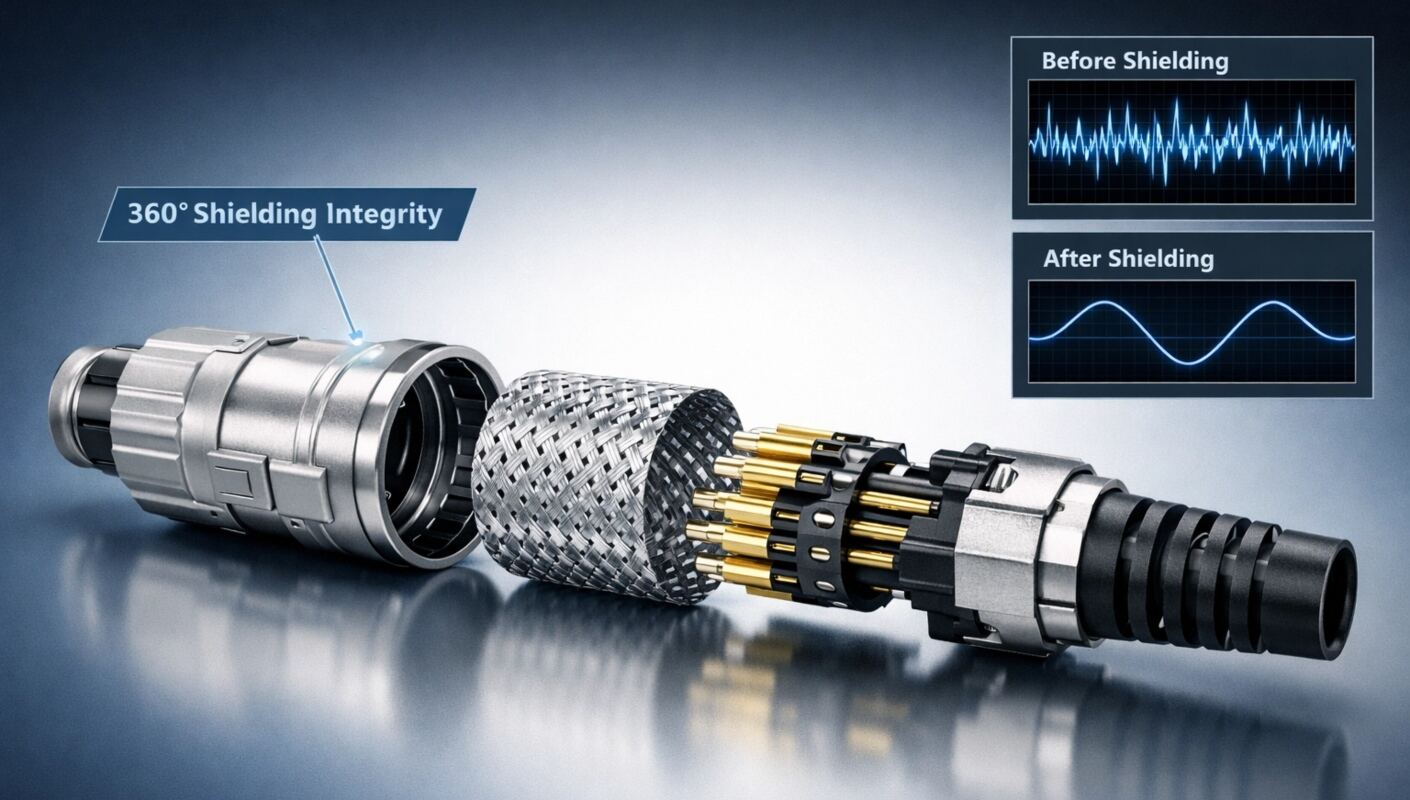
Why Shielded Connectors are Critical for Industrial Robotics: Overcoming EMI in High-Speed Automation

12

Jun

Why Shielded Connectors are Critical for Industrial Robotics: Overcoming EMI in High-Speed Automation

Struggling with robotic jitter or ghost failures? Shielded connectors eliminate EMI-induced signal errors in high-speed automation. Boost uptime, precision & compliance—get the engineering guide.
View More
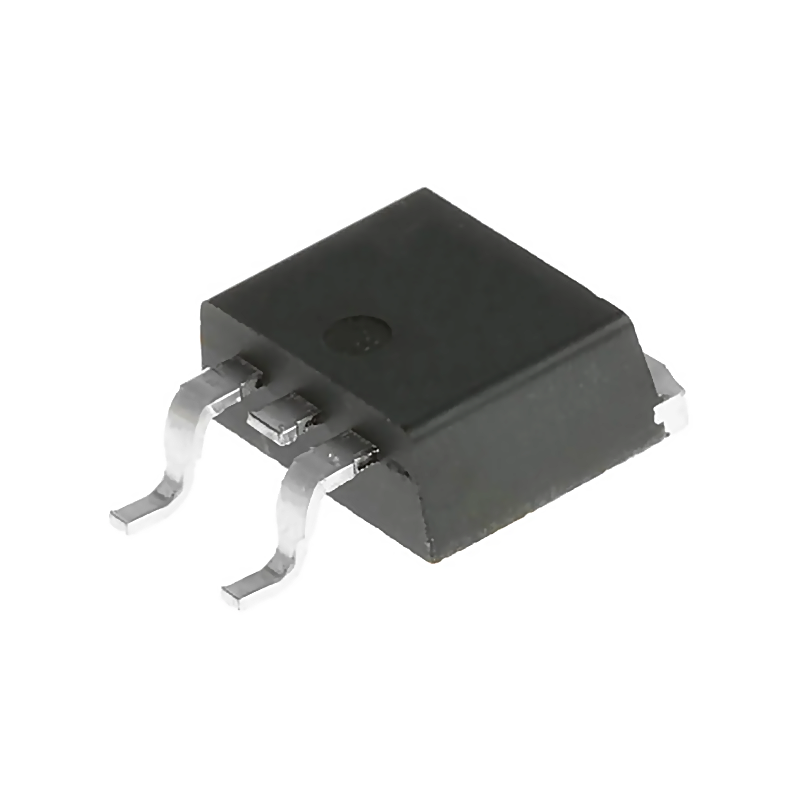
Why do engineers choose mosfet transistor devices for power management designs?

12

Jun

Why do engineers choose mosfet transistor devices for power management designs?

Discover why MOSFET transistors excel in power design with fast switching, low RDS(on), thermal robustness, and simple gate drive for greater efficiency and reliability.
View More
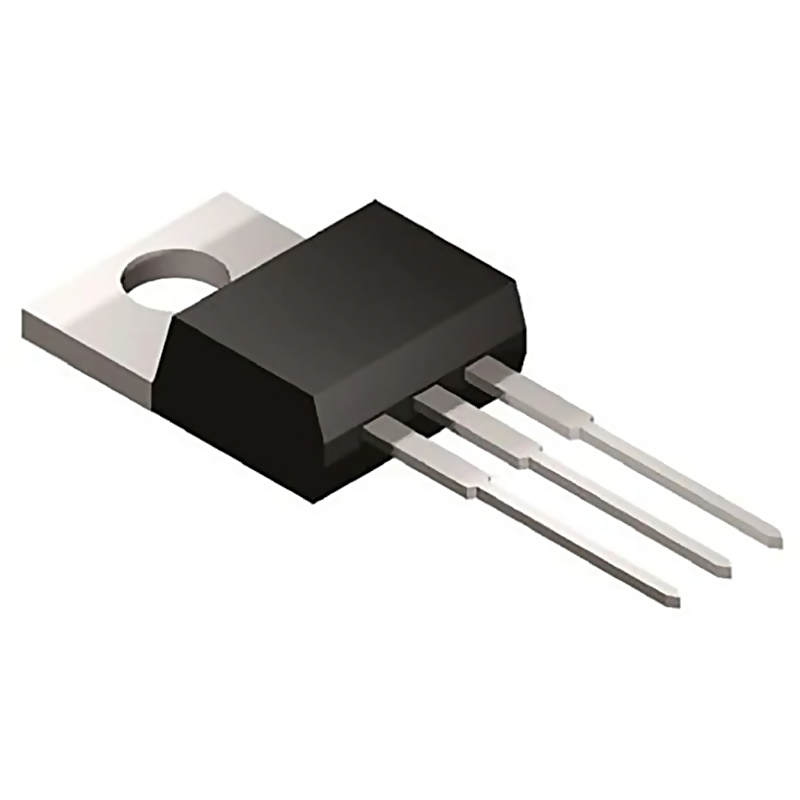
How does a mosfet transistor reduce energy loss in electronic equipment?

12

Jun

How does a mosfet transistor reduce energy loss in electronic equipment?

Discover how MOSFET transistors reduce energy loss through low RDS(on), fast switching, and zero gate current to improve power efficiency.
View More
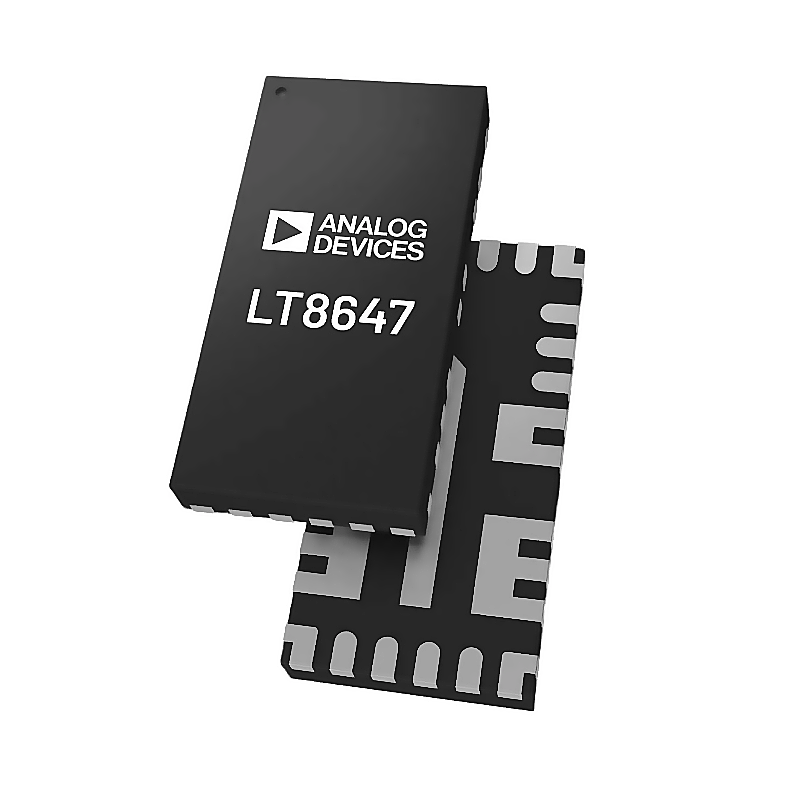
How does a power management ic improve efficiency in automotive electronics?

12

Jun

How does a power management ic improve efficiency in automotive electronics?

Learn how power management ICs improve automotive efficiency through voltage regulation, multi-rail power control, and dynamic load optimization.
View More
High-Density Storage with NAND Architecture

High-Density Storage with NAND Architecture

The NAND flash component of NAND flash nor flash technologies revolutionizes data storage by delivering unprecedented capacity at remarkably low costs. NAND architecture employs a series-connected cell structure that maximizes silicon utilization, allowing manufacturers to pack significantly more storage cells into the same chip area compared to alternative technologies. This density advantage translates directly into consumer benefits through affordable high-capacity storage solutions in smartphones, tablets, digital cameras, and portable drives. You experience faster data transfer rates during sequential operations, making NAND ideal for applications involving video recording, photo storage, and file transfers. The block-based erase mechanism, while requiring wear-leveling algorithms, enables efficient management of large datasets. Modern NAND flash nor flash NAND implementations include multi-level cell, triple-level cell, and quad-level cell technologies that store multiple bits per cell, further increasing capacity without proportionally increasing costs. This scalability ensures that as your storage needs grow, NAND flash solutions can accommodate expanding requirements without requiring complete system redesigns, providing long-term value and future-proofing your investment in memory technology.
Execute-in-Place Capability with NOR Technology

Execute-in-Place Capability with NOR Technology

The NOR flash aspect of NAND flash nor flash solutions provides a critical advantage for embedded systems and firmware applications through its unique execute-in-place functionality. Unlike memory types requiring code to be copied into RAM before execution, NOR flash allows processors to run programs directly from the flash memory itself, significantly reducing system complexity and costs by minimizing RAM requirements. This capability proves invaluable in automotive systems, industrial controllers, networking equipment, and IoT devices where reliable code execution is paramount. You benefit from faster boot sequences as the processor immediately accesses and executes startup code without preliminary loading steps. The parallel interface architecture of NAND flash nor flash NOR variants enables true random access, meaning any byte can be read independently without accessing adjacent data, providing consistent performance regardless of access patterns. NOR flash also exhibits superior reliability characteristics with lower bit error rates and extended data retention spanning decades, ensuring your critical firmware and configuration data remain intact throughout the device lifecycle. The individual byte programmability, though slower than NAND for large transfers, offers precision and flexibility for updating specific memory locations without affecting surrounding data, making firmware updates more efficient and secure.
Complementary Technologies for Optimal System Design

Complementary Technologies for Optimal System Design

Understanding that NAND flash nor flash technologies are complementary rather than competing solutions empowers you to design optimal memory architectures that leverage the strengths of both types. Modern electronic devices frequently incorporate both NAND and NOR flash in hybrid configurations, using NOR flash for bootloader code and critical firmware while employing NAND flash for bulk data storage and user content. This strategic combination delivers superior overall system performance at optimized costs. You gain the reliability and fast random access of NOR flash for mission-critical code execution alongside the high capacity and cost efficiency of NAND flash for data-intensive applications. When selecting between NAND flash nor flash options, consider your specific performance requirements, budget constraints, and application characteristics. Applications prioritizing storage capacity, sequential throughput, and cost per gigabyte naturally favor NAND implementations, while those requiring code execution, random access speed, and maximum reliability benefit from NOR solutions. Many suppliers now offer managed NAND solutions incorporating controllers that handle wear leveling, error correction, and bad block management, simplifying integration while maintaining performance advantages. This flexibility in NAND flash nor flash deployment strategies ensures you can precisely match memory technology to functional requirements, achieving optimal performance, reliability, and value across diverse application scenarios from consumer electronics to mission-critical industrial systems.