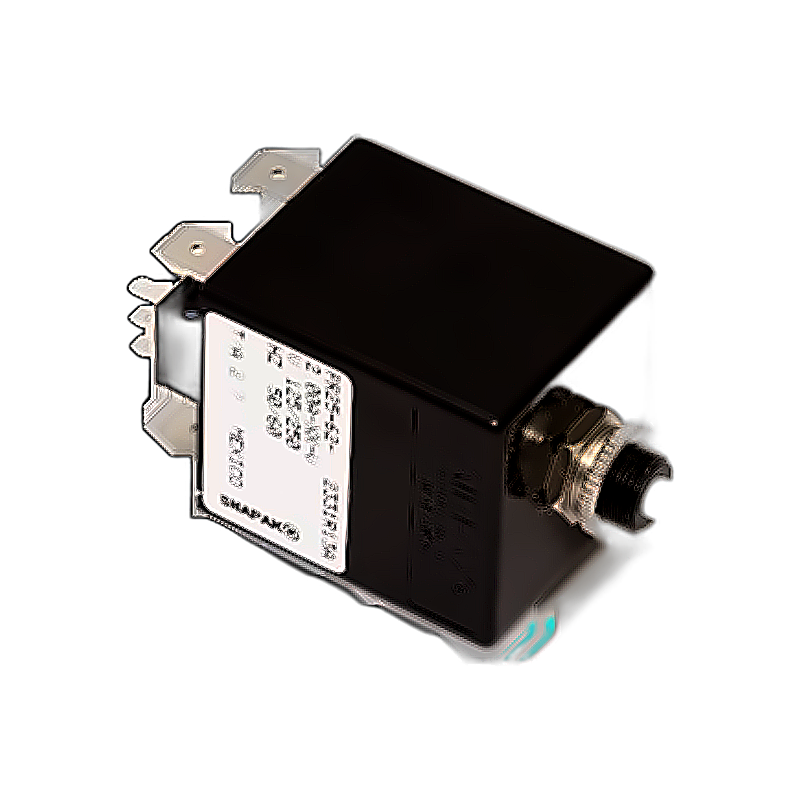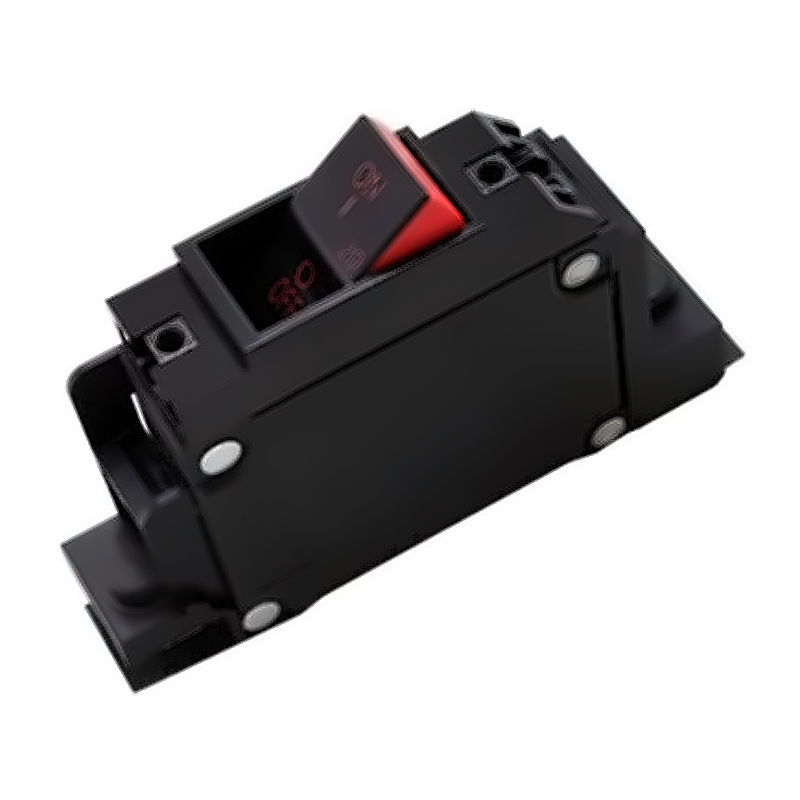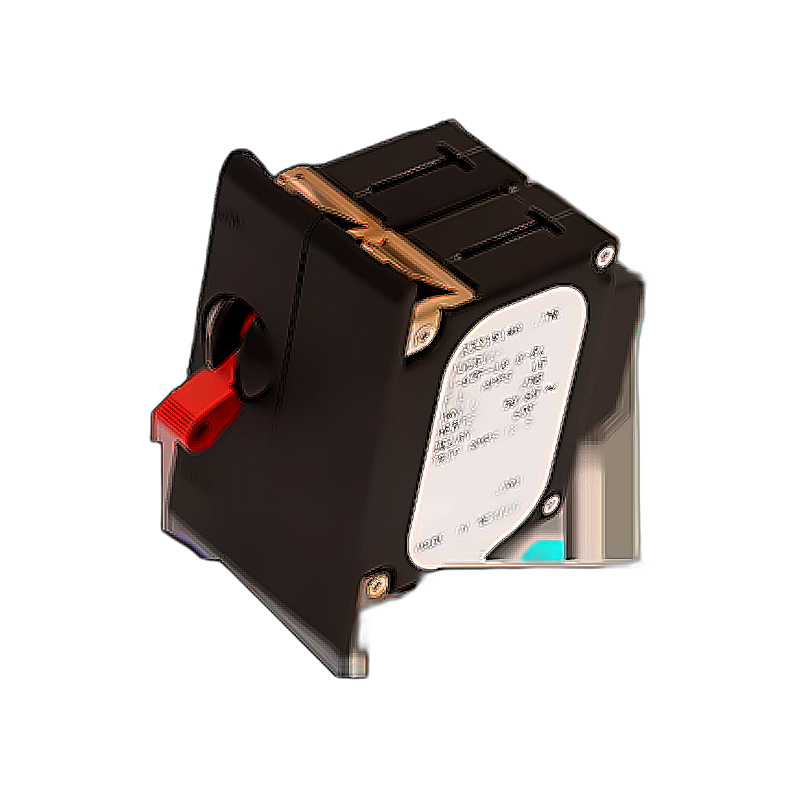
power fuse
A power fuse is a critical electrical protection device designed to safeguard circuits and equipment from overcurrent conditions, short circuits, and electrical faults. This essential component works by interrupting the flow of electricity when current levels exceed safe operating parameters, preventing damage to expensive machinery, electrical systems, and reducing fire hazards. The power fuse contains a metal wire or strip that melts when excessive current passes through it, creating an open circuit that stops electrical flow immediately. Modern power fuse technology incorporates advanced materials and precise engineering to ensure reliable performance across various voltage and current ratings. These protective devices are manufactured in numerous configurations, including blade-type, cartridge, and bolted designs, each suited for specific applications and installation requirements. The power fuse operates on a simple yet effective principle: the fusing element is calibrated to carry normal operating currents indefinitely while responding quickly to fault conditions. This selective protection ensures that only the affected circuit is isolated, maintaining power to other system components. Available in ratings from a few amperes to thousands of amperes, these devices serve applications ranging from residential electrical panels to industrial power distribution systems, renewable energy installations, and transportation infrastructure. The technological features of a power fuse include high interrupting capacity, precise time-current characteristics, and the ability to handle both AC and DC applications, making them indispensable in modern electrical infrastructure worldwide.