 EN
EN

Can-a-fuse-reduce-equipment-damage-during-unexpected-current-surges, Can-a-fuse-reduce-equipment-damage-during-unexpected-current-surges, /news
EN
2026/06/03
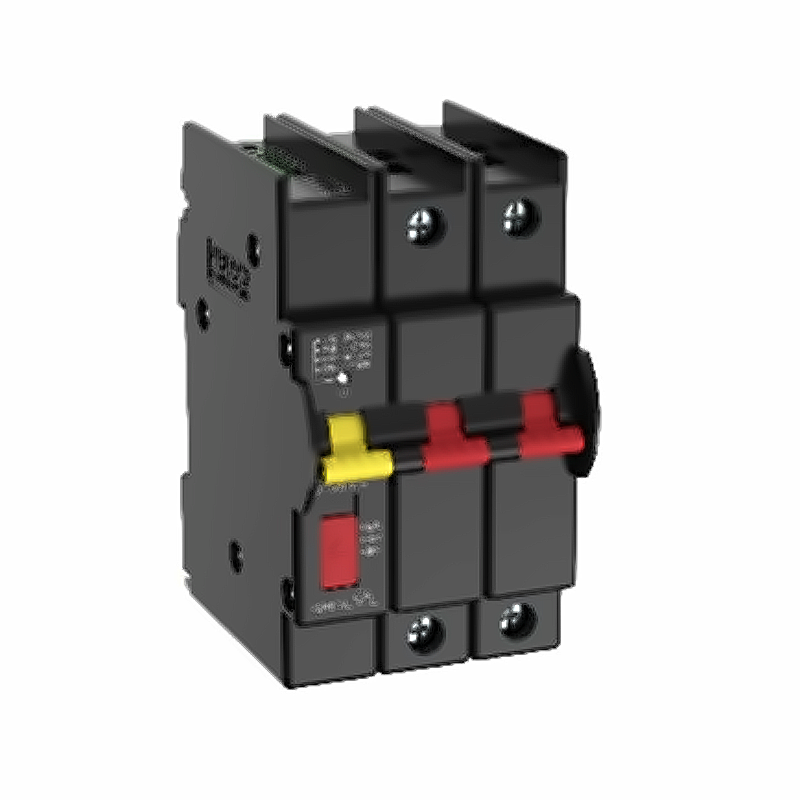
When an unexpected current surge travels through an electrical system, the consequences can be severe — damaged components, costly downtime, and even safety hazards. The question many engineers and system designers ask is straightforward: can a fuse genuinely reduce equipment damage when these surges occur? The answer is yes, and understanding exactly how a fuse performs this role is essential for selecting the right protection strategy. A fuse is not simply a passive component; it is a precisely engineered device that responds to overcurrent conditions in ways that protect the broader system.
The effectiveness of a fuse in surge scenarios depends on its design, voltage rating, and interrupting capacity. Not every fuse is built to handle the same level of stress, and choosing an underpowered fuse for a high-energy application can result in failure to interrupt properly. A well-matched fuse, such as a high voltage pyro fuse rated for demanding EV battery systems, provides the kind of reliable disconnection that keeps equipment intact when current spikes unexpectedly. This article examines how a fuse works, what determines its surge-handling capability, and when a fuse is the correct protective device for your application.
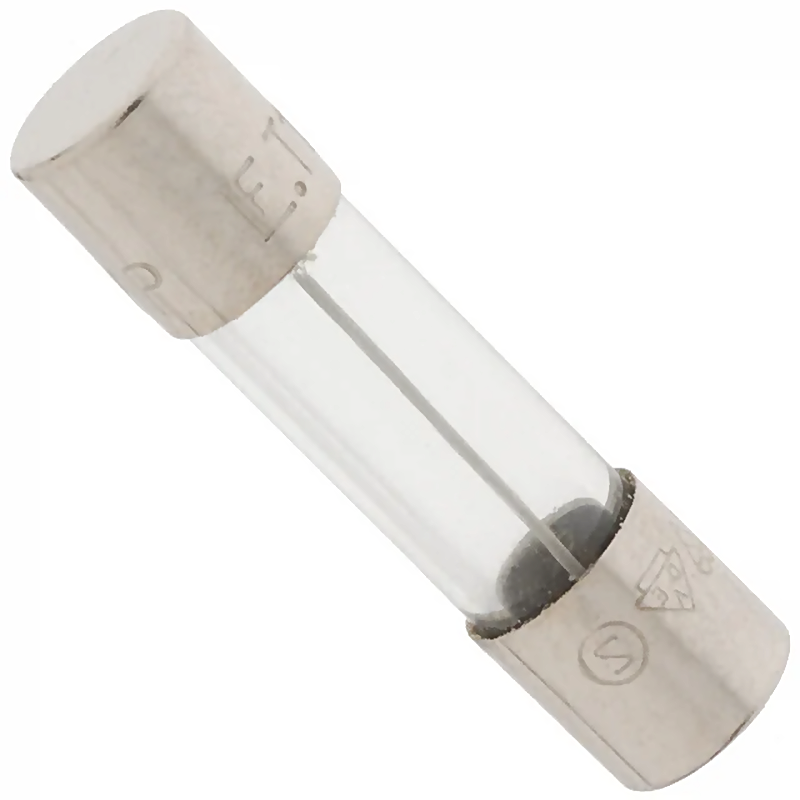
At its core, every fuse contains a conductive element that is calibrated to melt when current exceeds a defined threshold. When a surge pushes current beyond the fuse rating, heat builds rapidly inside the fuse element, causing it to open the circuit before damaging energy reaches sensitive downstream components. This interruption happens in milliseconds, which is precisely why a fuse is so effective against fast-rising current surges. The speed of a fuse response is one of its greatest advantages over other protective devices.
The fuse element geometry, the material used, and the surrounding fill medium all influence how quickly and cleanly a fuse interrupts. In a pyro fuse design, a controlled pyrotechnic charge can be triggered to ensure rapid and complete disconnection even under extreme fault conditions. This makes a pyro fuse particularly valuable in high voltage systems, such as EV battery packs, where the fuse must reliably break a circuit carrying hundreds of amperes within a very short window. A fuse of this type goes beyond passive melting and adds an active layer of protection.
When a fuse opens during a surge, the energy that would have continued flowing toward motors, inverters, control boards, or battery cells is immediately halted. This action limits what engineers call 'let-through energy,' which is the amount of fault energy that passes through the fuse before interruption is complete. A fuse with a low let-through energy value means less stress is transferred to protected equipment. The result is that the fuse absorbs or limits the destructive portion of the surge, preserving components that would otherwise require replacement or repair.
It is important to understand that a fuse does not eliminate the surge itself — it prevents the surge from completing a destructive path through the system. The fuse acts as a sacrificial element, designed to fail in a controlled and predictable manner so that the equipment it protects does not. After a fuse operates, it must be replaced, but the cost of a single fuse is almost always far lower than the cost of repairing damaged equipment or experiencing unplanned system downtime.
The voltage rating of a fuse defines the maximum system voltage it can safely interrupt. Using a fuse rated below the system voltage is dangerous because the fuse may not be able to extinguish the arc that forms when the element melts, which can result in a sustained fault rather than a clean disconnection. For high voltage applications such as EV battery disconnect systems operating at 1000V or above, the fuse must carry a voltage rating that matches or exceeds the system voltage to perform safely and effectively.
Interrupting capacity, sometimes called breaking capacity, refers to the maximum fault current a fuse can safely interrupt. A fuse with insufficient interrupting capacity may rupture violently when exposed to a high surge, creating additional hazards. High voltage pyro fuse designs are engineered specifically to handle extremely high fault currents — some reaching 2000A or more in trip conditions — which ensures the fuse can interrupt even the most severe unexpected surge without causing collateral damage to the surrounding system.
Every fuse has a continuous current rating that reflects the maximum steady-state current it can carry without degrading. However, in real applications, brief inrush currents and transient surges regularly exceed this value. A quality fuse is designed with a time-current characteristic that allows it to tolerate short-duration overloads without nuisance tripping, while still responding decisively to sustained or severe overcurrents. This balance is critical — a fuse that trips too easily disrupts normal operations, while a fuse that is too slow fails to protect equipment from surge damage.
For EV battery systems or other demanding environments, selecting a fuse with a continuous rating appropriate to normal load conditions while maintaining a high trip threshold for surge events allows the system to operate reliably day to day. A fuse rated at 400A continuous with a 2200A trip threshold, for example, provides a wide operational window that accommodates real-world surge patterns without unnecessary interruptions. Matching the fuse specification precisely to the application is the key to maximizing both protection and availability.
A fuse is most effective in scenarios where the primary risk is a high-energy overcurrent event that could destroy expensive or safety-critical components. EV battery systems represent one of the most demanding use cases, where a fuse must protect cells, battery management electronics, and power electronics from fault currents that can rise to dangerous levels within microseconds. A fuse placed at the battery disconnect point ensures that any fault downstream is isolated before it can propagate into the battery pack itself.
Industrial motor drives, renewable energy inverters, and high voltage power distribution equipment also benefit significantly from fuse-based protection. In these environments, a fuse provides a final layer of defense that complements upstream circuit breakers and other protective relays. The fuse handles the extreme fault scenarios that other devices may not respond to quickly enough, making it an indispensable element in any robust protection scheme.
While circuit breakers and electronic protection relays offer resettable overcurrent protection, a fuse provides a level of speed and simplicity that resettable devices cannot always match. The fuse has no moving parts to wear out and no electronic logic that could fail at a critical moment. This reliability makes a fuse especially suitable for high voltage, high current environments where failure of the protective device itself would be catastrophic. A fuse is the most direct and mechanically simple solution to overcurrent-induced equipment damage.
For applications where re-energization after a fault is not immediately required — such as EV battery protection during a crash event — a fuse is often preferred over a resettable breaker. The single-use nature of a fuse is not a limitation in these scenarios; it is an intentional design feature that ensures the circuit remains open until a deliberate service action is taken, adding an additional safety layer to the overall system.
A fuse can respond to an overcurrent condition in milliseconds or even microseconds depending on its design. A pyro fuse with an active triggering mechanism can achieve even faster disconnection than a standard fuse, making it suitable for applications where the speed of fuse response is critical to preventing damage.
Yes. A high voltage fuse designed specifically for EV battery applications can provide reliable disconnection at system voltages up to 1000V and interrupt fault currents exceeding 2000A. Using the correct fuse rating ensures both effective protection and safe operation within the battery disconnect system.
When choosing a fuse for surge protection, verify that the fuse voltage rating meets or exceeds the system voltage, that the fuse interrupting capacity covers the maximum possible fault current, and that the fuse time-current characteristic is appropriate for the expected surge profile. A correctly specified fuse will protect equipment reliably without causing nuisance interruptions during normal operating transients.
The electronic components market is constantly evolving. From global supply chain updates to the latest semiconductor technology trends, our blog provides the professional perspective you need to stay informed and competitive.
Overcoming EMI in High-Speed Automation
A Comprehensive Layout and Component Selection Guide
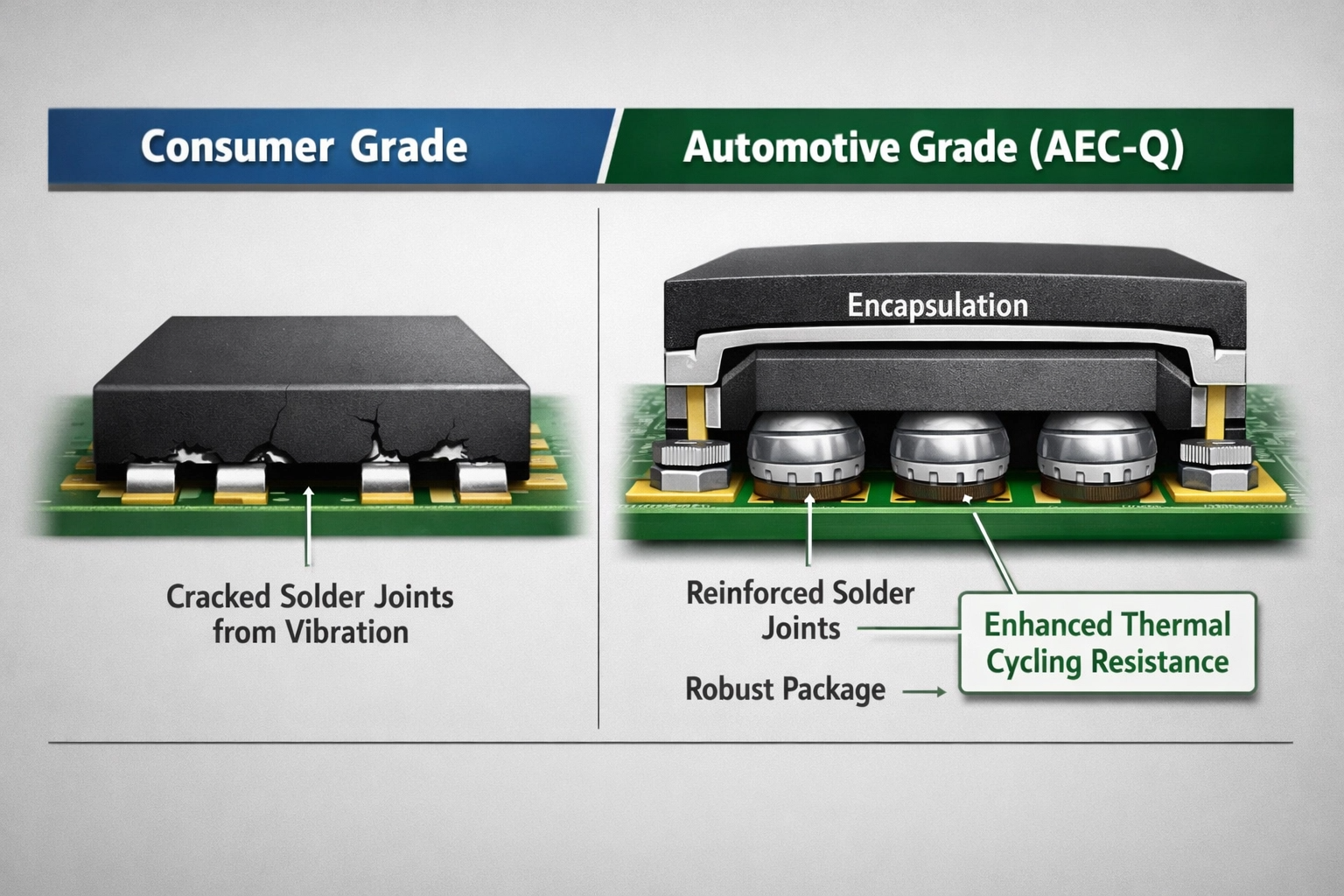
A Deep Dive into AEC-Q Standards and IATF 16949 Compliance







"Finding reliable high-voltage contactors for our EV platform was a major bottleneck until we partnered with this team. Their stock of 800V components is impressive and, more importantly, fully traceable. The packaging was professional, ensuring no static damage during transit. Truly a lifesaver for our production line."
"We were desperately searching for specific power management chips that were on a long backorder elsewhere. They managed to ship original factory parts within 48 hours, which kept our automation project on schedule. Communication was transparent and the technical data sheets provided were accurate. Highly recommend for urgent sourcing needs."
"The quality of the magnetic hydraulic circuit breakers we received exceeded our expectations for the price point. It’s clear they have a rigorous quality inspection process in place before shipping. We've integrated their parts into our latest battery storage units with zero failure rates so far. A very dependable partner for long-term supply."
"In this industry, trust is everything, especially when dealing with high-voltage fuses and relays. This company consistently provides genuine products that meet our strict safety certifications for the EU market. Their team is knowledgeable and helped us navigate the technical nuances of the components. Their export logistics to Spain are seamless."
"Managing End-of-Life (EOL) components is a constant struggle, but their database for legacy ICs is a goldmine. I was able to secure a batch of LCD driver ICs that our previous suppliers claimed were impossible to find. Every chip was tested and worked perfectly in our HMI repair prototypes. They are now my go-to for hard-to-find semiconductors."
"I appreciate how they handle smaller, specialized orders with the same urgency as bulk shipments. We needed specific pressure sensors for a fleet of diesel engines, and they arrived in the UK perfectly labeled and documented. Their attention to detail on the commercial invoice made customs clearance a breeze. Great service and even better product quality."
