 EN
EN

Can-a-high-voltage-contactor-support-energy-storage-and-charging-equipment, Can-a-high-voltage-contactor-support-energy-storage-and-charging-equipment, /news
EN
2026/06/15
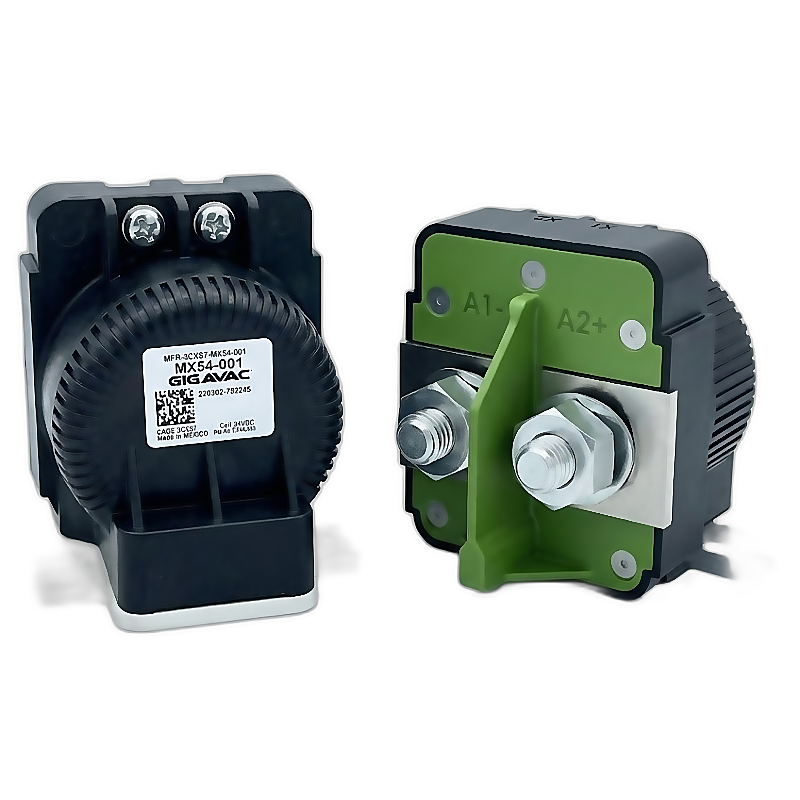
A high voltage contactor is one of the most critical switching components in modern power systems. As energy storage systems and EV charging infrastructure continue to expand rapidly, engineers and procurement teams face a key question: can a high voltage contactor genuinely meet the demanding requirements of both energy storage and charging equipment? The short answer is yes — but only when the right specifications, design standards, and application conditions are properly matched.
A high voltage contactor functions as an electrically controlled switch capable of making and breaking high-current DC circuits safely and reliably. Unlike a standard relay, a high voltage contactor is engineered to handle the arc suppression challenges, thermal loads, and insulation demands unique to high-voltage DC environments. When integrated correctly into energy storage and charging platforms, a high voltage contactor becomes the backbone of safe circuit management, protecting both the equipment and the end user from electrical faults.
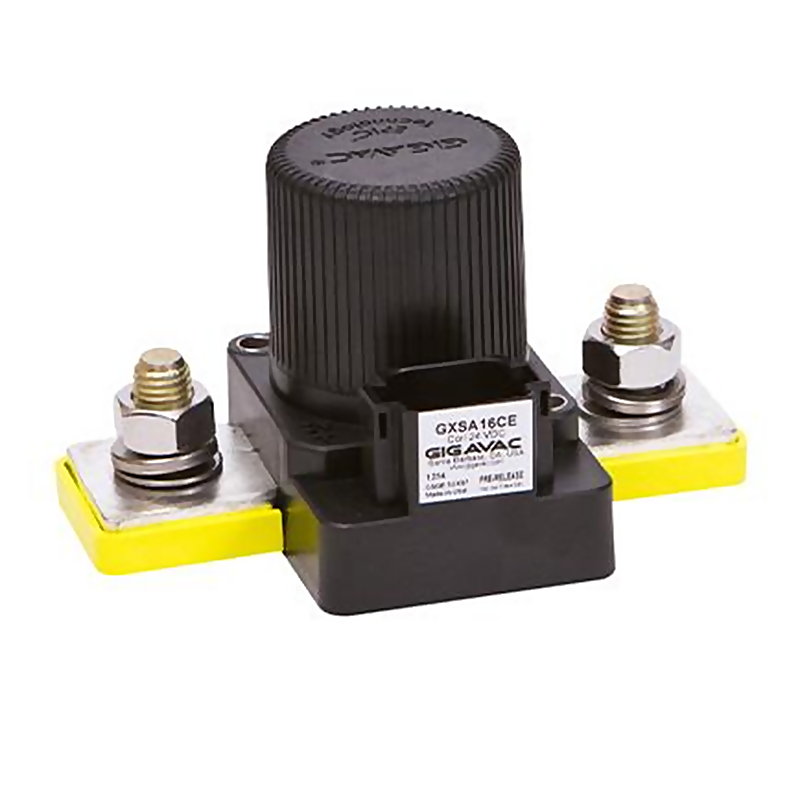
At its core, a high voltage contactor operates by energizing an electromagnetic coil that pulls a set of contacts together, closing the main power circuit. When the coil is de-energized, the contacts open and interrupt current flow. This makes the high voltage contactor the primary on/off control point within battery management systems, grid-scale storage racks, and DC fast-charging stations. The ability of a high voltage contactor to perform thousands of switching cycles reliably under load is what makes it indispensable in these environments.
In energy storage systems, the high voltage contactor is typically placed between the battery pack and the inverter or load bus. In charging equipment, a high voltage contactor guards the connection between the charger output stage and the vehicle battery inlet. Either way, the high voltage contactor must respond quickly to control signals while maintaining low contact resistance during conduction to minimize power loss.
DC circuits present unique arc suppression challenges compared to AC systems. When a high voltage contactor breaks a DC circuit under load, the arc does not naturally extinguish at a current zero crossing as it would in AC. This is why a properly rated high voltage contactor uses hermetic sealing with an inert gas or vacuum chamber to suppress arcs effectively. Without this technology, a high voltage contactor would degrade rapidly and create serious safety risks. Hermetically sealed designs ensure that each high voltage contactor operates in a controlled internal atmosphere, extending service life and maintaining switching integrity over time.
Selecting the correct high voltage contactor begins with matching the voltage and current ratings to the actual system requirements. Energy storage systems typically operate in ranges from 48V up to 1500V DC, while EV charging stations commonly run between 400V and 1000V DC. A high voltage contactor rated at 400A or above can handle the peak discharge and charge currents common in both application categories. Verifying the continuous current rating and the peak make/break capacity of a high voltage contactor is essential before specifying it for any system design.
Beyond voltage and current, the coil operating voltage of the high voltage contactor must align with the control circuit available in the equipment. Most modern high voltage contactor designs accept 12V or 24V coil control inputs, which integrate cleanly with battery management systems and charging controller boards. Confirming coil power consumption and hold current requirements also matters for systems where the high voltage contactor must remain energized for extended periods without overheating the driver circuit.
A high voltage contactor deployed in an outdoor charging station or a mobile energy storage unit must withstand vibration, humidity, and temperature extremes. The IP rating and mechanical shock resistance of a high voltage contactor directly affect its long-term reliability in field conditions. Hermetically sealed high voltage contactor units offer superior protection against contaminants compared to open-frame designs. For harsh environments, specifying a high voltage contactor with a wide operating temperature range and certified sealing standards reduces maintenance costs and unplanned downtime significantly.
In battery energy storage systems used for grid stabilization, commercial backup power, or renewable energy buffering, a high voltage contactor handles both pre-charge and main contactor duties. Typically, one high voltage contactor is used as a main connect relay while a second high voltage contactor or resistor network manages pre-charge to limit inrush current. This staged switching approach protects capacitors and bus bars from voltage spikes. The high voltage contactor in this role must deliver consistent performance across tens of thousands of cycles over the system's operational life.
Thermal management is another factor. In densely packed storage enclosures, a high voltage contactor with low contact resistance generates less heat during continuous operation. This keeps the thermal design simpler and reduces cooling requirements. Engineers should always verify the power dissipation rating of a high voltage contactor during the sizing phase of any storage project.
For DC fast chargers and bidirectional charging units, a high voltage contactor controls the connection between the charger power module and the vehicle. The high voltage contactor must handle frequent switching cycles as vehicles connect and disconnect throughout the day. High cycling endurance ratings, such as 100,000 or more operations, are a key selection criterion for a high voltage contactor used in public charging infrastructure. A high voltage contactor with fast contact closure and stable contact bounce characteristics also improves charger response time and reduces charging session initialization delays.
Bidirectional vehicle-to-grid systems add further complexity. A high voltage contactor in these setups must perform reliably whether current flows from charger to vehicle or from vehicle back to the grid. The symmetrical contact design common in quality high voltage contactor products supports this bidirectional operation without degradation. Specifying a high voltage contactor that explicitly confirms bidirectional current compatibility is a best practice for V2G and smart charging deployments.
A high voltage contactor designed for DC use incorporates arc suppression technology such as hermetic sealing with inert gas. This prevents the DC arc from sustaining itself after contact separation. Standard AC contactors lack this design feature, making a proper high voltage contactor essential for safe DC circuit switching in energy storage and charging equipment.
For public charging stations, a high voltage contactor should ideally support 100,000 or more electrical switching cycles at rated load. This ensures the high voltage contactor remains reliable across years of daily use without requiring frequent replacement, which would increase operational costs and downtime.
Yes, a single high voltage contactor model can often serve both applications if it meets the voltage, current, cycling, and environmental requirements of each system. Engineers should verify that the high voltage contactor specifications cover the maximum operating voltage and current for both use cases before using one part number across both platforms.
The electronic components market is constantly evolving. From global supply chain updates to the latest semiconductor technology trends, our blog provides the professional perspective you need to stay informed and competitive.
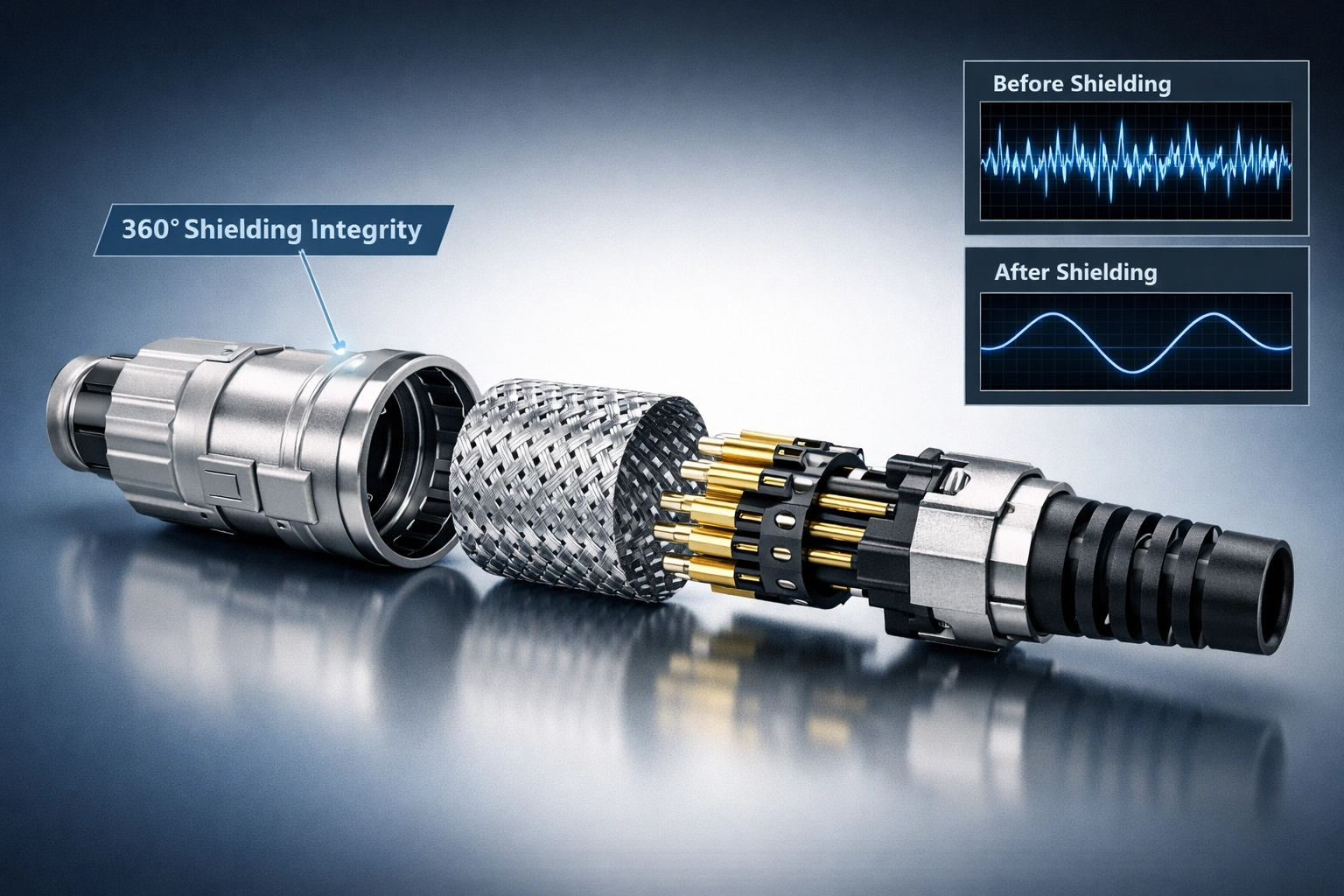
Overcoming EMI in High-Speed Automation
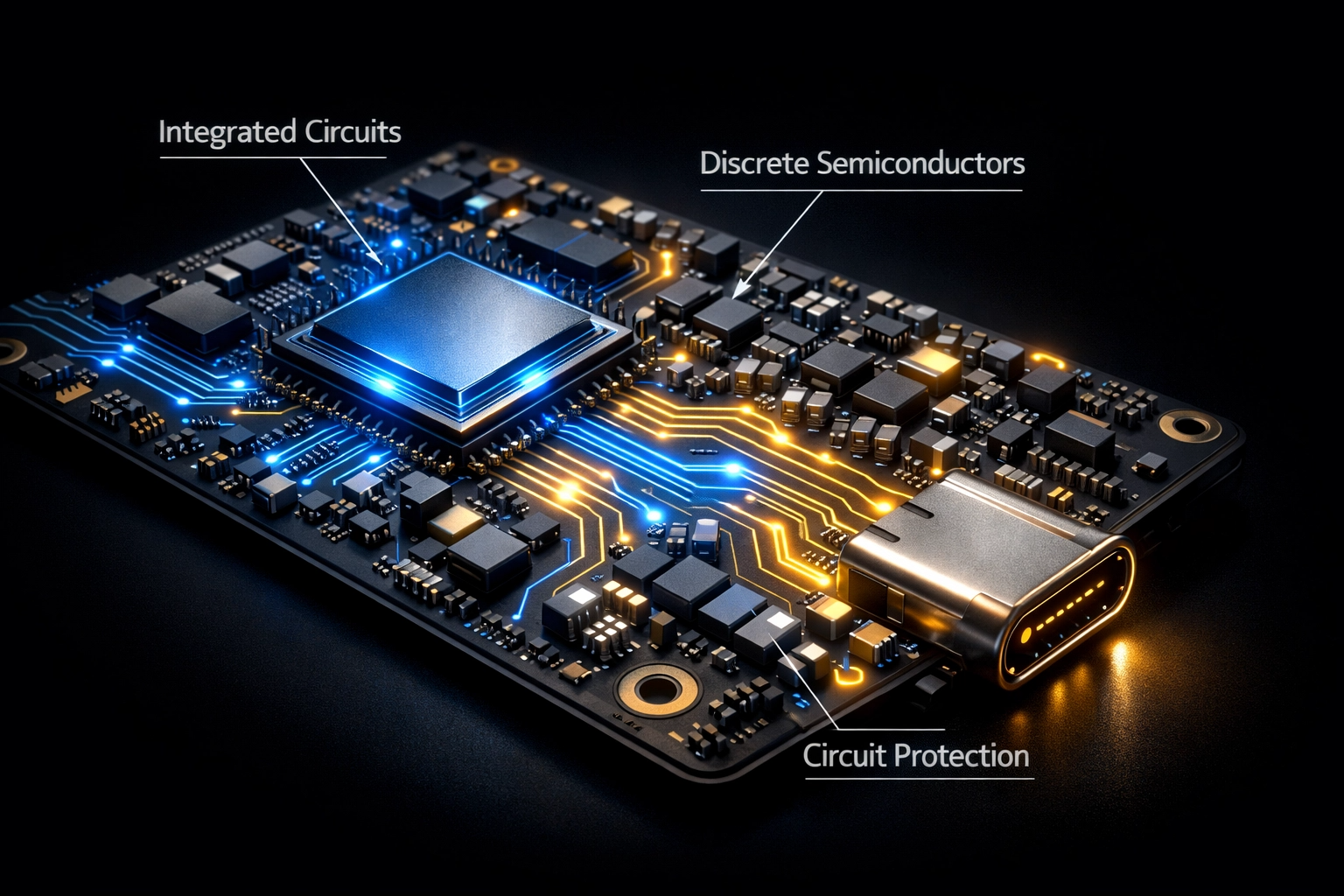
A Comprehensive Layout and Component Selection Guide
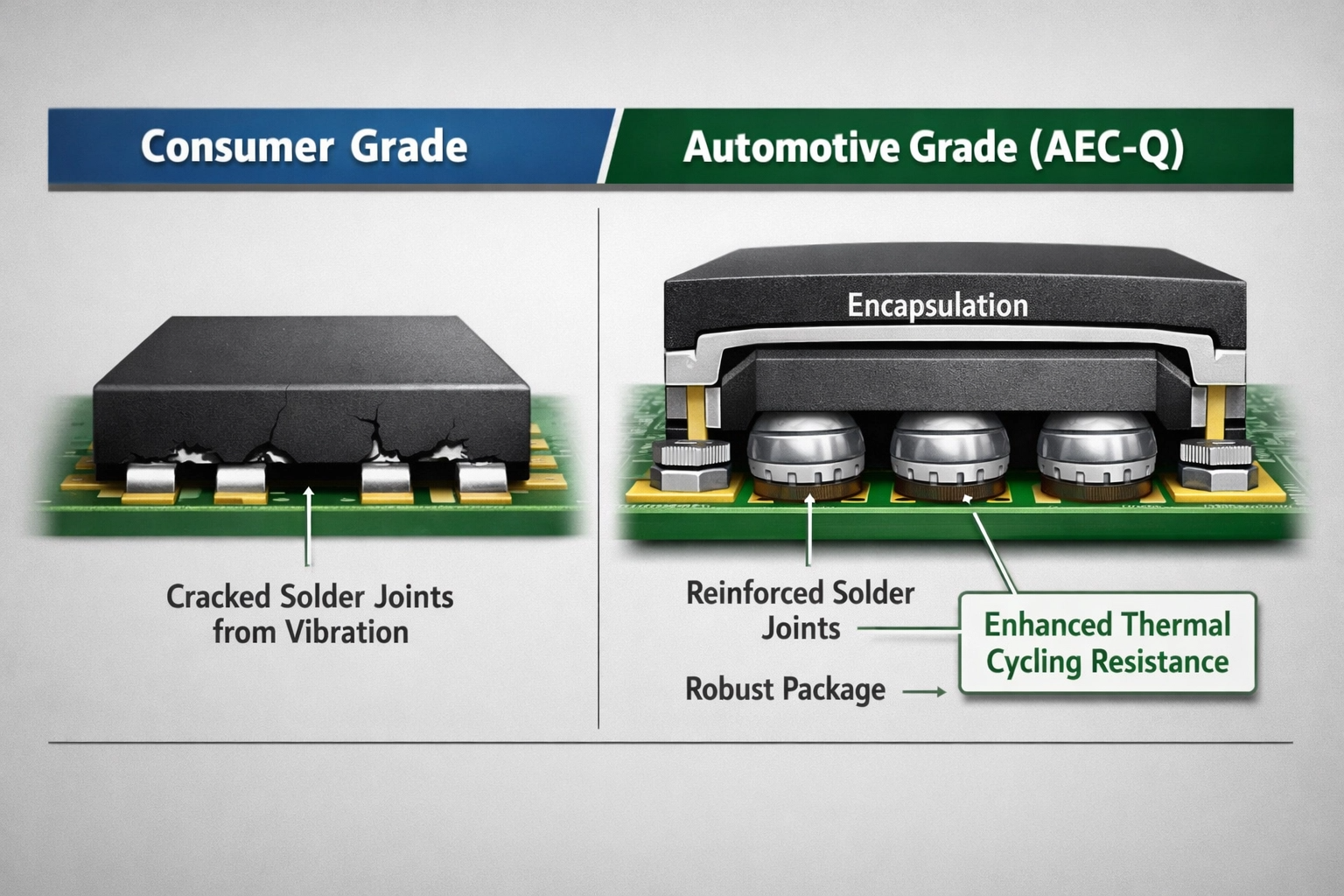
A Deep Dive into AEC-Q Standards and IATF 16949 Compliance







"Finding reliable high-voltage contactors for our EV platform was a major bottleneck until we partnered with this team. Their stock of 800V components is impressive and, more importantly, fully traceable. The packaging was professional, ensuring no static damage during transit. Truly a lifesaver for our production line."
"We were desperately searching for specific power management chips that were on a long backorder elsewhere. They managed to ship original factory parts within 48 hours, which kept our automation project on schedule. Communication was transparent and the technical data sheets provided were accurate. Highly recommend for urgent sourcing needs."
"The quality of the magnetic hydraulic circuit breakers we received exceeded our expectations for the price point. It’s clear they have a rigorous quality inspection process in place before shipping. We've integrated their parts into our latest battery storage units with zero failure rates so far. A very dependable partner for long-term supply."
"In this industry, trust is everything, especially when dealing with high-voltage fuses and relays. This company consistently provides genuine products that meet our strict safety certifications for the EU market. Their team is knowledgeable and helped us navigate the technical nuances of the components. Their export logistics to Spain are seamless."
"Managing End-of-Life (EOL) components is a constant struggle, but their database for legacy ICs is a goldmine. I was able to secure a batch of LCD driver ICs that our previous suppliers claimed were impossible to find. Every chip was tested and worked perfectly in our HMI repair prototypes. They are now my go-to for hard-to-find semiconductors."
"I appreciate how they handle smaller, specialized orders with the same urgency as bulk shipments. We needed specific pressure sensors for a fleet of diesel engines, and they arrived in the UK perfectly labeled and documented. Their attention to detail on the commercial invoice made customs clearance a breeze. Great service and even better product quality."
