 EN
EN

Can-a-thermal-circuit-breaker-improve-safety-in-commercial-power-systems, Can-a-thermal-circuit-breaker-improve-safety-in-commercial-power-systems, /news
EN
2026/07/20
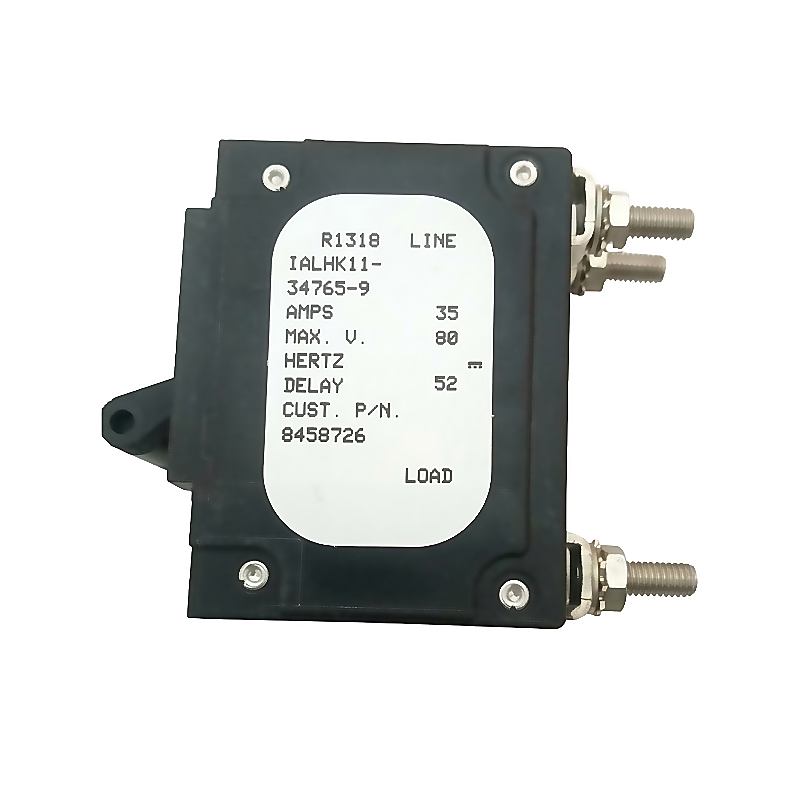
A thermal circuit breaker plays a critical role in safeguarding commercial power systems from electrical hazards and equipment damage. These protective devices detect dangerous current levels and automatically disconnect power supply before fires, explosions, or equipment failures occur. Understanding how a thermal circuit breaker enhances safety is essential for facility managers, electrical engineers, and business owners who rely on stable, protected power infrastructure.
Commercial power systems operate under intense demand, making them vulnerable to overloads, short circuits, and thermal stress. A thermal circuit breaker responds to these threats by monitoring current flow continuously and interrupting circuits that exceed safe operating parameters. This automatic response mechanism prevents cascading failures, protects valuable equipment investment, and most importantly, protects personnel from electrical shock and burn injuries.
A thermal circuit breaker uses a bimetallic strip that bends when heated by excessive current. As current flows through the strip, it generates heat proportional to the square of the current magnitude. When the current exceeds the breaker's rated capacity, the bimetallic element heats up and bends, triggering a mechanical latch that opens the circuit instantaneously. This automatic action eliminates the delay and human error associated with manual disconnection. The response time of a thermal circuit breaker varies based on how far current exceeds the trip setting, with faster disconnection occurring at higher overload levels.
Commercial power systems frequently experience temporary overloads when multiple motors start simultaneously or equipment runs beyond rated capacity. A thermal circuit breaker distinguishes between harmless inrush currents and dangerous sustained overloads through its inherent time-delay characteristic. This feature prevents nuisance tripping while still providing reliable protection. Unlike magnetic devices that respond instantly to any abnormal current, a thermal circuit breaker allows short-duration peaks to pass safely through, protecting both critical operations and preventing costly production interruptions.
Electrical fires in commercial facilities cause thousands of injuries and millions in property damage annually. A thermal circuit breaker prevents fires by stopping current flow before wiring reaches dangerous temperatures. When excessive current flows through conductors, resistance generates heat according to the formula Power equals current squared times resistance. This heat can ignite insulation, surrounding materials, and potentially create explosive environments. A properly rated thermal circuit breaker disconnects power before this temperature threshold is reached, directly preventing thermal runaway conditions that lead to fires. The device also protects transformers, switchgear, and distribution panels from thermal damage that accelerates equipment aging and failure.
Worker safety depends on electrical systems that automatically eliminate shock and arc flash hazards before injury occurs. A thermal circuit breaker protects personnel by reducing the time that dangerous fault currents can flow through bodies or create lethal arc flash conditions. Commercial facilities must comply with electrical safety standards that mandate appropriate circuit protection. A thermal circuit breaker meets these regulatory requirements when properly selected and installed. The device also coordinates with other protective systems to ensure that the closest device to a fault opens first, limiting fault duration and protecting downstream equipment and personnel. This coordination is essential in complex commercial power networks where multiple protection layers must work together seamlessly.
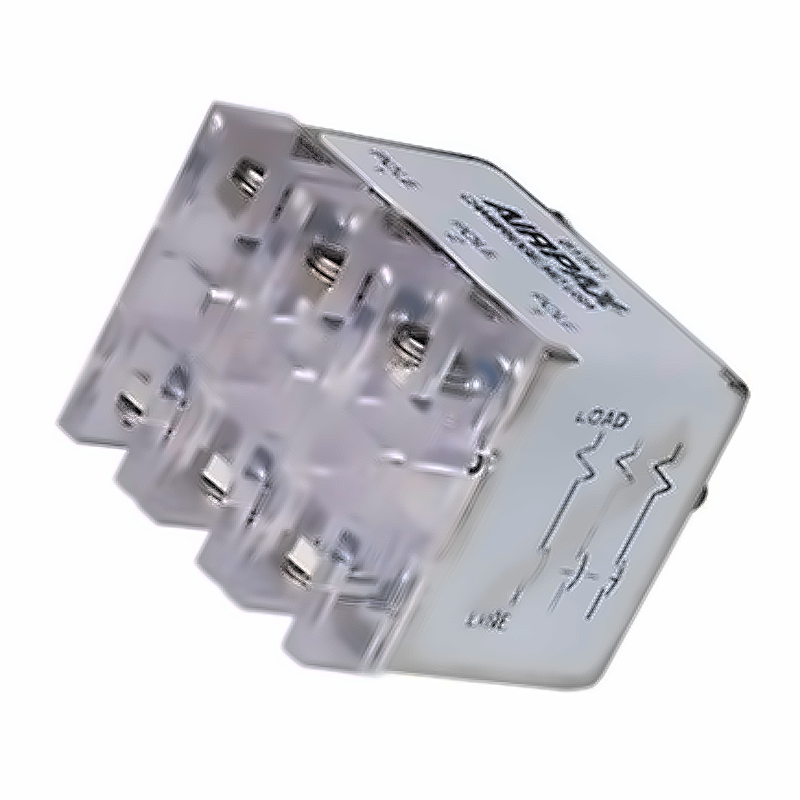
Choosing the correct thermal circuit breaker requires matching the trip setting to system characteristics and load profiles. A thermal circuit breaker must be rated for the maximum continuous current that the circuit will safely handle while also responding quickly to dangerous overloads. Oversized breakers leave equipment unprotected, while undersized breakers cause nuisance tripping. The thermal class of the breaker determines how quickly it responds to different overload magnitudes. Class A breakers provide fast protection, while Class B and C breakers tolerate higher inrush currents common in industrial equipment. Facility engineers must analyze motor starting currents, transformer inrush, and power quality issues when selecting a thermal circuit breaker appropriate for each circuit. Professional electrical design ensures that the thermal circuit breaker provides optimal protection without operational disruption.
A thermal circuit breaker offers exceptional reliability because it contains no electronic components that can fail or require calibration. The bimetallic element functions reliably for decades when not subjected to extreme environmental conditions. The mechanical design of a thermal circuit breaker enables thousands of switching cycles before wear becomes noticeable. Regular testing verifies that the thermal circuit breaker operates within specifications and trips at the correct current levels. Periodic infrared thermography can detect overheating patterns that indicate pending failures or connection problems. Unlike electronic breakers that may become obsolete or require software updates, a thermal circuit breaker provides consistent, predictable performance throughout its operational life. This reliability makes the thermal circuit breaker an economical choice for long-term commercial power protection.
A thermal circuit breaker alone responds more slowly to short circuits than magnetic devices because the bimetallic element requires time to heat. In commercial applications, a thermal circuit breaker is typically combined with magnetic elements in a dual-function unit that provides instantaneous short-circuit protection through the magnetic component while the thermal element handles overload protection. This combination architecture ensures fast response to faults while maintaining the overload discrimination that prevents nuisance tripping.
A thermal circuit breaker typically operates reliably for fifteen to twenty years under normal commercial conditions, though some devices function for thirty years or longer. The lifespan depends on environmental factors such as ambient temperature, humidity, and dust exposure. Regular maintenance and testing can extend the effective service life of a thermal circuit breaker. When a thermal circuit breaker reaches end of life, replacement costs are typically lower than upgrading to smart electronic alternatives, making continued use economical.
Yes, a thermal circuit breaker must be coordinated with other protective devices to ensure selective tripping during faults. Coordination means that the protective device closest to a fault opens first while upstream devices remain closed, preserving power to unaffected circuits. Engineers design protection schemes where the thermal circuit breaker settings create a cascading response that minimizes the scope of blackouts when faults occur. Proper coordination requires detailed analysis of fault currents, device characteristics, and system architecture to ensure that a thermal circuit breaker on feeder circuits opens before main breakers during downstream faults.
The electronic components market is constantly evolving. From global supply chain updates to the latest semiconductor technology trends, our blog provides the professional perspective you need to stay informed and competitive.
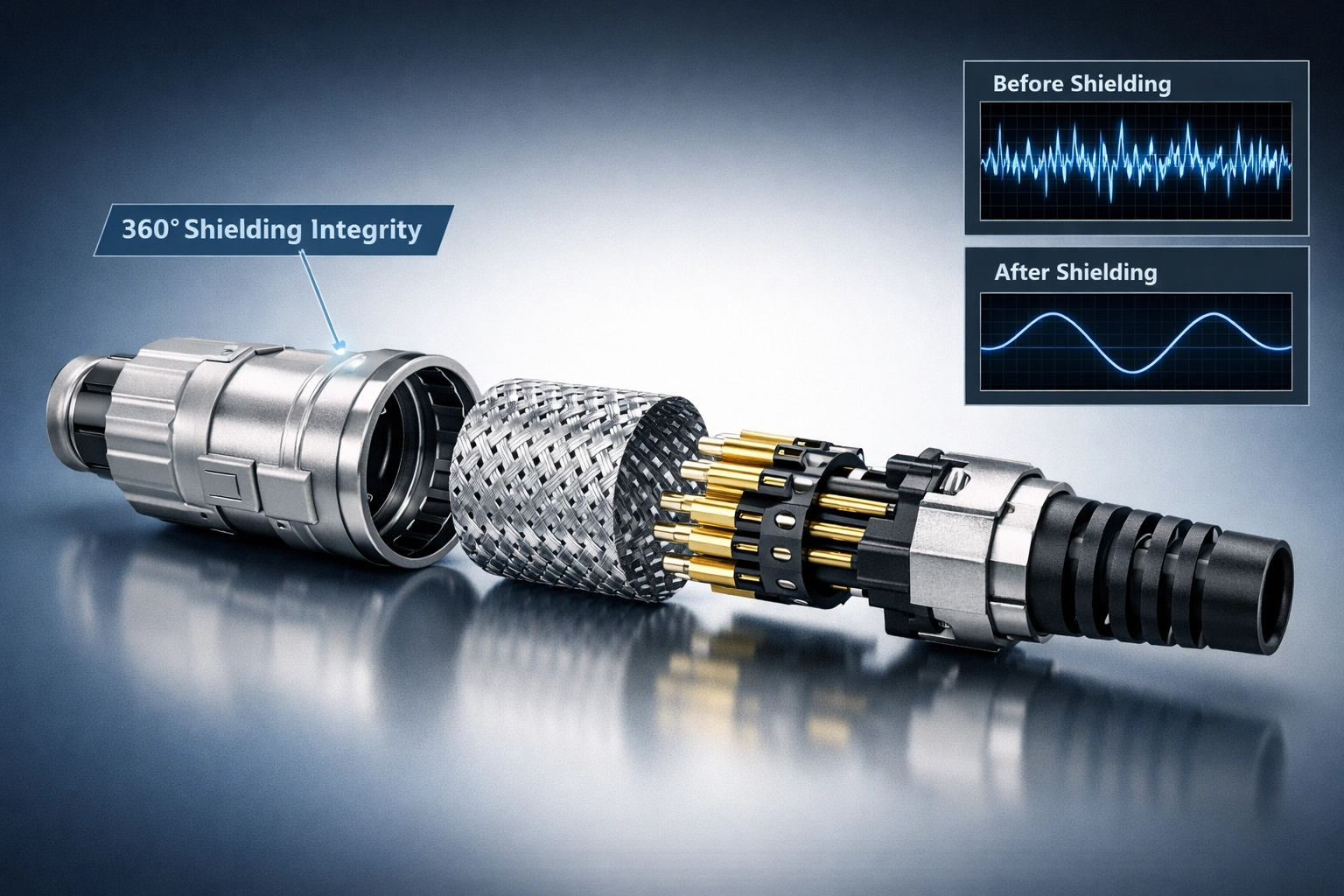
Overcoming EMI in High-Speed Automation
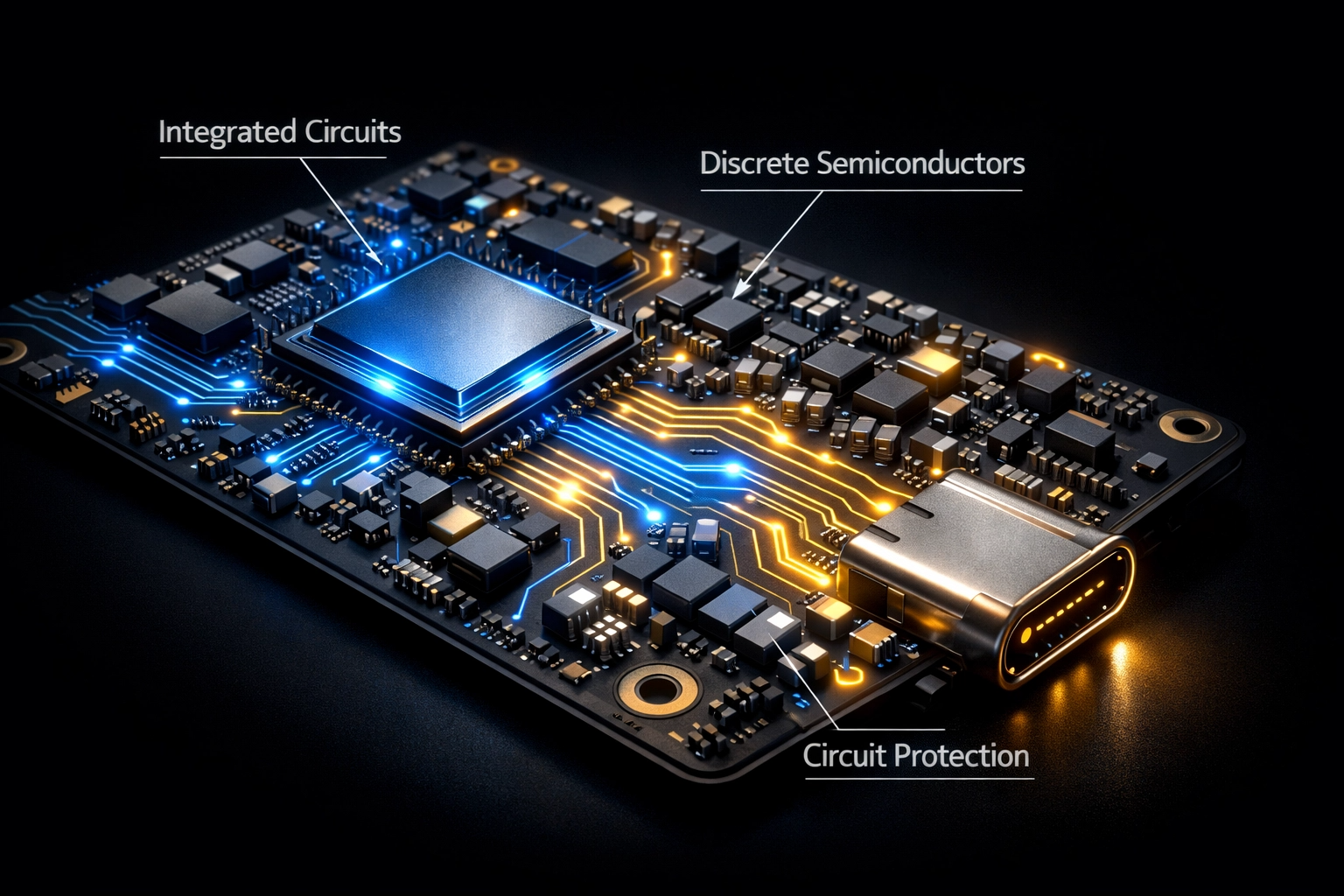
A Comprehensive Layout and Component Selection Guide
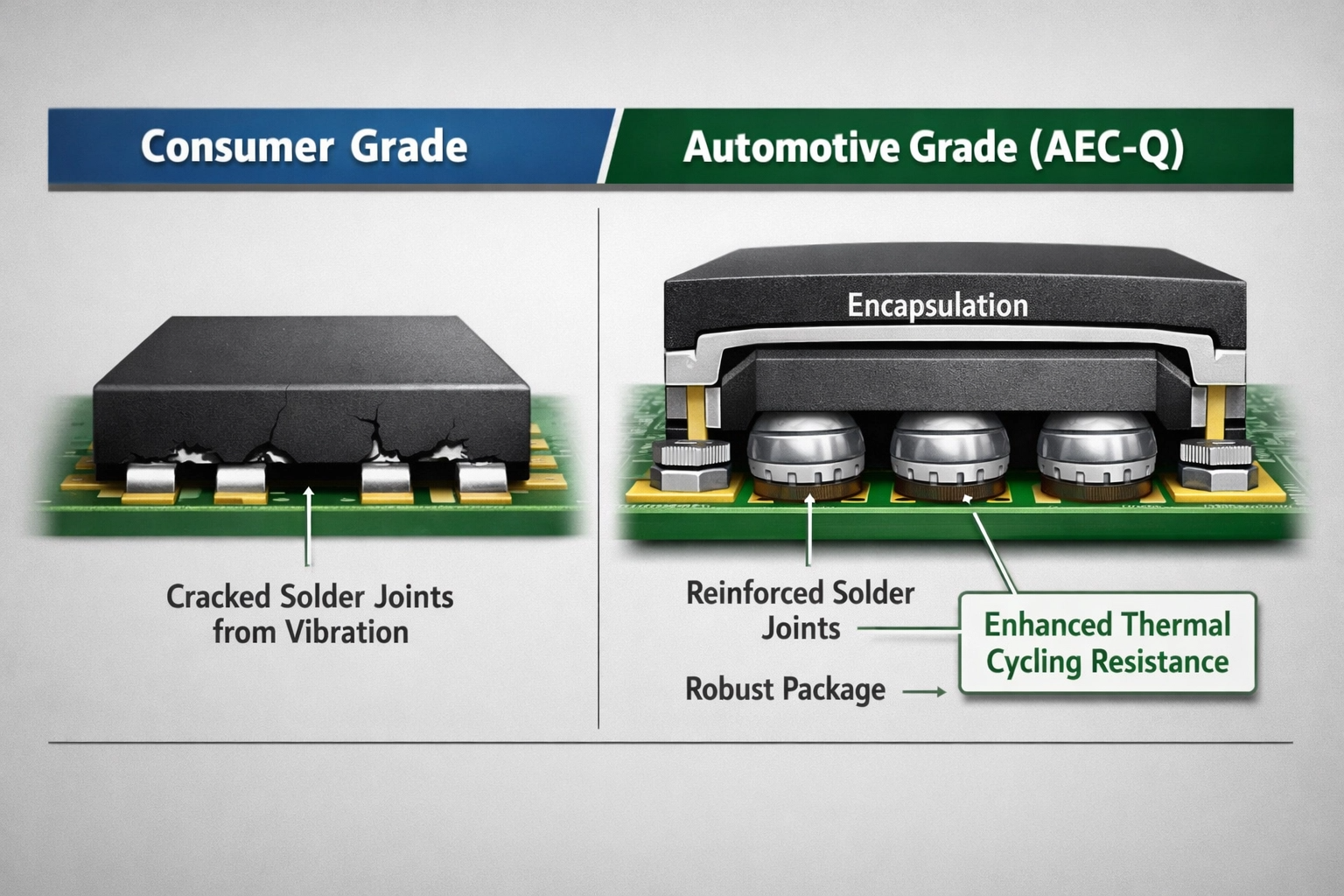
A Deep Dive into AEC-Q Standards and IATF 16949 Compliance






"Finding reliable high-voltage contactors for our EV platform was a major bottleneck until we partnered with this team. Their stock of 800V components is impressive and, more importantly, fully traceable. The packaging was professional, ensuring no static damage during transit. Truly a lifesaver for our production line."
"We were desperately searching for specific power management chips that were on a long backorder elsewhere. They managed to ship original factory parts within 48 hours, which kept our automation project on schedule. Communication was transparent and the technical data sheets provided were accurate. Highly recommend for urgent sourcing needs."
"The quality of the magnetic hydraulic circuit breakers we received exceeded our expectations for the price point. It’s clear they have a rigorous quality inspection process in place before shipping. We've integrated their parts into our latest battery storage units with zero failure rates so far. A very dependable partner for long-term supply."
"In this industry, trust is everything, especially when dealing with high-voltage fuses and relays. This company consistently provides genuine products that meet our strict safety certifications for the EU market. Their team is knowledgeable and helped us navigate the technical nuances of the components. Their export logistics to Spain are seamless."
"Managing End-of-Life (EOL) components is a constant struggle, but their database for legacy ICs is a goldmine. I was able to secure a batch of LCD driver ICs that our previous suppliers claimed were impossible to find. Every chip was tested and worked perfectly in our HMI repair prototypes. They are now my go-to for hard-to-find semiconductors."
"I appreciate how they handle smaller, specialized orders with the same urgency as bulk shipments. We needed specific pressure sensors for a fleet of diesel engines, and they arrived in the UK perfectly labeled and documented. Their attention to detail on the commercial invoice made customs clearance a breeze. Great service and even better product quality."
