 EN
EN

Can-nand-flash-support-industrial-automation-and-automotive-applications, Can-nand-flash-support-industrial-automation-and-automotive-applications, /news
EN
2026/06/01
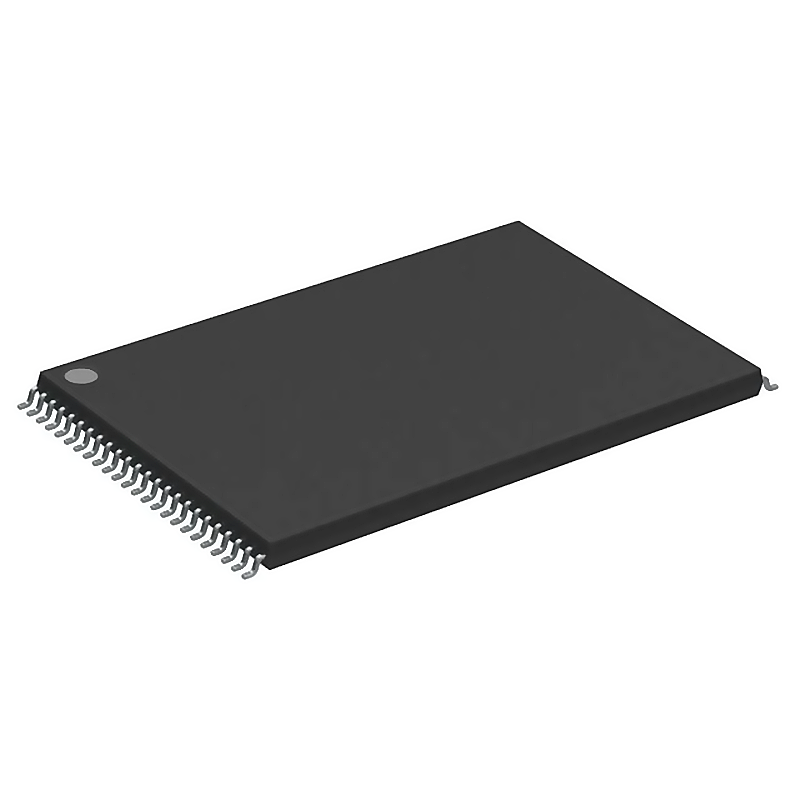
NAND flash has become one of the most widely discussed storage technologies in modern electronics, and for good reason. As industrial automation systems and automotive platforms demand faster, more reliable, and more compact data storage, NAND flash has emerged as a central candidate for meeting those needs. Understanding whether NAND flash can truly support these demanding environments requires a close look at its technical capabilities, its limitations, and the design strategies that make it viable in harsh operating conditions.
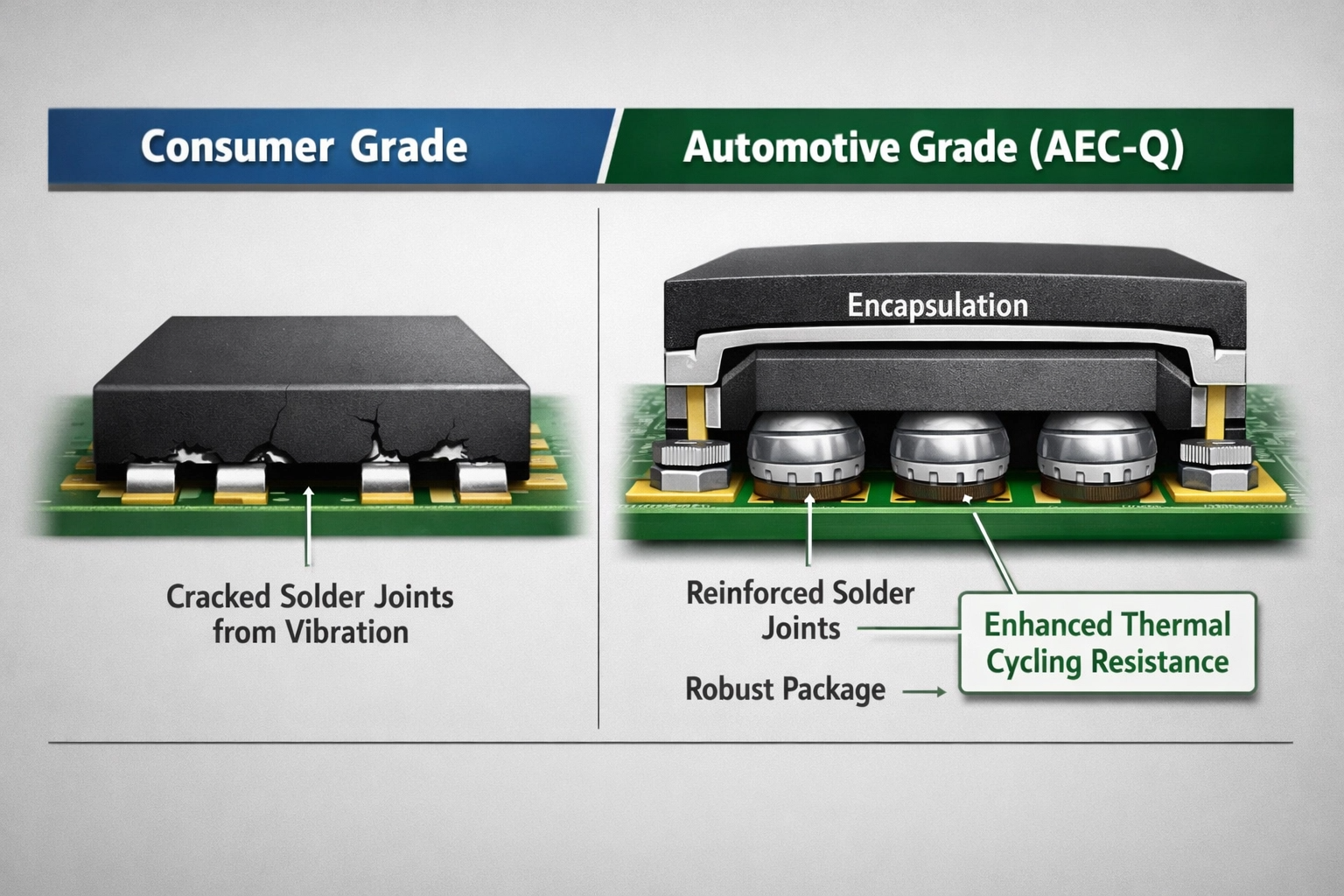
The short answer is yes — NAND flash can support industrial automation and automotive applications, but not without careful selection and system-level design. Standard consumer-grade NAND flash is not engineered to withstand the temperature extremes, vibration, power instability, and long service life that industrial and automotive environments routinely impose. Industrial-grade and automotive-grade NAND flash products, however, are specifically qualified to address these challenges. This article explores what makes NAND flash suitable for these sectors and what engineers must consider when choosing the right NAND flash solution.
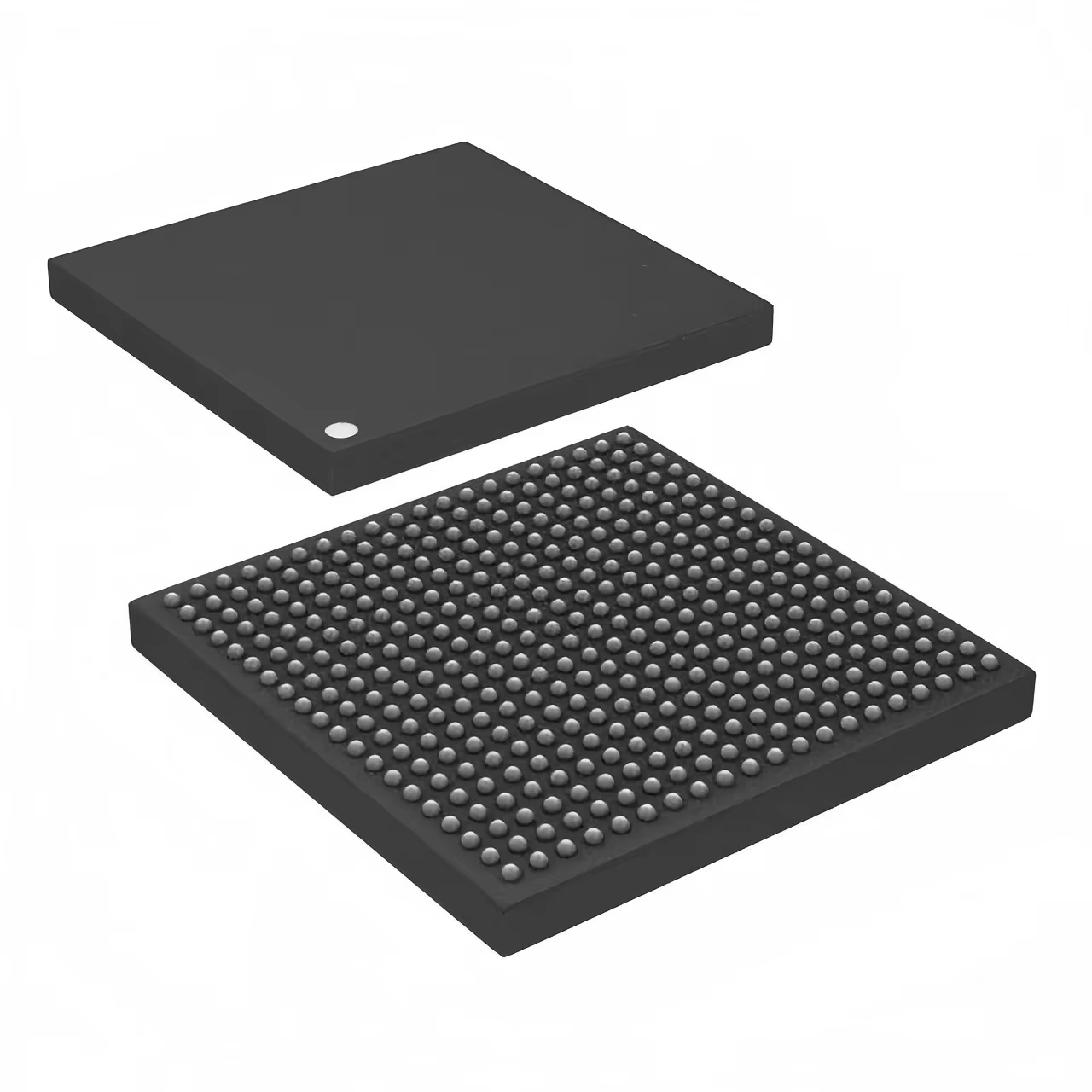
NAND flash is a type of non-volatile memory that retains data without power, making it fundamentally useful for embedded systems that require persistent storage. Unlike DRAM, NAND flash does not lose its contents when power is removed. Unlike traditional hard drives, NAND flash has no moving parts, which makes it far more resistant to shock and vibration. These properties immediately position NAND flash as a strong contender for industrial automation and automotive deployments, where mechanical reliability and data persistence are non-negotiable requirements.
NAND flash stores data in memory cells arranged in arrays, and each cell can hold one bit (SLC), two bits (MLC), or more bits (TLC, QLC). For industrial automation and automotive applications, SLC NAND flash is often preferred because it offers significantly higher endurance, faster write speeds, and better data retention at elevated temperatures. MLC NAND flash can also be used in less demanding industrial scenarios, provided the controller and firmware are tuned appropriately. The choice of NAND flash cell type is therefore one of the first decisions engineers must make when targeting these markets.
Industrial-grade NAND flash is typically rated for operation across a temperature range of minus 40 degrees Celsius to plus 85 degrees Celsius, while automotive-grade NAND flash often extends to plus 105 or even plus 125 degrees Celsius. This thermal tolerance is critical because NAND flash deployed in engine control units, battery management systems, or factory floor automation equipment will regularly encounter temperature extremes that would degrade or destroy standard consumer NAND flash. Selecting the correct NAND flash grade is therefore not just a performance decision but a long-term reliability decision.
Automotive applications for NAND flash span a wide range of systems. NAND flash is used in advanced driver assistance systems (ADAS), infotainment platforms, instrument clusters, telematics units, and over-the-air (OTA) firmware update modules. In each of these use cases, NAND flash must deliver consistent read and write performance while tolerating the unique stresses of automotive environments, including voltage spikes, electromagnetic interference, and rapid temperature cycling. Automotive-qualified NAND flash products are tested and certified to AEC-Q100 standards, which ensures they meet the stringent quality and reliability requirements of the automotive supply chain.
Power loss protection is another area where NAND flash design matters greatly in automotive contexts. Sudden power interruptions — caused by ignition cycling or electrical faults — can corrupt data stored in NAND flash if the device lacks proper power-fail protection mechanisms. Automotive-grade NAND flash solutions are typically paired with controllers that include power-loss protection logic, ensuring data integrity even when the vehicle's electrical system experiences unexpected shutdowns. This makes NAND flash a reliable choice for safety-critical automotive data storage when the right components and architecture are used.
Automotive systems often remain in service for ten years or more, placing strict endurance demands on every component including NAND flash. NAND flash endurance is measured in program-erase (P/E) cycles, and SLC NAND flash can typically sustain 100,000 or more P/E cycles, making it well-suited for write-intensive automotive logging and control applications. MLC-based NAND flash with advanced wear-leveling algorithms can also meet automotive endurance targets in read-heavy use cases. Data retention — the ability of NAND flash to maintain stored data over years without power — is equally important, and automotive-grade NAND flash is validated for retention periods that match or exceed vehicle service life expectations.
In industrial automation, NAND flash frequently works alongside programmable logic devices, microcontrollers, and FPGAs to store firmware, configuration data, and operational logs. NAND flash serves as the persistent memory layer in programmable logic controllers (PLCs), human-machine interfaces (HMIs), and edge computing nodes. The ability of NAND flash to be written and erased in-system allows for firmware updates, parameter adjustments, and fault logging without removing the device from the equipment. This in-system programmability makes NAND flash an extremely practical storage medium in complex industrial automation architectures.
The combination of NAND flash with FPGAs and industrial-grade logic ICs allows engineers to build highly flexible and scalable automation platforms. For example, an FPGA can execute real-time control logic while NAND flash stores the configuration bitstream and application data. This pairing is common in robotics, CNC machinery, and process control systems, where performance, adaptability, and long-term reliability all matter. Industrial NAND flash components that meet extended temperature and reliability specifications are essential in these designs, and sourcing them from qualified suppliers ensures that the finished system meets the expected service life.
Industrial NAND flash is subject to rigorous qualification processes that include extended temperature testing, humidity exposure, vibration and shock testing, and accelerated life testing. Compliance with standards such as IEC 61508 for functional safety or ISO 26262 for automotive safety adds another dimension of assurance for engineers designing safety-critical systems. When evaluating NAND flash for industrial automation, engineers should verify the component's qualification documentation, operating lifetime ratings, and compatibility with the target system's controller interface, whether that interface is SPI, parallel NAND, or eMMC. Proper NAND flash qualification eliminates a significant source of field failure risk in industrial deployments.
Consumer-grade NAND flash is designed for moderate temperature ranges and limited endurance cycles suited to personal electronics. Industrial-grade NAND flash is built to operate reliably across wider temperature ranges, higher P/E cycle counts, and harsher environmental conditions. Industrial NAND flash also typically undergoes more rigorous qualification testing than consumer variants.
Yes, automotive-grade NAND flash certified to AEC-Q100 can be used in safety-critical systems when paired with appropriate error correction, power-loss protection, and system-level safety design. Engineers must verify that the selected NAND flash meets the functional safety requirements defined for the specific application, including relevant ISO 26262 ASIL levels.
NAND flash endurance, measured in P/E cycles, directly impacts how long the storage component will last under the system's expected write workload. Engineers must calculate the estimated write volume over the product's service life and select a NAND flash type — SLC, MLC, or TLC — whose endurance rating exceeds that workload. Wear-leveling algorithms implemented in the NAND flash controller help distribute writes evenly and extend the usable lifetime of the NAND flash device.
The electronic components market is constantly evolving. From global supply chain updates to the latest semiconductor technology trends, our blog provides the professional perspective you need to stay informed and competitive.
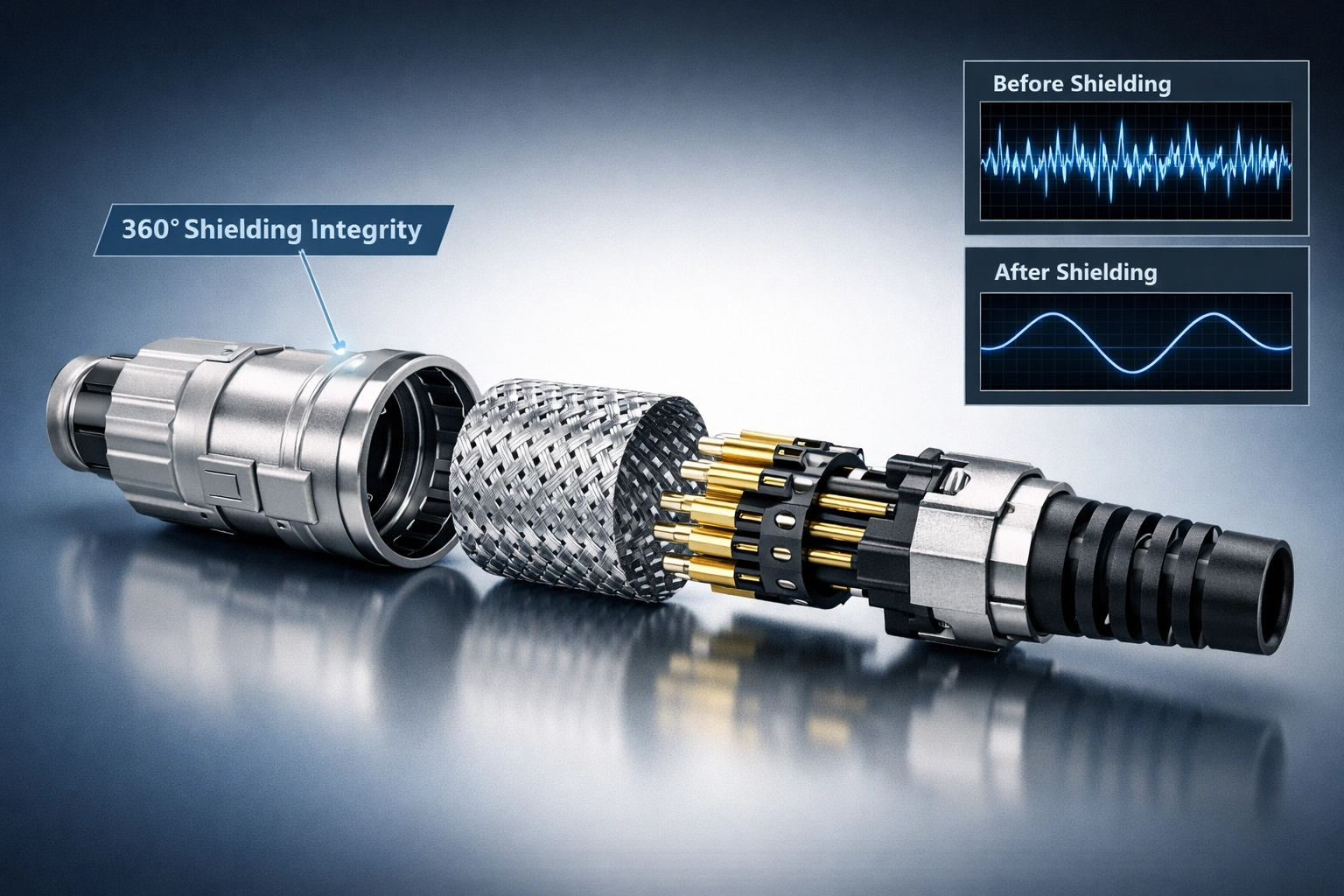
Overcoming EMI in High-Speed Automation
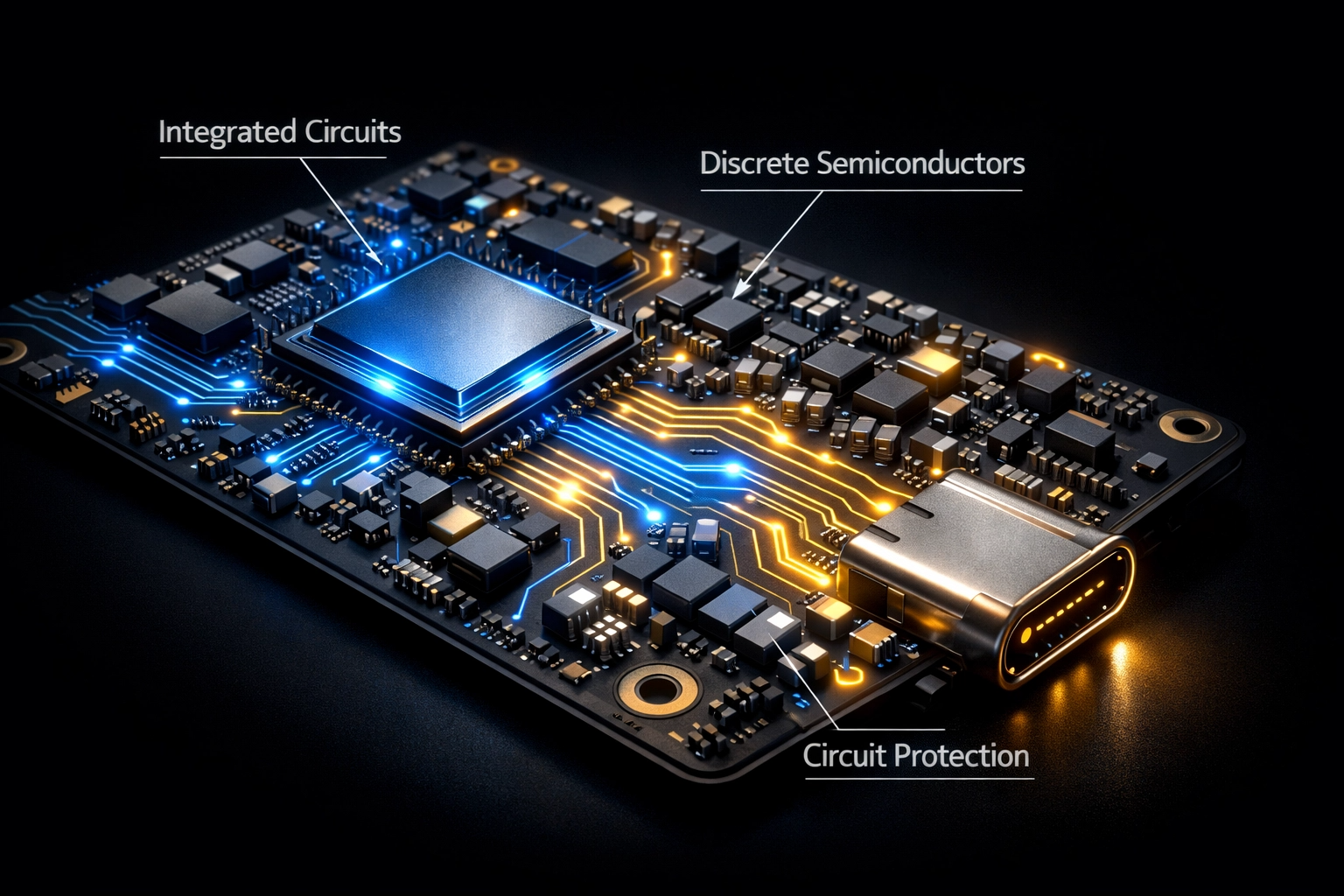
A Comprehensive Layout and Component Selection Guide
A Deep Dive into AEC-Q Standards and IATF 16949 Compliance






"Finding reliable high-voltage contactors for our EV platform was a major bottleneck until we partnered with this team. Their stock of 800V components is impressive and, more importantly, fully traceable. The packaging was professional, ensuring no static damage during transit. Truly a lifesaver for our production line."
"We were desperately searching for specific power management chips that were on a long backorder elsewhere. They managed to ship original factory parts within 48 hours, which kept our automation project on schedule. Communication was transparent and the technical data sheets provided were accurate. Highly recommend for urgent sourcing needs."
"The quality of the magnetic hydraulic circuit breakers we received exceeded our expectations for the price point. It’s clear they have a rigorous quality inspection process in place before shipping. We've integrated their parts into our latest battery storage units with zero failure rates so far. A very dependable partner for long-term supply."
"In this industry, trust is everything, especially when dealing with high-voltage fuses and relays. This company consistently provides genuine products that meet our strict safety certifications for the EU market. Their team is knowledgeable and helped us navigate the technical nuances of the components. Their export logistics to Spain are seamless."
"Managing End-of-Life (EOL) components is a constant struggle, but their database for legacy ICs is a goldmine. I was able to secure a batch of LCD driver ICs that our previous suppliers claimed were impossible to find. Every chip was tested and worked perfectly in our HMI repair prototypes. They are now my go-to for hard-to-find semiconductors."
"I appreciate how they handle smaller, specialized orders with the same urgency as bulk shipments. We needed specific pressure sensors for a fleet of diesel engines, and they arrived in the UK perfectly labeled and documented. Their attention to detail on the commercial invoice made customs clearance a breeze. Great service and even better product quality."
