 EN
EN

How-does-a-high-voltage-contactor-handle-demanding-electrical-switching-tasks, How-does-a-high-voltage-contactor-handle-demanding-electrical-switching-tasks, /news
EN
2026/05/26
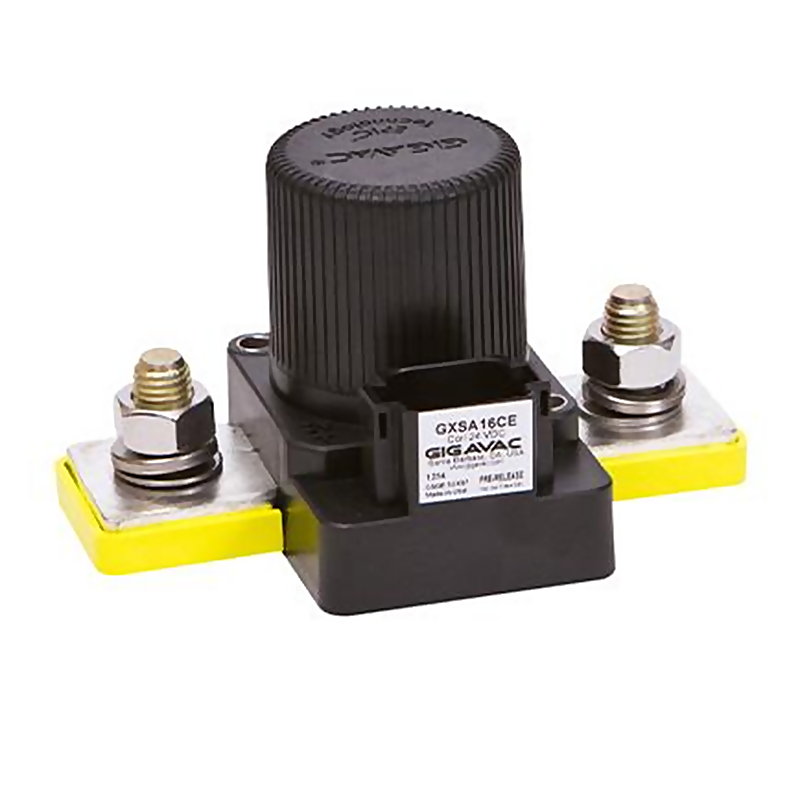
A high voltage contactor is one of the most critical switching components in modern electrical systems. Whether installed in an electric vehicle, an energy storage system, or industrial power equipment, the high voltage contactor must reliably open and close high-current circuits under challenging operating conditions. Understanding how this device handles demanding switching tasks helps engineers and procurement teams make smarter design decisions.
The high voltage contactor is fundamentally different from a standard relay or low-voltage switch. It is engineered to manage voltages that can exceed 400V DC and carry currents of several hundred amperes. Each time a high voltage contactor switches a circuit, it must suppress dangerous electrical arcs, maintain structural integrity, and ensure no unintended continuity occurs. This article explains exactly how a high voltage contactor accomplishes these demanding tasks.
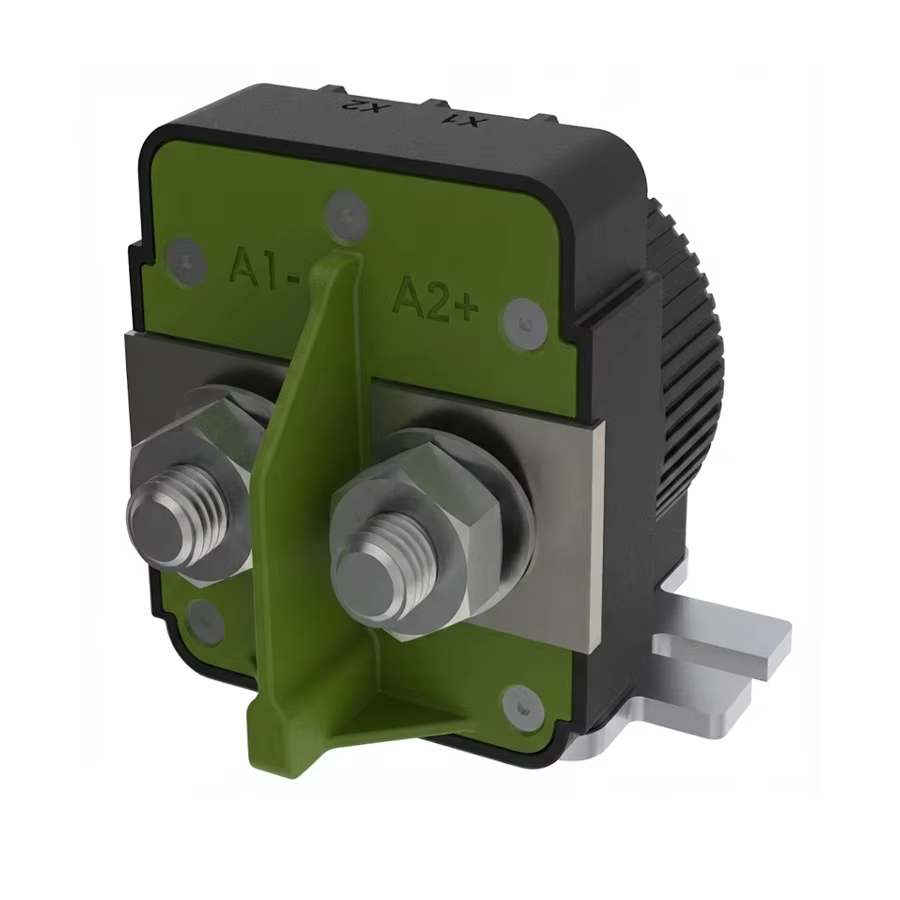
The high voltage contactor relies on electromagnetic actuation to move its internal contacts. When a control signal energizes the coil inside the high voltage contactor, the coil generates a magnetic field that drives a plunger or armature. This mechanical movement pushes the main contacts from their open position to a closed position, completing the high-power circuit. The entire switching action of the high voltage contactor must be fast and decisive to minimize arc duration and energy loss.
When the coil of the high voltage contactor is de-energized, a return spring forces the contacts back to the open position. The high voltage contactor must hold the contacts firmly in both states. In the closed state, contact pressure must be high enough to reduce resistance and prevent overheating. In the open state, the high voltage contactor must ensure complete electrical isolation so that no leakage current compromises safety or system performance.
The contact material inside a high voltage contactor directly determines how well it handles high current loads. Silver-based alloys are commonly used because they offer low resistance, excellent thermal conductivity, and strong resistance to arc erosion. A high voltage contactor rated at 400A must sustain that current without excessive contact wear or thermal degradation. The physical size and surface area of the contacts in the high voltage contactor are engineered to distribute heat effectively across the switching interface.
Every time a high voltage contactor interrupts a high-current DC circuit, an electrical arc forms between the separating contacts. DC arcs are particularly dangerous because, unlike AC arcs, they do not pass through a natural zero-crossing point. A high voltage contactor must actively extinguish these arcs to prevent contact erosion, insulation damage, and potential fire hazards. Effective arc suppression is what separates a true high voltage contactor from lower-grade switching devices.
The high voltage contactor manages arc energy through a combination of contact gap distance, arc chute geometry, and internal atmosphere control. By increasing the contact separation distance rapidly, the high voltage contactor stretches the arc until it becomes unsustainable. The internal structure of the high voltage contactor guides the arc away from critical components, cooling and extinguishing it within microseconds of contact separation.
Many advanced high voltage contactor designs use hermetic sealing and a controlled internal atmosphere to enhance arc suppression. When a high voltage contactor is hermetically sealed, its internal chamber is filled with hydrogen gas or a similar arc-quenching medium. Hydrogen has exceptional thermal conductivity and rapidly absorbs the energy released during arcing. A hermetically sealed high voltage contactor maintains this protective atmosphere throughout its service life, preventing moisture ingress and oxidation that would degrade switching performance.
The hermetic design of a high voltage contactor also protects against contamination from dust, chemicals, and humidity found in harsh operating environments. For electric vehicles and energy storage systems, where the high voltage contactor is exposed to vibration, temperature cycling, and condensation, hermetic sealing is not optional — it is essential for long-term reliability and safety compliance.
In electric vehicles, the high voltage contactor connects and disconnects the battery pack from the drive system and charging circuits. During normal operation, the high voltage contactor must switch hundreds of times across the vehicle's lifetime without degradation. During fault conditions, the high voltage contactor must respond within milliseconds to protect the battery and power electronics from catastrophic overcurrent events. The high voltage contactor in an EV application must also handle pre-charge sequences to limit inrush current that could damage sensitive inverter components.
Energy storage systems present similar demands. The high voltage contactor in a battery energy storage system controls the connection between storage modules and grid-tied inverters. These systems may cycle the high voltage contactor many times daily as power demand fluctuates. Each cycle places mechanical and thermal stress on the high voltage contactor, making durability and cycle life key selection criteria for system designers.
A high voltage contactor designed for demanding applications must meet strict mechanical endurance ratings. Manufacturers test the high voltage contactor through hundreds of thousands of switching cycles to confirm that contacts, springs, and housings retain their dimensional and electrical properties. Vibration resistance is equally important — the high voltage contactor must not chatter or fail when mounted in environments with continuous mechanical vibration, such as vehicle chassis or industrial machinery. Thermal performance of the high voltage contactor must also remain stable across wide temperature ranges, from cold-start conditions to sustained high-load operation.
A high voltage contactor is purpose-built for switching high voltages and currents, often exceeding 400V DC and hundreds of amperes. A standard relay handles much lower loads and cannot effectively suppress the arcs generated in high-power circuits. The high voltage contactor uses robust contact materials, arc suppression chambers, and hermetic sealing that standard relays do not include.
A quality high voltage contactor is typically rated for one million or more mechanical cycles and hundreds of thousands of electrical switching cycles under rated load. In EV applications, this translates to many years of normal operation. However, the actual lifespan of a high voltage contactor depends on operating voltage, current load, switching frequency, and environmental conditions.
Yes. A high voltage contactor with a suitable current rating and bidirectional design can manage both charging and discharging circuits in energy storage systems. The high voltage contactor must be selected with the correct voltage class, current capacity, and arc suppression rating to safely handle bidirectional power flow without premature wear or failure.
The electronic components market is constantly evolving. From global supply chain updates to the latest semiconductor technology trends, our blog provides the professional perspective you need to stay informed and competitive.
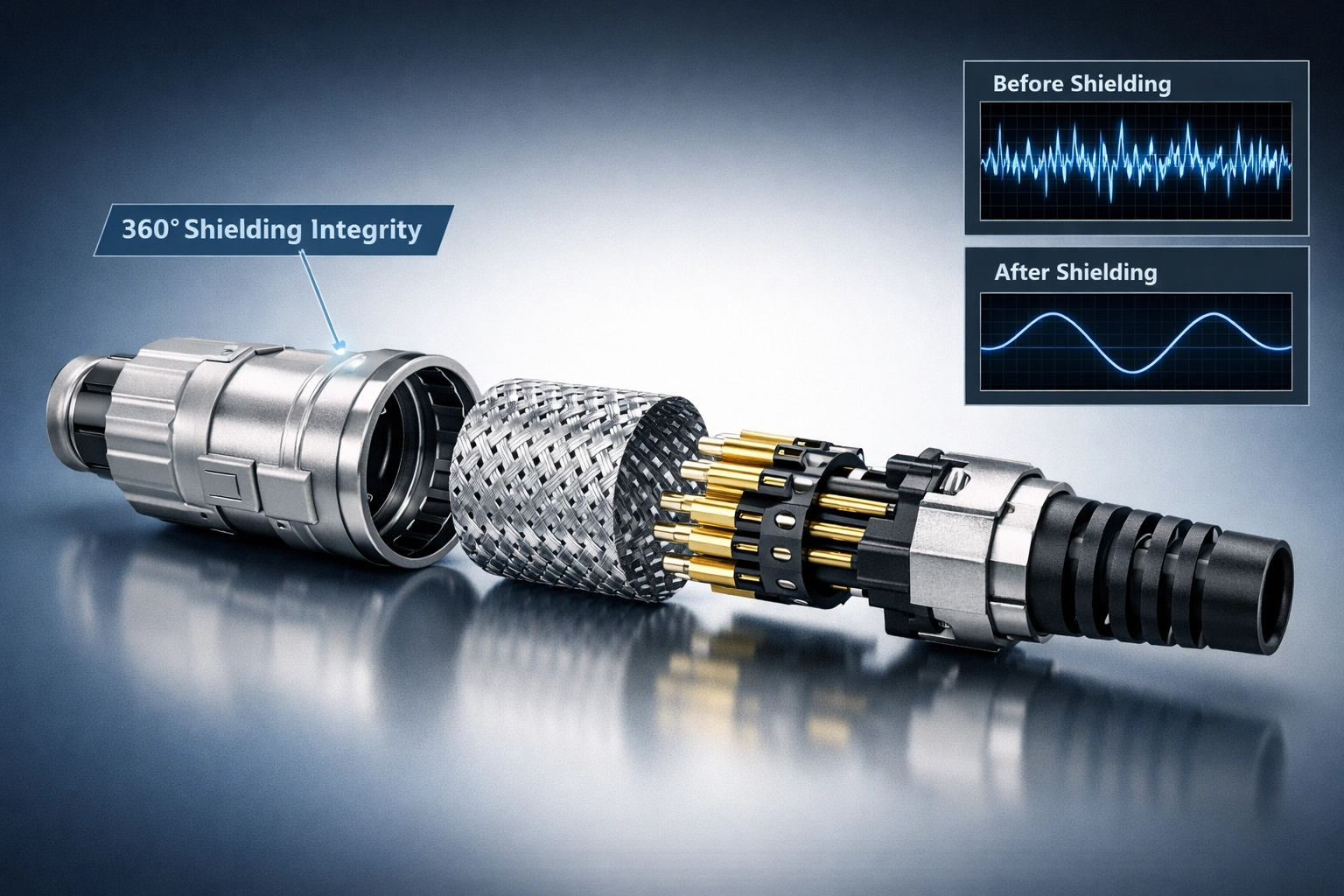
Overcoming EMI in High-Speed Automation
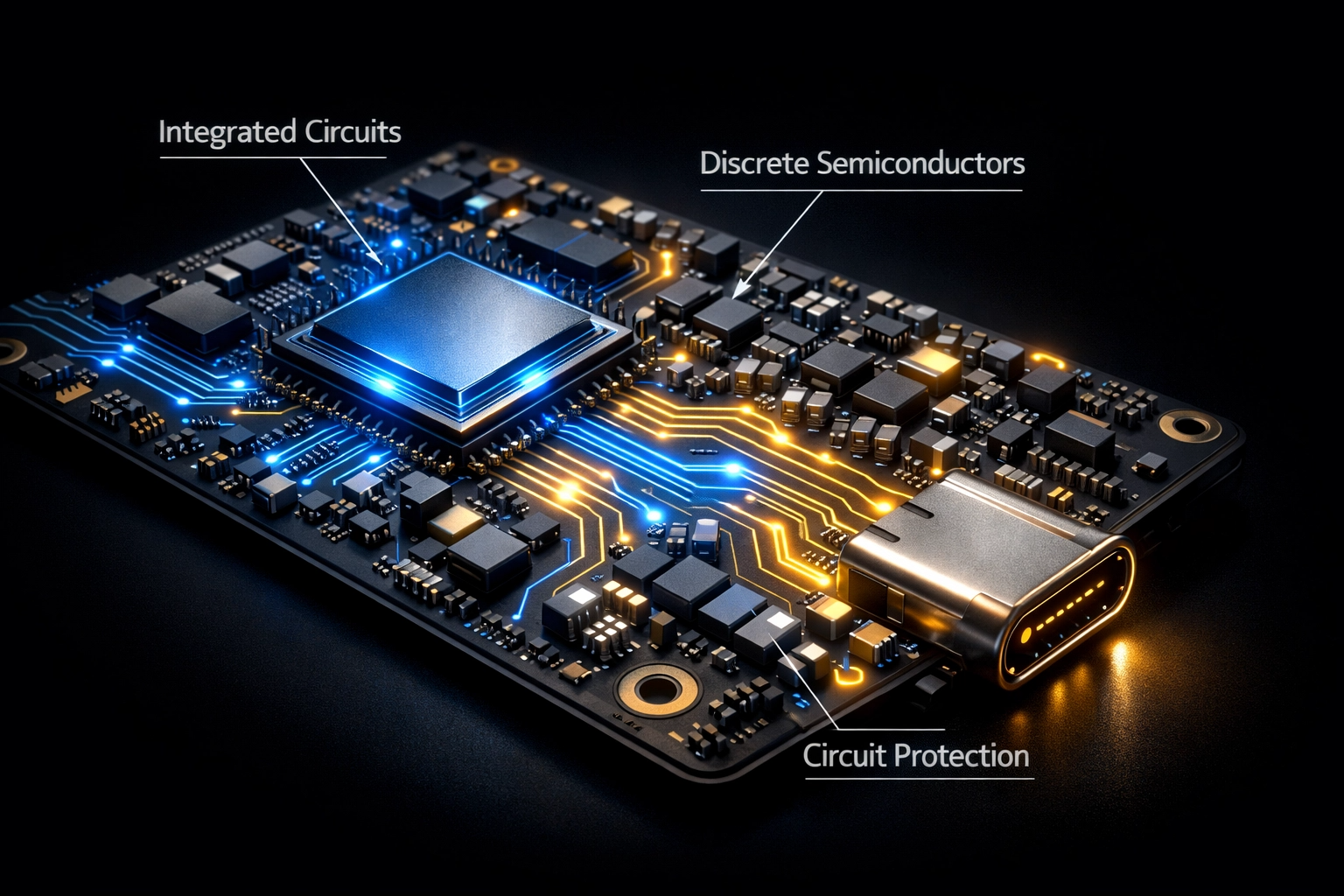
A Comprehensive Layout and Component Selection Guide
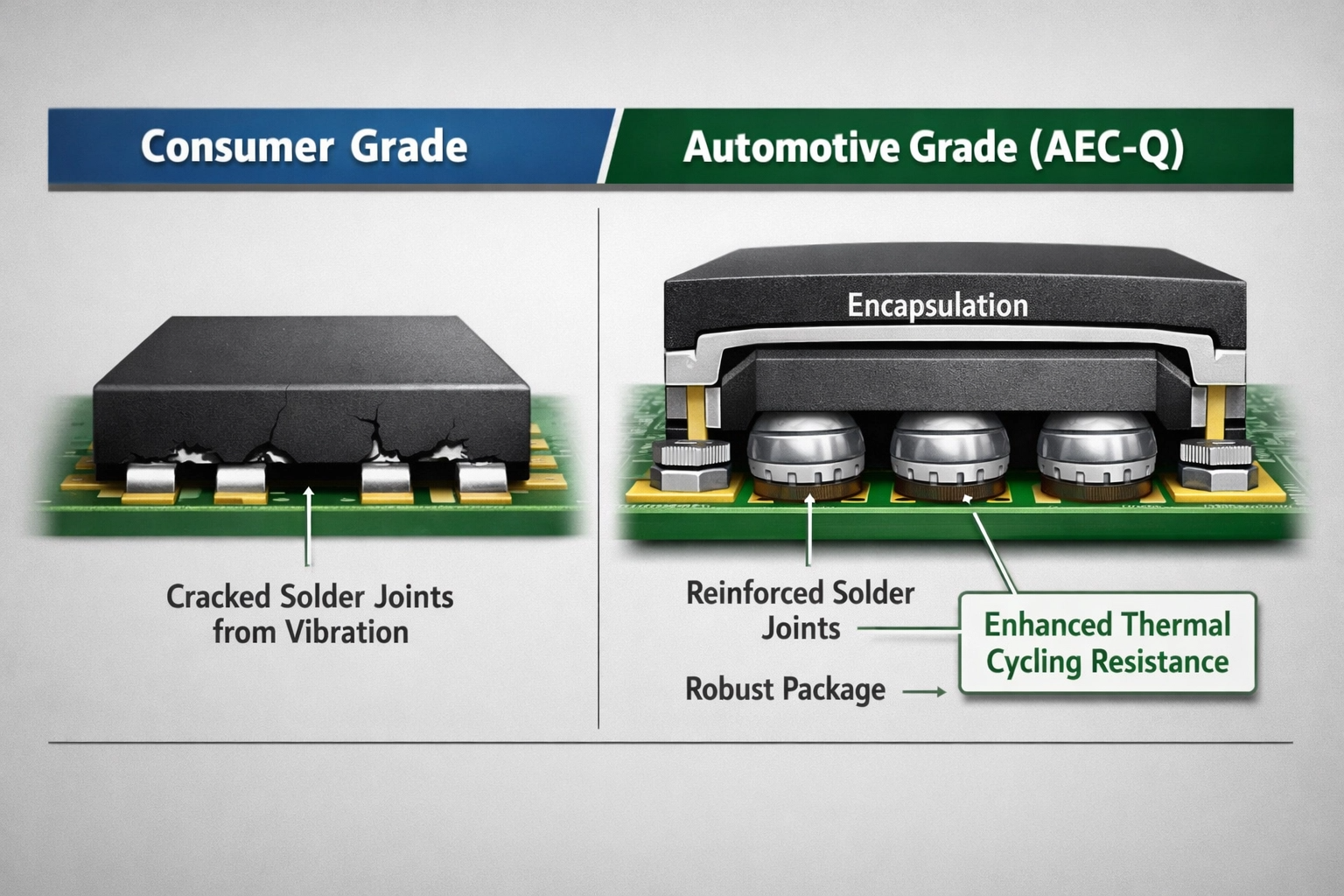
A Deep Dive into AEC-Q Standards and IATF 16949 Compliance







"Finding reliable high-voltage contactors for our EV platform was a major bottleneck until we partnered with this team. Their stock of 800V components is impressive and, more importantly, fully traceable. The packaging was professional, ensuring no static damage during transit. Truly a lifesaver for our production line."
"We were desperately searching for specific power management chips that were on a long backorder elsewhere. They managed to ship original factory parts within 48 hours, which kept our automation project on schedule. Communication was transparent and the technical data sheets provided were accurate. Highly recommend for urgent sourcing needs."
"The quality of the magnetic hydraulic circuit breakers we received exceeded our expectations for the price point. It’s clear they have a rigorous quality inspection process in place before shipping. We've integrated their parts into our latest battery storage units with zero failure rates so far. A very dependable partner for long-term supply."
"In this industry, trust is everything, especially when dealing with high-voltage fuses and relays. This company consistently provides genuine products that meet our strict safety certifications for the EU market. Their team is knowledgeable and helped us navigate the technical nuances of the components. Their export logistics to Spain are seamless."
"Managing End-of-Life (EOL) components is a constant struggle, but their database for legacy ICs is a goldmine. I was able to secure a batch of LCD driver ICs that our previous suppliers claimed were impossible to find. Every chip was tested and worked perfectly in our HMI repair prototypes. They are now my go-to for hard-to-find semiconductors."
"I appreciate how they handle smaller, specialized orders with the same urgency as bulk shipments. We needed specific pressure sensors for a fleet of diesel engines, and they arrived in the UK perfectly labeled and documented. Their attention to detail on the commercial invoice made customs clearance a breeze. Great service and even better product quality."
