 EN
EN

How-does-nand-flash-enhance-reliability-in-high-capacity-memory-systems, How-does-nand-flash-enhance-reliability-in-high-capacity-memory-systems, /news
EN
2026/07/06
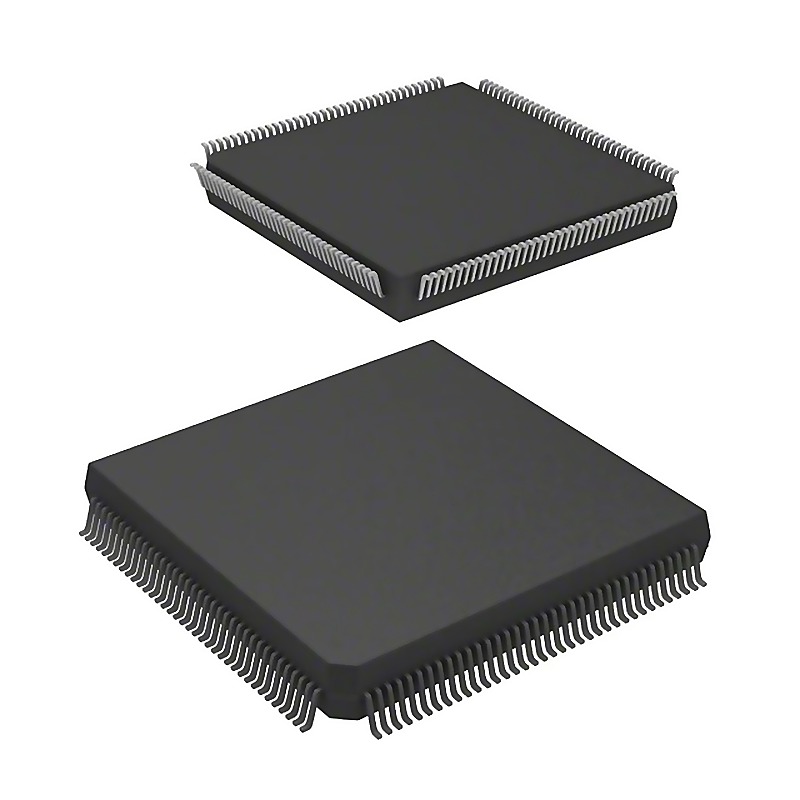
NAND flash reliability in high-capacity memory systems has become essential for modern digital infrastructure, from enterprise data centers to mobile devices and industrial IoT applications. As storage demands grow exponentially, the ability of NAND flash memory to maintain data integrity while delivering high capacity and performance has transformed how organizations handle critical information. Understanding how NAND flash reliability in high-capacity memory systems works reveals the sophisticated engineering behind stable, long-lasting storage solutions that power today's most demanding applications.
The relationship between NAND flash reliability in high-capacity memory systems and overall system performance is direct and measurable. When NAND flash reliability in high-capacity memory systems is optimized through proper design, advanced controllers, and intelligent firmware, organizations achieve better uptime, reduced data loss risk, and lower total cost of ownership. This article explores the mechanisms that enable NAND flash reliability in high-capacity memory systems to meet stringent industrial and commercial requirements.
Error correction codes (ECC) form the backbone of NAND flash reliability in high-capacity memory systems by detecting and correcting bit errors that naturally occur during read and write operations. As NAND flash cells age and environmental stresses accumulate, the electrical properties that distinguish stored charge levels gradually shift, increasing read errors. Advanced ECC algorithms work within NAND flash reliability in high-capacity memory systems by continuously monitoring data patterns and correcting errors before they propagate to the application layer. Modern implementations use BCH (Bose-Chaudhuri-Hocquenghem) codes or LDPC (Low-Density Parity-Check) algorithms that balance computational overhead with correction capability.
The strength of ECC directly impacts how long NAND flash reliability in high-capacity memory systems can be maintained throughout the device lifecycle. Controllers implementing multi-level error correction can recover from multiple bit errors per page, enabling higher density storage while preserving data integrity. This redundancy margin is critical in enterprise and industrial environments where data loss translates directly to operational disruption and financial impact. By implementing progressively stronger error correction as the device ages, NAND flash reliability in high-capacity memory systems degrades gracefully rather than failing suddenly.
Read disturb occurs when repeated reads of the same memory cell gradually introduce errors into neighboring cells, a phenomenon that directly challenges NAND flash reliability in high-capacity memory systems. Controllers mitigate this by rotating which physical cells store the same logical data block, distributing the read stress across multiple locations. Write amplification—where a single logical write operation generates multiple physical writes internally—also impacts NAND flash reliability in high-capacity memory systems by accelerating wear on flash cells. Intelligent garbage collection algorithms minimize write amplification by consolidating partial blocks and reducing unnecessary internal copy operations that consume limited write cycles.
Wear leveling is fundamental to maintaining NAND flash reliability in high-capacity memory systems because NAND flash cells degrade with each program-erase cycle, typically rated between 10,000 and 100,000 cycles for modern MLC and TLC NAND. Dynamic wear leveling continuously tracks which physical blocks have received the most cycles and redirects new writes to less-used blocks, preventing hot spots that would prematurely exhaust NAND flash reliability in high-capacity memory systems. Static wear leveling periodically moves data from cold blocks to ensure even cycle distribution, extending the overall usable lifespan of the storage device.
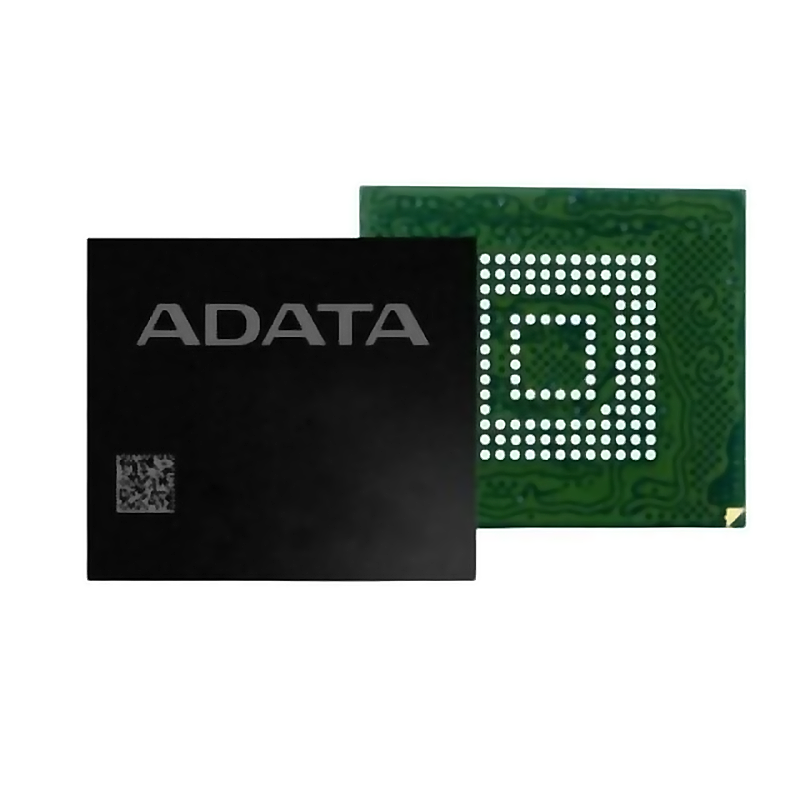
The effectiveness of wear leveling directly correlates to how long NAND flash reliability in high-capacity memory systems remains within acceptable performance parameters. Controllers maintain wear-leveling metadata that tracks program-erase cycle counts for every block, using this information to make intelligent placement decisions. In high-capacity systems storing terabytes of data, this cycle-distribution strategy can extend device lifespan by 5 to 10 times compared to sequential writing patterns. Enterprise-grade implementations of NAND flash reliability in high-capacity memory systems employ sophisticated algorithms that balance wear distribution against performance optimization.
Modern NAND flash reliability in high-capacity memory systems incorporates predictive health monitoring that tracks degradation patterns and signals when reliability thresholds approach critical levels. Controllers continuously measure key parameters including threshold voltages, read latency, and error rates, building a health profile for each memory block. When NAND flash reliability in high-capacity memory systems detects a block approaching end-of-life, it can proactively move data to healthy blocks before failure occurs, preventing sudden data loss. This monitoring capability transforms NAND flash reliability in high-capacity memory systems from reactive (responding after failure) to proactive (preventing failure).
Temperature directly influences NAND flash reliability in high-capacity memory systems because heat accelerates the drift of threshold voltages and increases leakage currents that blur the distinction between stored charge states. High-capacity systems typically generate more heat due to higher write and read throughput, making thermal management critical for preserving NAND flash reliability in high-capacity memory systems. Controllers implement temperature compensation algorithms that adjust ECC thresholds and read parameters based on real-time temperature measurements, maintaining error rates within acceptable windows. Additionally, NAND flash reliability in high-capacity memory systems benefits from physical design features like heat spreaders and thermal interface materials that distribute generated heat efficiently.
Long-term reliability of NAND flash memory in industrial and automotive applications requires NAND flash reliability in high-capacity memory systems to function across extreme temperature ranges, from sub-zero to elevated operating conditions. Advanced systems employ temperature-adaptive algorithms that maintain consistent performance whether operating in frigid data centers or hot field equipment. The relationship between temperature control and NAND flash reliability in high-capacity memory systems means that superior thermal design can extend usable lifespan by multiple years. Controllers that implement real-time thermal throttling prevent excessive heat buildup while maintaining performance within safe operational margins, ensuring NAND flash reliability in high-capacity memory systems remains consistent throughout the device lifecycle.
The controller orchestrates all NAND flash reliability in high-capacity memory systems features, implementing algorithms that balance performance, capacity, and longevity. Sophisticated controllers use multi-channel architectures that parallelize operations across multiple NAND packages, distributing load and preventing any single component from becoming a reliability bottleneck. Firmware updates continuously improve NAND flash reliability in high-capacity memory systems by refining algorithms based on fleet-level telemetry data, allowing manufacturers to address emerging reliability patterns across millions of deployed devices.
High-capacity systems often implement redundancy patterns like RAID or distributed parity that complement NAND flash reliability in high-capacity memory systems at the storage device level. When individual blocks show declining health, intelligent controllers can coordinate with system-level redundancy to safely migrate data without disrupting operations. This layered approach means NAND flash reliability in high-capacity memory systems benefits from both internal device mechanisms and external system architecture, creating defense-in-depth against data loss.
Enterprise-grade NAND flash reliability in high-capacity memory systems typically requires multi-bit error correction capable of recovering from 8 to 16 bit errors per page for MLC NAND and 40 to 60 bit errors for TLC NAND. This stronger correction capability ensures that data remains protected throughout the extended service life expected in mission-critical applications. NAND flash reliability in high-capacity memory systems must maintain bit error rates below 10^-15 to meet enterprise data integrity standards.
Wear leveling distributes program-erase cycles evenly across all memory blocks, preventing premature exhaustion of cells in frequently accessed regions. When NAND flash reliability in high-capacity memory systems implements effective wear leveling, the entire device can sustain operation until the worst-case block reaches its cycle limit rather than failing when the most-used blocks degrade. This can extend system lifespan from 3 years to 15 years or more, depending on workload patterns and initial cell endurance ratings.
Modern NAND flash reliability in high-capacity memory systems includes temperature compensation that dynamically adjusts operational parameters in response to thermal changes. Controllers with robust firmware can handle temperature swings from -40°C to +85°C while maintaining data integrity, though extremely rapid fluctuations may require operational throttling to preserve NAND flash reliability in high-capacity memory systems. Industrial-grade implementations specifically design NAND flash reliability in high-capacity memory systems to tolerate the temperature extremes common in automotive, aerospace, and outdoor applications.
The electronic components market is constantly evolving. From global supply chain updates to the latest semiconductor technology trends, our blog provides the professional perspective you need to stay informed and competitive.
Overcoming EMI in High-Speed Automation
A Comprehensive Layout and Component Selection Guide
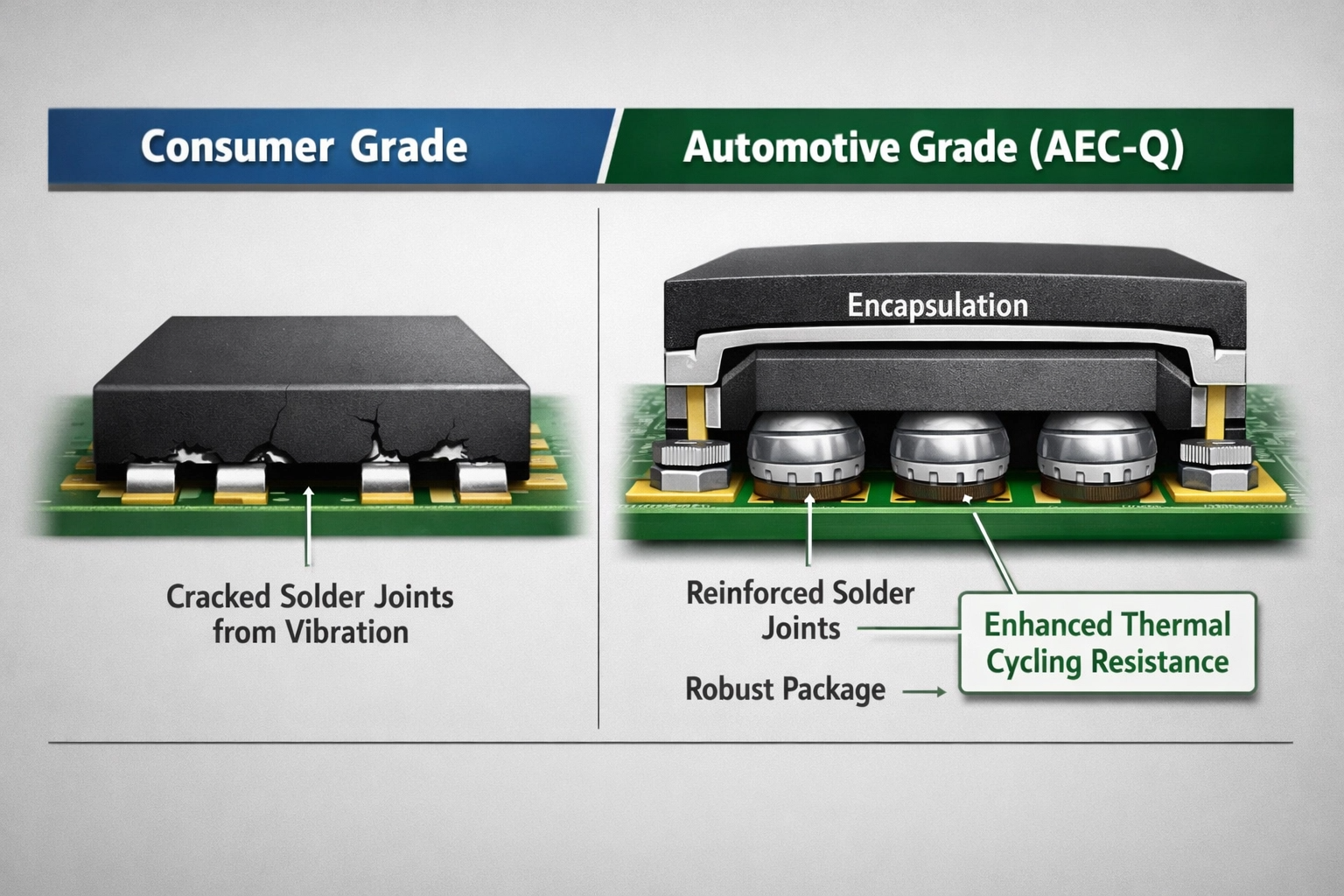
A Deep Dive into AEC-Q Standards and IATF 16949 Compliance






"Finding reliable high-voltage contactors for our EV platform was a major bottleneck until we partnered with this team. Their stock of 800V components is impressive and, more importantly, fully traceable. The packaging was professional, ensuring no static damage during transit. Truly a lifesaver for our production line."
"We were desperately searching for specific power management chips that were on a long backorder elsewhere. They managed to ship original factory parts within 48 hours, which kept our automation project on schedule. Communication was transparent and the technical data sheets provided were accurate. Highly recommend for urgent sourcing needs."
"The quality of the magnetic hydraulic circuit breakers we received exceeded our expectations for the price point. It’s clear they have a rigorous quality inspection process in place before shipping. We've integrated their parts into our latest battery storage units with zero failure rates so far. A very dependable partner for long-term supply."
"In this industry, trust is everything, especially when dealing with high-voltage fuses and relays. This company consistently provides genuine products that meet our strict safety certifications for the EU market. Their team is knowledgeable and helped us navigate the technical nuances of the components. Their export logistics to Spain are seamless."
"Managing End-of-Life (EOL) components is a constant struggle, but their database for legacy ICs is a goldmine. I was able to secure a batch of LCD driver ICs that our previous suppliers claimed were impossible to find. Every chip was tested and worked perfectly in our HMI repair prototypes. They are now my go-to for hard-to-find semiconductors."
"I appreciate how they handle smaller, specialized orders with the same urgency as bulk shipments. We needed specific pressure sensors for a fleet of diesel engines, and they arrived in the UK perfectly labeled and documented. Their attention to detail on the commercial invoice made customs clearance a breeze. Great service and even better product quality."
