 EN
EN

Is-a-fuse-essential-for-protecting-industrial-circuits-from-overload-conditions, Is-a-fuse-essential-for-protecting-industrial-circuits-from-overload-conditions, /news
EN
2026/05/30
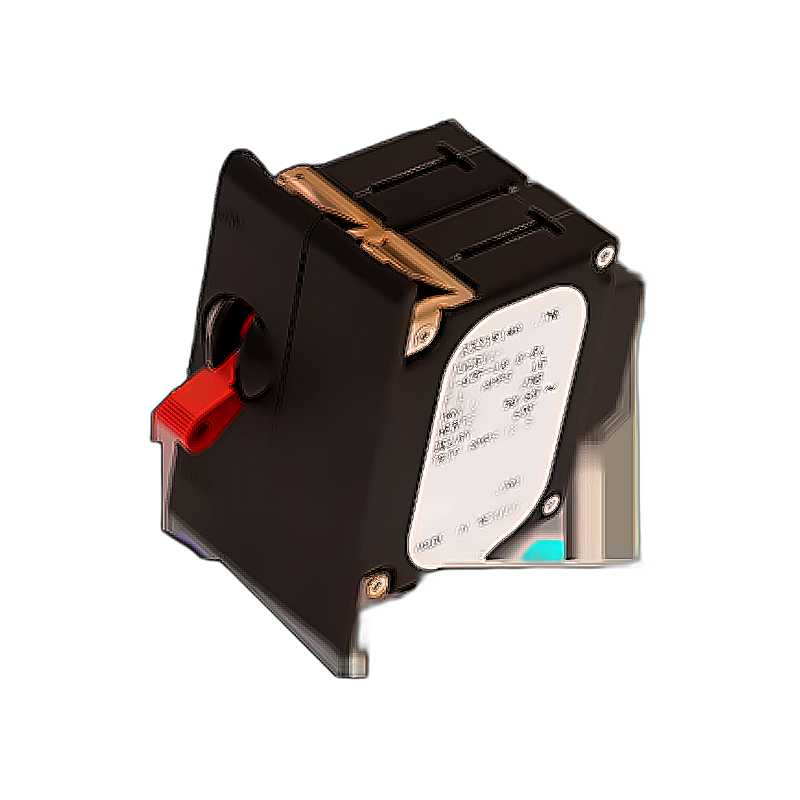
In industrial electrical systems, a fuse is one of the most fundamental protective devices available. When a circuit draws more current than it was designed to handle, the fuse responds by breaking the circuit before the excess energy causes damage, fire, or injury. Understanding why a fuse is essential begins with recognizing what overload conditions actually do to industrial equipment.
The short answer is yes — a fuse is genuinely essential for protecting industrial circuits from overload conditions. Without a properly rated fuse in the circuit path, overcurrent events can destroy motors, melt wiring insulation, trip entire distribution panels, or trigger catastrophic failures that halt production. A fuse provides a deliberate, calibrated weak point that sacrifices itself to preserve the rest of the system, making it a cornerstone of electrical safety strategy in every serious industrial environment.
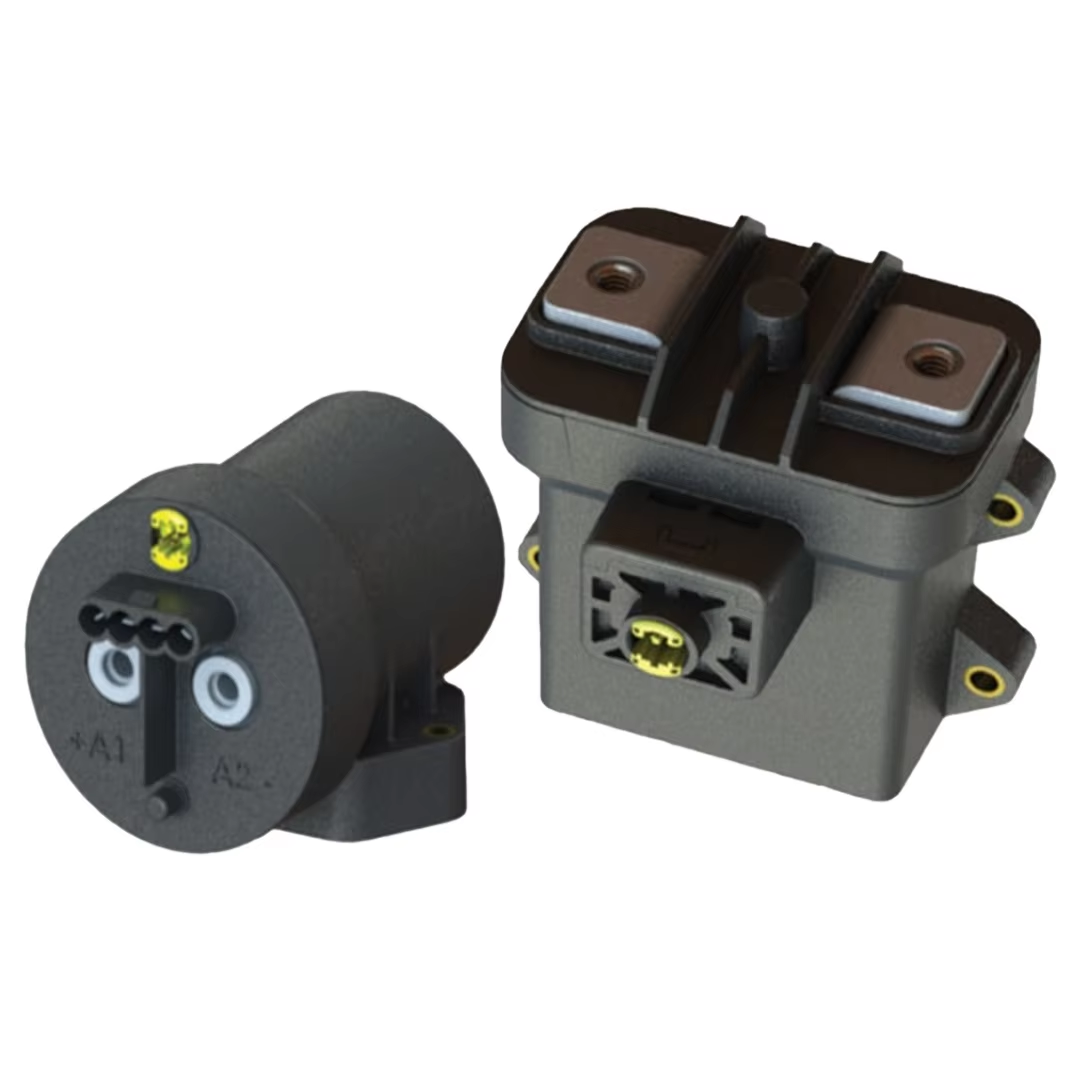
A fuse operates on a straightforward physical principle. Inside every fuse is a conductive element — typically a metal strip or wire — sized to carry a defined maximum current. When current through the fuse exceeds that rating, the element heats up rapidly and melts, opening the circuit. This fuse action happens in milliseconds, making the fuse one of the fastest-reacting protective devices in an industrial system. The fuse does not need external power, a control signal, or software to operate; it responds directly to the thermal energy created by excess current.
This simplicity is a key advantage of the fuse. Unlike circuit breakers or electronic protection relays, a fuse has no mechanical parts that can wear, stick, or fail to actuate. Each fuse is a single-use, self-contained protective element. When a fuse clears a fault, it provides definitive proof that an overcurrent event occurred, which also helps maintenance teams diagnose the root cause before replacing the fuse and restoring the circuit.
Industrial circuits face two distinct types of overcurrent: overload and short circuit. An overload is a moderate excess of current — perhaps 120% to 150% of the rated value — sustained over time due to a motor running under heavy load or multiple devices drawing simultaneously. A short circuit is a sudden, massive surge of current caused by direct contact between conductors. A properly selected fuse is rated to handle both scenarios. The fuse clears a sustained overload by heating slowly to its melting point, and it interrupts a short-circuit surge almost instantaneously. This dual-response behavior is why the fuse remains a primary protection device across industrial applications.
In high-voltage applications such as EV battery systems, industrial drives, and power conversion equipment, the fuse takes on heightened importance. These systems operate at voltages and current levels where an unprotected fault can release enormous energy in fractions of a second. A high-voltage fuse rated for these environments — including specialized designs like pyro fuse technology — provides the arc interruption capability needed to safely clear faults at elevated voltage levels. Standard low-voltage fuse designs cannot safely interrupt high-voltage arcs, which is why selecting the correct fuse specification is critical in these applications.
High-current industrial environments also demand a fuse with a high interrupting rating. The interrupting rating of a fuse defines the maximum fault current it can safely clear without rupturing or causing secondary damage. Using a fuse with an inadequate interrupting rating in a high-fault-current system is a serious safety hazard. Engineers must confirm that the chosen fuse rating matches or exceeds the available fault current at the installation point.
Motor branch circuits are among the most common locations where a fuse is required. Motors draw high inrush currents at startup, which can be several times the normal running current. The fuse selected for a motor circuit must tolerate this inrush without blowing while still protecting the motor windings from sustained overload damage. Time-delay fuse designs address this need by allowing brief current surges without clearing, yet still responding firmly to persistent overloads.
Inside control panels and distribution boards, a fuse protects individual branch circuits and prevents a fault in one section from propagating to the entire panel. This concept — known as selective coordination — means each fuse is calibrated so that only the fuse closest to a fault clears, leaving upstream circuits unaffected. Proper fuse coordination is a planning discipline that ensures maximum system uptime and limits the scope of any single electrical fault.
Choosing the correct fuse requires evaluating several interdependent ratings. The continuous current rating of the fuse must match the normal operating current of the circuit. The voltage rating of the fuse must equal or exceed the system voltage. The interrupting rating of the fuse must exceed the available short-circuit current. Beyond these three core parameters, engineers also consider the fuse speed class — fast-acting versus time-delay — based on whether the load produces inrush currents that a fast-acting fuse would misinterpret as faults.
Physical form factor also matters. A fuse must fit the designated fuse holder or fuse block securely. Poor mechanical contact at the fuse terminals causes resistance heating, which can degrade the fuse over time or cause nuisance openings unrelated to actual overload events. Always verify that the fuse and its mounting hardware are matched and rated for the same voltage and current class.
A blown fuse is a signal, not just an inconvenience. Before installing a new fuse, teams should investigate why the previous fuse opened. If the fuse cleared due to a genuine fault, replacing the fuse without fixing the fault will simply blow the new fuse again — or worse, allow a deteriorating fault to persist. Responsible fuse maintenance includes documenting each fuse failure, verifying the circuit before restoration, and confirming the replacement fuse matches the original specification exactly.
A fuse and a circuit breaker both provide overload protection, but they serve slightly different roles. A fuse is a single-use device that offers very fast response and high reliability. A circuit breaker is resettable after a trip. In many industrial applications, a fuse is preferred for its faster clearing speed and simpler construction, especially in high-fault-current environments where a fuse with a high interrupting rating is required.
In many cases, a blown fuse is visually identifiable — the fuse element inside appears melted or the fuse body shows discoloration. Some industrial fuse designs include a visual indicator that pops out when the fuse clears. For enclosed fuse holders, a continuity test using a multimeter is the most reliable way to confirm whether a fuse has opened. Always de-energize the circuit before testing or replacing any fuse.
A pyro fuse uses a pyrotechnic charge to sever the fuse element almost instantaneously upon receiving a trigger signal, rather than relying solely on thermal melting from overcurrent. This design gives the pyro fuse a response time measured in microseconds, making it ideal for EV battery disconnect and high-voltage safety applications where a conventional fuse might not respond quickly enough to prevent damage during an extreme fault event.
The electronic components market is constantly evolving. From global supply chain updates to the latest semiconductor technology trends, our blog provides the professional perspective you need to stay informed and competitive.
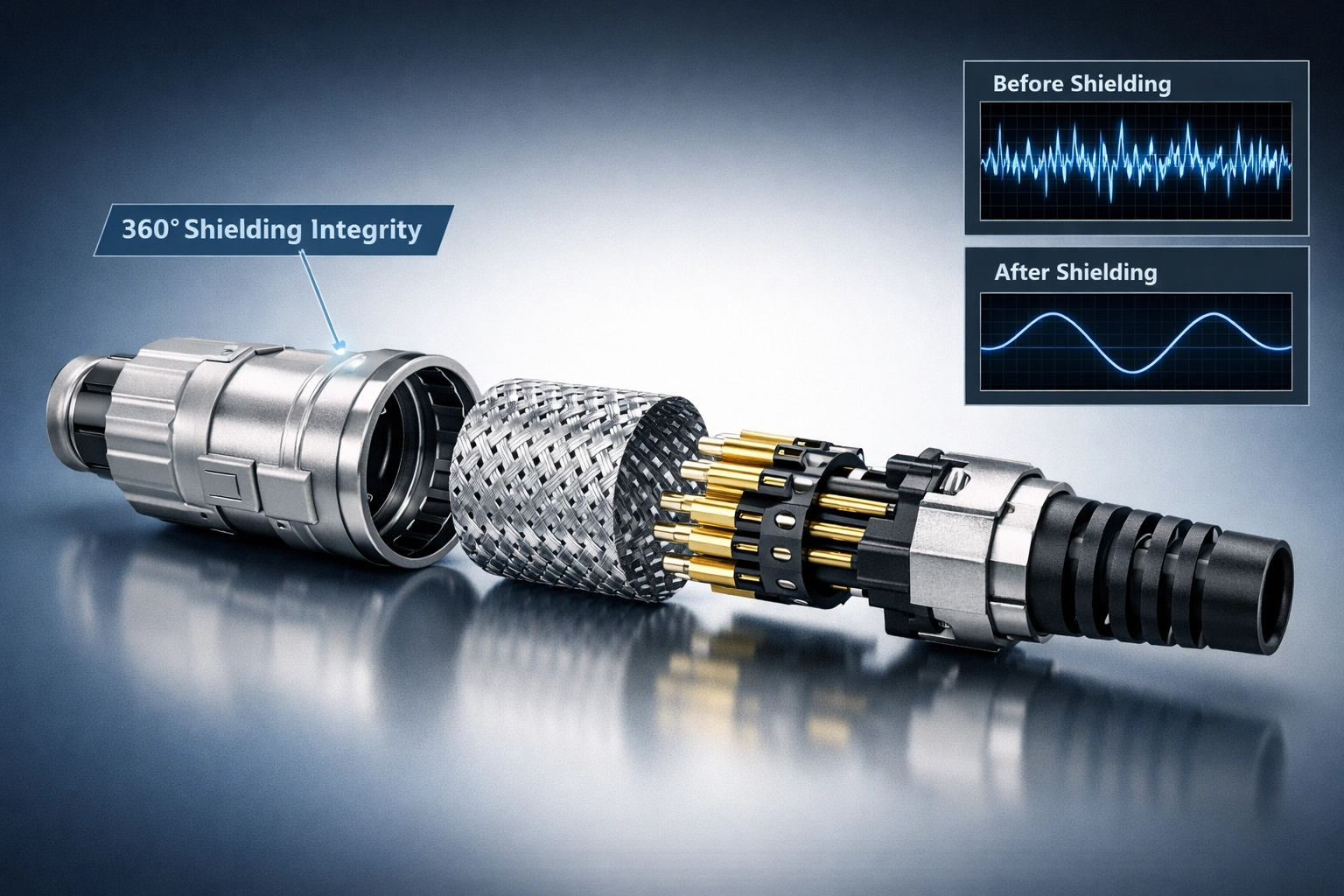
Overcoming EMI in High-Speed Automation
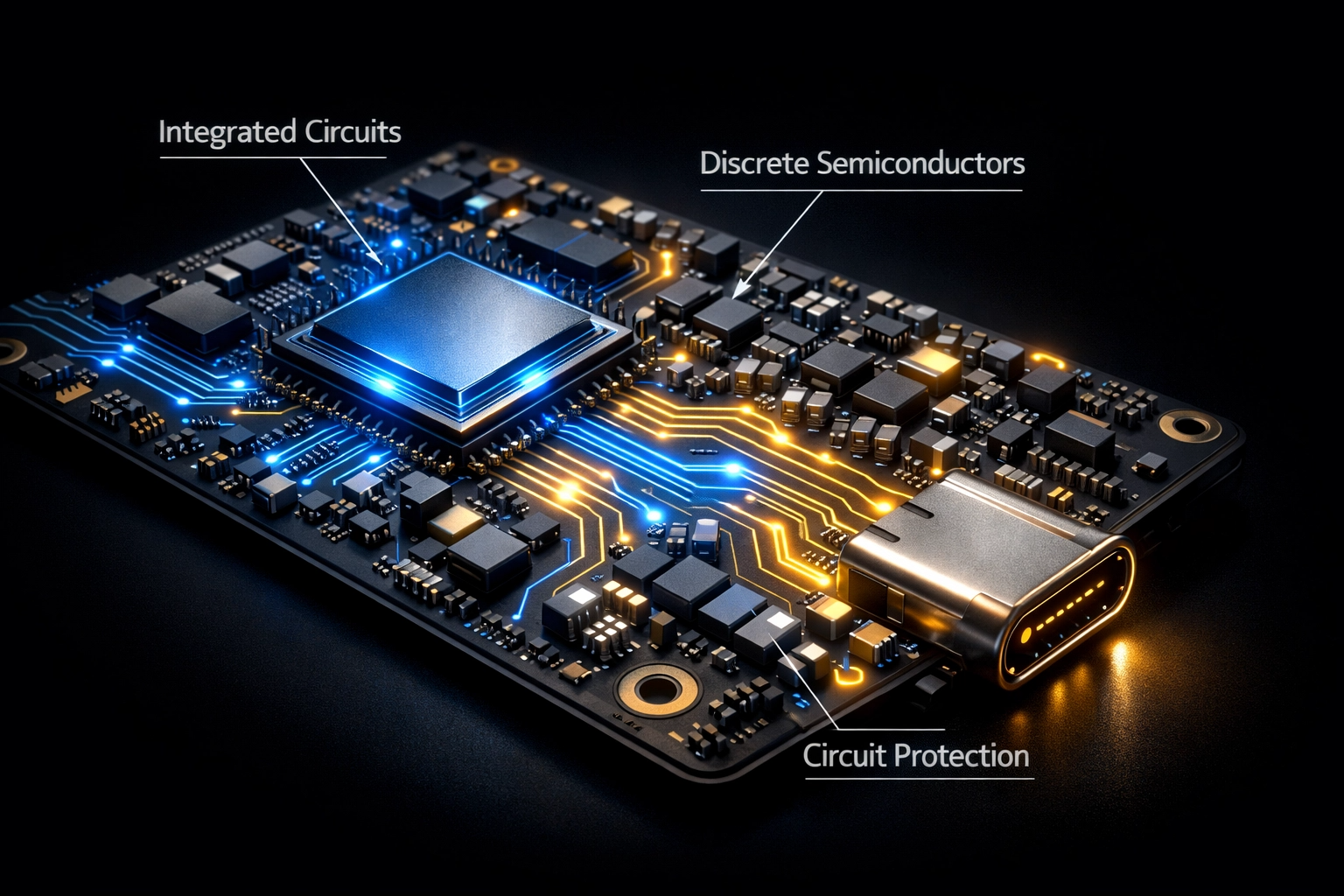
A Comprehensive Layout and Component Selection Guide
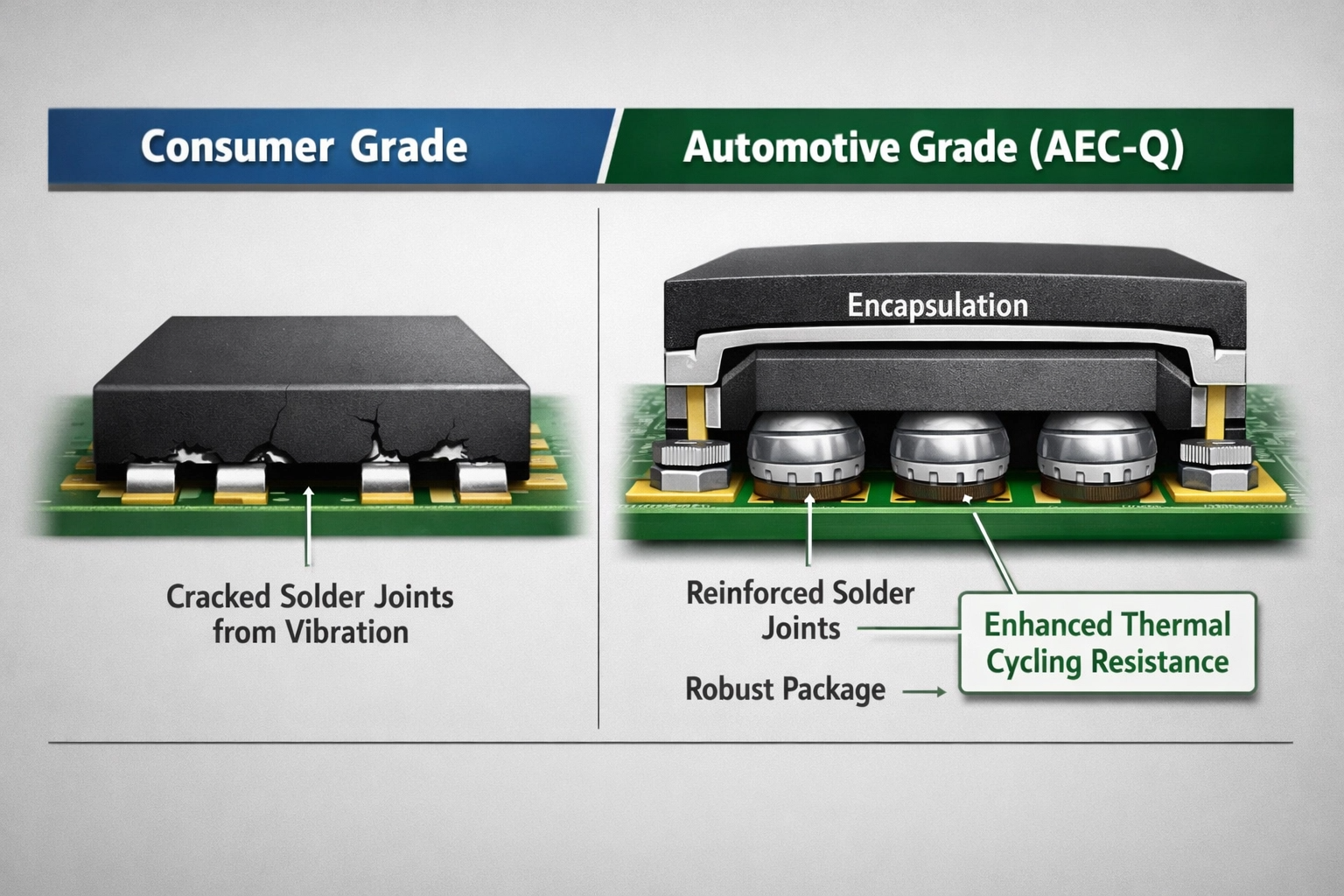
A Deep Dive into AEC-Q Standards and IATF 16949 Compliance







"Finding reliable high-voltage contactors for our EV platform was a major bottleneck until we partnered with this team. Their stock of 800V components is impressive and, more importantly, fully traceable. The packaging was professional, ensuring no static damage during transit. Truly a lifesaver for our production line."
"We were desperately searching for specific power management chips that were on a long backorder elsewhere. They managed to ship original factory parts within 48 hours, which kept our automation project on schedule. Communication was transparent and the technical data sheets provided were accurate. Highly recommend for urgent sourcing needs."
"The quality of the magnetic hydraulic circuit breakers we received exceeded our expectations for the price point. It’s clear they have a rigorous quality inspection process in place before shipping. We've integrated their parts into our latest battery storage units with zero failure rates so far. A very dependable partner for long-term supply."
"In this industry, trust is everything, especially when dealing with high-voltage fuses and relays. This company consistently provides genuine products that meet our strict safety certifications for the EU market. Their team is knowledgeable and helped us navigate the technical nuances of the components. Their export logistics to Spain are seamless."
"Managing End-of-Life (EOL) components is a constant struggle, but their database for legacy ICs is a goldmine. I was able to secure a batch of LCD driver ICs that our previous suppliers claimed were impossible to find. Every chip was tested and worked perfectly in our HMI repair prototypes. They are now my go-to for hard-to-find semiconductors."
"I appreciate how they handle smaller, specialized orders with the same urgency as bulk shipments. We needed specific pressure sensors for a fleet of diesel engines, and they arrived in the UK perfectly labeled and documented. Their attention to detail on the commercial invoice made customs clearance a breeze. Great service and even better product quality."
