 EN
EN

Is-a-thermal-circuit-breaker-effective-for-protecting-industrial-electrical-systems, Is-a-thermal-circuit-breaker-effective-for-protecting-industrial-electrical-systems, /news
EN
2026/07/13
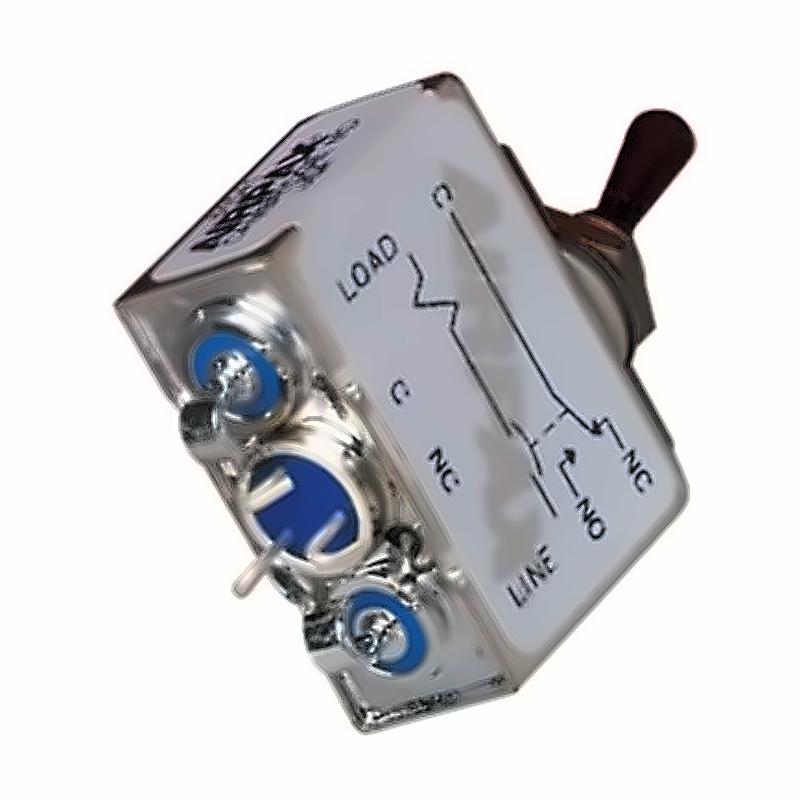
A thermal circuit breaker is one of the most reliable devices available for safeguarding industrial electrical systems against overload and short-circuit conditions. These protective components work by monitoring current flow and automatically interrupting the circuit when dangerous levels are detected, preventing equipment damage, fire hazards, and costly downtime. Understanding how a thermal circuit breaker functions and its effectiveness in industrial applications is essential for facility managers, electrical engineers, and maintenance professionals who need to ensure system reliability and worker safety.
Industrial electrical systems face constant exposure to voltage surges, equipment faults, and overload conditions that can degrade components and create safety risks. A thermal circuit breaker addresses these challenges by providing automatic, reliable protection that responds proportionally to current magnitude. Whether protecting motors, distribution panels, or control circuits, the thermal circuit breaker serves as a critical defense layer in comprehensive electrical system protection strategies.
The thermal circuit breaker operates on a straightforward yet effective principle: internal bimetallic strips respond to heat generated by excessive current flow. When current passing through the thermal circuit breaker exceeds the rated threshold, the bimetallic element heats up and bends, triggering a mechanical latch that opens the circuit contacts. This design provides inherent time-delay characteristics, allowing temporary inrush currents from motor startups while still protecting against sustained overloads. The thermal circuit breaker's response time increases inversely with current magnitude, meaning higher overloads trigger faster disconnection.
In industrial environments, a thermal circuit breaker typically functions as the primary overload protection device, often paired with magnetic trip elements for short-circuit protection. The thermal circuit breaker sits in series with the protected circuit, continuously monitoring current flow without requiring external power or digital interfaces. This passive operation makes the thermal circuit breaker ideal for legacy systems, hazardous locations, and facilities where reliability must not depend on electronic components. The thermal circuit breaker's mechanical simplicity ensures consistent performance even in extreme temperatures, vibration, and contaminated environments.
A thermal circuit breaker demonstrates high effectiveness at preventing damage from sustained overcurrent conditions. Unlike fuses, which must be replaced after operation, a thermal circuit breaker can be reset and reused, reducing operational costs and downtime. The thermal circuit breaker's time-delay characteristic prevents nuisance trips from normal startup surges while still interrupting genuine faults within seconds. Industrial facilities worldwide rely on thermal circuit breaker technology because it provides predictable, repeatable protection without maintenance complexity or ongoing component replacement costs.
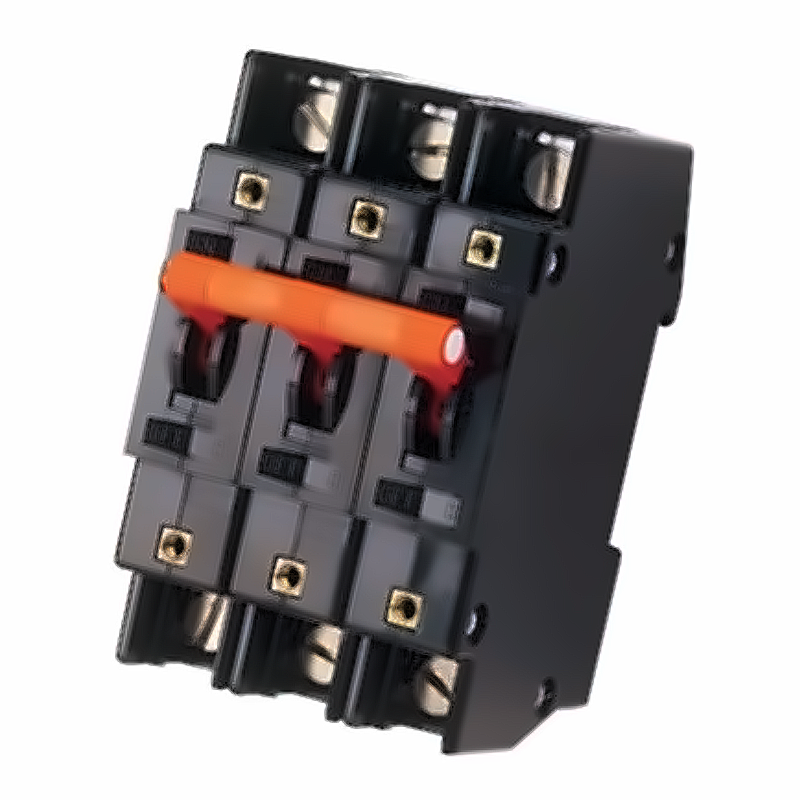
Despite its effectiveness, a single thermal circuit breaker cannot address all electrical hazards. The thermal circuit breaker responds relatively slowly to extremely high currents and short circuits, which is why industrial systems typically combine thermal circuit breaker elements with magnetic trip mechanisms for comprehensive protection. A thermal circuit breaker alone may not adequately protect against ground faults or phase imbalances, necessitating supplementary devices like ground fault circuit interrupters or differential relays. Understanding these limitations helps engineers design layered protection schemes where thermal circuit breaker protection forms one essential component of a complete safety strategy.
A thermal circuit breaker provides ideal protection for motor circuits because its inherent time-delay accommodates normal starting current surges while detecting genuine overload conditions. When motors stall, jam, or operate under excessive load, current rises gradually, and the thermal circuit breaker responds proportionally to interrupt power before winding insulation fails. In compressor applications, food processing equipment, and HVAC systems, the thermal circuit breaker's stable performance across temperature variations makes it superior to electronic solutions that may drift or fail in extreme conditions. The thermal circuit breaker's ability to handle repeated thermal cycling enhances its suitability for applications with frequent startup and shutdown cycles.
In main distribution panels and feeder circuits, a thermal circuit breaker provides reliable discrimination between normal operational variations and genuine fault conditions. The thermal circuit breaker's predictable time-current curve allows proper coordination with downstream protective devices, ensuring selective operation where faults are cleared at the source. Industrial facilities benefit from thermal circuit breaker technology because it enables standardized, code-compliant protection without requiring complex firmware updates or calibration procedures. The thermal circuit breaker's passive operation means protection remains effective regardless of supply frequency variations or voltage fluctuations common in industrial plants.
A thermal circuit breaker effectively prevents damage from sustained overload and gradually developing faults, but it cannot independently protect against high-magnitude short circuits or instantaneous ground faults. Industrial systems achieve comprehensive protection by combining thermal circuit breaker elements with magnetic trip mechanisms for short circuits and additional ground fault protection devices. The thermal circuit breaker's time-delay characteristic makes it slow for extreme faults, which is why engineered protection schemes rely on layered approaches where thermal circuit breaker protection works alongside faster-acting devices.
A thermal circuit breaker requires no routine replacement when functioning correctly; it can be reset indefinitely after tripping. Regular testing involves manually tripping the thermal circuit breaker to verify it resets properly and confirming trip times through functional checks, typically performed annually or per facility maintenance protocols. Unlike fuses, a thermal circuit breaker does not degrade with each operation, making it economically preferable for industrial applications where protection devices may operate multiple times during facility lifetime.
A thermal circuit breaker provides superior reliability in harsh industrial environments because it contains no electronics, eliminating failure modes from voltage transients, electromagnetic interference, or component drift. The thermal circuit breaker's passive operation ensures consistent performance in extreme temperatures, contaminated atmospheres, and locations where electronic devices would require sophisticated conditioning. When simplicity, proven reliability, and cost-effectiveness are priorities, the thermal circuit breaker offers industrial engineers a robust protection solution that has protected critical systems for decades without requiring firmware updates or recalibration.
The electronic components market is constantly evolving. From global supply chain updates to the latest semiconductor technology trends, our blog provides the professional perspective you need to stay informed and competitive.
Overcoming EMI in High-Speed Automation
A Comprehensive Layout and Component Selection Guide
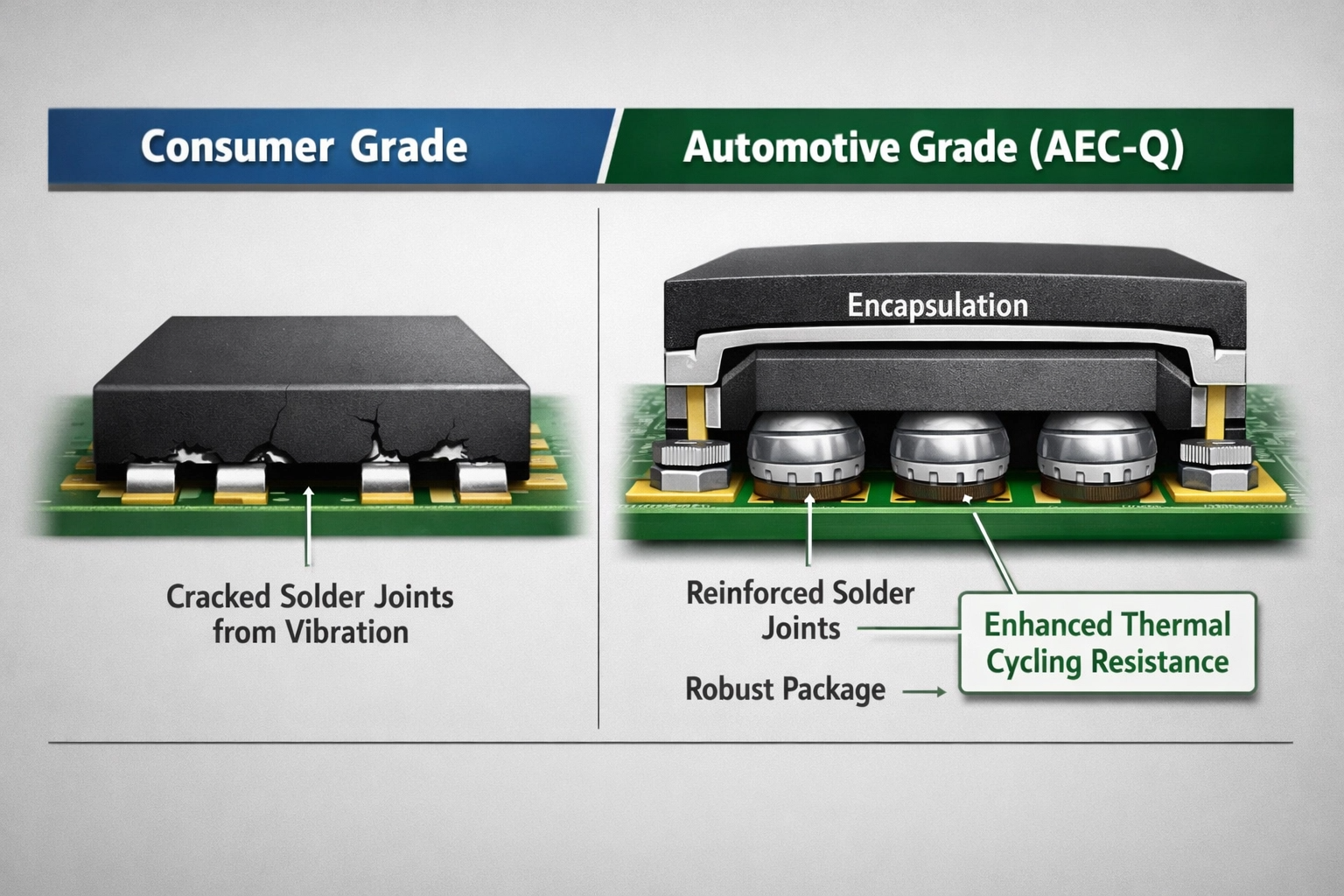
A Deep Dive into AEC-Q Standards and IATF 16949 Compliance






"Finding reliable high-voltage contactors for our EV platform was a major bottleneck until we partnered with this team. Their stock of 800V components is impressive and, more importantly, fully traceable. The packaging was professional, ensuring no static damage during transit. Truly a lifesaver for our production line."
"We were desperately searching for specific power management chips that were on a long backorder elsewhere. They managed to ship original factory parts within 48 hours, which kept our automation project on schedule. Communication was transparent and the technical data sheets provided were accurate. Highly recommend for urgent sourcing needs."
"The quality of the magnetic hydraulic circuit breakers we received exceeded our expectations for the price point. It’s clear they have a rigorous quality inspection process in place before shipping. We've integrated their parts into our latest battery storage units with zero failure rates so far. A very dependable partner for long-term supply."
"In this industry, trust is everything, especially when dealing with high-voltage fuses and relays. This company consistently provides genuine products that meet our strict safety certifications for the EU market. Their team is knowledgeable and helped us navigate the technical nuances of the components. Their export logistics to Spain are seamless."
"Managing End-of-Life (EOL) components is a constant struggle, but their database for legacy ICs is a goldmine. I was able to secure a batch of LCD driver ICs that our previous suppliers claimed were impossible to find. Every chip was tested and worked perfectly in our HMI repair prototypes. They are now my go-to for hard-to-find semiconductors."
"I appreciate how they handle smaller, specialized orders with the same urgency as bulk shipments. We needed specific pressure sensors for a fleet of diesel engines, and they arrived in the UK perfectly labeled and documented. Their attention to detail on the commercial invoice made customs clearance a breeze. Great service and even better product quality."
