 EN
EN

Is-nand-flash-suitable-for-high-speed-data-storage-in-embedded-systems, Is-nand-flash-suitable-for-high-speed-data-storage-in-embedded-systems, /news
EN
2026/06/05
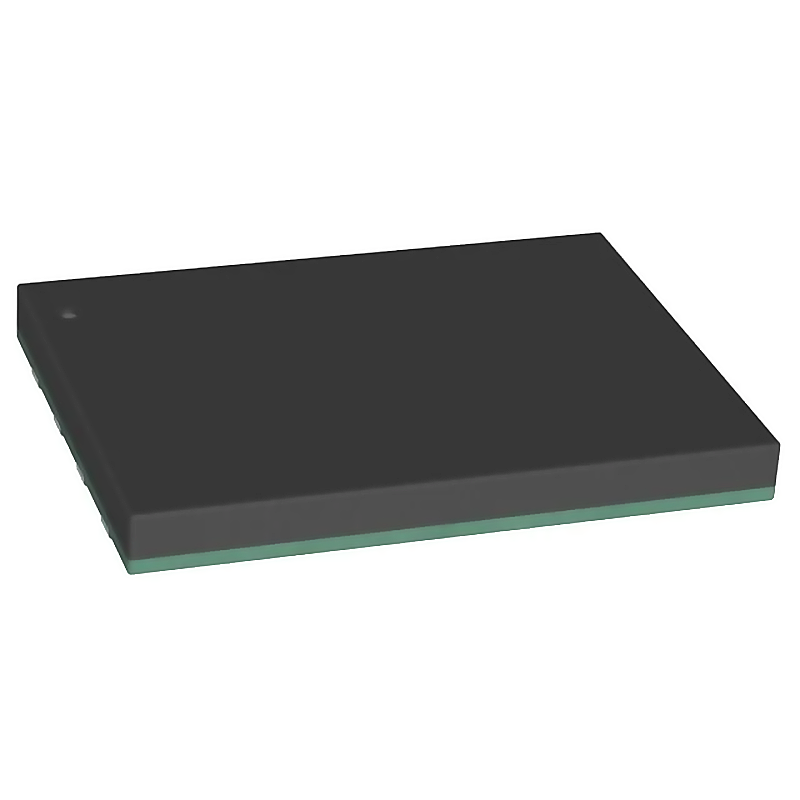
When engineers evaluate memory options for embedded systems, nand flash consistently emerges as one of the most discussed choices. The central question is whether nand flash can genuinely support high-speed data storage demands in embedded environments, or whether its characteristics create unacceptable trade-offs. The short answer is yes — nand flash is suitable for high-speed embedded storage — but only when the right architecture, controller logic, and interface configuration are in place. Understanding how nand flash behaves under real operating conditions is essential before committing to a design.
Embedded systems span a wide range of applications, from industrial controllers and automotive ECUs to consumer IoT devices and medical instrumentation. Each application places different demands on nand flash in terms of read and write throughput, endurance, retention, and reliability. A well-selected nand flash component can handle aggressive data workloads, but poor selection or improper interface design will expose the inherent weaknesses of nand flash technology. This article examines the suitability of nand flash for high-speed data storage by looking at its core capabilities, practical limitations, and the design conditions that allow nand flash to perform at its best.
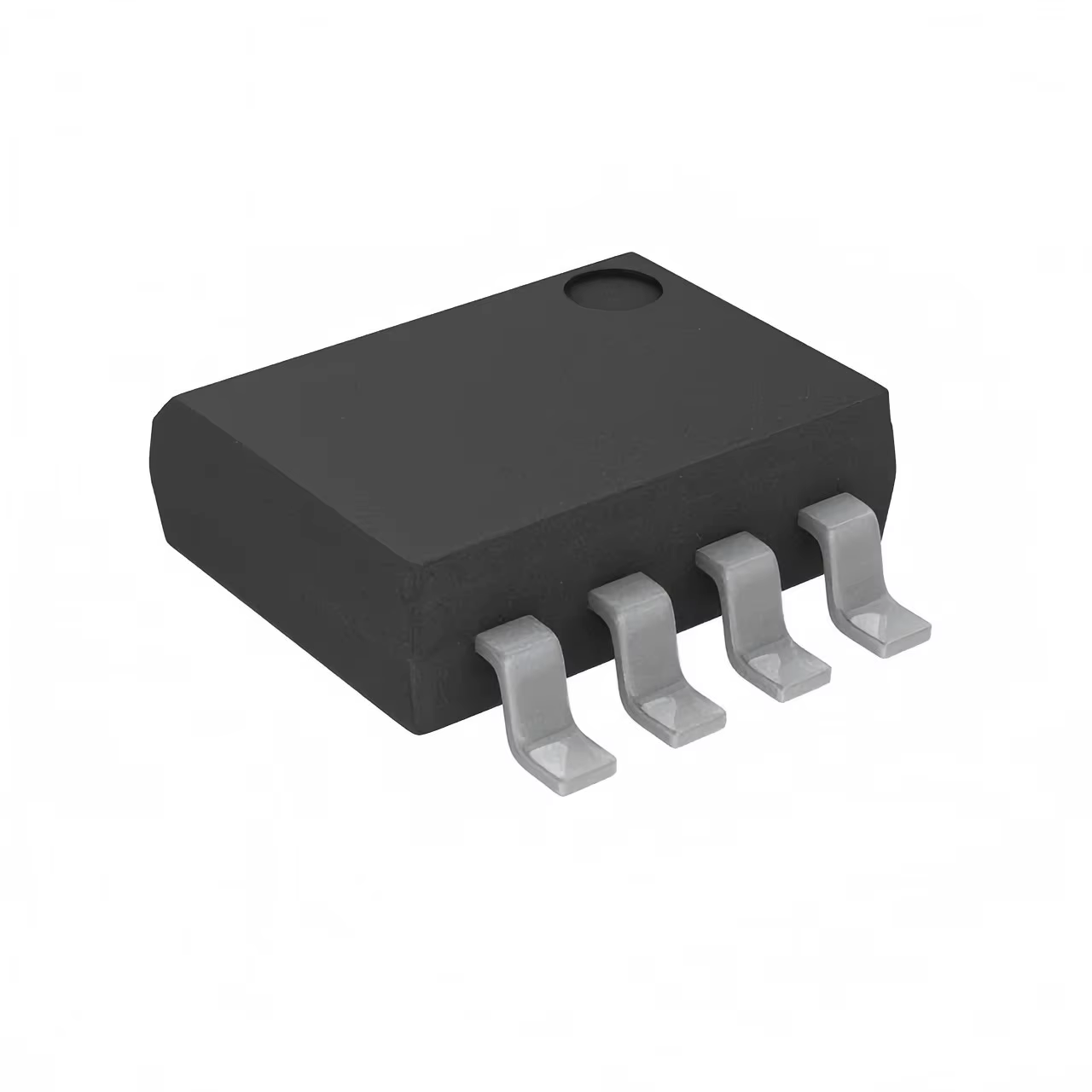
At its foundation, nand flash achieves competitive read speeds that make it viable for many high-speed embedded applications. Modern nand flash devices can deliver sequential read throughput exceeding several hundred megabytes per second when paired with a suitable host interface such as SPI, QSPI, or parallel bus architectures. The nand flash read cycle is generally faster than its write cycle, which means systems that are read-intensive benefit most directly from nand flash's raw performance. For mixed read-write workloads, nand flash still performs adequately when a competent flash translation layer manages the underlying block operations.
Write performance in nand flash is inherently asymmetric. A nand flash write operation must work at the page level, while erase operations function at the block level. This means that writing new data to nand flash requires erasing an entire block before reprogramming individual pages, which introduces latency if not managed carefully. Embedded systems that depend on nand flash for high-speed writes must implement buffering strategies and wear-leveling algorithms to mask this structural delay and sustain consistent throughput from the nand flash device.
The interface connecting the host processor to nand flash directly governs how much of the nand flash device's potential speed is realized. Serial Peripheral Interface configurations allow nand flash to operate at lower pin counts while still achieving respectable transfer rates. Quad-SPI nand flash configurations multiply data bandwidth by using four data lines simultaneously, making quad-SPI nand flash a preferred choice in cost-sensitive embedded designs that still require meaningful throughput. For applications demanding the highest possible performance, parallel nand flash connected via a dedicated memory bus delivers the lowest latency and highest sustained bandwidth available from nand flash architectures.
One of the strongest use cases for nand flash in embedded systems is storing firmware images and executable code. When nand flash is combined with execute-in-place capability or a shadow RAM buffer, the processor can fetch instructions rapidly from nand flash without bottlenecks affecting real-time performance. Industrial embedded platforms frequently rely on nand flash to hold the operating system, boot loader, and application binaries, because nand flash offers a favorable balance of storage density, power consumption, and access speed for these relatively read-heavy workloads.
For data logging applications, nand flash proves highly effective when writes are sequential and the logging controller manages block boundaries intelligently. Sequential write patterns align naturally with nand flash's page-program model, allowing the nand flash device to sustain high write rates without constant erase-rewrite cycles fragmenting performance. Automotive black-box recorders and industrial event loggers are practical examples where nand flash handles high-speed sequential writes efficiently and reliably over extended operational periods.
The suitability of nand flash for a given embedded application also depends on matching nand flash endurance ratings to the actual write cycle demands of the system. SLC nand flash, which stores a single bit per cell, offers the highest endurance and the fastest program speeds among nand flash variants. MLC and TLC nand flash trade some endurance and raw speed for greater storage density per die, making them appropriate for applications where write cycles are moderate and cost per gigabyte matters. Selecting the correct nand flash variant is not optional — it is a fundamental design decision that determines whether nand flash can sustain the required data throughput over the product's intended lifespan.
Nand flash is not inherently error-free. As nand flash cells age through program and erase cycles, bit error rates increase. High-density nand flash variants are more susceptible to bit errors than SLC nand flash, requiring stronger error correction code engines to maintain data integrity. The computational overhead of ECC processing can introduce latency in the data path, which embedded system designers must account for when specifying nand flash performance requirements. A properly designed nand flash controller with hardware-accelerated ECC minimizes this overhead and keeps the effective nand flash throughput close to the device's rated specifications.
Nand flash performance is sensitive to supply voltage stability and operating temperature. Voltage fluctuations during nand flash write or erase operations can cause data corruption, making robust power supply design a prerequisite for reliable nand flash operation. In industrial and automotive embedded systems where temperature ranges are wide, designers must confirm that the selected nand flash component is rated for the full operating temperature envelope. Industrial-grade nand flash parts are specified for extended temperature ranges and are manufactured with tighter process controls that help sustain nand flash reliability under harsh conditions.
One well-regarded component example in this space is the nand flash compatible serial flash memory available in SOP8 packaging, which offers a compact, robust solution for embedded designs that require reliable and fast data storage within tight board space constraints. When sourcing nand flash components, verifying supply chain authenticity and component certification is equally important to achieving consistent system performance.
Yes, nand flash can support real-time data writes when the embedded system uses a flash translation layer or hardware controller that manages page programming and block erasing asynchronously. Buffering strategies allow the application to write at high speed while the nand flash device handles internal operations in the background, effectively decoupling nand flash latency from the real-time data path.
SLC nand flash stores one bit per cell, delivering faster write speeds, higher endurance, and better data retention compared to MLC nand flash, which stores two bits per cell. For embedded applications requiring high-speed writes and long service life, SLC nand flash is the preferred choice. MLC nand flash is better suited to applications prioritizing storage density over maximum write performance and endurance.
The host interface determines how quickly data transfers between the processor and nand flash. Quad-SPI nand flash configurations offer four times the data bandwidth of standard single-bit SPI nand flash connections, significantly improving read and sequential write throughput. Parallel nand flash interfaces provide even higher bandwidth but require more signal lines and careful PCB layout. Choosing the right interface for the application ensures that the nand flash component operates at or near its rated speed capability.
The electronic components market is constantly evolving. From global supply chain updates to the latest semiconductor technology trends, our blog provides the professional perspective you need to stay informed and competitive.
Overcoming EMI in High-Speed Automation
A Comprehensive Layout and Component Selection Guide
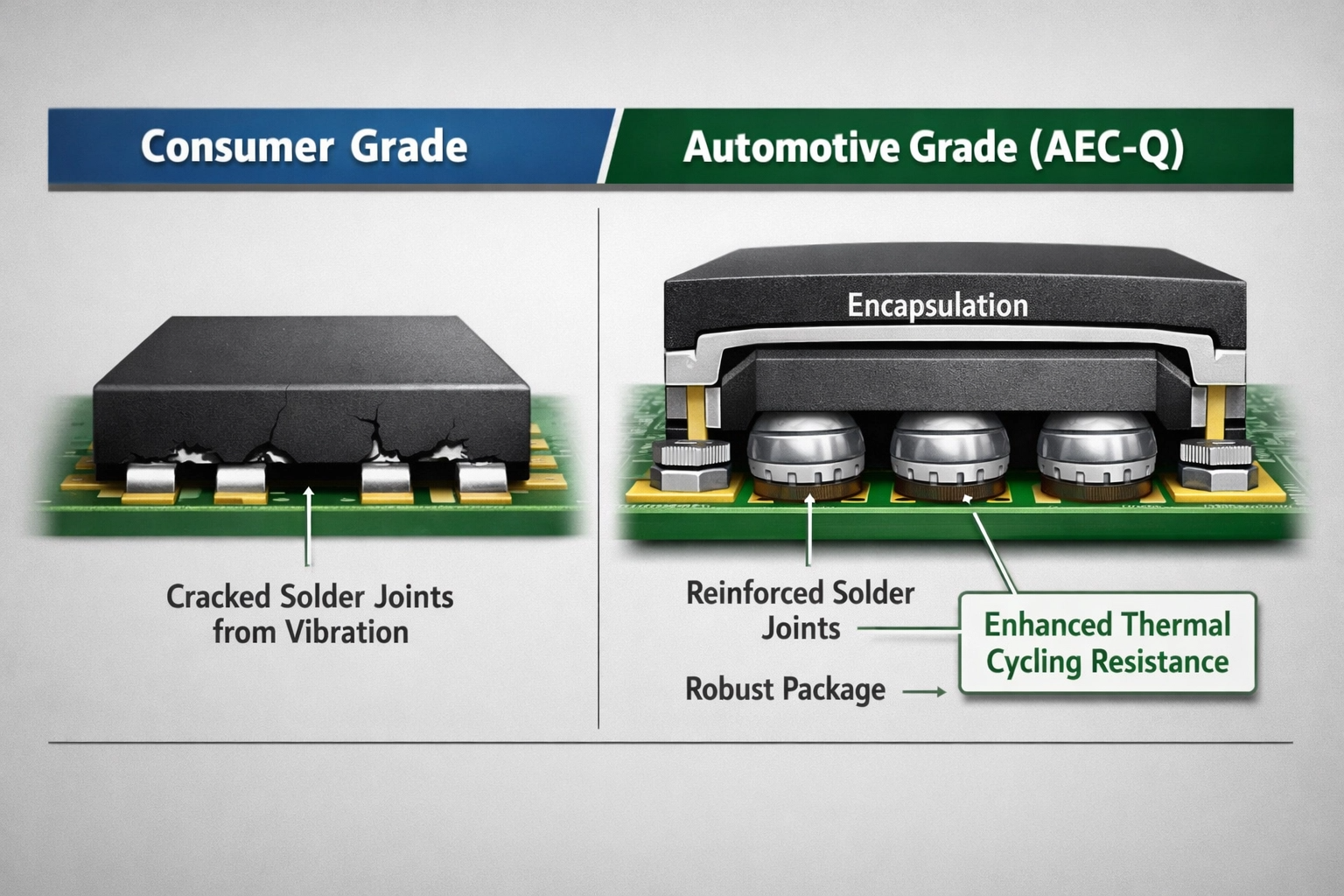
A Deep Dive into AEC-Q Standards and IATF 16949 Compliance







"Finding reliable high-voltage contactors for our EV platform was a major bottleneck until we partnered with this team. Their stock of 800V components is impressive and, more importantly, fully traceable. The packaging was professional, ensuring no static damage during transit. Truly a lifesaver for our production line."
"We were desperately searching for specific power management chips that were on a long backorder elsewhere. They managed to ship original factory parts within 48 hours, which kept our automation project on schedule. Communication was transparent and the technical data sheets provided were accurate. Highly recommend for urgent sourcing needs."
"The quality of the magnetic hydraulic circuit breakers we received exceeded our expectations for the price point. It’s clear they have a rigorous quality inspection process in place before shipping. We've integrated their parts into our latest battery storage units with zero failure rates so far. A very dependable partner for long-term supply."
"In this industry, trust is everything, especially when dealing with high-voltage fuses and relays. This company consistently provides genuine products that meet our strict safety certifications for the EU market. Their team is knowledgeable and helped us navigate the technical nuances of the components. Their export logistics to Spain are seamless."
"Managing End-of-Life (EOL) components is a constant struggle, but their database for legacy ICs is a goldmine. I was able to secure a batch of LCD driver ICs that our previous suppliers claimed were impossible to find. Every chip was tested and worked perfectly in our HMI repair prototypes. They are now my go-to for hard-to-find semiconductors."
"I appreciate how they handle smaller, specialized orders with the same urgency as bulk shipments. We needed specific pressure sensors for a fleet of diesel engines, and they arrived in the UK perfectly labeled and documented. Their attention to detail on the commercial invoice made customs clearance a breeze. Great service and even better product quality."
