 EN
EN

What-factors-affect-reliability-of-a-fuse-in-high-power-applications, What-factors-affect-reliability-of-a-fuse-in-high-power-applications, /news
EN
2026/06/11
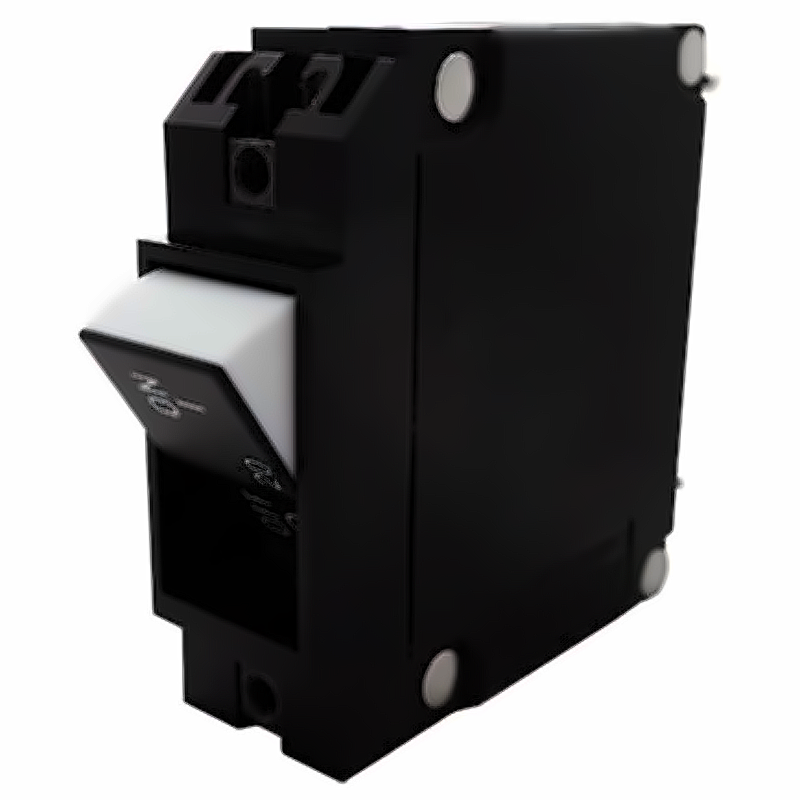
When a fuse is deployed in a high-power application, its reliability becomes one of the most critical engineering concerns a designer can face. A fuse that trips too early interrupts operations unnecessarily, while a fuse that fails to open under a true fault condition can allow destructive current levels to damage expensive equipment or create serious safety hazards. Understanding what drives fuse reliability in demanding, high-power environments is therefore essential for engineers, procurement teams, and system integrators who cannot afford failure.
A fuse is not a passive component that simply sits in a circuit. Every fuse is an active protection element that must respond precisely to abnormal conditions while tolerating normal operating stress over its service life. The factors that influence how reliably a fuse performs in high-power contexts range from its fundamental electrical ratings to the thermal environment around it, the mechanical stresses it endures, and the precision of its manufacturing. This article explores each of these dimensions to help you make more confident fuse selection decisions.
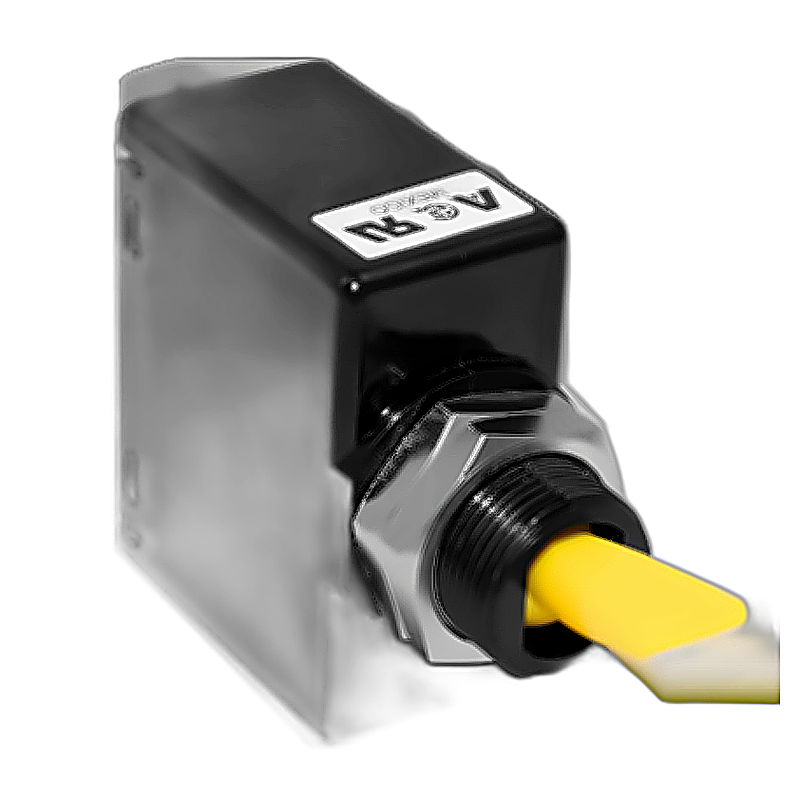
The most foundational factor affecting fuse reliability is whether the fuse is correctly rated for the circuit it protects. A fuse must carry its rated continuous current without degrading, yet respond within a defined time window when an overload or short-circuit event occurs. In high-power applications, the margin between normal operating current and fault current can be narrow, which means even slight misalignment in fuse rating can lead to nuisance tripping or, worse, a fuse that never opens at all.
Voltage rating is equally important. A fuse rated below the system voltage may fail to interrupt the arc that forms when the fuse element melts, allowing current to continue flowing even after the element is gone. For high-voltage systems such as electric vehicle battery packs or industrial DC bus systems, a fuse must be specifically rated for the operating voltage to guarantee arc extinction and true circuit interruption. The fuse must meet both current and voltage specifications to be genuinely reliable.
Breaking capacity defines the maximum fault current a fuse can safely interrupt without catastrophic failure of the fuse body itself. In high-power systems, fault currents can surge to levels many times higher than continuous operating current in a fraction of a millisecond. A fuse with an insufficient breaking capacity rating will rupture violently under such conditions, posing an explosion risk and failing to provide clean circuit interruption. Selecting a fuse with a breaking capacity that comfortably exceeds the prospective short-circuit current of the system is non-negotiable for reliability.
Heat is one of the most significant enemies of fuse reliability. Every fuse generates heat as current passes through its element, and ambient temperature adds to this thermal load. Manufacturers publish fuse current ratings at a standard ambient temperature, typically 25°C. When a fuse operates in a hotter environment, its effective current-carrying capacity must be derated to avoid premature aging or unexpected tripping. Neglecting thermal derating is one of the most common causes of fuse reliability problems in high-power industrial and automotive applications.
Cycling thermal loads also stress the fuse element over time. Applications with repeated charge and discharge cycles, such as EV battery systems, subject the fuse to continuous thermal expansion and contraction. A fuse designed without consideration for thermal cycling fatigue will degrade faster, increasing the likelihood of intermittent contact resistance, element embrittlement, and eventual failure outside of a true fault event. Choosing a fuse specifically validated for the thermal profile of your application greatly improves long-term reliability.
The environment surrounding a fuse directly influences how effectively heat dissipates from the fuse body. A fuse installed in a well-ventilated enclosure with adequate airflow will run cooler and more reliably than an identical fuse packed into a tight, sealed compartment. Mounting orientation, busbar contact area, and the thermal conductivity of adjacent materials all contribute to the overall fuse operating temperature. Thoughtful enclosure design is therefore a reliability factor that extends beyond the fuse component itself.
The physical construction of a fuse element determines how consistently and predictably the fuse will respond to overload conditions. A fuse element made from high-purity metal with tight dimensional tolerances will exhibit far more predictable time-current characteristics than one with material inconsistencies or manufacturing defects. In high-power applications where the fuse must discriminate accurately between allowable transient surges and genuine fault conditions, manufacturing quality is directly tied to fuse reliability.
Some fuse designs use a pyrotechnic disconnect mechanism rather than a purely passive element. A pyro fuse of this type offers extremely fast and controlled disconnection, particularly under high-energy fault conditions, making it well suited for battery disconnect applications in electric vehicles. The mechanical precision and quality of the initiator, housing, and contacts in a pyro fuse are critical to ensuring the fuse operates exactly as designed when called upon.
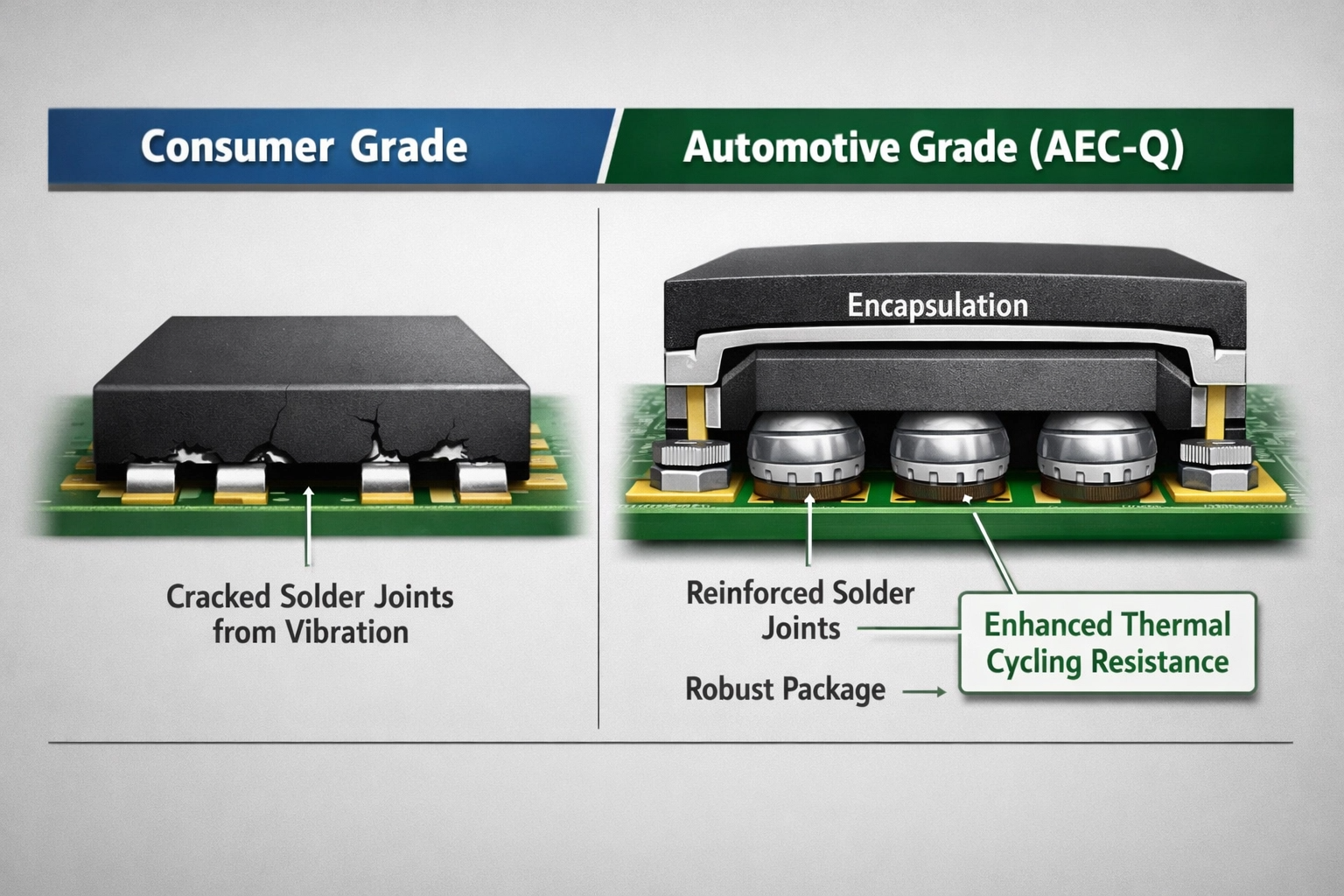
High-power applications in automotive, aerospace, and industrial machinery environments often expose a fuse to continuous vibration and mechanical shock. A fuse with a fragile element or poorly secured internal structure may develop micro-fractures in the element or loose contact connections that increase resistance and generate heat during normal operation. Over time, this degradation reduces fuse reliability until the fuse fails prematurely or becomes entirely unreliable. A robust fuse design with positive mechanical clamping and durable housing materials is essential for these demanding environments.
The most critical factor is ensuring the fuse is correctly rated for both the continuous operating current and the system voltage. A fuse that is mismatched to either parameter will not provide reliable protection regardless of other design qualities.
High ambient temperature reduces the effective current-carrying capacity of a fuse, requiring the fuse to be derated. Ignoring this can cause a fuse to trip unnecessarily or degrade prematurely, both of which reduce its overall reliability in high-power applications.
A pyro fuse is best suited for applications that require extremely fast, high-energy disconnection, such as EV battery systems. When a standard fuse cannot reliably interrupt the fault current within acceptable time limits, a pyro fuse offers a more controlled and reliable disconnection mechanism.
The electronic components market is constantly evolving. From global supply chain updates to the latest semiconductor technology trends, our blog provides the professional perspective you need to stay informed and competitive.
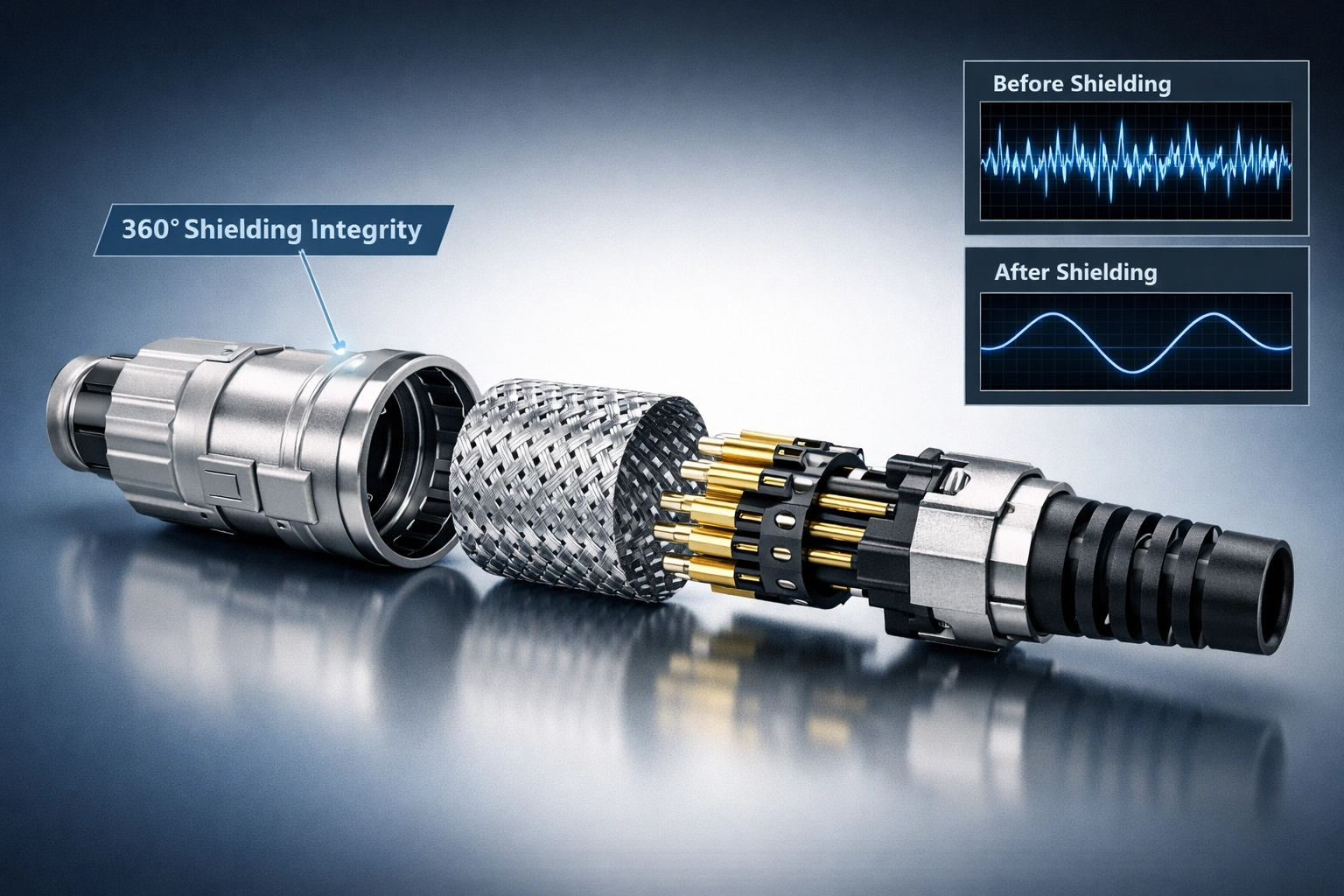
Overcoming EMI in High-Speed Automation
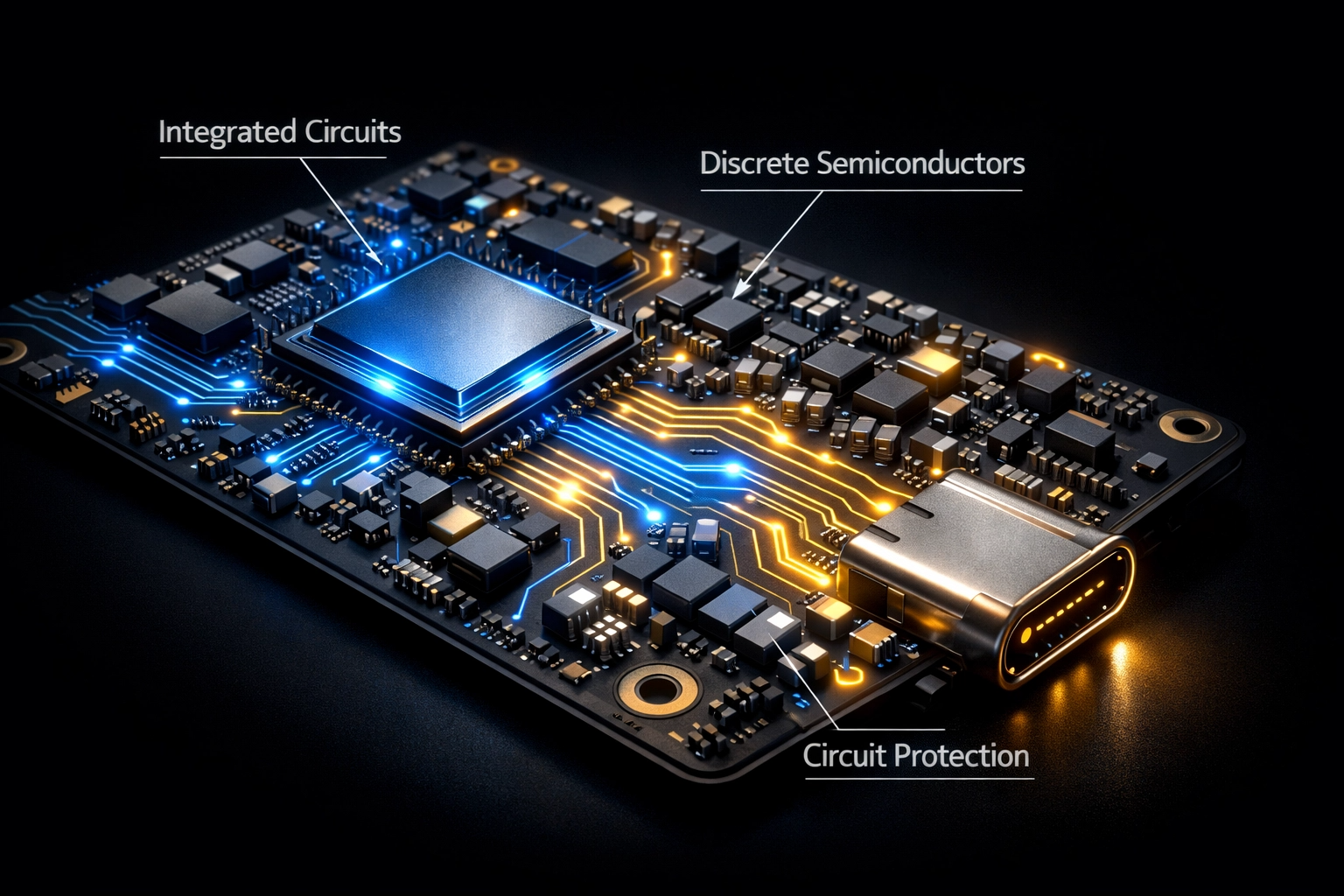
A Comprehensive Layout and Component Selection Guide
A Deep Dive into AEC-Q Standards and IATF 16949 Compliance







"Finding reliable high-voltage contactors for our EV platform was a major bottleneck until we partnered with this team. Their stock of 800V components is impressive and, more importantly, fully traceable. The packaging was professional, ensuring no static damage during transit. Truly a lifesaver for our production line."
"We were desperately searching for specific power management chips that were on a long backorder elsewhere. They managed to ship original factory parts within 48 hours, which kept our automation project on schedule. Communication was transparent and the technical data sheets provided were accurate. Highly recommend for urgent sourcing needs."
"The quality of the magnetic hydraulic circuit breakers we received exceeded our expectations for the price point. It’s clear they have a rigorous quality inspection process in place before shipping. We've integrated their parts into our latest battery storage units with zero failure rates so far. A very dependable partner for long-term supply."
"In this industry, trust is everything, especially when dealing with high-voltage fuses and relays. This company consistently provides genuine products that meet our strict safety certifications for the EU market. Their team is knowledgeable and helped us navigate the technical nuances of the components. Their export logistics to Spain are seamless."
"Managing End-of-Life (EOL) components is a constant struggle, but their database for legacy ICs is a goldmine. I was able to secure a batch of LCD driver ICs that our previous suppliers claimed were impossible to find. Every chip was tested and worked perfectly in our HMI repair prototypes. They are now my go-to for hard-to-find semiconductors."
"I appreciate how they handle smaller, specialized orders with the same urgency as bulk shipments. We needed specific pressure sensors for a fleet of diesel engines, and they arrived in the UK perfectly labeled and documented. Their attention to detail on the commercial invoice made customs clearance a breeze. Great service and even better product quality."
