 EN
EN

What-factors-determine-performance-of-a-high-voltage-contactor-in-industrial-use, What-factors-determine-performance-of-a-high-voltage-contactor-in-industrial-use, /news
EN
2026/06/13
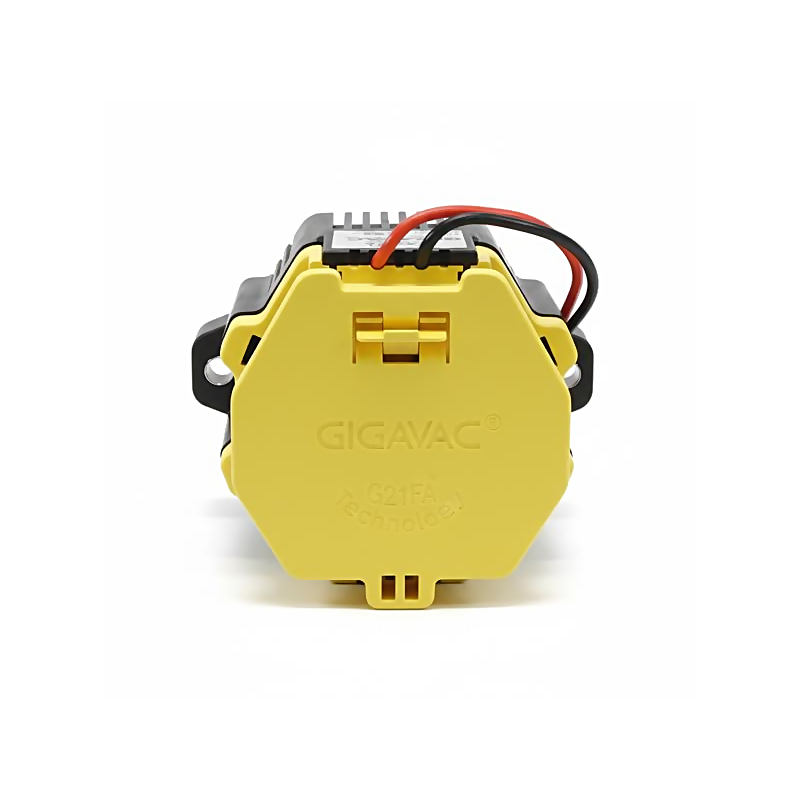
A high voltage contactor is one of the most critical switching components in any industrial power system. Whether deployed in EV charging infrastructure, industrial machinery, or energy storage systems, the high voltage contactor must deliver reliable, repeatable switching performance under demanding electrical and thermal conditions. Selecting and operating a high voltage contactor without understanding its core performance determinants often leads to premature failure, safety hazards, and costly downtime.
Understanding what drives the performance of a high voltage contactor requires a systematic look at its design elements, materials, operating environment, and electrical ratings. This article examines the key factors that directly influence how well a high voltage contactor performs in real-world industrial applications, helping engineers and procurement professionals make informed decisions.
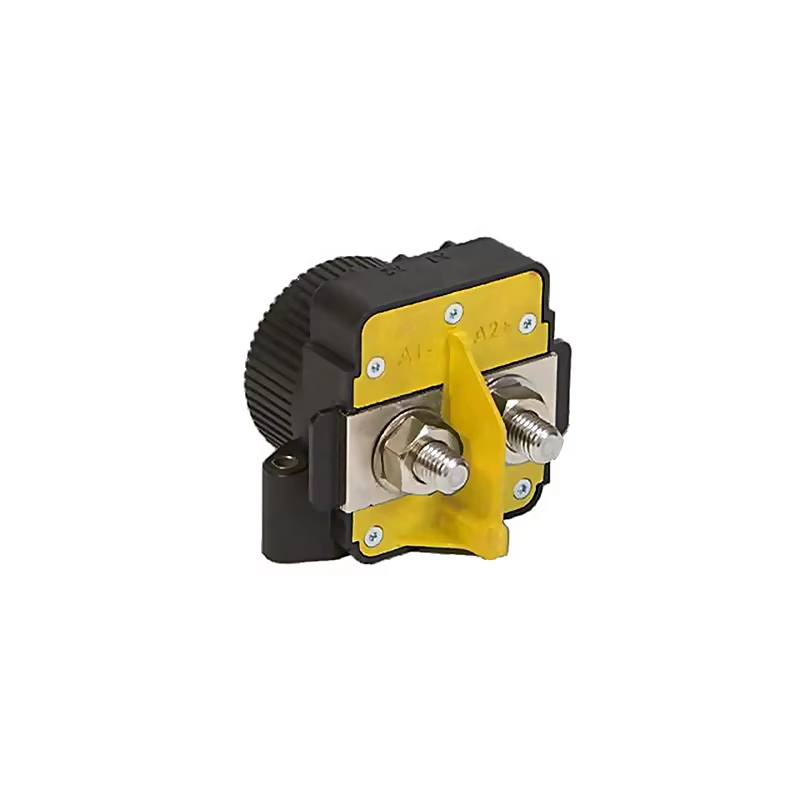
The contact material inside a high voltage contactor is arguably the single most important factor affecting switching durability. Silver-based alloys, including silver cadmium oxide and silver tin oxide, are widely used in high voltage contactor designs because they balance arc resistance, low contact resistance, and mechanical wear tolerance. A high voltage contactor using inferior contact material will experience accelerated erosion during arc events, which directly shortens service life and degrades switching reliability over time.
The geometry of the contacts also plays a key role. A high voltage contactor with larger contact surface area distributes current more evenly, reducing localized heating and arc damage. Engineers selecting a high voltage contactor for high-cycle applications must pay close attention to contact material specifications, as these define the component's rated switching capacity and expected maintenance intervals.
The physical gap between contacts when a high voltage contactor is in the open state determines how effectively it interrupts current and withstands dielectric stress. In DC systems particularly, a high voltage contactor must create a sufficient contact separation distance to extinguish the arc without re-ignition. Many modern high voltage contactor designs incorporate sealed gas-filled chambers, often using hydrogen or nitrogen, to accelerate arc cooling and improve interruption performance at voltages up to 800 VDC or higher.
The electromagnetic coil is what drives the mechanical actuation inside a high voltage contactor. The coil must generate sufficient magnetic force to reliably close and hold the contacts against spring return force and any contact bounce. A high voltage contactor with a well-engineered coil will operate consistently across its rated coil voltage range, typically from 24 VDC in industrial control circuits, and will tolerate voltage fluctuations without nuisance dropout. Coil quality directly affects the high voltage contactor's response time and pull-in reliability under variable supply conditions.
Coil resistance and inductance also affect how quickly a high voltage contactor closes and opens. In applications requiring fast switching cycles, engineers must evaluate whether the high voltage contactor's coil design can sustain the required switching frequency without overheating. A high voltage contactor intended for continuous duty must feature a coil rated for 100% duty cycle, not just intermittent operation, to maintain long-term performance.
The return spring in a high voltage contactor governs how rapidly the contacts open when the coil is de-energized. A high voltage contactor with a weak or fatigued return spring may experience slow contact opening, which prolongs arc duration and increases contact erosion. Industrial-grade high voltage contactor designs engineer the spring force to match the coil pull force, ensuring fast, clean opening even after thousands of switching cycles. This balance is a critical performance determinant that separates industrial-grade high voltage contactor products from lower-quality alternatives.
A high voltage contactor must be selected with ratings that exceed the system's maximum operating voltage and continuous current demand. Operating a high voltage contactor at or near its maximum rated values continuously accelerates wear and may compromise insulation integrity over time. For DC applications, a high voltage contactor rated for 800 VDC maximum provides the margin needed to handle transient overvoltage events common in battery systems and charging pile infrastructure. Current ratings of a high voltage contactor, such as 350 A continuous, define the thermal limit of the contact assembly and busbars, so derating is often advisable in high-ambient-temperature environments.
It is important to distinguish between the continuous current rating and the inrush or make current rating of a high voltage contactor. Many industrial systems produce substantial inrush currents during startup. A high voltage contactor that cannot handle these inrush peaks will suffer contact welding, a failure mode where contacts fuse together and prevent the high voltage contactor from opening, creating a serious safety risk in industrial power systems.
Ambient temperature directly affects the performance of a high voltage contactor in several ways. Elevated temperatures reduce contact current capacity, accelerate insulation aging, and affect coil resistance. A high voltage contactor designed for industrial environments should be tested across a wide temperature range, from cold-start conditions to high ambient industrial enclosures. Sealed high voltage contactor designs prevent ingress of conductive dust, moisture, and corrosive gases, which is essential for maintaining long-term dielectric strength and switching reliability.
At higher altitudes, reduced air density lowers the dielectric withstand capability of a high voltage contactor. Industrial projects at elevated sites must account for altitude derating when specifying a high voltage contactor, ensuring the component retains its required voltage isolation performance throughout its service life.
A maintenance-free high voltage contactor typically uses a sealed enclosure filled with arc-quenching gas, durable silver-alloy contacts, and a coil rated for continuous duty. These design features allow the high voltage contactor to complete its rated switching cycles without requiring periodic inspection or contact replacement, which reduces operational downtime and total cost of ownership in demanding industrial deployments.
DC systems present greater arc interruption challenges than AC systems because the current does not pass through a natural zero crossing. A high voltage contactor for DC applications must therefore have a larger contact gap, stronger arc quenching capability, and higher rated DC voltage to safely interrupt load currents. Specifying an AC-rated high voltage contactor in a DC system is a common and serious error that leads to contact welding and premature failure.
The rated insulation voltage of a high voltage contactor defines the maximum voltage the component can continuously withstand between live parts and ground or between poles without breakdown. A high voltage contactor with a higher insulation voltage rating provides greater safety margin in applications with transient overvoltages, partial discharge risk, or challenging environmental conditions, making it a critical parameter for any industrial high voltage contactor specification process.
The electronic components market is constantly evolving. From global supply chain updates to the latest semiconductor technology trends, our blog provides the professional perspective you need to stay informed and competitive.
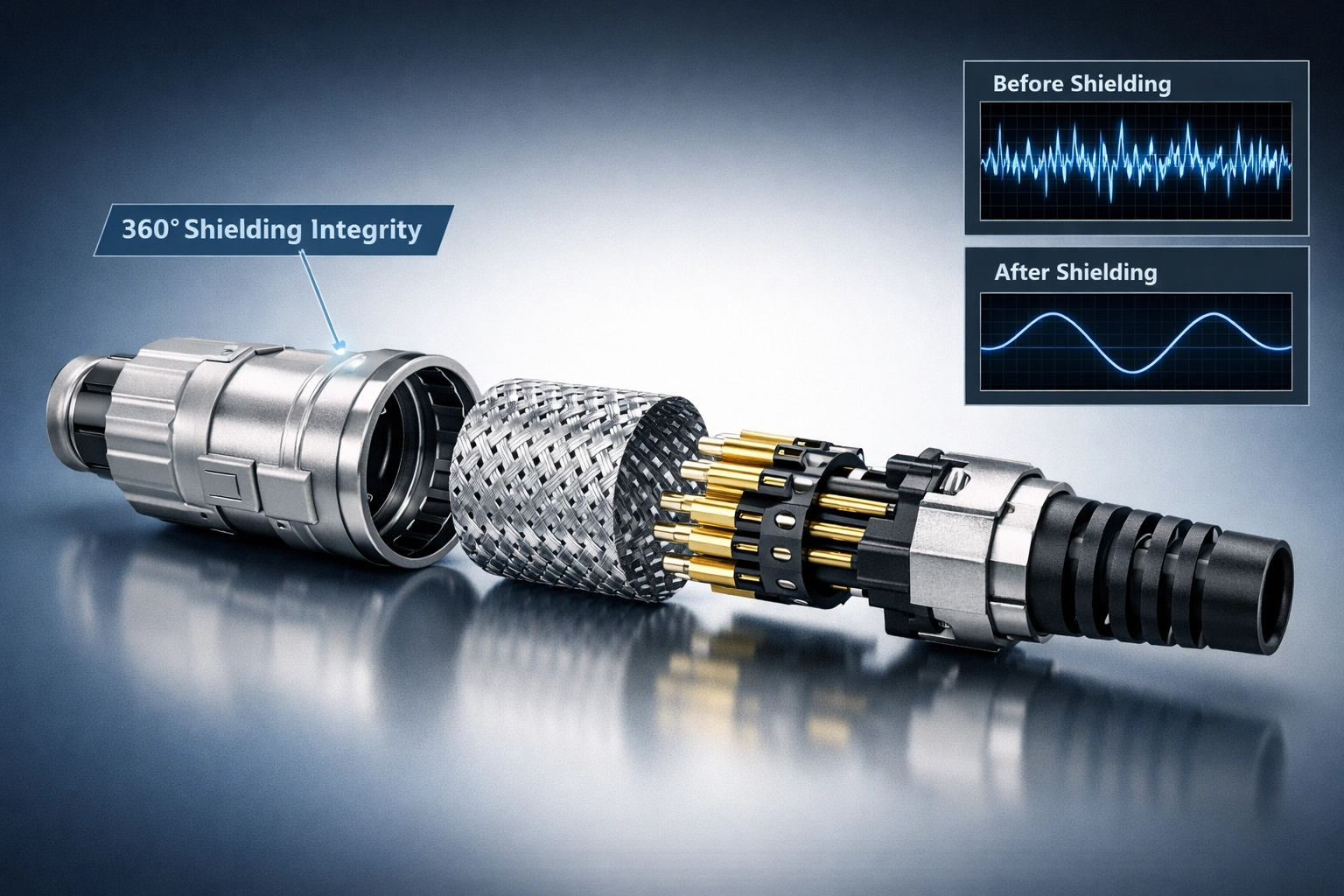
Overcoming EMI in High-Speed Automation
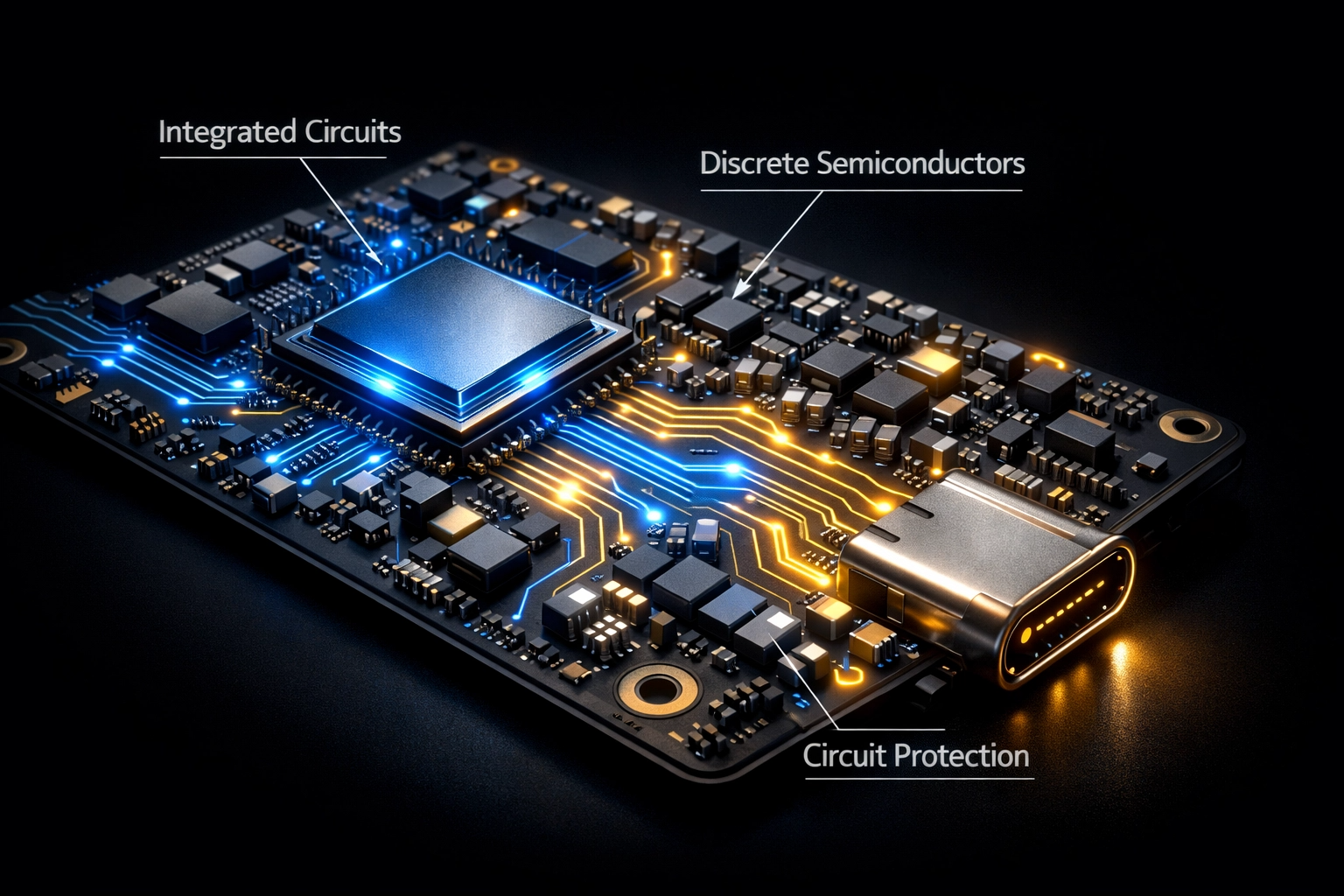
A Comprehensive Layout and Component Selection Guide
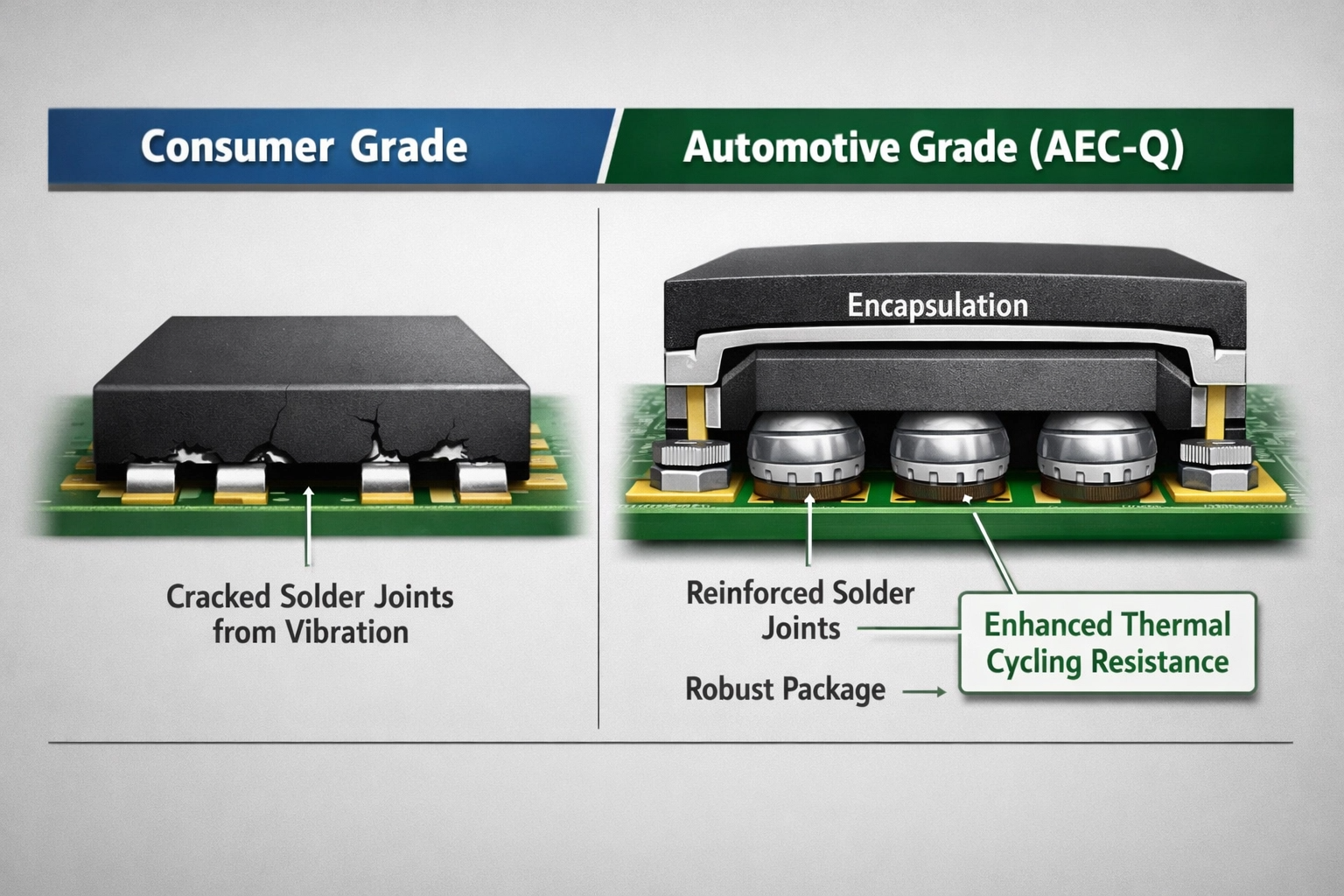
A Deep Dive into AEC-Q Standards and IATF 16949 Compliance







"Finding reliable high-voltage contactors for our EV platform was a major bottleneck until we partnered with this team. Their stock of 800V components is impressive and, more importantly, fully traceable. The packaging was professional, ensuring no static damage during transit. Truly a lifesaver for our production line."
"We were desperately searching for specific power management chips that were on a long backorder elsewhere. They managed to ship original factory parts within 48 hours, which kept our automation project on schedule. Communication was transparent and the technical data sheets provided were accurate. Highly recommend for urgent sourcing needs."
"The quality of the magnetic hydraulic circuit breakers we received exceeded our expectations for the price point. It’s clear they have a rigorous quality inspection process in place before shipping. We've integrated their parts into our latest battery storage units with zero failure rates so far. A very dependable partner for long-term supply."
"In this industry, trust is everything, especially when dealing with high-voltage fuses and relays. This company consistently provides genuine products that meet our strict safety certifications for the EU market. Their team is knowledgeable and helped us navigate the technical nuances of the components. Their export logistics to Spain are seamless."
"Managing End-of-Life (EOL) components is a constant struggle, but their database for legacy ICs is a goldmine. I was able to secure a batch of LCD driver ICs that our previous suppliers claimed were impossible to find. Every chip was tested and worked perfectly in our HMI repair prototypes. They are now my go-to for hard-to-find semiconductors."
"I appreciate how they handle smaller, specialized orders with the same urgency as bulk shipments. We needed specific pressure sensors for a fleet of diesel engines, and they arrived in the UK perfectly labeled and documented. Their attention to detail on the commercial invoice made customs clearance a breeze. Great service and even better product quality."
