In modern industrial automation, switching power safely and reliably at elevated voltage levels is a fundamental engineering challenge. The high voltage contactor has become one of the most critical components in automated manufacturing systems, energy storage platforms, and heavy industrial equipment. Understanding why manufacturers depend so heavily on this technology reveals how deeply it is embedded in the logic of safe, scalable, and efficient production.
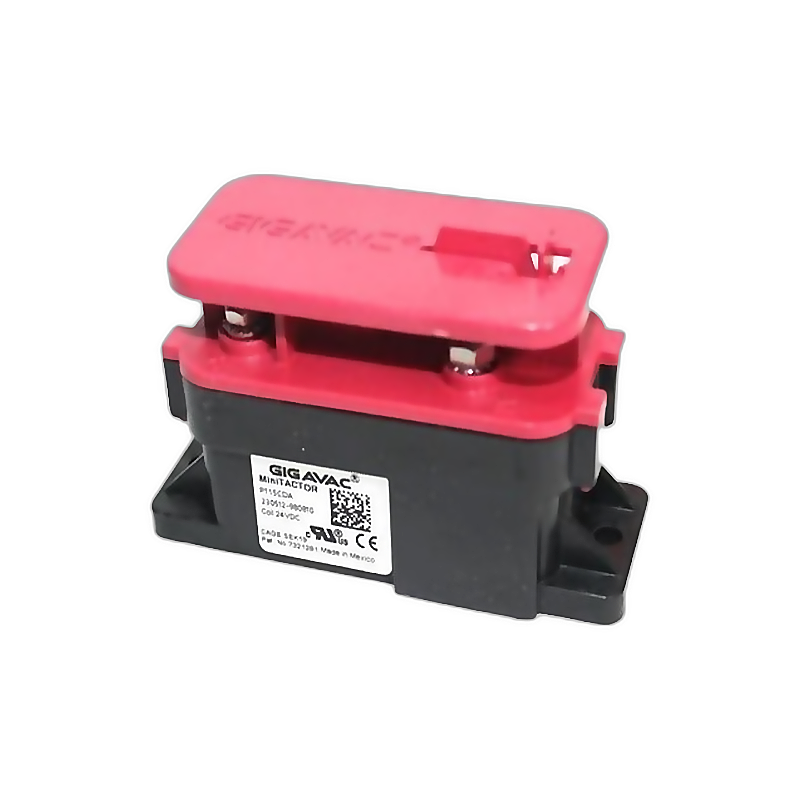
A high voltage contactor is an electrically controlled switch designed to handle high current loads at elevated DC or AC voltages, often ranging from several hundred to over 1500 volts. Unlike standard relays, a high voltage contactor is engineered with robust arc suppression, superior isolation, and thermal resilience that standard switching components simply cannot provide. Manufacturers across clean energy, industrial robotics, material handling, and EV charging infrastructure have all recognized that a properly rated high voltage contactor is not optional — it is foundational.
The Role of High Voltage Contactor in Automation Safety
Protecting Circuits and Personnel
Safety is the primary reason manufacturers specify a high voltage contactor in automated systems. When a high voltage contactor opens or closes a circuit carrying hundreds of amperes at 800V or more, it must do so without generating damaging arcs that could destroy equipment or endanger workers. A well-engineered high voltage contactor incorporates sealed arc-quenching chambers or magnetic blowout mechanisms that neutralize dangerous electrical arcs instantly. This level of protection is critical in automated lines where switching events happen frequently and often without direct human supervision.
Modern high voltage contactor designs also provide superior dielectric isolation between the coil circuit and the power contacts. This isolation ensures that control signals remain completely separated from high-power circuits, reducing the risk of control system damage or personnel injury. When manufacturers evaluate a high voltage contactor for their automation architecture, the isolation rating is often among the top selection criteria.
Compliance with Industrial Safety Standards
Regulatory compliance is another key driver. A certified high voltage contactor must meet standards such as IEC 60947, UL 508, or equivalent directives depending on the market. Manufacturers cannot deploy automation equipment commercially without verified component certification. Choosing a qualified high voltage contactor means the entire system is easier to certify, reducing time-to-market and liability exposure significantly.
High Voltage Contactor Performance in Demanding Environments
Thermal and Electrical Resilience
Automated manufacturing environments are rarely gentle. Equipment faces temperature extremes, vibration, humidity, and continuous duty cycles. A robust high voltage contactor is designed to maintain consistent contact resistance and mechanical integrity across thousands or even millions of switching cycles. The materials used in the contacts of a high voltage contactor — typically silver alloys or copper composites — are selected for minimal oxidation and erosion under sustained load conditions.
In battery energy storage systems and EV infrastructure, the high voltage contactor must perform reliably during both normal operation and fault conditions. When a battery management system commands a high voltage contactor to disconnect under overload, the response must be both fast and clean. Sluggish or inconsistent switching in a high voltage contactor can cause cascading failures that damage expensive battery packs or disrupt production entirely.
Long Service Life and Reduced Downtime
Manufacturers operate under intense pressure to minimize unplanned downtime. The mechanical and electrical lifespan of a high voltage contactor directly impacts maintenance intervals and system availability. A high-quality high voltage contactor rated for one million or more operations delivers measurable reductions in maintenance costs. Facilities that have replaced lower-rated switching components with a properly specified high voltage contactor consistently report longer uptime and fewer emergency shutdowns.
The coil design of a high voltage contactor also contributes to long service life. Economy-mode coil drivers reduce heat buildup in the coil winding after the high voltage contactor has engaged, extending coil lifespan without sacrificing pull-in reliability. This thermal management feature is especially valuable in high-cycle automation environments where the high voltage contactor is energized for extended periods.
High Voltage Contactor Integration in Automation Systems
Compatibility with Modern Control Architectures
Today's automation systems rely on PLCs, SCADA platforms, and digital control networks to manage switching logic. A modern high voltage contactor must interface cleanly with these systems. Most industrial-grade high voltage contactor units accept standard 24VDC coil signals, making them directly compatible with PLC output modules. Some high voltage contactor models also provide auxiliary contact outputs for status feedback, enabling real-time monitoring of contactor state within the control system.
This integration capability means a high voltage contactor is not simply a passive switching device — it becomes an active node in the automation network. Engineers designing automated lines can use the status feedback from each high voltage contactor to implement predictive maintenance logic, detecting early signs of contact wear before a fault occurs. This diagnostic capability adds significant operational intelligence to systems that previously relied purely on scheduled maintenance.
Scalable Design for Diverse Automation Applications
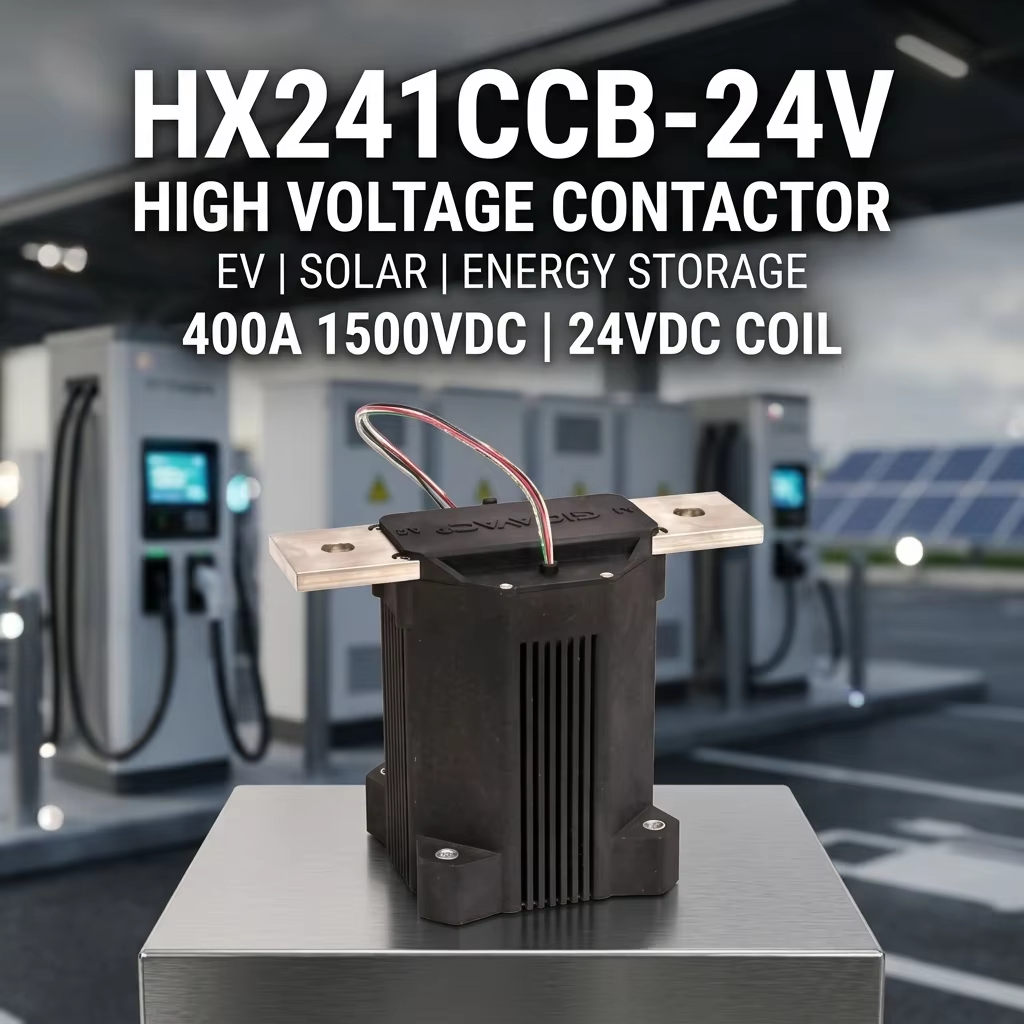
From small robotic work cells to large-scale photovoltaic inverter stations, the high voltage contactor must be available in configurations that match the application's voltage and current demands. A high voltage contactor rated at 400A and 1500VDC maximum covers a broad range of industrial and clean energy applications without requiring custom switching solutions. This scalability makes the high voltage contactor a preferred choice for system integrators who need reliable, off-the-shelf components for diverse project specifications.
Manufacturers also value the compact form factor that modern high voltage contactor designs offer. In densely packed control cabinets or battery enclosures, a slim-profile high voltage contactor saves valuable space while delivering full-rated performance. The combination of high performance and physical compactness makes the high voltage contactor indispensable in sophisticated automation designs where every cubic centimeter matters.
FAQ
What voltage range does a high voltage contactor typically support?
A high voltage contactor designed for industrial automation typically supports DC voltages from 400V up to 1500VDC, depending on the model and application. Always verify the rated insulation voltage and operating voltage of the high voltage contactor against your system requirements before installation.
How does a high voltage contactor differ from a standard relay?
A high voltage contactor is specifically engineered for high current and high voltage switching, featuring arc suppression, heavy-duty contacts, and superior isolation. A standard relay lacks these design features and is not suitable for the demanding conditions where a high voltage contactor is required.
Can a high voltage contactor be used in renewable energy systems?
Yes, a high voltage contactor is widely used in solar inverters, battery energy storage systems, and EV charging stations. Its ability to handle high DC voltages with reliable arc suppression makes the high voltage contactor a standard component in clean energy infrastructure and grid-tied automation systems.
 EN
EN