 EN

Why-do-manufacturers-use-thermal-circuit-breaker-solutions-in-automation, Why-do-manufacturers-use-thermal-circuit-breaker-solutions-in-automation, /news
EN
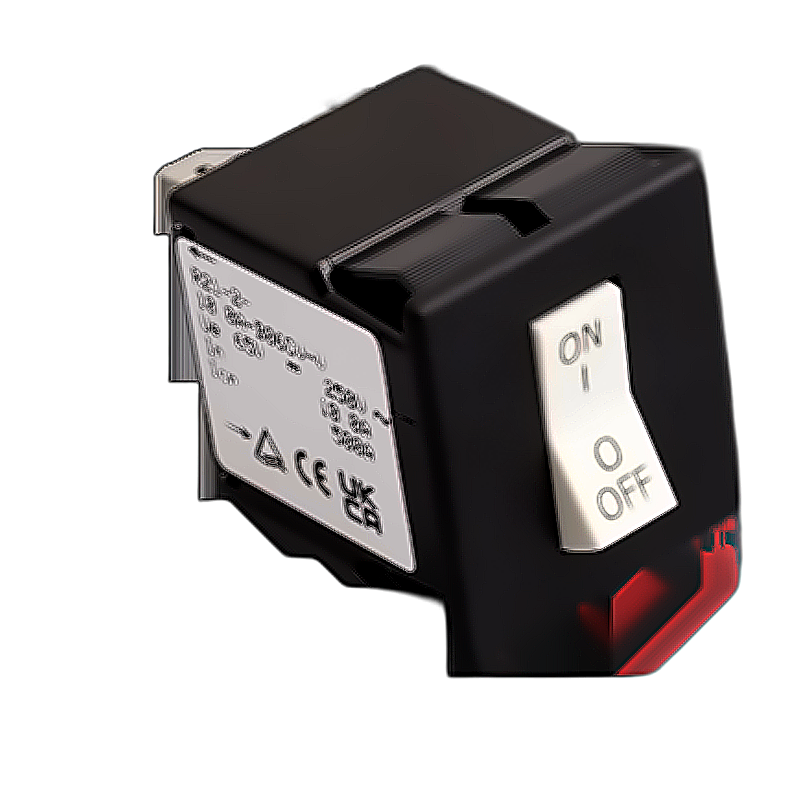
In automation systems, electrical faults don't stay contained—one overcurrent event can damage a motor, take down a control panel, or trigger a cascade shutdown across an entire production line. Thermal circuit breaker solutions are widely adopted because they address this risk automatically, without operator intervention, and with predictable performance across millions of operations.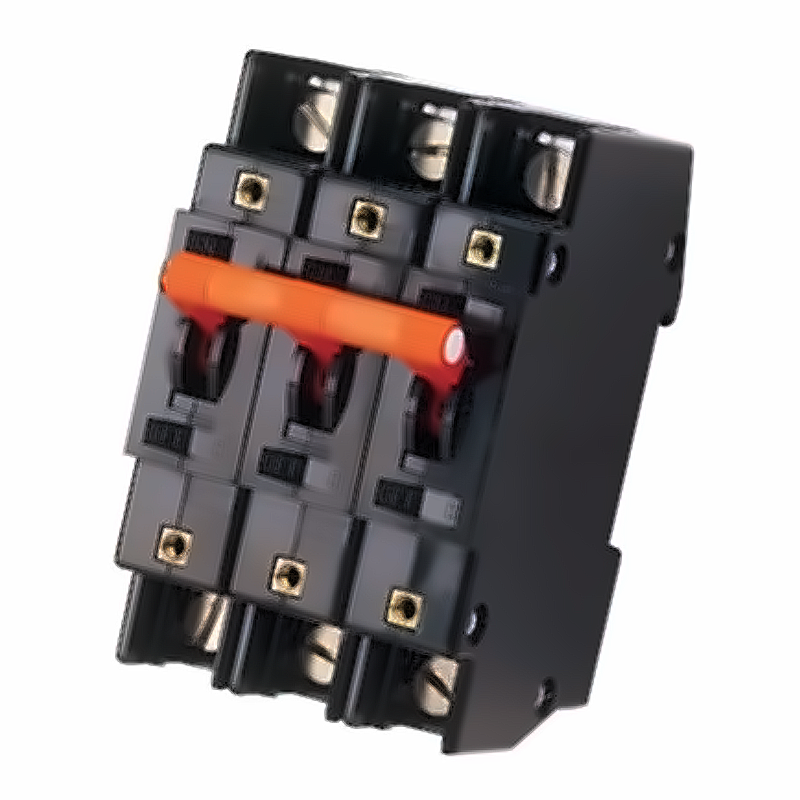
The question of why manufacturers rely on these devices comes down to reliability, cost protection, and system integration. Below, we break down the practical reasons thermal protection has become standard in industrial automation.
At its core, a thermal circuit breaker works through a bimetallic strip that heats up as current flows through it. When sustained overcurrent causes the strip to reach a threshold temperature, it bends and trips the mechanism—opening the circuit automatically. This response doesn't depend on a worker noticing an anomaly, or on a sensor sending an alert to a control room. The device itself acts the moment conditions cross the rated threshold.
This automatic behavior matters in automation environments where production runs 24/7 and operators may not be physically present at every panel. By the time a human detects overheating, the damage may already be done. The breaker interrupts the circuit in seconds, limiting fault duration and reducing the chance of equipment burnout or fire.
Modern automation systems are highly interconnected: a fault in one motor circuit can feed back into the power distribution bus, affecting drives, PLCs, and instrumentation on adjacent branches. Thermal breakers placed at strategic points—main service entrance, sub-panels, individual motor circuits—create compartmentalized protection zones.
When a fault occurs on one branch, the device on that branch trips. The rest of the system stays online. This compartmentalization limits the impact of a single failure, which is a major factor in reducing unplanned downtime. Depending on the system architecture, isolating a fault quickly can mean the difference between a minor incident and a full line shutdown.
Unlike fuses, which degrade with age and may blow unpredictably, thermal circuit breakers provide consistent, documented trip characteristics. Engineers can design protection coordination around these curves: selecting the right trip class (Class 10, 20, 30) for motor applications, coordinating upstream and downstream devices so the closest breaker trips first, and validating the whole hierarchy during commissioning.
This predictability is important for compliance and safety validation. When the device behaves according to its published curve, system designers can verify that protection will work as intended—not just hope it will. It also simplifies troubleshooting: if a breaker trips, engineers know the cause is overcurrent, and can diagnose the root cause methodically rather than dealing with unexplained failures.
Fuses are cheap upfront, but they're disposable. Every fault means buying a replacement fuse, scheduling someone to find it, install it, and verify the circuit. Over months and years, these labor and material costs add up. A thermal circuit breaker resets manually or automatically after cooling—no replacement parts, no emergency procurement, no waiting for a fuse shipment.
The bigger cost equation, though, is equipment protection itself. A single three-phase motor or servo drive damaged by an overcurrent event can cost thousands of dollars in parts and lost production. The breaker itself costs a fraction of that. In typical operations, the device pays for itself the first time it prevents a major fault.
Electrical components degrade not just from catastrophic failures, but from repeated thermal stress. Even small overcurrent events that don't cause immediate damage heat up motor windings, insulation, and connections—accelerating aging over time. A thermal circuit breaker prevents these cumulative stress events by keeping current within design limits.
When equipment operates within its rated parameters, insulation lasts longer, motor windings stay cooler, and connection points don't degrade from repeated heating. This extended lifespan translates to longer replacement cycles and better return on capital invested in automation equipment.
Contemporary thermal breakers go beyond basic trip functionality. Many models include auxiliary contacts that send status signals to PLCs or SCADA systems—alerting operators when a breaker has tripped, or providing feedback on device health. Some advanced units include remote trip capability, current monitoring, and communication protocols that fit into Industry 4.0 and predictive maintenance frameworks.
This integration means the device isn't just a passive safety component—it's a data point in the overall automation system. Maintenance teams can track trip frequency, identify recurring fault patterns, and schedule targeted repairs before a small issue becomes a major shutdown.
Industrial electrical codes mandate overcurrent protection for virtually every circuit in an automated facility. Thermal circuit breakers are engineered to meet IEC, UL, and regional standards, with documented trip characteristics and environmental ratings. Using standardized units simplifies compliance verification: inspectors can reference published specs rather than evaluating custom protection solutions.
Standardization also simplifies scaling. When a manufacturer deploys the same breaker platform across multiple facilities, maintenance teams learn one product, inventory one set of spare parts, and design protection consistently across lines. This reduces training overhead and simplifies procurement.
The protection benefits above depend on the device actually performing to its rated specifications. Counterfeit or reclaimed breakers may use inferior bimetallic elements, inaccurate trip calibrations, or fake certification markings. In an automation environment where protection is safety-critical, a breaker that trips at the wrong current—or doesn't trip at all—creates real risk.
When sourcing thermal circuit breakers for industrial automation, work with distributors that provide full traceability, incoming inspection, and clear classification of factory-sealed vs. surplus inventory. Verified supply chain partners help ensure every unit meets original manufacturer specifications—so the protection curves and safety ratings in the datasheet actually hold up in the field.
Thermal breakers respond to sustained overcurrent through a bimetallic strip that heats and bends, automatically opening the circuit. Unlike fuses—which must be replaced after each fault—the device can be reset once it cools. Unlike manual disconnects, it operates without operator intervention. The result is repeatable, automatic protection that doesn't consume replacement parts.
Modern thermal breakers include adjustable trip settings (Class 10, 20, 30) that accommodate motor inrush current during startup while still protecting against sustained faults. Engineers calibrate the trip threshold to match the motor's specific characteristics and load profile, which helps reduce nuisance trips while maintaining genuine fault protection.
Many models are built with environmental sealing, corrosion-resistant contacts, and wide operating temperature ranges that suit outdoor and harsh settings. Enclosure ratings and contact materials can be selected to match specific conditions—from food processing plants to chemical-exposure facilities. It's worth verifying the device's rated temperature range and IP rating against the actual installation environment.
The electronic components market is constantly evolving. From global supply chain updates to the latest semiconductor technology trends, our blog provides the professional perspective you need to stay informed and competitive.
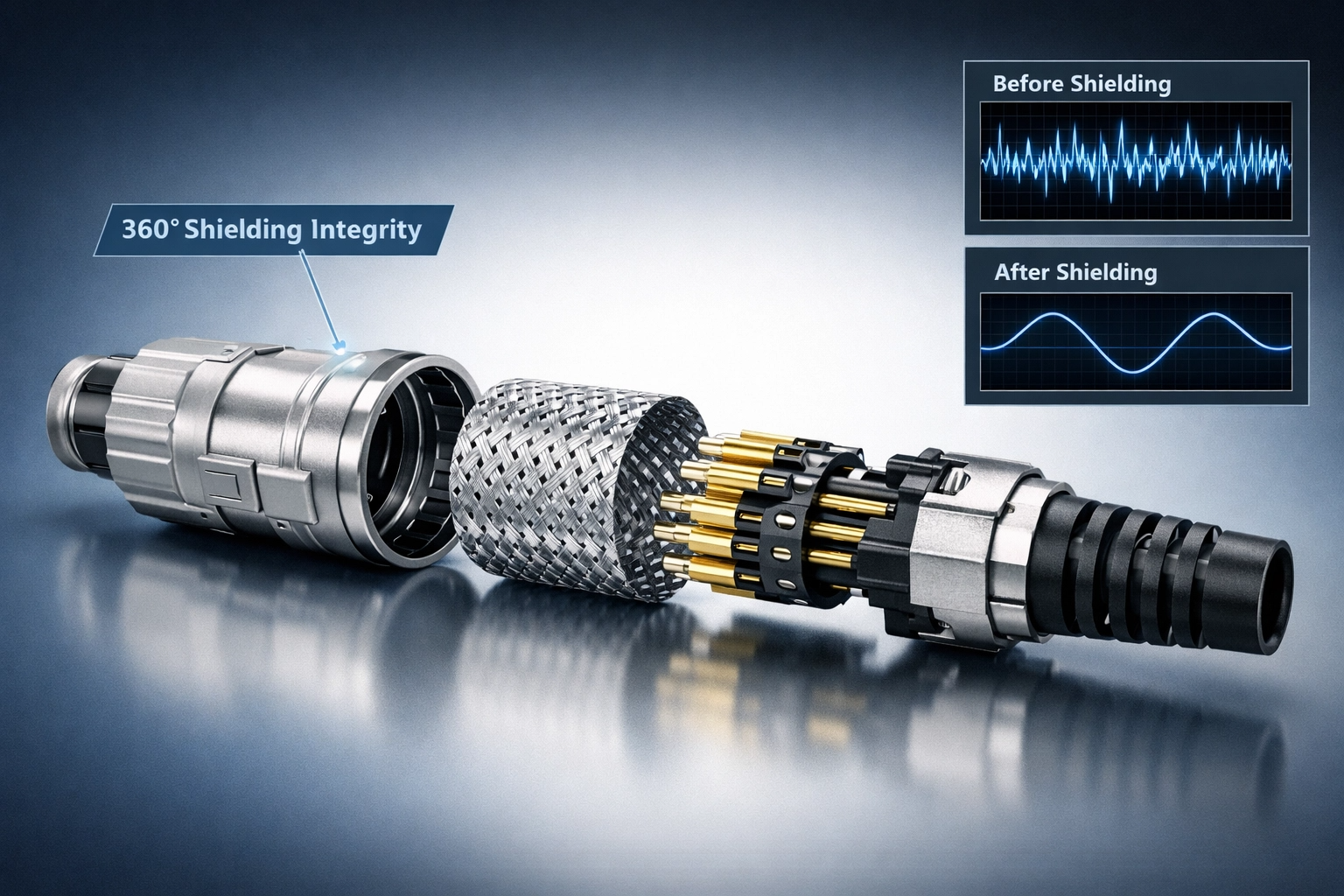
Overcoming EMI in High-Speed Automation
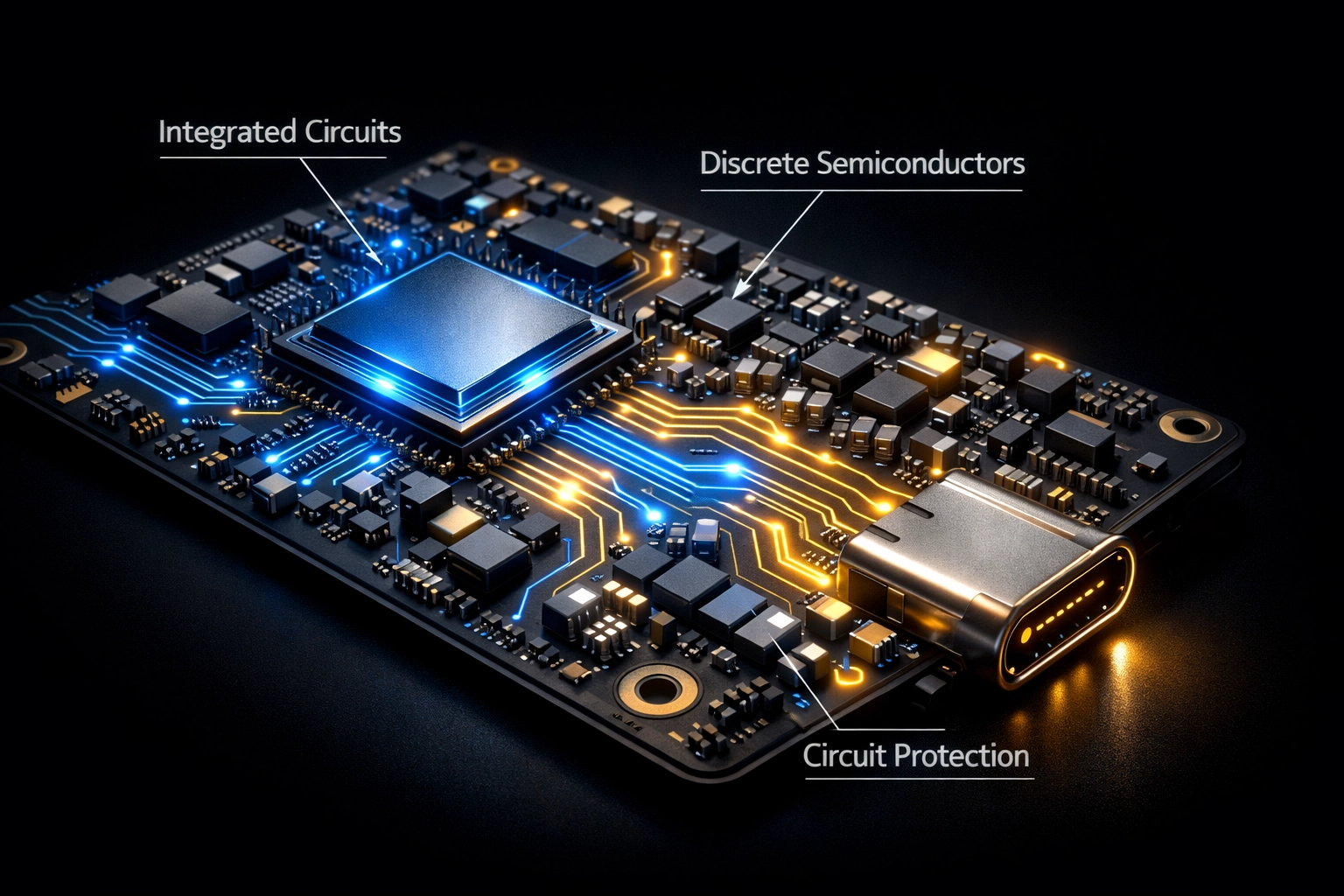
A Comprehensive Layout and Component Selection Guide
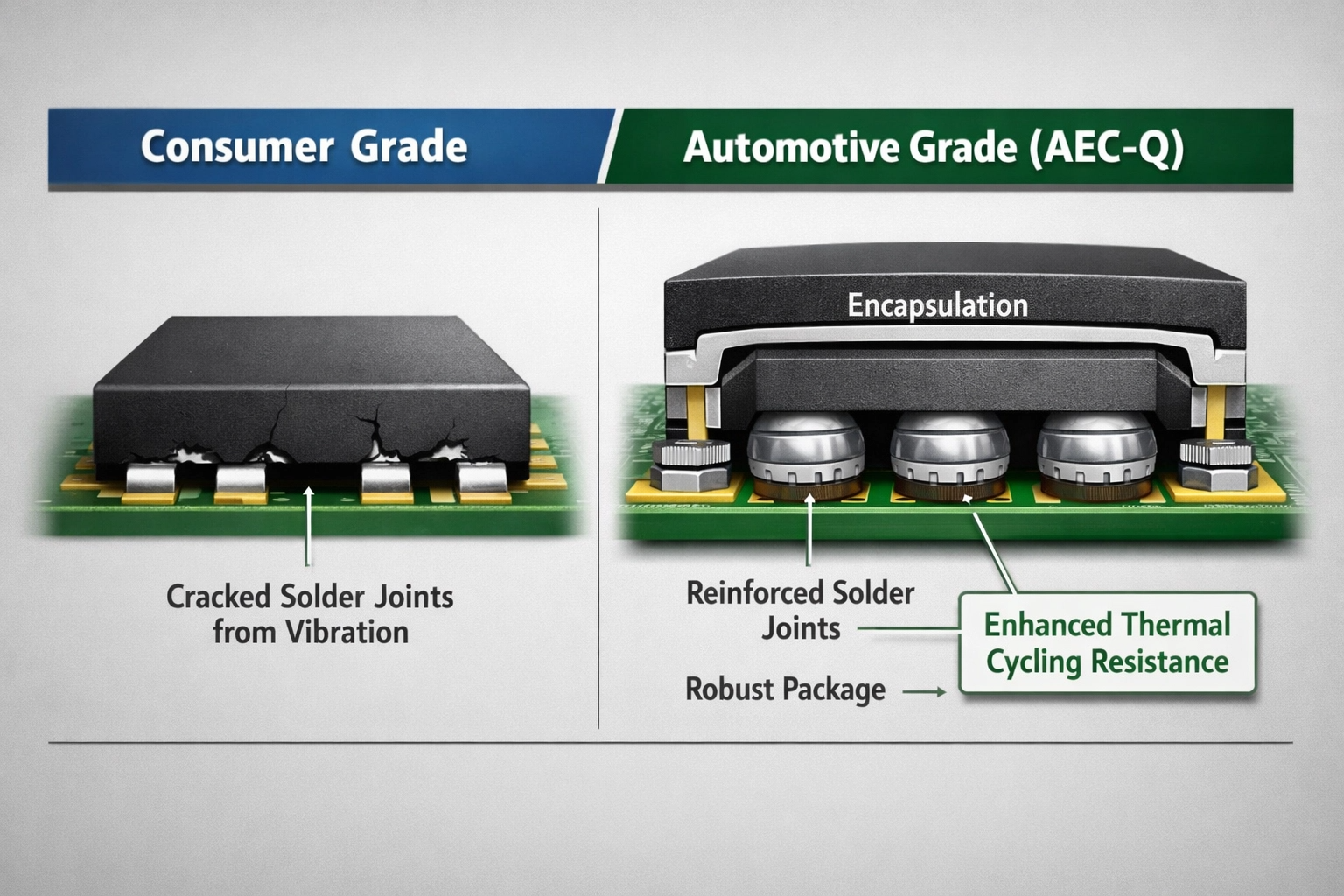
A Deep Dive into AEC-Q Standards and IATF 16949 Compliance






"Finding reliable high-voltage contactors for our EV platform was a major bottleneck until we partnered with this team. Their stock of 800V components is impressive and, more importantly, fully traceable. The packaging was professional, ensuring no static damage during transit. Truly a lifesaver for our production line."
"We were desperately searching for specific power management chips that were on a long backorder elsewhere. They managed to ship original factory parts within 48 hours, which kept our automation project on schedule. Communication was transparent and the technical data sheets provided were accurate. Highly recommend for urgent sourcing needs."
"The quality of the magnetic hydraulic circuit breakers we received exceeded our expectations for the price point. It’s clear they have a rigorous quality inspection process in place before shipping. We've integrated their parts into our latest battery storage units with zero failure rates so far. A very dependable partner for long-term supply."
"In this industry, trust is everything, especially when dealing with high-voltage fuses and relays. This company consistently provides genuine products that meet our strict safety certifications for the EU market. Their team is knowledgeable and helped us navigate the technical nuances of the components. Their export logistics to Spain are seamless."
"Managing End-of-Life (EOL) components is a constant struggle, but their database for legacy ICs is a goldmine. I was able to secure a batch of LCD driver ICs that our previous suppliers claimed were impossible to find. Every chip was tested and worked perfectly in our HMI repair prototypes. They are now my go-to for hard-to-find semiconductors."
"I appreciate how they handle smaller, specialized orders with the same urgency as bulk shipments. We needed specific pressure sensors for a fleet of diesel engines, and they arrived in the UK perfectly labeled and documented. Their attention to detail on the commercial invoice made customs clearance a breeze. Great service and even better product quality."
