DC Switch Solutions: Reliable Power Control

Your Trusted Partner in Electronics Supply Chain. Inquire Now!

Explore Our Latest Smart Electronics Collection.

, , 
Inquiry
Inquiry

dc switch

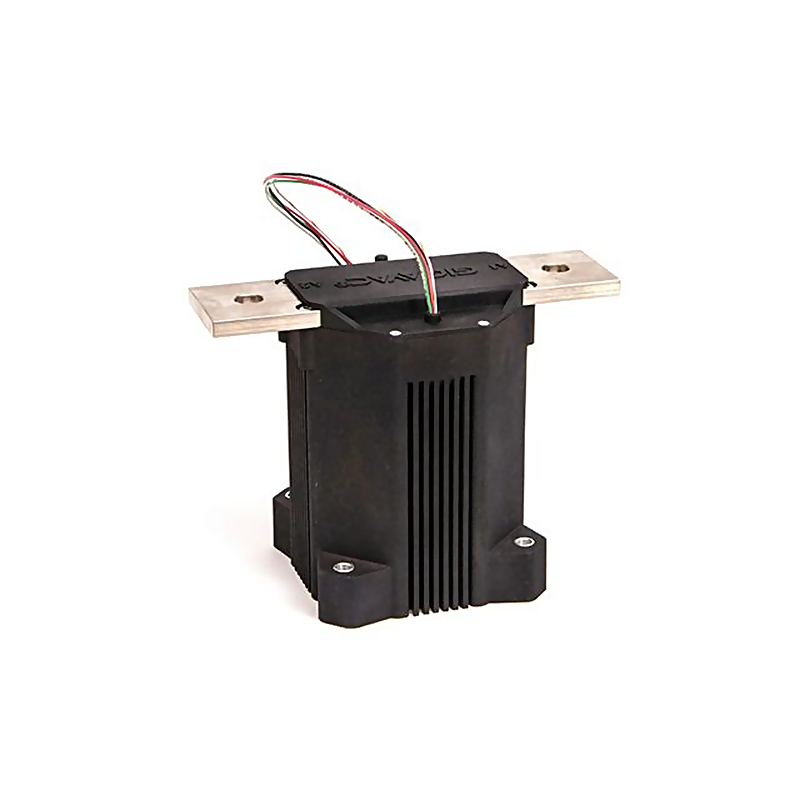
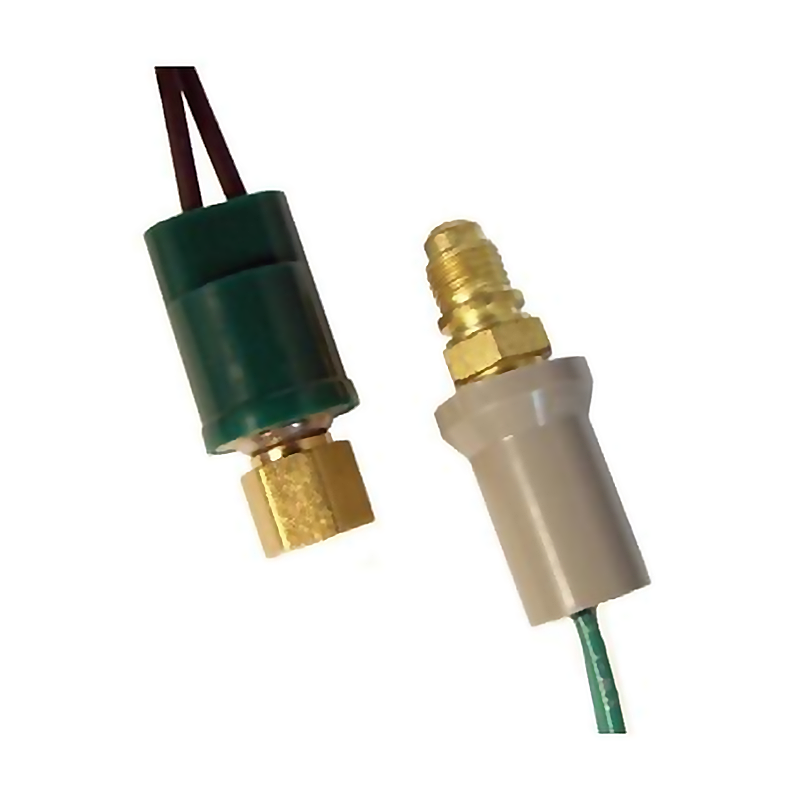
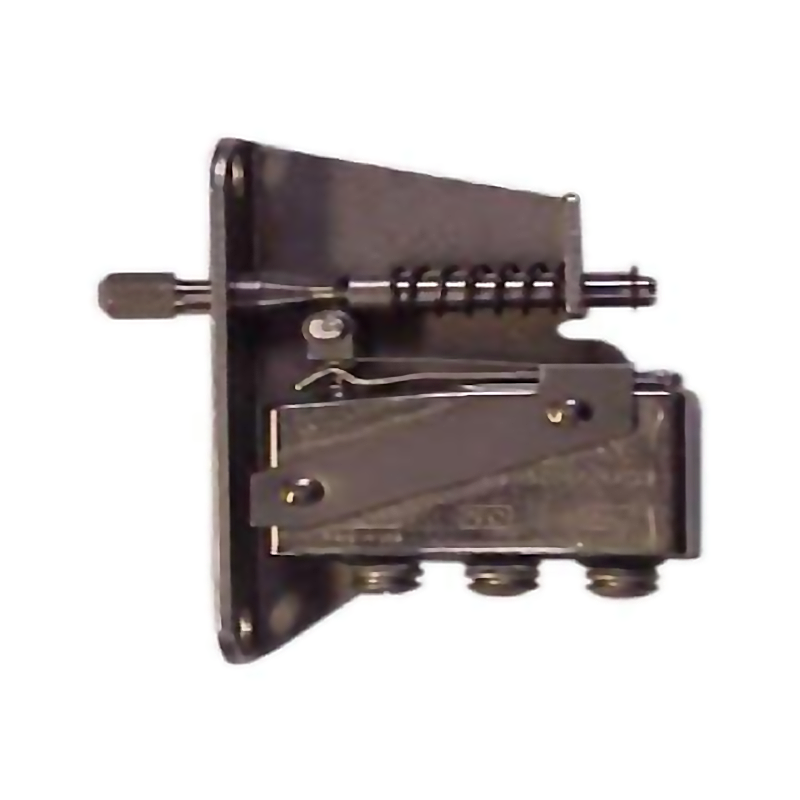
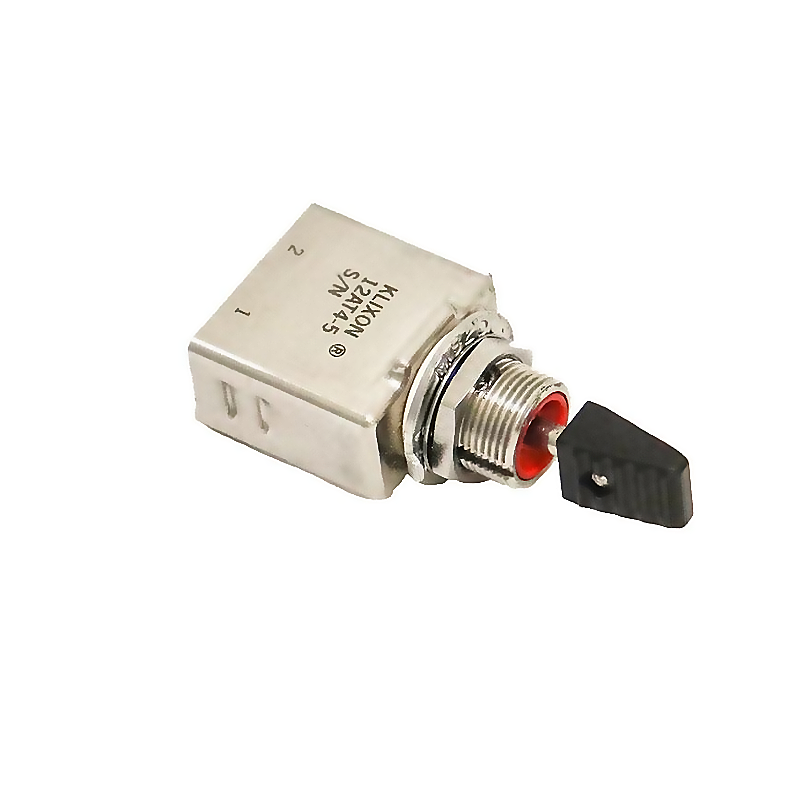
A dc switch is an essential electrical component designed to control the flow of direct current in various power systems and electronic circuits. Unlike traditional alternating current switches, a dc switch specifically handles the unique characteristics of direct current, including arc suppression and voltage stability during switching operations. This specialized device plays a critical role in managing power distribution, protecting equipment, and ensuring safe operation in dc-powered applications. The dc switch incorporates advanced contact materials and arc-extinguishing mechanisms that effectively interrupt current flow without causing damage to the system. Modern dc switch designs feature robust construction with precise contact alignment, ensuring reliable performance across thousands of switching cycles. These switches are engineered to handle specific voltage and current ratings, making them suitable for applications ranging from low-voltage battery systems to high-voltage industrial power networks. The technological features of a dc switch include enhanced contact resistance management, thermal stability, and superior arc suppression capabilities compared to standard switches. Applications span across renewable energy systems, electric vehicles, telecommunications equipment, data centers, marine electrical systems, railway infrastructure, and industrial automation. The dc switch provides manual or automated control over circuit connections, enabling operators to safely energize or de-energize equipment while maintaining system integrity and preventing electrical hazards.
Investing in a quality dc switch delivers immediate operational benefits that directly impact your bottom line and system reliability. First, these switches provide superior safety protection by effectively managing the unique arc characteristics of direct current, which can be more challenging to extinguish than alternating current arcs. This means reduced risk of equipment damage and enhanced personnel safety during switching operations. The dc switch offers exceptional durability and longevity, capable of performing hundreds of thousands of switching cycles without significant degradation, which translates to lower maintenance costs and fewer unexpected system failures. Users benefit from precise current control and minimal contact resistance, ensuring efficient power transmission with reduced energy losses and heat generation. The application suitability of a dc switch makes it indispensable for modern renewable energy installations, where solar panels and battery storage systems require reliable dc power management. For electric vehicle charging infrastructure and battery management systems, the dc switch enables safe connection and disconnection under load conditions. Industrial facilities appreciate the operational flexibility these switches provide, allowing for scheduled maintenance and emergency shutdown procedures without compromising system integrity. The decision to implement a dc switch becomes clear when considering total cost of ownership, as the initial investment is offset by extended service life, reduced downtime, and improved system efficiency. These switches accommodate various mounting configurations and environmental conditions, offering versatility across diverse applications. Ultimately, the dc switch represents a practical solution that combines safety, reliability, and performance in a single component engineered specifically for direct current applications.

Practical Tips

Why do manufacturers use contactor&relay systems in automated machinery?

12

Jun

Why do manufacturers use contactor&relay systems in automated machinery?

View More
What advantages do ic solutions provide for embedded electronic system development?

12

Jun

What advantages do ic solutions provide for embedded electronic system development?

View More
How does a mosfet transistor reduce energy loss in electronic equipment?

12

Jun

How does a mosfet transistor reduce energy loss in electronic equipment?

View More
Advanced Arc Suppression Technology

Advanced Arc Suppression Technology

The dc switch incorporates cutting-edge arc suppression technology that addresses one of the most challenging aspects of direct current switching. When contacts separate under load, direct current tends to maintain a continuous arc due to the absence of natural current zero-crossings found in alternating current systems. This specialized dc switch utilizes magnetic blow-out coils, arc chutes, and specialized contact materials to rapidly extinguish arcs and prevent contact erosion. The magnetic fields generated during switching operations force the arc into designated extinguishing chambers where it is cooled and elongated until it can no longer sustain itself. This sophisticated mechanism protects both the switch contacts and connected equipment from damage, significantly extending operational lifespan. Users benefit from consistent switching performance even under high-current conditions, with minimal maintenance requirements. The arc suppression capabilities of a dc switch ensure that switching operations remain safe and reliable across the full range of rated currents, preventing potential fire hazards and equipment failures that could result from uncontrolled arcing.
Optimized Contact Design for DC Applications

Optimized Contact Design for DC Applications

Every dc switch features meticulously engineered contact systems specifically optimized for direct current characteristics. The contact materials are carefully selected alloys that resist welding, oxidation, and erosion under dc switching conditions, ensuring low and stable contact resistance throughout the switch's service life. The contact geometry and force distribution are precisely calculated to maintain secure electrical connections while allowing smooth operation with minimal mechanical wear. This attention to contact design results in extremely low voltage drops across closed contacts, maximizing system efficiency and minimizing heat generation during normal operation. The dc switch contact system maintains its integrity across extreme temperature ranges and environmental conditions, making it suitable for demanding industrial applications. Enhanced contact pressure mechanisms ensure that even after millions of operations, the electrical connection remains reliable and consistent. This specialized contact design differentiates a dc switch from generic switching devices, providing users with confidence that their critical power systems will operate without interruption. The superior contact performance directly translates to reduced energy losses, lower operating temperatures, and extended equipment life across connected systems.
Versatile Application Integration

Versatile Application Integration

The dc switch demonstrates remarkable versatility across an expanding range of modern applications requiring direct current control. In renewable energy systems, the dc switch enables safe isolation of solar panel arrays, battery banks, and power conditioning equipment, facilitating maintenance and emergency response procedures. Electric vehicle infrastructure relies heavily on dc switch technology for battery management, charging station controls, and vehicle power distribution systems. Telecommunications facilities utilize these switches to manage backup power systems and ensure uninterrupted service during grid outages. Marine and railway applications depend on the dc switch for reliable power distribution in harsh environmental conditions where vibration, moisture, and temperature extremes challenge conventional switching devices. Data centers increasingly adopt dc power distribution architectures to improve efficiency, with the dc switch serving as a critical component for managing redundant power paths and equipment isolation. Industrial automation systems incorporate these switches for motor control, emergency stop circuits, and power distribution management. The adaptability of a dc switch across such diverse applications stems from available configurations including various current ratings, voltage classes, mounting options, and control mechanisms ranging from manual operation to remote automated control integrated with supervisory systems.