Precision Switch Solutions for Reliable Control

Your Trusted Partner in Electronics Supply Chain. Inquire Now!

Explore Our Latest Smart Electronics Collection.

, , 
Inquiry
Inquiry

precision switch

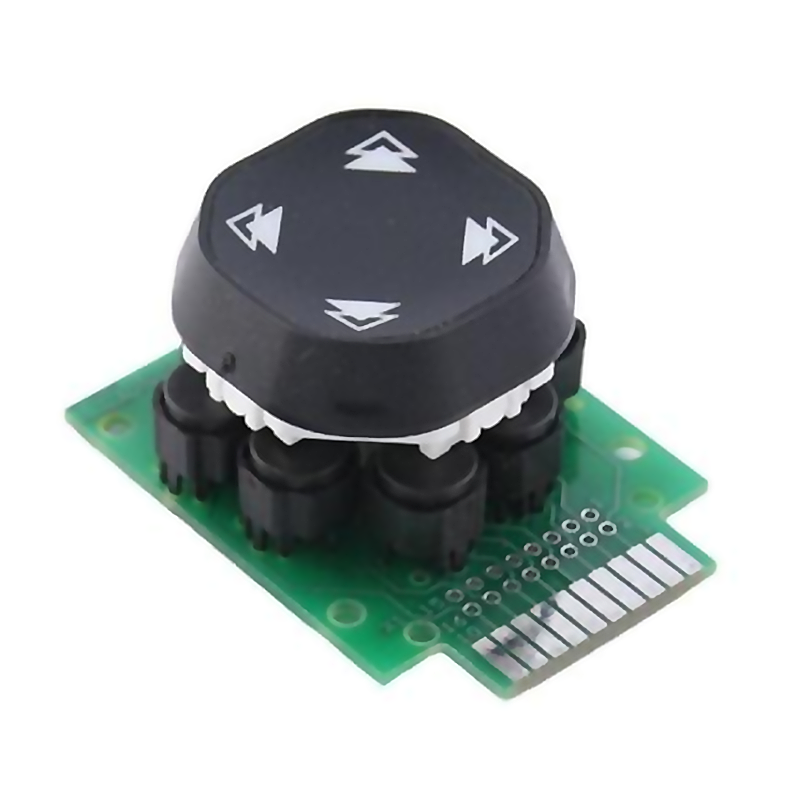
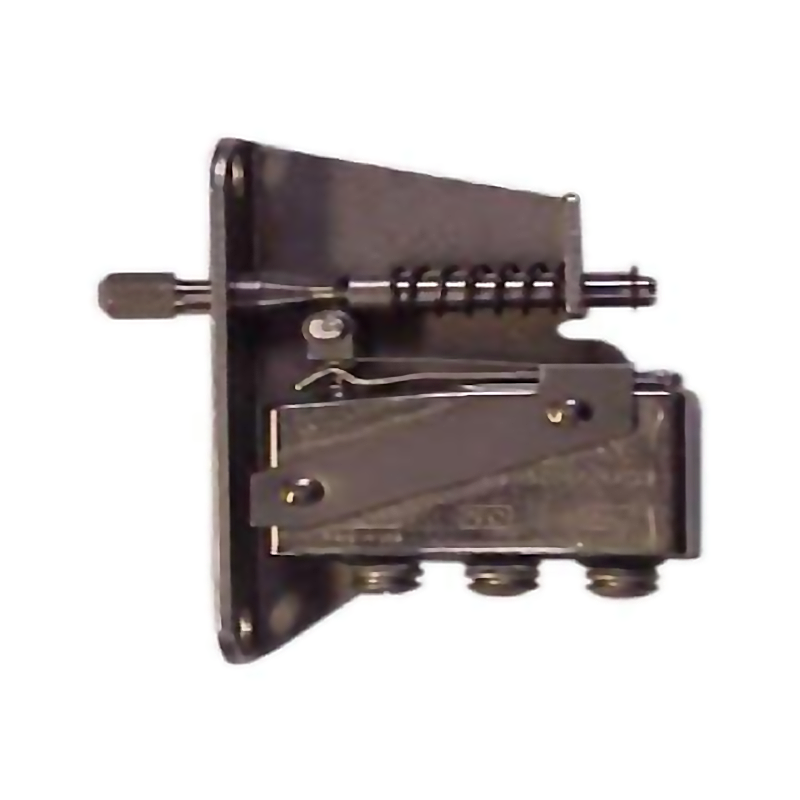
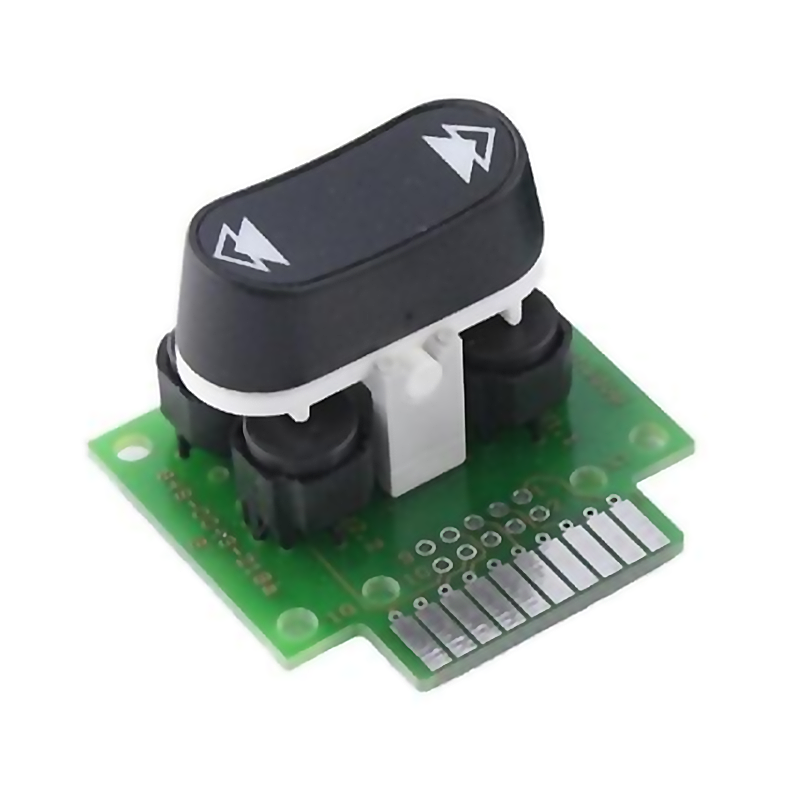
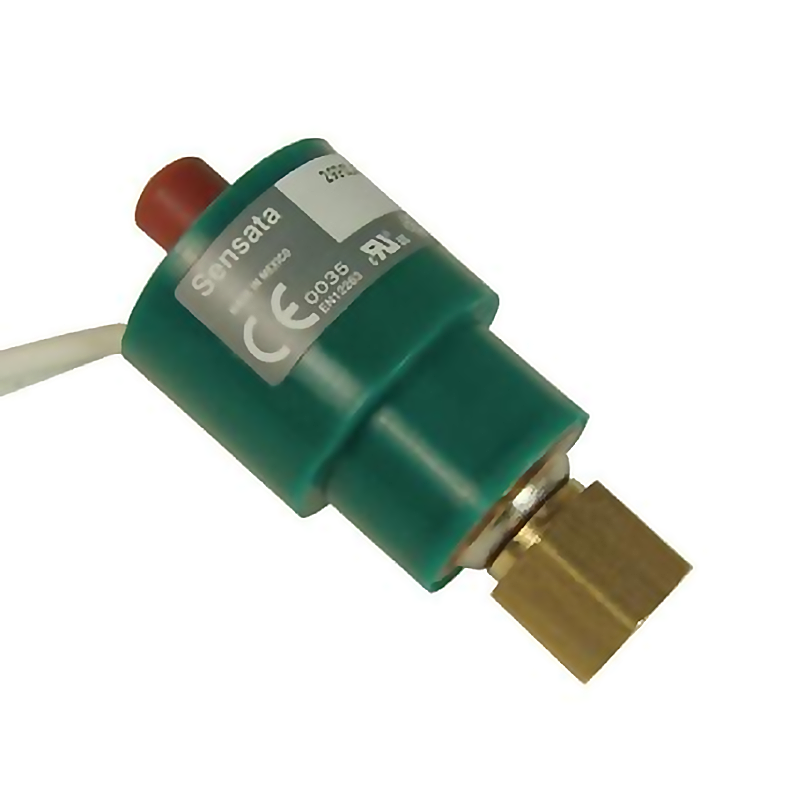
A precision switch is an advanced electromechanical component designed to deliver highly accurate and reliable switching performance in demanding applications. This specialized device operates by detecting specific physical changes such as position, pressure, or temperature, then triggering an electrical response with exceptional repeatability and consistency. The precision switch incorporates sophisticated internal mechanisms that ensure minimal contact bounce, stable actuation points, and extended operational life. Its core functions include accurate signal detection, consistent switching operations, and reliable circuit control across millions of cycles. Technologically, these switches feature precision-engineered contact materials, carefully calibrated spring mechanisms, and robust housing designs that protect against environmental factors. The precision switch utilizes advanced manufacturing techniques to maintain tight tolerances, typically within micrometers, ensuring that each actuation occurs at exactly the specified threshold. Common applications span industrial automation systems, medical diagnostic equipment, aerospace control panels, automotive safety systems, and consumer electronics requiring dependable performance. In manufacturing environments, the precision switch monitors machine positions and safeguards equipment operations. Within medical devices, it provides critical feedback for diagnostic and therapeutic instruments where accuracy directly impacts patient outcomes. The aerospace industry relies on these components for cockpit controls and navigation systems where failure is not acceptable. Modern precision switch designs incorporate sealed enclosures for protection against dust, moisture, and contaminants, while specialized variants offer explosion-proof construction for hazardous locations. Their ability to maintain consistent performance across temperature extremes and mechanical stress makes them indispensable in critical applications where standard switches would fail to meet stringent operational requirements.
Investing in a precision switch delivers immediate operational benefits through superior reliability that reduces maintenance costs and minimizes unexpected downtime. Unlike conventional switches, these components maintain consistent actuation points throughout their lifecycle, ensuring your equipment operates predictably and safely. The extended mechanical life, often exceeding ten million cycles, translates directly into lower replacement frequency and reduced total cost of ownership. You gain peace of mind knowing that critical systems will respond accurately every time, protecting both equipment investments and operational continuity. The precision switch excels in applications demanding exact repeatability, where even minor variations could compromise product quality or safety standards. Its stable performance across temperature fluctuations means your systems maintain accuracy whether operating in freezing conditions or high-heat environments. The robust construction withstands vibration, shock, and mechanical stress that would quickly degrade standard switches, making it ideal for mobile equipment and high-impact applications. Buyers benefit from simplified installation procedures, as the precision switch typically features standardized mounting options and clear electrical specifications. The sealed designs prevent contamination ingress, eliminating failures caused by dust, moisture, or chemical exposure common in industrial settings. This protection extends operational life significantly compared to open-contact alternatives. For quality-conscious manufacturers, incorporating these switches demonstrates commitment to product excellence and customer satisfaction. The precision switch reduces warranty claims and field service calls by delivering consistent performance that meets or exceeds customer expectations. Decision-makers appreciate that these components comply with international safety standards and industry certifications, simplifying compliance documentation and regulatory approvals. The versatility of available configurations, including various actuation forces, travel distances, and electrical ratings, ensures you can select the optimal specification for your specific application requirements without compromising performance or over-engineering solutions.

Practical Tips

How does a mosfet transistor improve efficiency in industrial power systems?

12

Jun

How does a mosfet transistor improve efficiency in industrial power systems?

View More
Can a mosfet transistor support automotive and renewable energy applications?

12

Jun

Can a mosfet transistor support automotive and renewable energy applications?

View More
How does a power management ic improve efficiency in automotive electronics?

12

Jun

How does a power management ic improve efficiency in automotive electronics?

View More
How does a dc contactor improve safety in battery energy storage applications?

12

Jun

How does a dc contactor improve safety in battery energy storage applications?

View More
Exceptional Accuracy and Repeatability

Exceptional Accuracy and Repeatability

The precision switch stands apart through its ability to maintain extraordinarily consistent actuation points across millions of operational cycles. This exceptional repeatability stems from precision-engineered internal components manufactured to tolerances measured in micrometers, ensuring that each switching action occurs at exactly the specified threshold. Advanced spring systems and carefully selected contact materials work together to eliminate the variability that plagues conventional switches. In practical terms, this means your automated systems, safety devices, and control circuits respond identically every time, regardless of how many times the precision switch has been activated. For manufacturers of medical equipment, this consistency ensures diagnostic readings remain accurate throughout the device's service life. In industrial automation, it guarantees that products are assembled, measured, and processed to exact specifications without calibration drift. The precision switch achieves this performance through rigorous quality control during manufacturing, with each unit tested to verify it meets published specifications before shipping. This reliability eliminates the need for frequent recalibration, reducing maintenance schedules and associated labor costs. Users can confidently design systems knowing the precision switch will perform as specified, allowing tighter process control and higher quality outcomes that directly impact competitiveness and customer satisfaction.
Robust Construction for Harsh Environments

Robust Construction for Harsh Environments

Environmental protection represents a crucial advantage of the precision switch, with engineered designs that withstand conditions where standard switches fail rapidly. Sealed housing options protect internal mechanisms from dust, moisture, oils, and chemical contaminants commonly encountered in manufacturing, outdoor, and marine applications. These protective features prevent corrosion, electrical tracking, and mechanical wear that typically cause premature failure. The precision switch construction incorporates materials selected specifically for their resistance to environmental stressors, including corrosion-resistant contacts, UV-stable plastics, and temperature-tolerant elastomers. Specialized variants offer IP67 or IP68 ingress protection ratings, ensuring complete dust-tightness and resistance to temporary water immersion. For applications in extreme temperatures, certain precision switch models function reliably from minus forty to plus eighty-five degrees Celsius without performance degradation. Vibration and shock resistance built into the mechanical design prevents contact chatter and false triggering in mobile equipment, heavy machinery, and transportation applications. This rugged construction extends operational life dramatically compared to unprotected alternatives, delivering lower total cost of ownership through reduced replacement frequency. Maintenance teams appreciate fewer service calls and the ability to install these switches in previously problematic locations without concern for premature failure, expanding design possibilities and improving overall system reliability in challenging industrial environments.
Versatile Application Compatibility

Versatile Application Compatibility

The precision switch offers remarkable versatility through extensive configuration options that address diverse application requirements across multiple industries. Available in various actuation mechanisms including plunger, roller lever, leaf spring, and push-button styles, these switches adapt to different mounting positions and triggering methods. Electrical ratings span low-voltage electronic circuits through higher-power industrial applications, with contact configurations including single-pole single-throw, double-pole double-throw, and specialized arrangements for complex control logic. This flexibility allows engineers to specify the optimal precision switch variant for their exact needs without compromising on performance or over-specifying expensive features. Mounting options include threaded bushings, panel mounting, PCB terminals, and specialized brackets that simplify installation in space-constrained enclosures or exposed locations. The precision switch accommodates both normally-open and normally-closed circuit requirements, supporting fail-safe designs and diverse control strategies. Customization possibilities extend to actuation force specifications, allowing designers to balance operator comfort with accidental activation prevention. This adaptability makes the precision switch suitable for applications ranging from delicate medical instruments requiring gentle touch to heavy industrial equipment demanding robust actuation. Standardized dimensions and electrical characteristics facilitate direct replacement of existing switches during equipment upgrades, reducing redesign costs and accelerating time-to-market for improved products while maintaining backward compatibility with established system architectures.