High Voltage Contactor Solutions | Power Control

Your Trusted Partner in Electronics Supply Chain. Inquire Now!

Explore Our Latest Smart Electronics Collection.

, , 
Inquiry
Inquiry

high voltage contactor

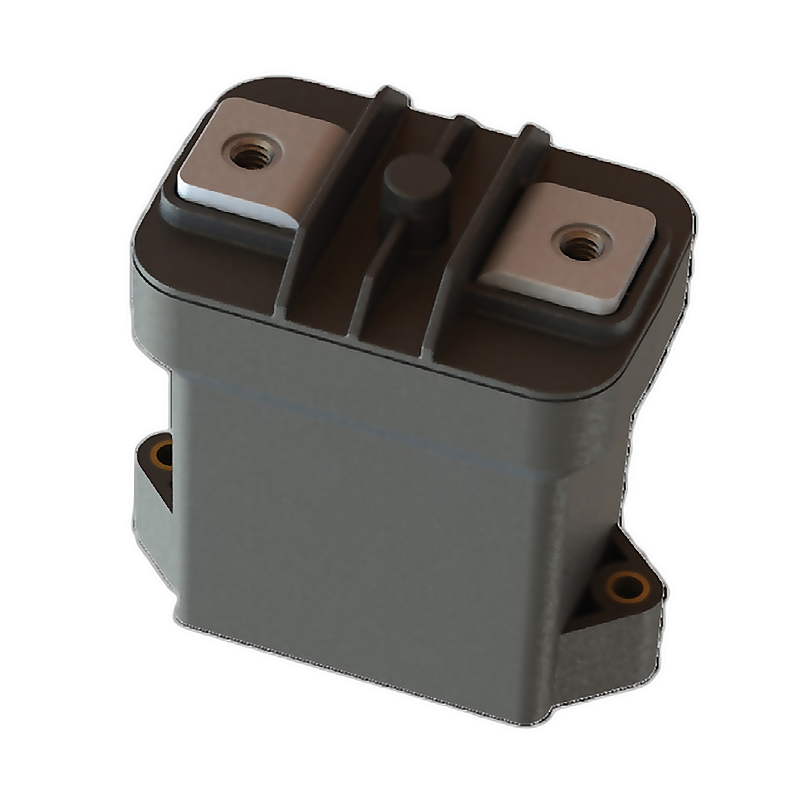
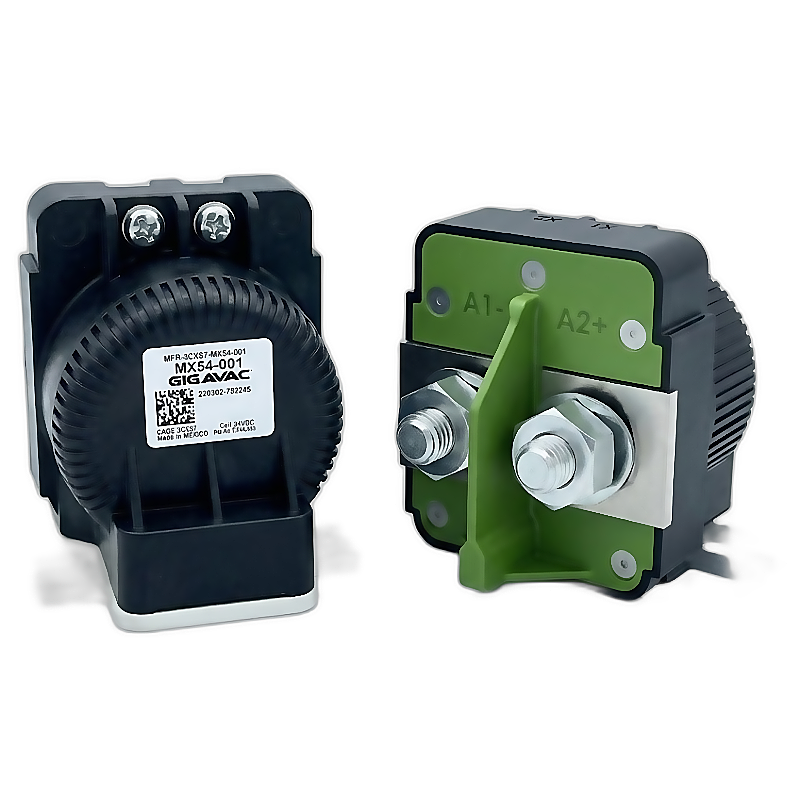
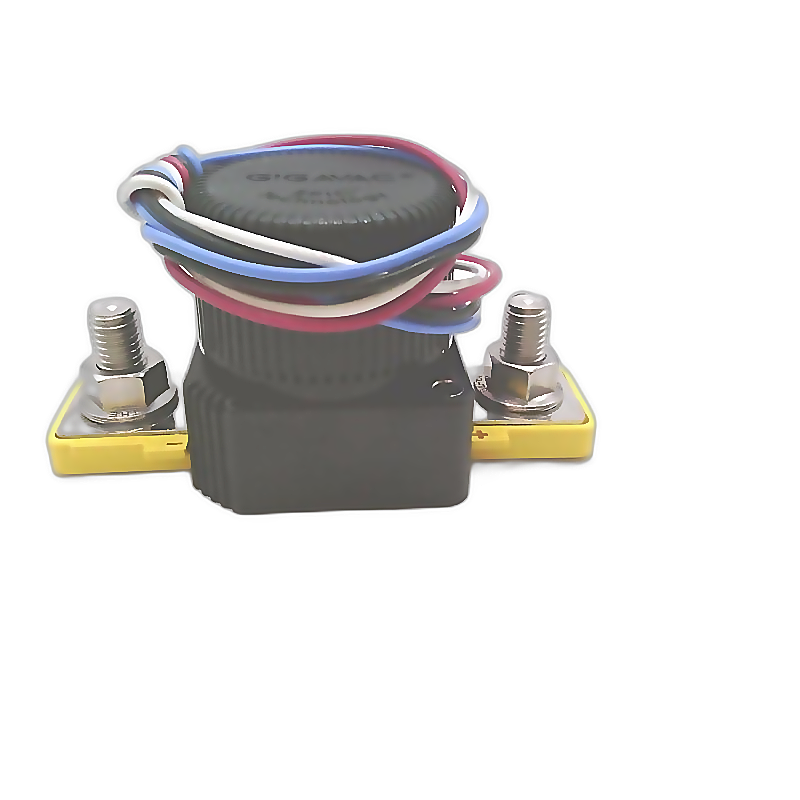
A high voltage contactor is an electrically controlled switching device designed to handle substantial electrical currents and voltages in demanding industrial applications. This critical component serves as the primary interface between power sources and high-voltage electrical systems, enabling safe and efficient control of electrical circuits. The high voltage contactor operates by using an electromagnetic coil to close or open electrical contacts, allowing operators to remotely manage power distribution without direct physical interaction with dangerous voltage levels. These devices are engineered with robust insulation materials and arc suppression technology to withstand extreme electrical stress and prevent equipment damage. Modern high voltage contactor units incorporate advanced features such as auxiliary contacts for status indication, mechanical interlocks for safety, and thermal overload protection to ensure reliable operation. The technological sophistication of these contactors includes precise contact pressure mechanisms, silver alloy contact materials for superior conductivity, and hermetically sealed housings to protect against environmental contamination. Applications span across electric vehicle charging infrastructure, renewable energy systems, industrial machinery, mining equipment, railway traction systems, and energy storage installations. The high voltage contactor provides essential functionality in battery management systems, motor control circuits, and power distribution networks where safe isolation and connection of high-voltage circuits is paramount. With voltage ratings typically ranging from 400V to 1500V and current capabilities exceeding 500 amperes, these devices represent indispensable components in modern electrical systems requiring dependable high-power switching capabilities.
Investing in a high voltage contactor delivers significant operational benefits that directly impact your bottom line and system reliability. First, these devices dramatically enhance workplace safety by eliminating the need for personnel to manually handle high-voltage connections, reducing the risk of electrical accidents and creating a safer working environment for your team. The remote switching capability means operators can control powerful electrical systems from safe distances, protecting human life while maintaining full operational control. From a financial perspective, the high voltage contactor offers exceptional durability and longevity, with quality units designed to perform hundreds of thousands of switching cycles without degradation. This extended service life translates to reduced replacement costs and minimal downtime, maximizing your return on investment. The precise switching action prevents electrical arcing damage to connected equipment, extending the lifespan of motors, batteries, and other valuable system components. Energy efficiency represents another compelling advantage, as modern high voltage contactor designs minimize power loss during operation through optimized contact resistance and efficient coil designs. Installation flexibility makes these devices suitable for diverse applications, from compact electric vehicle systems to large industrial installations, allowing you to standardize components across multiple projects. Maintenance requirements are remarkably low, with most units operating reliably for years without servicing, reducing operational overhead and labor costs. The built-in protection features safeguard against overcurrent, short circuits, and thermal overload conditions, preventing expensive equipment failures and production interruptions. For businesses managing electric fleets, renewable energy installations, or industrial automation systems, the high voltage contactor provides the reliable switching performance necessary for continuous operation. The decision to implement quality contactors supports operational excellence, regulatory compliance, and long-term cost management, making them essential investments for forward-thinking organizations.

Practical Tips

Can a mosfet transistor support automotive and renewable energy applications?

12

Jun

Can a mosfet transistor support automotive and renewable energy applications?

View More
How does a power management ic improve efficiency in automotive electronics?

12

Jun

How does a power management ic improve efficiency in automotive electronics?

View More
Is a dc contactor suitable for high-current switching in industrial systems?

12

Jun

Is a dc contactor suitable for high-current switching in industrial systems?

View More
How does a dc contactor improve safety in battery energy storage applications?

12

Jun

How does a dc contactor improve safety in battery energy storage applications?

View More
Superior Arc Suppression Technology

Superior Arc Suppression Technology

The high voltage contactor incorporates sophisticated arc suppression mechanisms that represent a critical technological advancement in electrical switching safety and reliability. When electrical contacts separate under load, an electrical arc naturally forms between the contacts, potentially reaching temperatures exceeding 6000 degrees Celsius and causing severe damage to contact surfaces and surrounding components. Advanced high voltage contactor designs employ multiple arc extinction strategies including magnetic blow-out coils that rapidly deflect and elongate the arc path, ceramic arc chutes that cool and divide the arc into smaller segments, and precisely calculated contact separation speeds that minimize arc duration. These integrated protection systems ensure that each switching operation occurs cleanly without degrading contact surfaces or generating dangerous electromagnetic interference. The result is dramatically extended contact life, consistent switching performance over millions of operations, and enhanced safety for connected equipment and personnel. This technology proves particularly valuable in applications involving inductive loads such as motors and transformers, where switching transients can be especially severe. By effectively managing electrical arcs, the high voltage contactor protects your investment in expensive electrical infrastructure while ensuring reliable operation in mission-critical applications where switching failures cannot be tolerated.
Intelligent Thermal Management System

Intelligent Thermal Management System

Modern high voltage contactor units feature comprehensive thermal management systems designed to maintain optimal operating temperatures even under continuous heavy-load conditions. Excessive heat represents one of the primary failure mechanisms in electrical switching devices, degrading insulation materials, oxidizing contact surfaces, and weakening mechanical components over time. Quality contactors address this challenge through multiple engineering strategies including optimized contact surface area to minimize resistance heating, advanced copper alloy conductors with superior thermal conductivity, and strategically positioned thermal sensors that monitor internal temperatures in real-time. Many high voltage contactor models incorporate forced air cooling channels or heat sink designs that efficiently dissipate heat generated during normal operation. The thermal monitoring capability enables predictive maintenance strategies, alerting operators to abnormal temperature conditions before failures occur, preventing unexpected downtime and costly repairs. Integrated thermal overload protection automatically disconnects power when temperature thresholds are exceeded, safeguarding both the contactor itself and connected equipment from heat-related damage. This intelligent thermal management extends operational lifespan significantly, ensures consistent performance across varying ambient conditions, and provides peace of mind for applications in harsh industrial environments where temperature extremes are common. For operations requiring continuous duty cycles or frequent switching operations, superior thermal management capabilities directly translate to improved reliability and reduced total cost of ownership.
Compact Design with High Power Density

Compact Design with High Power Density

The high voltage contactor achieves remarkable power handling capabilities within surprisingly compact physical dimensions, addressing the critical space constraints found in modern electrical systems. Traditional high-voltage switching required large, cumbersome equipment that occupied valuable installation space and complicated system integration. Contemporary high voltage contactor engineering leverages advanced materials science, precision manufacturing techniques, and optimized electromagnetic designs to deliver equivalent or superior performance in packages up to sixty percent smaller than previous generations. This miniaturization proves especially valuable in applications such as electric vehicle powertrains, mobile equipment, shipboard electrical systems, and modular energy storage installations where every cubic centimeter matters. The compact profile simplifies installation procedures, reduces mounting hardware requirements, and enables more flexible system layouts that optimize overall equipment design. Despite reduced dimensions, these devices maintain full electrical ratings and safety certifications, incorporating the same robust insulation systems and contact mechanisms found in larger units. The space efficiency allows engineers to design more compact electrical cabinets, reduce cable runs, and position switching equipment closer to loads for improved system efficiency. For manufacturers and system integrators, the high power density of modern high voltage contactor solutions enables product differentiation through smaller, lighter, more elegant system designs that appeal to customers while maintaining uncompromising electrical performance and safety standards.