IGBT Cost Guide: Pricing & Value Analysis

Your Trusted Partner in Electronics Supply Chain. Inquire Now!

Explore Our Latest Smart Electronics Collection.

, , 
Inquiry
Inquiry

igbt cost

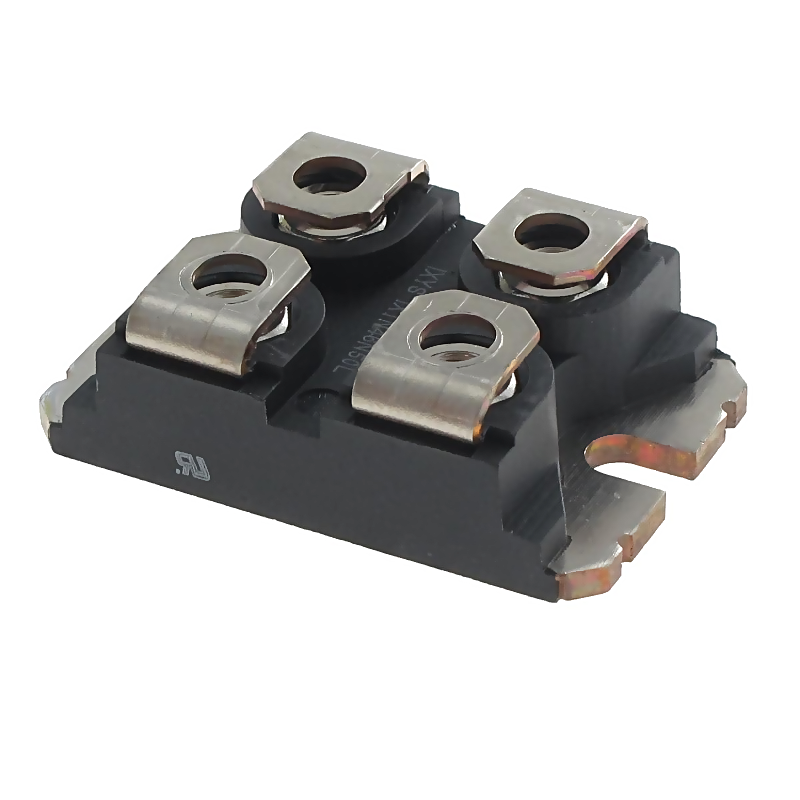
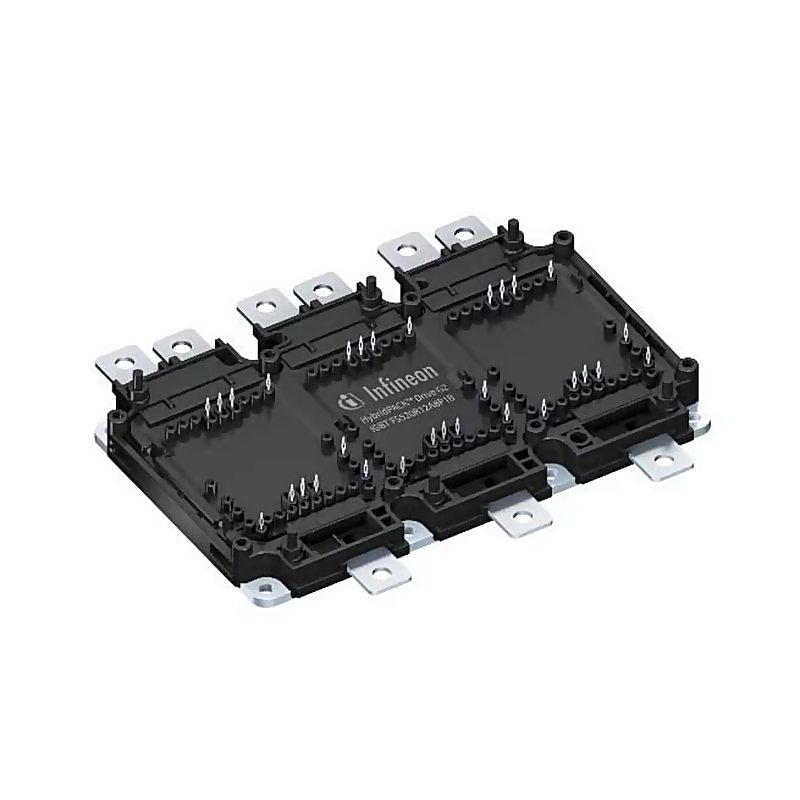
Understanding IGBT cost is essential for engineers and procurement specialists making informed decisions about power electronics. An Insulated Gate Bipolar Transistor (IGBT) combines the advantages of bipolar junction transistors and MOSFETs, serving as a critical semiconductor component in power conversion and control applications. The IGBT cost typically ranges from a few dollars for standard modules to several hundred dollars for high-performance units, depending on voltage ratings, current capacity, and technological specifications. These devices function as electronic switches that can handle high voltages and currents while maintaining efficient switching speeds, making them indispensable in modern power systems. When evaluating IGBT cost, buyers must consider multiple factors including voltage class (ranging from 600V to 6500V), current ratings (from 10A to over 3600A), packaging types, and thermal management requirements. Technological features directly impacting IGBT cost include chip topology, gate drive compatibility, short-circuit protection, and temperature tolerance. Applications span across industrial motor drives, renewable energy systems like solar inverters and wind turbine converters, electric vehicle powertrains, railway traction systems, uninterruptible power supplies, and welding equipment. The IGBT cost structure reflects manufacturing complexity, material quality, testing standards, and performance specifications. Understanding these cost dynamics helps buyers balance initial investment against long-term operational efficiency, reliability requirements, and system performance goals, ultimately leading to optimized total cost of ownership.
Evaluating IGBT cost from a buyer's perspective reveals significant value beyond the initial purchase price. First, you gain access to proven switching technology that delivers superior energy efficiency compared to older transistor types, directly reducing operational electricity expenses over the product lifecycle. The competitive IGBT cost structure today reflects mature manufacturing processes, making advanced power control accessible for diverse budgets and applications. When you invest in quality IGBTs, you secure components with lower conduction losses and faster switching capabilities, translating to less heat generation and reduced cooling system requirements, which lowers your overall system costs. The favorable IGBT cost-to-performance ratio means you can implement compact, lightweight power conversion systems without sacrificing reliability or capacity. Modern IGBTs offer extended operational lifespans, often exceeding 20 years in properly designed systems, which dramatically improves your return on investment when considered against the initial IGBT cost. You benefit from widespread industry standardization, ensuring compatible gate drivers, mounting systems, and replacement parts remain available at competitive prices. The transparent IGBT cost structure allows accurate project budgeting and financial planning, while multiple supplier options create healthy market competition that keeps prices reasonable. For application suitability, the scalable nature of IGBT technology means you can select components precisely matched to your voltage and current needs without overpaying for unnecessary capacity. Decision-makers appreciate that investing in appropriate IGBT cost levels provides insurance against premature failures, unexpected downtime, and expensive emergency replacements. Additionally, choosing IGBTs with transparent cost structures from reputable manufacturers ensures access to technical support, documentation, and warranty coverage that protects your investment and simplifies system integration and maintenance planning.

Latest News

How does a mosfet transistor reduce energy loss in electronic equipment?

12

Jun

How does a mosfet transistor reduce energy loss in electronic equipment?

View More
How do ic solutions improve integration in automotive and industrial electronics?

12

Jun

How do ic solutions improve integration in automotive and industrial electronics?

View More
Can ic solutions support customized applications for smart device manufacturing?

12

Jun

Can ic solutions support customized applications for smart device manufacturing?

View More
Cost-Effective Power Density and Thermal Management

Cost-Effective Power Density and Thermal Management

The relationship between IGBT cost and power density represents exceptional value for system designers seeking compact solutions. Modern IGBTs deliver impressive power handling capabilities within small physical footprints, allowing you to minimize enclosure sizes, reduce material costs, and simplify installation requirements. This power density advantage directly relates to IGBT cost efficiency because higher integration reduces the number of parallel devices needed, cutting both component expenses and assembly labor. The thermal characteristics of IGBTs further enhance cost-effectiveness, as their lower switching and conduction losses generate less waste heat compared to alternative technologies. This thermal efficiency means you can often implement simpler, less expensive cooling solutions such as smaller heatsinks or reduced fan capacity, lowering both initial system costs and ongoing energy consumption for cooling. When evaluating IGBT cost against system-level expenses, the reduced thermal management requirements translate to significant savings in auxiliary components, manufacturing complexity, and operational costs. The predictable thermal behavior of IGBTs also simplifies reliability calculations and thermal design, reducing engineering time and development costs while increasing confidence in long-term performance, making the initial IGBT cost investment highly justified.
Voltage and Current Scalability Matching Budget Requirements

Voltage and Current Scalability Matching Budget Requirements

One of the most advantageous aspects of IGBT cost structures is the wide range of voltage and current ratings available, allowing precise matching to application requirements without budget waste. You can select from entry-level 600V devices for consumer applications at modest IGBT cost points, mid-range 1200V to 1700V modules for industrial systems at moderate prices, or high-voltage 3300V to 6500V components for utility-scale projects where the higher IGBT cost reflects specialized performance. This scalability ensures you never overpay for capabilities beyond your needs, optimizing your component budget allocation. The modular nature of IGBT packaging further supports cost optimization, with discrete devices, dual packs, six-pack modules, and intelligent power modules each offering different IGBT cost-to-integration trade-offs. For prototype development or low-volume production, lower IGBT cost discrete components minimize initial investment and inventory risks. For high-volume manufacturing, integrated modules justify their higher individual IGBT cost through reduced assembly complexity, improved reliability, and lower total production costs. This flexibility in IGBT cost structures across voltage classes and packaging options empowers designers to make economically sound decisions that align technical requirements with financial constraints, ensuring optimal value extraction from every component investment while maintaining performance standards.
Long-Term Reliability Reducing Total Cost of Ownership

Long-Term Reliability Reducing Total Cost of Ownership

While initial IGBT cost represents an important purchasing consideration, the long-term reliability of these components delivers far greater economic value through reduced total cost of ownership. IGBTs manufactured to quality standards demonstrate exceptional durability, with proper thermal management enabling operational lifespans exceeding two decades in many applications. This longevity means your initial IGBT cost investment amortizes over many years of dependable service, dramatically lowering the annualized component cost compared to less reliable alternatives requiring frequent replacement. The robust construction of IGBTs, featuring rugged silicon chips and proven packaging technologies, resists electrical stress, thermal cycling, and environmental factors that degrade lesser components. This reliability directly translates to reduced maintenance expenses, fewer unexpected system failures, and lower downtime costs that can far exceed the original IGBT cost multiple times over. Furthermore, the predictable failure modes and well-documented degradation mechanisms of IGBTs enable effective predictive maintenance programs, allowing scheduled replacements during planned outages rather than costly emergency repairs. When you factor warranty coverage, technical support availability, and the confidence of using proven technology into your IGBT cost analysis, the total economic picture strongly favors quality components that may carry slightly higher purchase prices but deliver substantially better lifetime value and operational peace of mind.