
IGBT Module Testing Solutions and Services

Your Trusted Partner in Electronics Supply Chain. Inquire Now!

Explore Our Latest Smart Electronics Collection.

, , 
Inquiry
Inquiry

igbt module testing

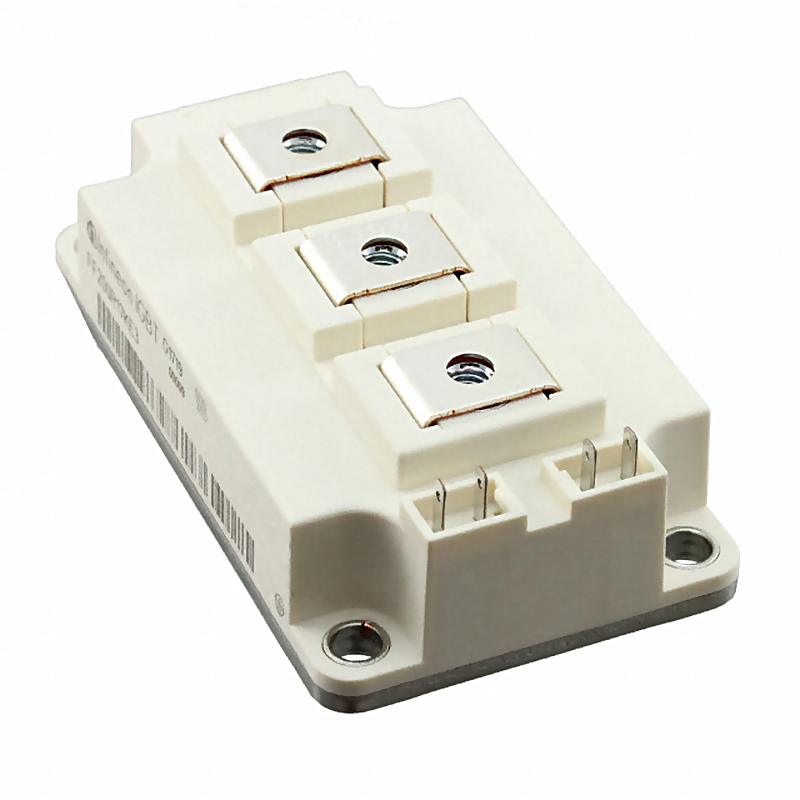
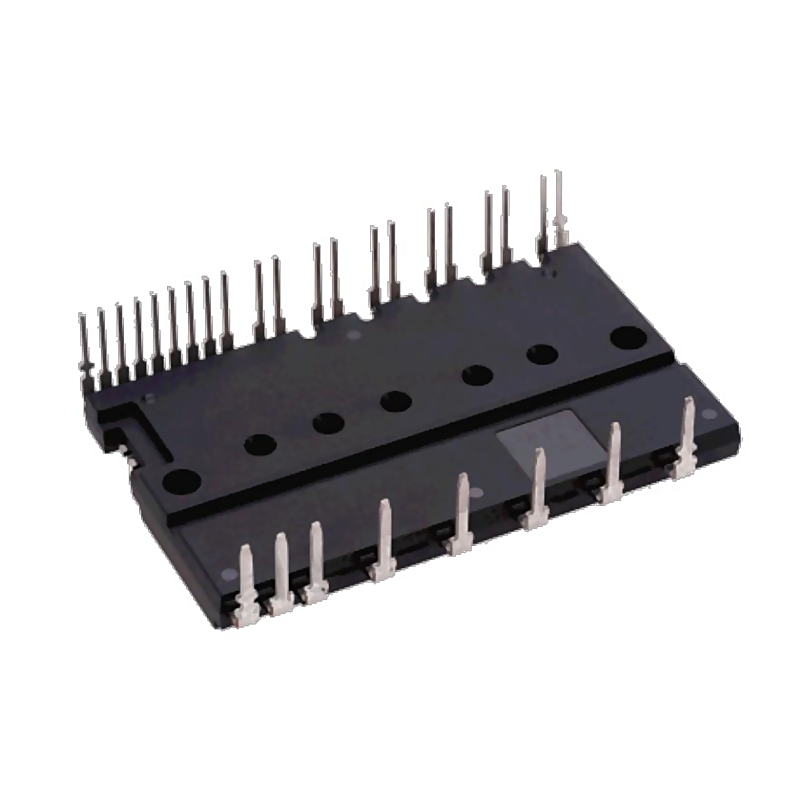
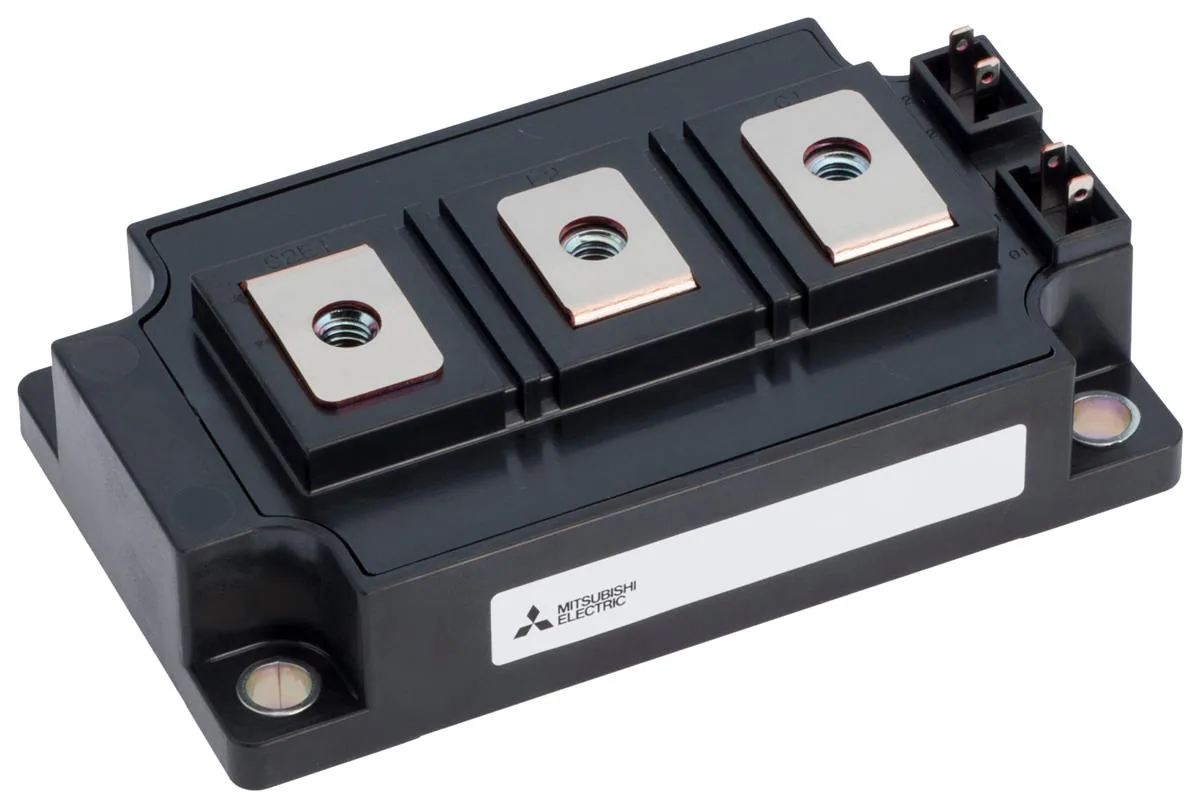
IGBT module testing represents a critical quality assurance process that evaluates the performance, reliability, and safety of Insulated Gate Bipolar Transistor modules used in power electronics applications. This comprehensive testing procedure examines electrical characteristics, thermal performance, and operational stability under various conditions. IGBT module testing involves measuring key parameters including switching speed, voltage threshold, leakage current, thermal resistance, and short-circuit withstand capability. The testing process utilizes advanced equipment such as curve tracers, thermal imaging systems, and high-precision power analyzers to verify that modules meet specified standards. Engineers perform both static and dynamic tests to assess gate characteristics, collector-emitter saturation voltage, and turn-on/turn-off behavior. Temperature cycling tests evaluate thermal stress resistance, while surge current testing determines maximum operational limits. IGBT module testing ensures modules can handle demanding applications in renewable energy systems, electric vehicles, industrial motor drives, and power conversion equipment. The process identifies manufacturing defects, verifies design specifications, and validates long-term reliability before deployment. Quality testing protocols follow international standards including IEC and JEDEC guidelines, ensuring consistent performance across production batches. Regular IGBT module testing during manufacturing prevents field failures, reduces warranty claims, and maintains product reputation. This essential verification process provides manufacturers and end-users with confidence that power modules will perform reliably throughout their operational lifespan in mission-critical applications.
Implementing comprehensive IGBT module testing delivers substantial benefits that directly impact product quality, operational efficiency, and customer satisfaction. First, you gain enhanced reliability assurance as testing identifies potential failures before products reach the field, saving significant costs associated with warranty claims and equipment downtime. The testing process verifies that each module meets strict performance criteria, ensuring your applications operate safely and efficiently. You receive detailed performance data that helps optimize system design and select appropriate modules for specific applications, eliminating guesswork and reducing development time. IGBT module testing provides traceability throughout production, allowing you to track quality metrics and identify improvement opportunities in manufacturing processes. Your engineering teams benefit from comprehensive characterization data that supports accurate thermal modeling and circuit simulation, leading to better system designs and reduced prototyping cycles. The testing process catches manufacturing defects early, preventing costly recalls and protecting your brand reputation in competitive markets. You achieve compliance with international safety standards and industry regulations, opening access to global markets and meeting customer requirements. Operational benefits include improved production yield, reduced scrap rates, and consistent product quality across manufacturing batches. Testing data supports predictive maintenance strategies, helping end-users schedule replacements before failures occur and minimizing unexpected downtime. For buyers, certified test results provide confidence in product specifications and performance claims, reducing purchasing risks and supporting informed procurement decisions. The investment in thorough IGBT module testing delivers measurable returns through improved product reliability, customer satisfaction, and long-term competitive advantage in power electronics markets.

Tips And Tricks

Can a mosfet transistor support automotive and renewable energy applications?

12

Jun

Can a mosfet transistor support automotive and renewable energy applications?

View More
What advantages do ic solutions provide for embedded electronic system development?

12

Jun

What advantages do ic solutions provide for embedded electronic system development?

View More
Can a power management ic reduce heat generation in industrial systems?

12

Jun

Can a power management ic reduce heat generation in industrial systems?

View More
How does a dc contactor improve safety in battery energy storage applications?

12

Jun

How does a dc contactor improve safety in battery energy storage applications?

View More
Comprehensive Electrical Characterization

Comprehensive Electrical Characterization

IGBT module testing provides complete electrical characterization that reveals critical performance parameters essential for application success. The testing process measures static characteristics including gate threshold voltage, collector-emitter saturation voltage, and leakage currents under various temperature conditions. Dynamic testing evaluates switching behavior, measuring rise time, fall time, and switching losses that directly impact system efficiency. Advanced curve tracing techniques generate detailed I-V characteristics across the full operating range, helping engineers understand device behavior under different load conditions. The testing identifies parameter variations between parallel chips within modules, ensuring balanced current sharing and optimal thermal distribution. High-current pulse testing validates short-circuit ratings and safe operating areas, protecting against catastrophic failures. Gate charge measurements provide data for driver circuit optimization, ensuring reliable switching and minimizing electromagnetic interference. Temperature-dependent characterization reveals thermal coefficients that affect parallel operation and temperature stability. This comprehensive electrical data enables precise circuit simulation, accurate loss calculation, and optimized thermal management design, ultimately leading to more efficient and reliable power electronic systems.
Advanced Thermal Performance Verification

Advanced Thermal Performance Verification

Thermal performance verification through IGBT module testing ensures modules operate reliably under real-world temperature stress conditions. Thermal resistance measurements quantify heat transfer efficiency from junction to case and case to heatsink, enabling accurate thermal design calculations. Infrared thermography during operation reveals hot spots and temperature distribution across chip surfaces, identifying potential thermal management issues. Power cycling tests simulate repeated heating and cooling cycles that modules experience during field operation, accelerating aging processes to predict long-term reliability. Testing evaluates solder joint integrity, substrate bonding quality, and thermal interface material performance under thermal stress. Temperature coefficient measurements show how electrical parameters change with temperature, crucial for designing systems that operate across wide temperature ranges. Thermal impedance characterization provides transient thermal behavior data needed for modeling short-duration overload conditions. The testing validates cooling system requirements and helps optimize heatsink selection, reducing system size and cost. Thermal verification identifies manufacturing variations that could lead to premature failures, ensuring only modules meeting thermal specifications reach customers. This rigorous thermal testing guarantees modules maintain performance and reliability throughout their operational life in demanding applications.
Reliability and Quality Assurance Validation

Reliability and Quality Assurance Validation

IGBT module testing establishes rigorous reliability and quality assurance standards that protect investments and ensure long-term performance. Accelerated life testing subjects modules to extreme conditions beyond normal operation, predicting failure modes and estimating operational lifespan. Humidity and environmental testing verifies resistance to moisture ingress, corrosion, and contamination that could degrade performance. Mechanical stress testing evaluates robustness against vibration, shock, and mounting forces encountered in industrial and automotive applications. Dielectric strength testing confirms insulation integrity between high-voltage terminals and module base plates, ensuring operator safety. Gate oxide integrity tests detect potential gate breakdown issues that could cause sudden failures. Sequential electrical testing throughout production provides statistical process control data, identifying trends and maintaining consistent quality. Qualification testing to automotive and industrial standards validates module performance across temperature extremes, humidity cycles, and mechanical stress profiles. Final inspection testing verifies every module meets specifications before shipment, providing documented evidence of quality. This comprehensive validation approach minimizes field failures, reduces warranty costs, and builds customer confidence in product reliability for critical applications requiring maximum uptime and safety.