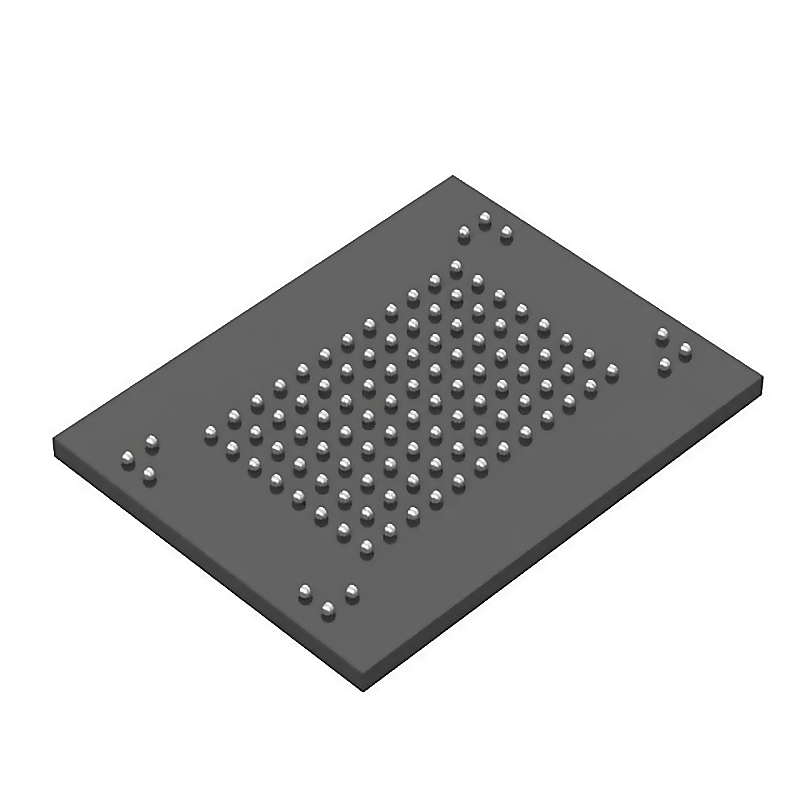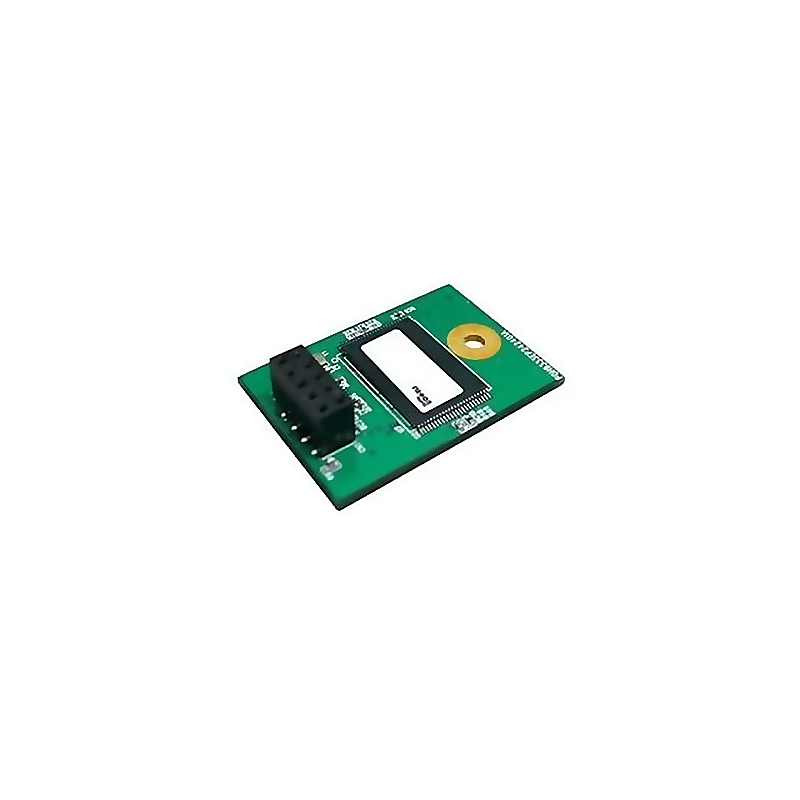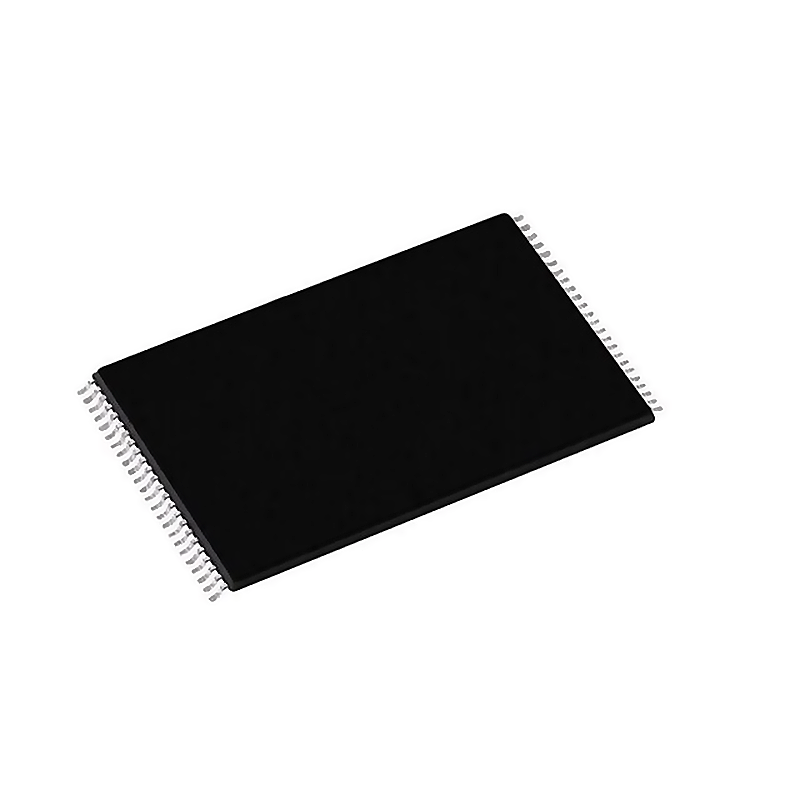
nand flash memory
NAND flash memory is a non-volatile storage technology that retains data without requiring constant power supply, making it essential for modern digital devices. This semiconductor-based memory uses floating-gate transistors arranged in a NAND logic configuration to store information efficiently. NAND flash memory operates by trapping electrons within cells to represent data states, enabling reliable storage and retrieval of digital information. The technology functions through electrical programming and erasing processes, organizing data in pages and blocks for optimal access speed. NAND flash memory has become the dominant storage solution in consumer electronics, enterprise systems, and industrial applications due to its compact form factor and scalability. The technology features high storage density, allowing manufacturers to pack billions of bits into small physical spaces. NAND flash memory supports rapid read operations and sequential write processes, making it suitable for applications requiring quick data access. Its ability to withstand physical shock and operate across wide temperature ranges makes it more durable than traditional mechanical storage. The memory architecture enables wear-leveling algorithms that distribute write operations evenly across cells, extending overall lifespan. NAND flash memory continues evolving with advanced node technologies, including single-level cell, multi-level cell, triple-level cell, and quad-level cell configurations. These variations balance storage capacity, performance, and endurance to meet diverse application requirements across smartphones, tablets, solid-state drives, USB drives, memory cards, and embedded systems.