3D NAND Flash: High-Density Storage Solutions

Your Trusted Partner in Electronics Supply Chain. Inquire Now!

Explore Our Latest Smart Electronics Collection.

, , 
Inquiry
Inquiry

3d nand flash

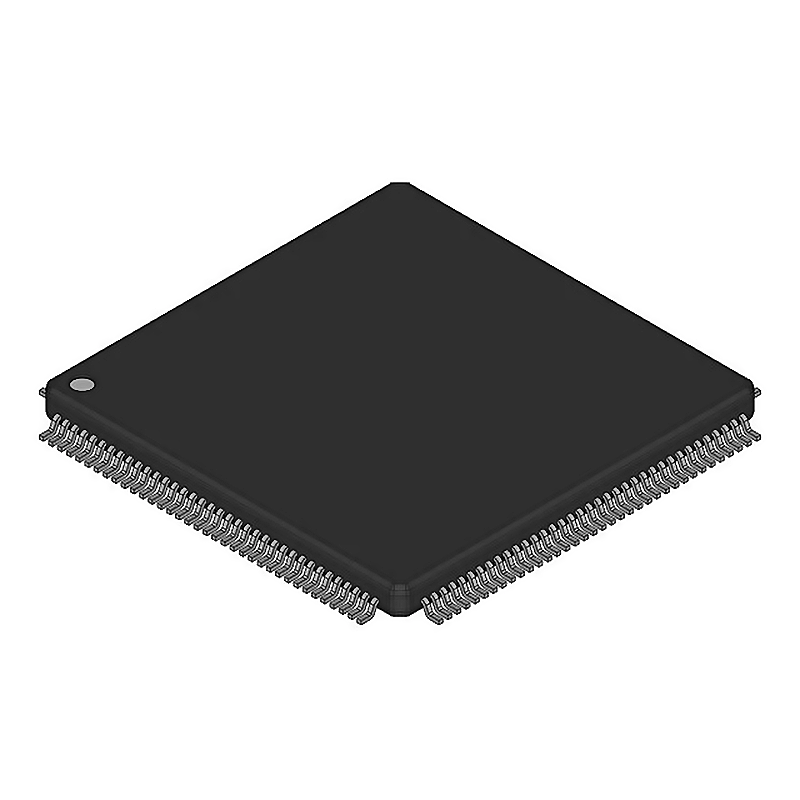
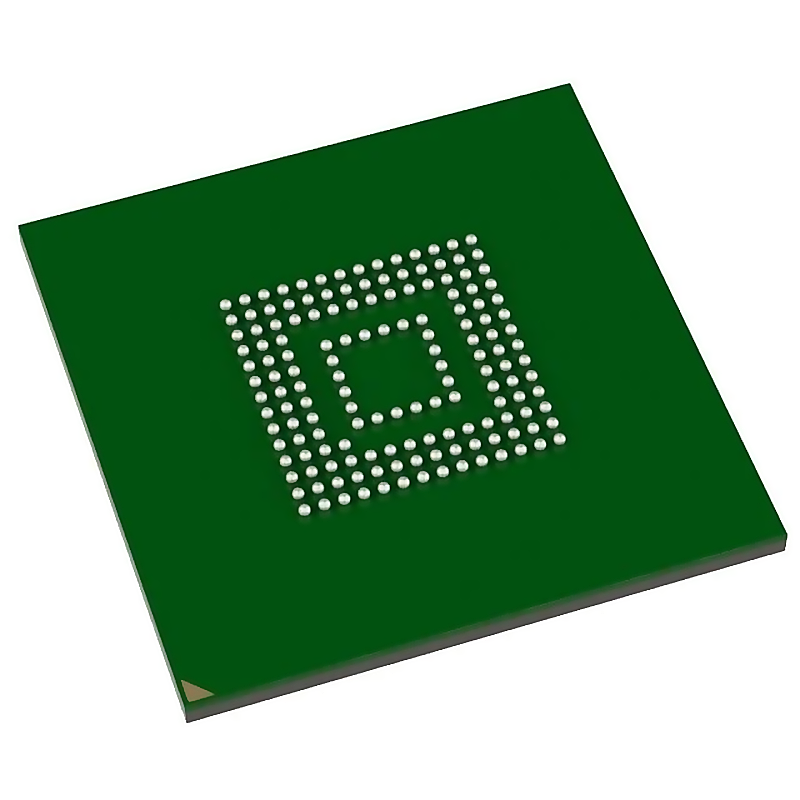
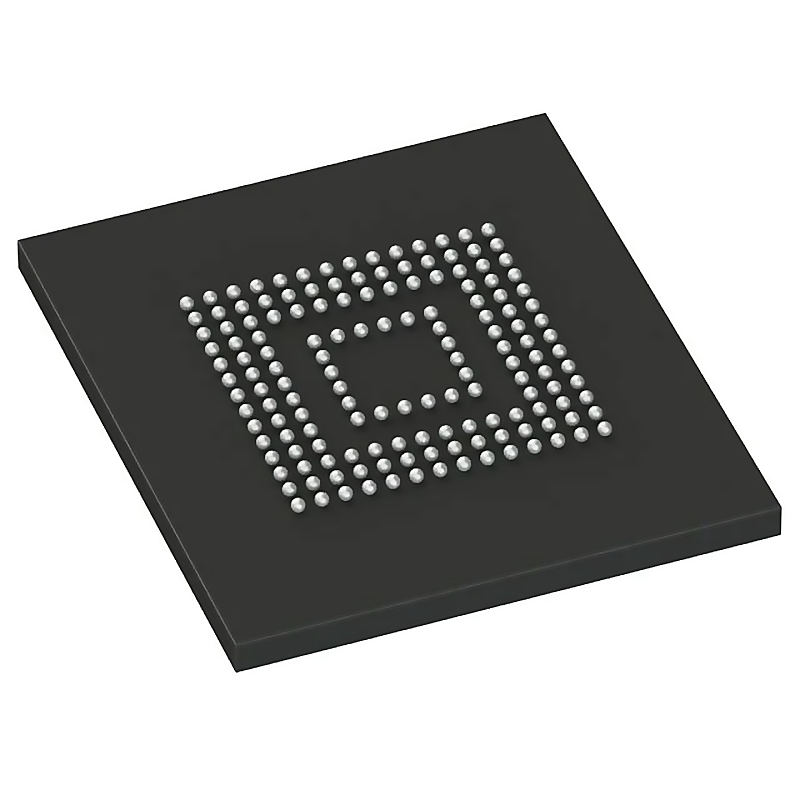
3D NAND flash represents a revolutionary advancement in memory storage technology that has transformed how data is stored in modern electronic devices. Unlike traditional planar NAND flash that arranges memory cells horizontally on a single layer, 3D NAND flash stacks memory cells vertically in multiple layers, creating a three-dimensional structure that significantly increases storage density. This innovative architecture allows manufacturers to produce higher-capacity storage solutions within the same physical footprint. The main function of 3D NAND flash is to provide non-volatile data storage, meaning it retains information even when power is disconnected, making it ideal for applications requiring persistent memory. The technology features vertical stacking of memory cells, typically ranging from 64 to 200+ layers, which dramatically improves storage capacity per chip. Advanced error correction algorithms and wear-leveling techniques ensure data integrity and extend the lifespan of storage devices. 3D NAND flash technology incorporates improved electrical isolation between cells, reducing interference and enhancing reliability. Applications span across consumer electronics including smartphones, tablets, laptops, and digital cameras, as well as enterprise solutions such as solid-state drives for data centers, cloud storage infrastructure, and embedded systems in automotive and industrial equipment. The technology supports various interface standards including SATA, PCIe, and NVMe, enabling seamless integration into different system architectures. As data demands continue growing exponentially, 3D NAND flash has become the cornerstone of modern storage solutions, powering everything from personal devices to massive data center operations.
Choosing 3D NAND flash delivers substantial practical benefits that directly impact your operational efficiency and bottom line. The vertical architecture provides exceptional storage density, allowing you to store significantly more data in compact devices without increasing physical size, which translates to lighter, thinner products that consumers prefer. You gain faster read and write speeds compared to traditional storage technologies, meaning applications load quicker, files transfer faster, and overall system responsiveness improves noticeably. The enhanced endurance of 3D NAND flash means your storage devices last longer with fewer failures, reducing replacement costs and minimizing downtime in critical operations. Energy efficiency represents another key advantage, as 3D NAND flash consumes less power during operation, extending battery life in portable devices and reducing electricity costs in large-scale data center deployments. The technology delivers better performance consistency even under heavy workloads, ensuring reliable operation when you need it most. Manufacturing advancements have made 3D NAND flash increasingly cost-effective, providing better value per gigabyte compared to older storage technologies. For businesses, this means you can deploy higher-capacity storage solutions within budget constraints. The improved reliability reduces data loss risks, protecting valuable information and maintaining business continuity. 3D NAND flash adapts well to various operating environments, from consumer devices experiencing everyday use to enterprise applications requiring 24/7 operation under demanding conditions. The technology supports future scalability, allowing easy capacity upgrades as your storage needs grow. Whether you are building consumer electronics, enterprise servers, or embedded systems, 3D NAND flash provides the performance, reliability, and capacity advantages necessary for competitive products that meet modern storage demands effectively.

Tips And Tricks

Why do engineers choose mosfet transistor devices for power management designs?

12

Jun

Why do engineers choose mosfet transistor devices for power management designs?

View More
How does a mosfet transistor reduce energy loss in electronic equipment?

12

Jun

How does a mosfet transistor reduce energy loss in electronic equipment?

View More
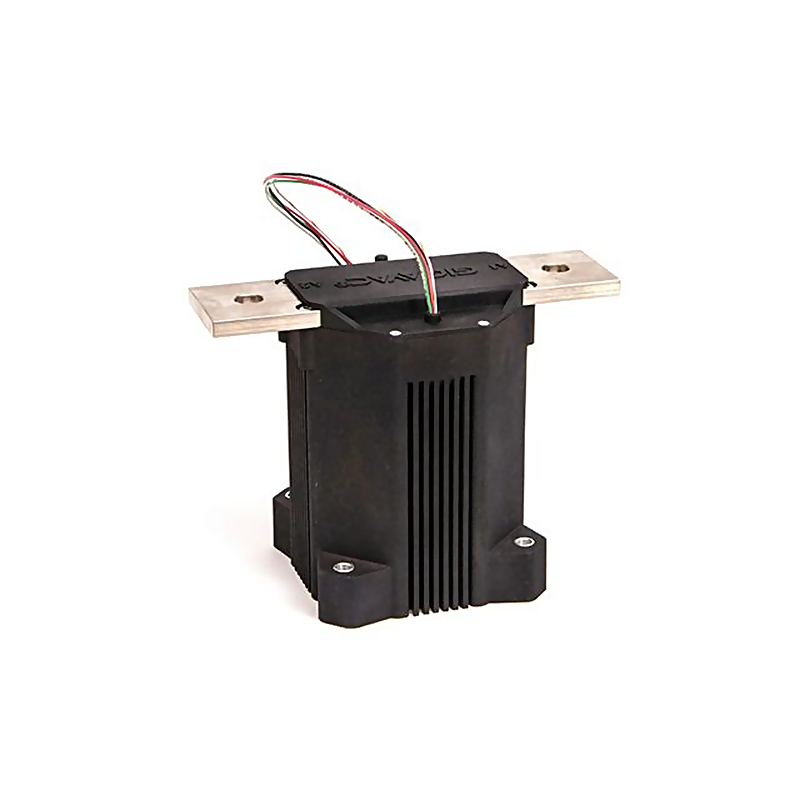
Is a dc contactor suitable for high-current switching in industrial systems?

12

Jun

Is a dc contactor suitable for high-current switching in industrial systems?

View More
Superior Storage Density Through Vertical Architecture

Superior Storage Density Through Vertical Architecture

The defining characteristic of 3D NAND flash is its revolutionary vertical stacking approach that fundamentally changes storage capacity possibilities. By building memory cells upward in multiple layers rather than spreading them across a single plane, manufacturers achieve unprecedented storage density that would be impossible with traditional planar designs. This vertical construction allows a single chip to contain hundreds of layers, with each layer holding billions of memory cells, resulting in terabytes of storage capacity within a fingernail-sized component. The practical benefit for customers is straightforward: devices become smaller and lighter while offering exponentially greater storage space. Smartphones can store thousands of high-resolution photos and videos, laptops accommodate extensive software libraries and media collections, and enterprise servers handle massive databases without requiring additional physical space. The architecture also improves manufacturing efficiency because more storage capacity comes from adding vertical layers rather than expanding the chip's footprint, which would require larger silicon wafers and more expensive production processes. This vertical scaling approach has proven remarkably sustainable, with manufacturers continuing to add layers as fabrication techniques advance, ensuring 3D NAND flash remains viable for future capacity requirements.
Enhanced Performance and Reliability for Critical Applications

Enhanced Performance and Reliability for Critical Applications

3D NAND flash delivers substantial performance improvements and reliability enhancements that directly benefit users across all application scenarios. The technology achieves faster data transfer rates through optimized electrical pathways and advanced controller algorithms, enabling sequential read speeds exceeding 3000 MB/s in high-end implementations. Random access performance also improves significantly, which is particularly important for applications requiring simultaneous access to multiple small files, such as operating systems and databases. The vertical cell structure provides better electrical isolation between adjacent cells, reducing interference and read disturb errors that can compromise data integrity in densely packed planar NAND. Enhanced error correction capabilities built into 3D NAND flash controllers detect and correct bit errors before they affect stored data, protecting against data corruption. The technology demonstrates superior endurance with program-erase cycle ratings often exceeding 3000 cycles for consumer-grade products and reaching 100,000 cycles for enterprise applications, meaning the storage device maintains reliable operation throughout its intended lifespan. Temperature tolerance is another reliability advantage, with 3D NAND flash operating reliably across wider temperature ranges, making it suitable for automotive applications and industrial environments where temperature fluctuations are common.
Cost-Effective Scalability for Growing Storage Needs

Cost-Effective Scalability for Growing Storage Needs

3D NAND flash provides exceptional economic value through manufacturing efficiencies and scalable capacity options that align with diverse budget requirements and growth trajectories. The vertical stacking approach enables higher yields from each silicon wafer, reducing per-gigabyte manufacturing costs compared to planar NAND technology that requires larger chip areas for equivalent capacity. These production economies translate directly to lower prices for consumers and businesses, making high-capacity storage accessible across market segments from budget smartphones to premium enterprise arrays. The technology supports flexible capacity configurations, allowing manufacturers to offer products at various price points by adjusting layer counts and die configurations, ensuring customers can select storage solutions matching their specific needs without paying for unnecessary capacity. Scalability extends beyond initial purchase, as systems designed with 3D NAND flash can accommodate capacity upgrades through modular expansion or device replacement without requiring complete infrastructure overhauls. The improved endurance and reliability reduce total cost of ownership by minimizing replacement frequency and maintenance requirements, particularly valuable in enterprise environments where storage failures cause expensive downtime and potential data loss. Energy efficiency contributes additional cost savings through reduced electricity consumption and cooling requirements, especially significant in data centers operating thousands of storage devices continuously.