NAND Flash Price Guide: Cost & Value Analysis

Your Trusted Partner in Electronics Supply Chain. Inquire Now!

Explore Our Latest Smart Electronics Collection.

, , 
Inquiry
Inquiry

nand flash price

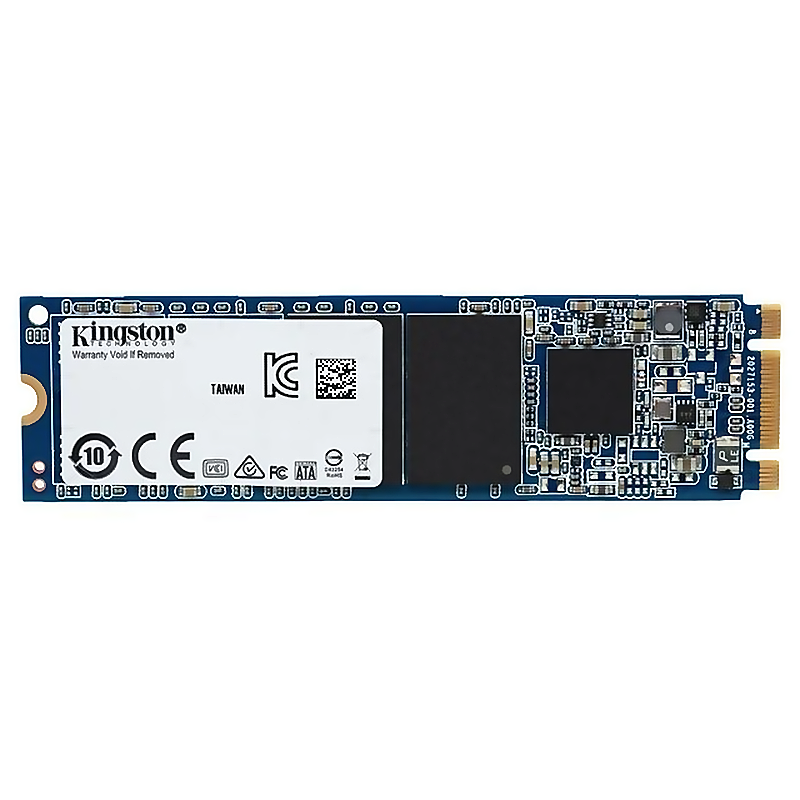
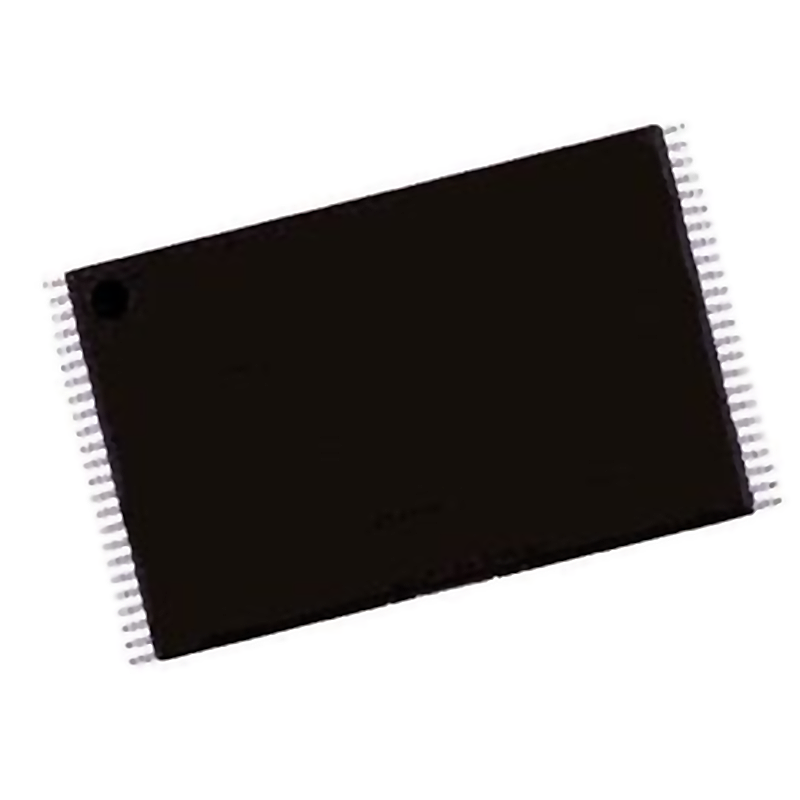
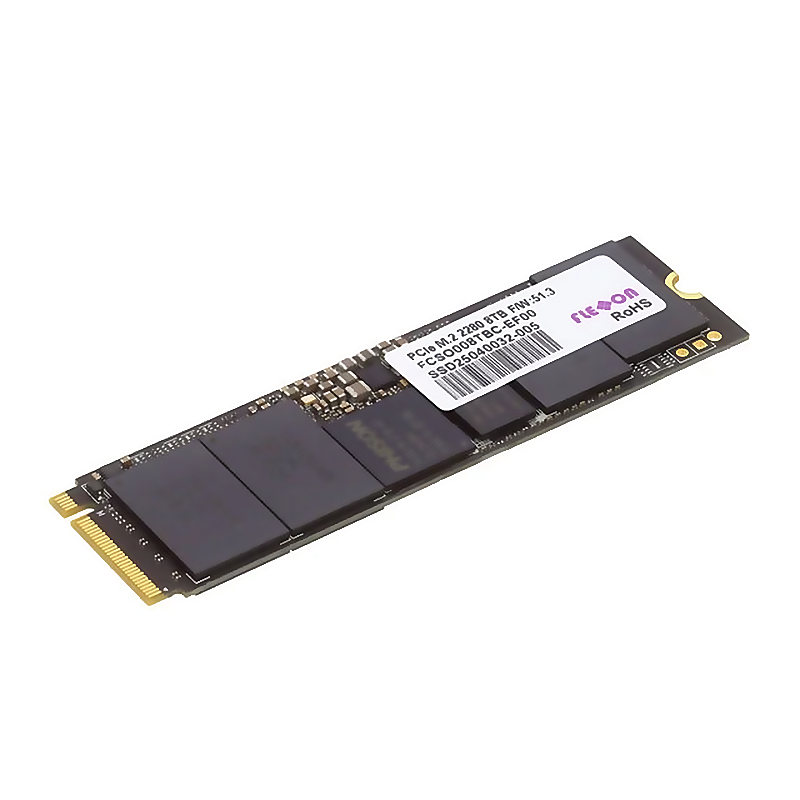
Understanding the nand flash price is essential for businesses and consumers looking to invest in reliable data storage solutions. NAND flash memory represents a non-volatile storage technology that retains data even when power is disconnected, making it indispensable for modern computing devices. The nand flash price fluctuates based on multiple factors including manufacturing capacity, technological advancements, market demand, and geopolitical considerations affecting semiconductor supply chains. This memory technology operates by storing electrical charges in memory cells arranged in a grid pattern, enabling rapid data access and high-density storage capabilities. The nand flash price has become increasingly competitive as production techniques improve and manufacturing yields increase. Applications span across smartphones, solid-state drives, USB flash drives, memory cards, embedded systems, and enterprise storage solutions. When evaluating the nand flash price, buyers should consider factors such as storage capacity, performance specifications, endurance ratings, and reliability metrics. The market offers various NAND flash types including Single-Level Cell (SLC), Multi-Level Cell (MLC), Triple-Level Cell (TLC), and Quad-Level Cell (QLC), each presenting different price-performance tradeoffs. The nand flash price continues to decline per gigabyte over time, making high-capacity storage more accessible while technological improvements enhance speed and durability. Understanding current pricing trends helps purchasers make informed decisions aligned with their storage requirements and budget constraints.
The nand flash price offers compelling value propositions that directly impact your purchasing decisions and operational efficiency. First, competitive pricing enables you to acquire high-performance storage solutions without exceeding budget allocations, making advanced technology accessible to businesses of all sizes. The favorable nand flash price trajectory means you can implement larger storage capacities for your infrastructure while maintaining cost control. Operational benefits include reduced energy consumption compared to traditional hard disk drives, translating to lower electricity costs and extended battery life in mobile devices. The nand flash price reflects technological maturity that delivers faster boot times, quicker application launches, and improved system responsiveness that enhances productivity across your organization. You gain reliable performance with no moving mechanical parts, reducing failure rates and minimizing costly downtime. The current nand flash price makes it practical to upgrade legacy systems, improving overall performance without major capital investments. For application suitability, the accessible pricing supports diverse use cases from consumer electronics to enterprise data centers, cloud storage infrastructure, and industrial automation systems. You benefit from predictable performance characteristics that simplify capacity planning and system design. The nand flash price enables you to future-proof your technology investments by adopting storage solutions that meet growing data demands. Decision-makers appreciate that transparent pricing models facilitate accurate total cost of ownership calculations, including acquisition costs, operational expenses, and maintenance considerations. The competitive nand flash price landscape empowers you to compare offerings from multiple suppliers, ensuring optimal value alignment with your specific performance requirements and reliability expectations.

Practical Tips

How does a mosfet transistor improve efficiency in industrial power systems?

12

Jun

How does a mosfet transistor improve efficiency in industrial power systems?

View More
Why do engineers choose mosfet transistor devices for power management designs?

12

Jun

Why do engineers choose mosfet transistor devices for power management designs?

View More
Can ic solutions support customized applications for smart device manufacturing?

12

Jun

Can ic solutions support customized applications for smart device manufacturing?

View More
Is a dc contactor suitable for high-current switching in industrial systems?

12

Jun

Is a dc contactor suitable for high-current switching in industrial systems?

View More
Market-Driven Pricing Transparency

Market-Driven Pricing Transparency

The nand flash price benefits from transparent market dynamics that empower informed purchasing decisions. Unlike proprietary storage technologies with opaque pricing structures, NAND flash memory operates within a competitive global marketplace where multiple manufacturers drive innovation and cost efficiency. This transparency allows you to track pricing trends, anticipate future cost movements, and time your purchases strategically. The nand flash price responds to supply-demand equilibrium, manufacturing advancements, and economies of scale that consistently reduce per-gigabyte costs. You can access real-time market intelligence through industry reports and supplier quotations, enabling budget forecasting with greater accuracy. This pricing visibility supports negotiation leverage when procuring bulk quantities for enterprise deployments. The standardized nature of NAND flash technology means you can easily compare specifications across vendors, ensuring price comparisons reflect genuine value differences rather than proprietary lock-in premiums. Market-driven pricing also encourages continuous innovation as manufacturers compete on both performance and cost-effectiveness, ultimately benefiting end users with superior products at attractive price points that align with technological advancement cycles.
Scalable Investment Options

Scalable Investment Options

The flexible nand flash price structure accommodates diverse investment scales from individual consumers to multinational corporations. You can start with modest capacity deployments and expand incrementally as requirements grow, avoiding large upfront capital commitments that strain financial resources. The nand flash price scales proportionally with capacity, allowing precise matching between storage needs and expenditure. This scalability extends across product tiers, where budget-conscious buyers can select cost-optimized QLC solutions while performance-critical applications justify premium SLC investments. The pricing flexibility supports phased infrastructure upgrades that distribute costs across multiple budget cycles while maintaining operational continuity. Small businesses benefit from accessible entry-level pricing that provides enterprise-grade reliability without enterprise-scale investments. Large organizations leverage volume pricing advantages that reduce per-unit costs significantly during major procurement initiatives. The nand flash price structure also accommodates various form factors and interface types, ensuring compatibility with existing systems without requiring costly infrastructure overhauls. This investment flexibility reduces technology adoption barriers and accelerates digital transformation initiatives across industries, making advanced storage capabilities available regardless of organizational size or budget constraints.
Long-Term Cost Efficiency

Long-Term Cost Efficiency

Beyond initial acquisition costs, the nand flash price delivers exceptional long-term value through reduced operational expenses and extended service lifecycles. Lower power consumption directly decreases electricity costs, particularly significant in data center environments where thousands of drives operate continuously. The absence of mechanical components eliminates maintenance requirements associated with traditional storage, reducing support costs and minimizing business disruption from hardware failures. The favorable nand flash price enables higher storage density per physical footprint, reducing facility costs for cooling, racking, and floor space. Enhanced reliability translates to fewer warranty replacements and lower inventory costs for spare components. Performance advantages reduce processing time, enabling more efficient resource utilization and improved productivity that generates measurable return on investment. The nand flash price reflects mature manufacturing processes that ensure consistent quality, minimizing defect rates and associated replacement costs. Longer product lifecycles mean fewer refresh cycles and reduced electronic waste disposal expenses. When calculating total cost of ownership, the attractive nand flash price combined with operational savings creates compelling economic advantages that justify initial investments and support strategic technology planning aligned with organizational financial objectives and sustainability commitments.