Samsung NAND Flash Memory Solutions Guide

Your Trusted Partner in Electronics Supply Chain. Inquire Now!

Explore Our Latest Smart Electronics Collection.

, , 
Inquiry
Inquiry

samsung nand flash

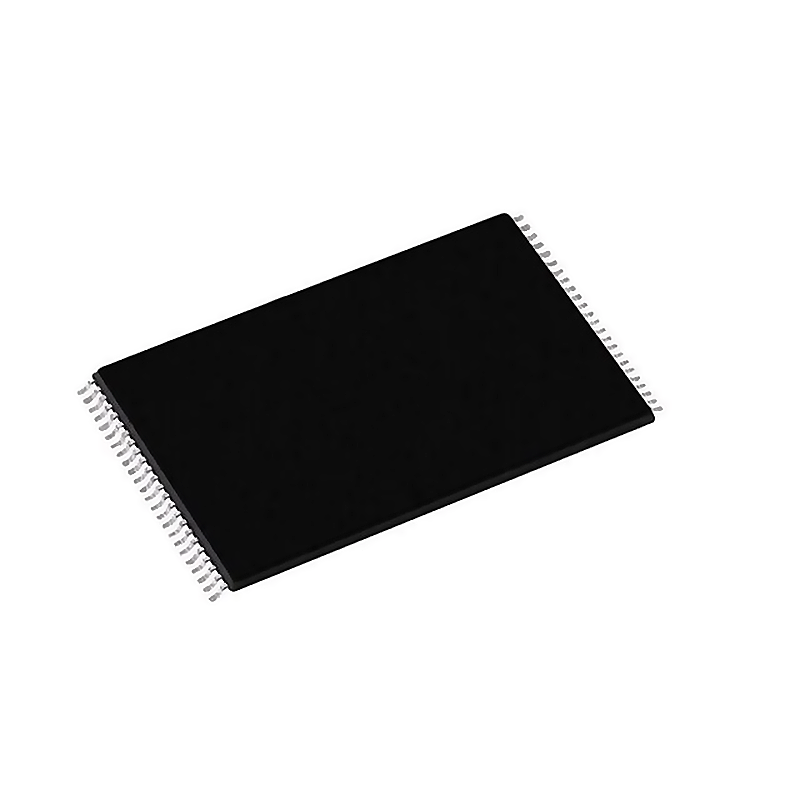
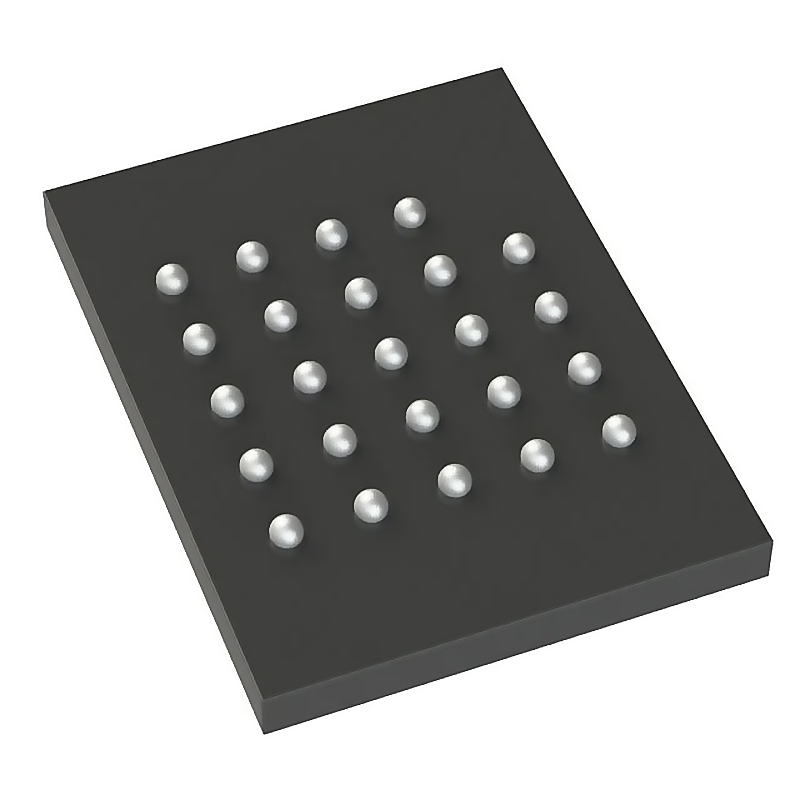
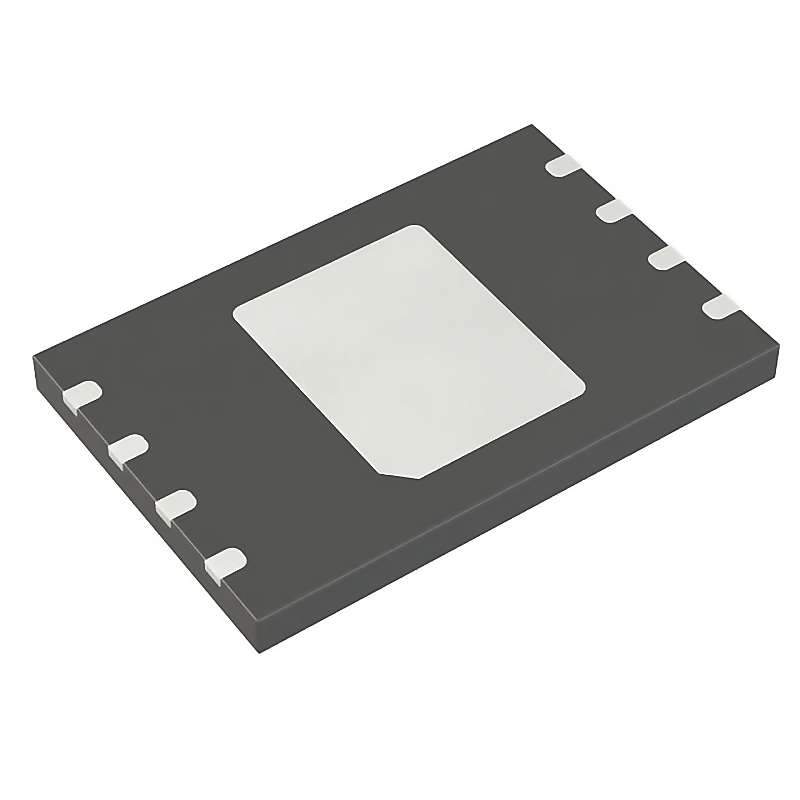
Samsung NAND flash represents cutting-edge memory storage technology that has revolutionized data retention across countless electronic devices worldwide. As a non-volatile storage solution, Samsung NAND flash retains information even when power is disconnected, making it essential for smartphones, tablets, solid-state drives, memory cards, and enterprise storage systems. This advanced flash memory technology utilizes floating-gate transistors arranged in grid patterns to store data efficiently and reliably. Samsung NAND flash delivers exceptional performance through innovative architectures including single-level cell, multi-level cell, triple-level cell, and quad-level cell configurations, each offering distinct balances between speed, endurance, and storage capacity. The technology features rapid read and write speeds that significantly enhance system responsiveness and application loading times. Samsung continuously advances NAND flash manufacturing processes, incorporating three-dimensional vertical stacking techniques that dramatically increase storage density while reducing physical footprint and power consumption. These memory chips serve critical roles in consumer electronics, automotive systems, industrial equipment, and data centers where reliable data storage is paramount. Samsung NAND flash supports various interface protocols including SATA, PCIe, and UFS, ensuring compatibility across diverse platforms and applications. The technology incorporates advanced error correction algorithms and wear-leveling mechanisms that extend operational lifespan and maintain data integrity throughout extensive usage cycles. With industry-leading reliability ratings and rigorous quality testing, Samsung NAND flash provides dependable storage solutions for mission-critical applications and everyday computing needs alike.
Choosing Samsung NAND flash delivers tangible benefits that directly impact your device performance and overall user experience. The exceptional speed capabilities mean your applications launch faster, files transfer quickly, and system boot times decrease dramatically compared to traditional storage methods. You gain immediate productivity improvements as waiting times diminish and workflow efficiency increases substantially. The reliability factor ensures your valuable data remains secure and accessible over extended periods, reducing concerns about unexpected data loss or corruption that could disrupt operations or cause personal information loss. Samsung NAND flash consumes significantly less power than conventional hard drives, extending battery life in portable devices and reducing energy costs in large-scale deployments, translating to real monetary savings over time. The compact form factor enables thinner, lighter device designs without sacrificing storage capacity, perfect for modern mobile lifestyles and space-constrained installations. For business applications, Samsung NAND flash reduces total cost of ownership through lower maintenance requirements, decreased cooling needs, and longer replacement cycles compared to mechanical storage alternatives. The technology scales effectively from consumer-grade devices to enterprise data centers, providing consistent performance characteristics across implementation sizes. Enhanced durability withstands physical shocks and vibrations that would damage traditional drives, making Samsung NAND flash ideal for mobile computing, automotive applications, and industrial environments where equipment faces harsh conditions. The silent operation eliminates mechanical noise, creating quieter working environments and improving user comfort. Temperature tolerance ensures reliable operation across wide environmental ranges, maintaining performance consistency regardless of climate conditions. Investment in Samsung NAND flash future-proofs your technology infrastructure as software and applications increasingly demand faster storage subsystems to deliver optimal functionality and user satisfaction.

Practical Tips

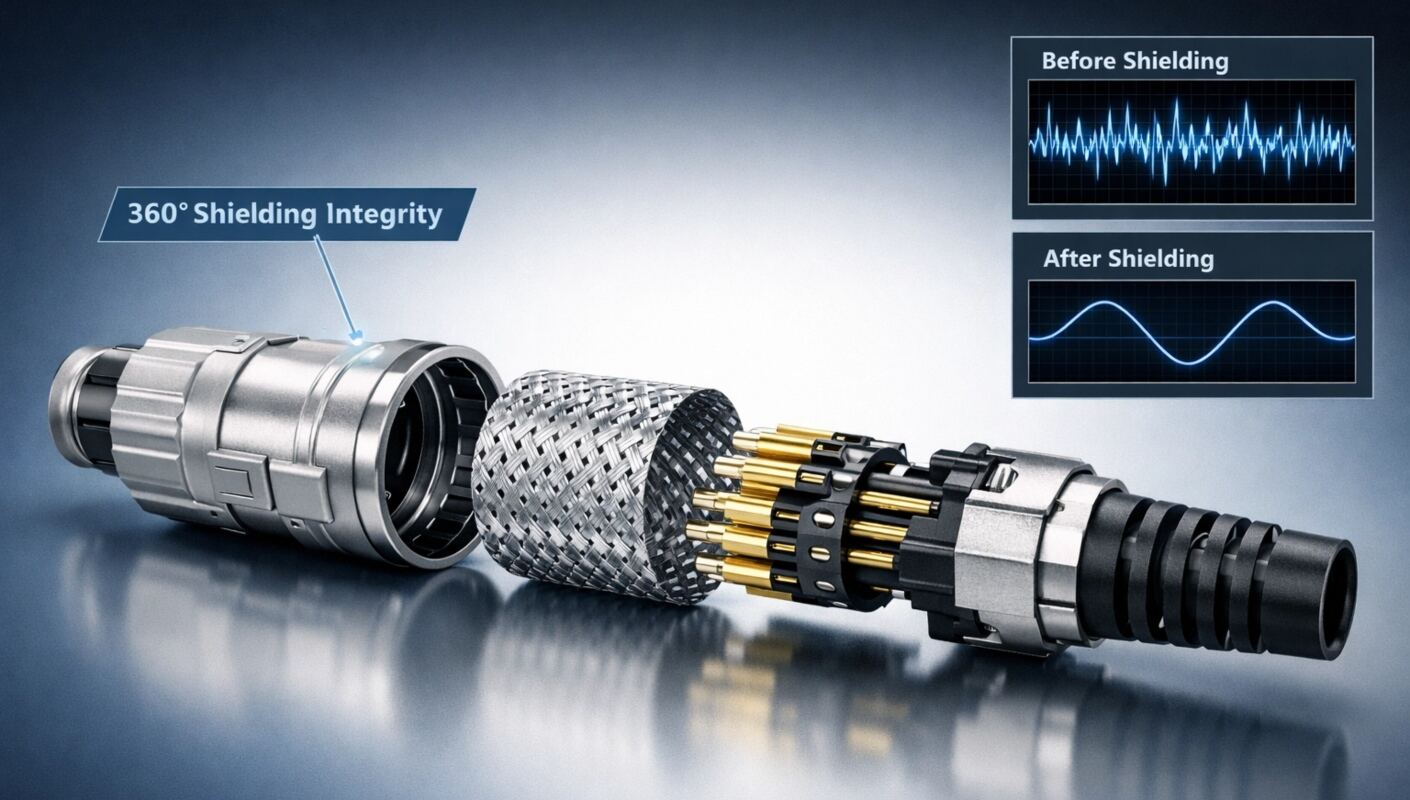
Why Shielded Connectors are Critical for Industrial Robotics: Overcoming EMI in High-Speed Automation

11

May

Why Shielded Connectors are Critical for Industrial Robotics: Overcoming EMI in High-Speed Automation

Struggling with robotic jitter, ghost failures, or positional drift? Shielded connectors eliminate EMI in high-speed automation—boost uptime & precision. Get the engineering guide.
View More
Why do manufacturers use contactor&relay systems in automated machinery?

12

Jun

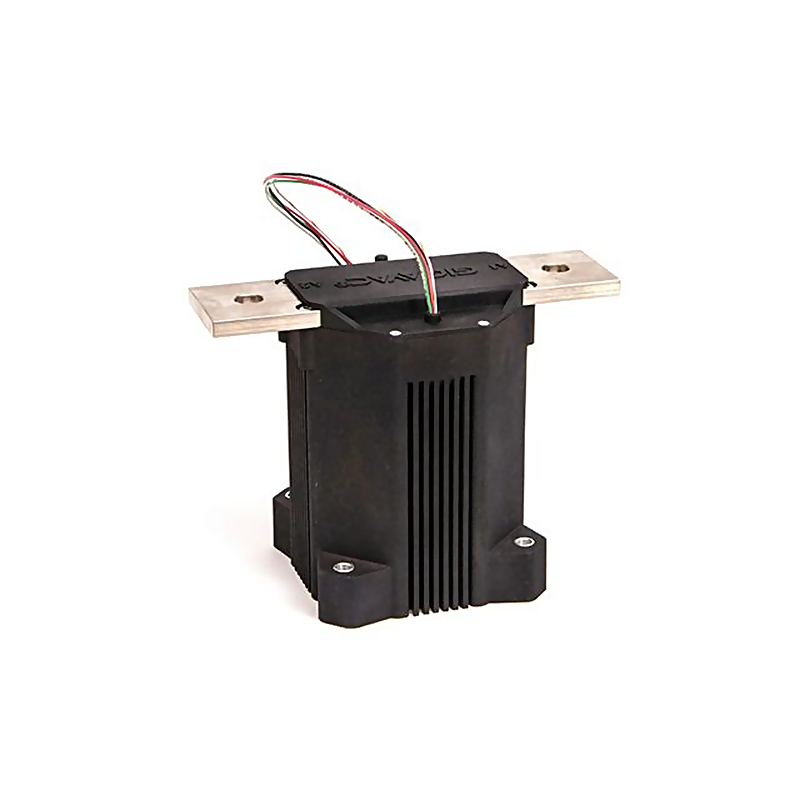
Why do manufacturers use contactor&relay systems in automated machinery?

View More
How does a mosfet transistor reduce energy loss in electronic equipment?

12

Jun

How does a mosfet transistor reduce energy loss in electronic equipment?

View More
Can a power management ic reduce heat generation in industrial systems?

12

Jun

Can a power management ic reduce heat generation in industrial systems?

View More
Advanced 3D V-NAND Architecture

Advanced 3D V-NAND Architecture

Samsung NAND flash incorporates groundbreaking three-dimensional vertical NAND technology that fundamentally transforms storage capabilities and efficiency. Unlike traditional planar NAND designs that arrange memory cells horizontally, this innovative architecture stacks cells vertically in multiple layers, achieving unprecedented storage densities within identical physical spaces. This vertical stacking approach overcomes the physical limitations that previously constrained storage capacity increases, enabling Samsung to deliver higher-capacity solutions without expanding chip dimensions. The 3D V-NAND structure reduces cell-to-cell interference, enhancing data reliability and extending memory endurance significantly beyond conventional alternatives. This architectural advancement allows for larger cell sizes despite increased density, improving write endurance and retention characteristics that benefit long-term data integrity. The technology delivers superior performance consistency across the entire capacity range, eliminating the performance degradation often experienced with traditional NAND as storage fills. Power efficiency improvements result from optimized electrical pathways and reduced operational voltages, contributing to extended battery life in mobile applications and decreased energy consumption in data center deployments. This revolutionary architecture positions Samsung NAND flash at the forefront of storage innovation, providing scalable solutions that meet escalating capacity demands without compromising performance or reliability standards.
Industry-Leading Performance Specifications

Industry-Leading Performance Specifications

Samsung NAND flash achieves remarkable performance benchmarks that establish new standards for storage responsiveness and throughput capabilities. Sequential read speeds reach extraordinary levels, enabling rapid loading of large files, high-resolution media content, and complex applications that demand instant data access. Write performance matches these impressive speeds, facilitating quick file saves, seamless video recording, and efficient data backup operations without frustrating delays. Random read and write operations excel particularly, directly impacting real-world usage scenarios where operating systems and applications access numerous small files simultaneously. This exceptional random performance translates to snappier system responsiveness, faster application launches, and smoother multitasking experiences that users immediately notice and appreciate. Input-output operations per second ratings surpass competing solutions, making Samsung NAND flash ideal for database applications, virtualization environments, and content creation workstations requiring maximum storage subsystem performance. Low latency characteristics ensure minimal delay between data requests and delivery, critical for gaming applications, financial trading systems, and real-time analytics platforms where milliseconds matter. Sustained performance remains consistent even under heavy workloads, avoiding the slowdowns that plague inferior storage technologies during intensive operations. These performance advantages compound across usage scenarios, delivering cumulative time savings and productivity gains that justify premium positioning in competitive markets.
Comprehensive Reliability and Endurance

Comprehensive Reliability and Endurance

Samsung NAND flash engineering prioritizes longevity and dependability through sophisticated reliability mechanisms and rigorous validation processes. Advanced error correction code algorithms continuously monitor data integrity, detecting and correcting potential issues before they impact stored information or system stability. Wear-leveling technology intelligently distributes write operations across memory cells, preventing premature degradation of frequently accessed areas and maximizing overall lifespan. Built-in redundancy features provide additional protection layers, ensuring data remains recoverable even if individual memory cells fail during extended operational periods. Temperature monitoring and thermal management systems protect against heat-related degradation, maintaining optimal operating conditions that preserve performance characteristics and extend usable life. Samsung subjects every NAND flash product to extensive testing protocols simulating years of real-world usage patterns, validating endurance ratings and reliability claims before market release. Mean time between failures ratings exceed industry averages substantially, providing confidence for mission-critical deployments where downtime costs prove expensive. Data retention capabilities ensure stored information remains intact for extended periods without power, meeting archival requirements and regulatory compliance needs. These comprehensive reliability features reduce maintenance burdens, minimize unexpected failures, and protect valuable data assets, delivering peace of mind alongside exceptional performance for both individual users and enterprise organizations investing in storage infrastructure.