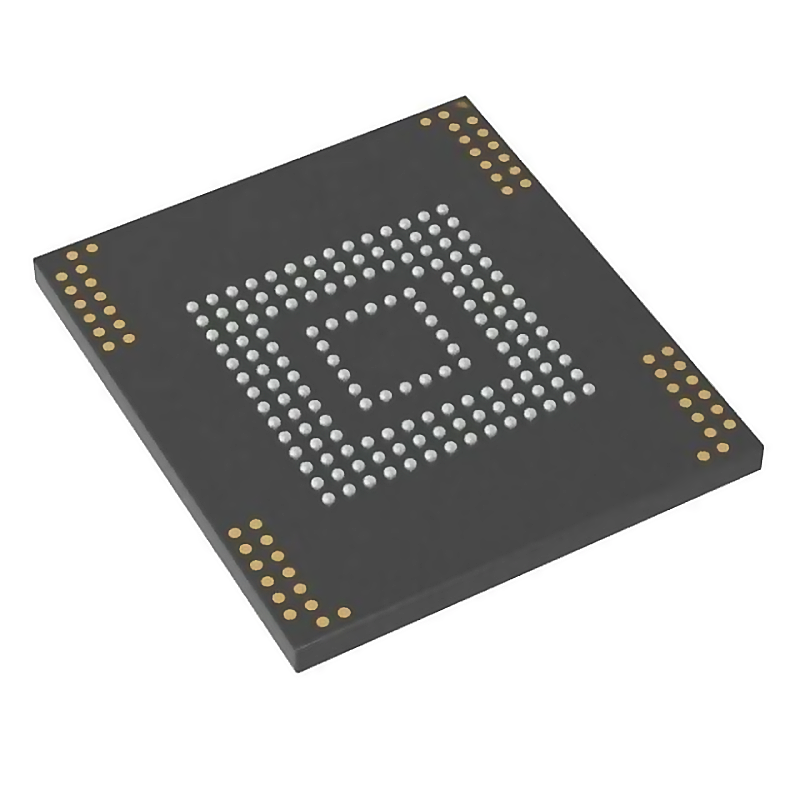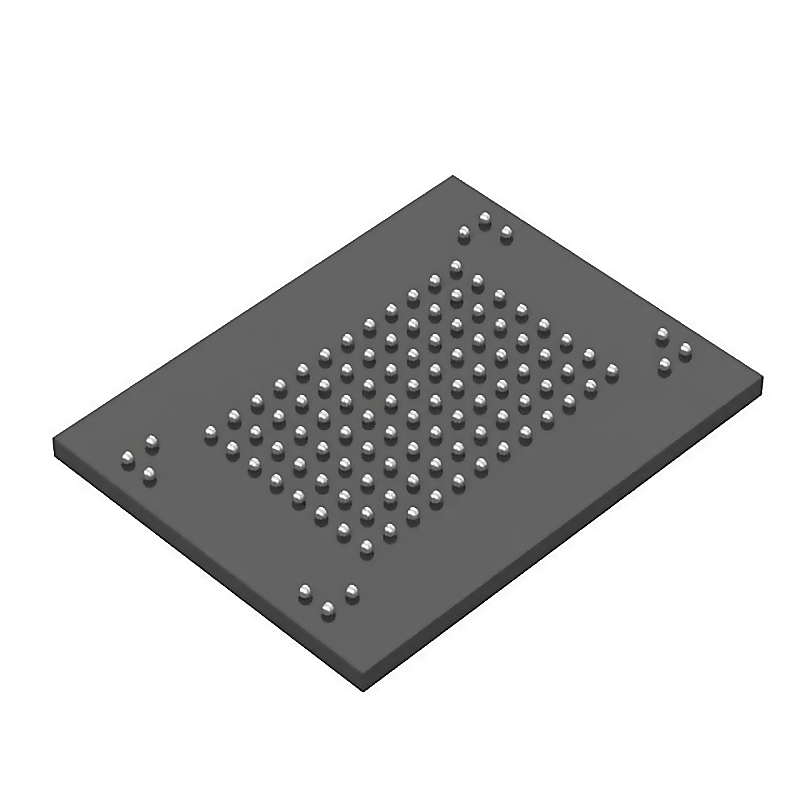
nand flash storage
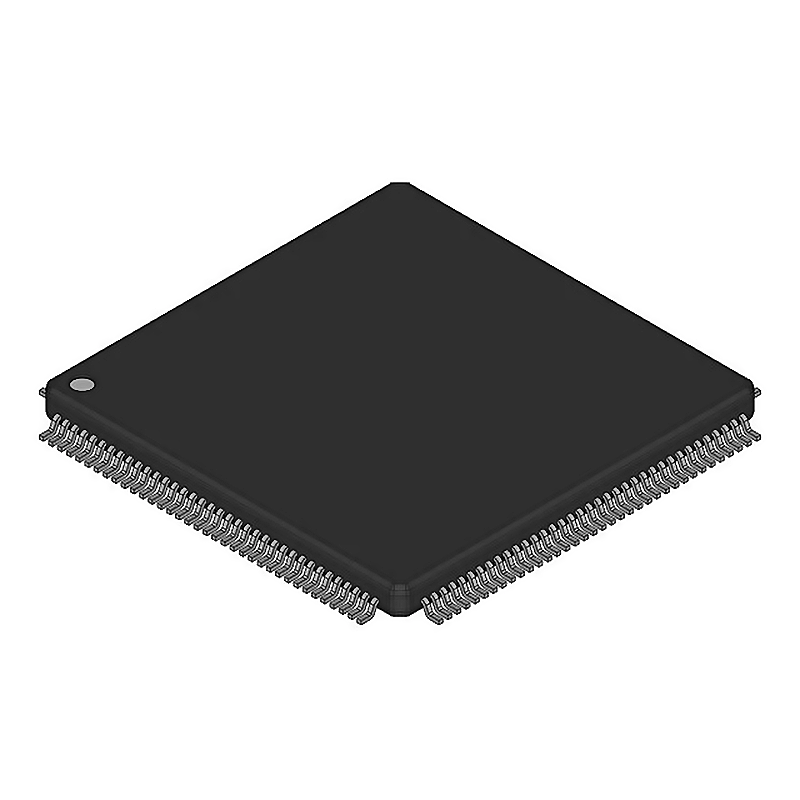
NAND flash storage represents a revolutionary non-volatile memory technology that has transformed how we store and access digital information across countless devices. This semiconductor-based storage solution retains data even when power is disconnected, making it ideal for portable electronics and enterprise systems alike. NAND flash storage operates by trapping electrical charges in memory cells arranged in a grid pattern, where data is written and erased in blocks rather than individual bytes. The technology derives its name from the NAND logic gate architecture used in its circuit design. Modern nand flash storage comes in various forms including Single-Level Cell, Multi-Level Cell, Triple-Level Cell, and Quad-Level Cell configurations, each offering different balances between performance, endurance, and cost. These storage devices have become the backbone of solid-state drives, USB flash drives, memory cards, smartphones, tablets, and embedded systems. The fundamental advantage of nand flash storage lies in its ability to provide fast read speeds, reasonable write performance, compact physical footprint, and significantly lower power consumption compared to traditional mechanical hard drives. As data demands continue growing exponentially, nand flash storage technology evolves with higher density chips, improved reliability mechanisms, and enhanced controller algorithms that optimize performance while extending the lifespan of storage media.