Power Converter Manufacturers | Quality Solutions

Your Trusted Partner in Electronics Supply Chain. Inquire Now!

Explore Our Latest Smart Electronics Collection.

, , 
Inquiry
Inquiry

power converter manufacturers

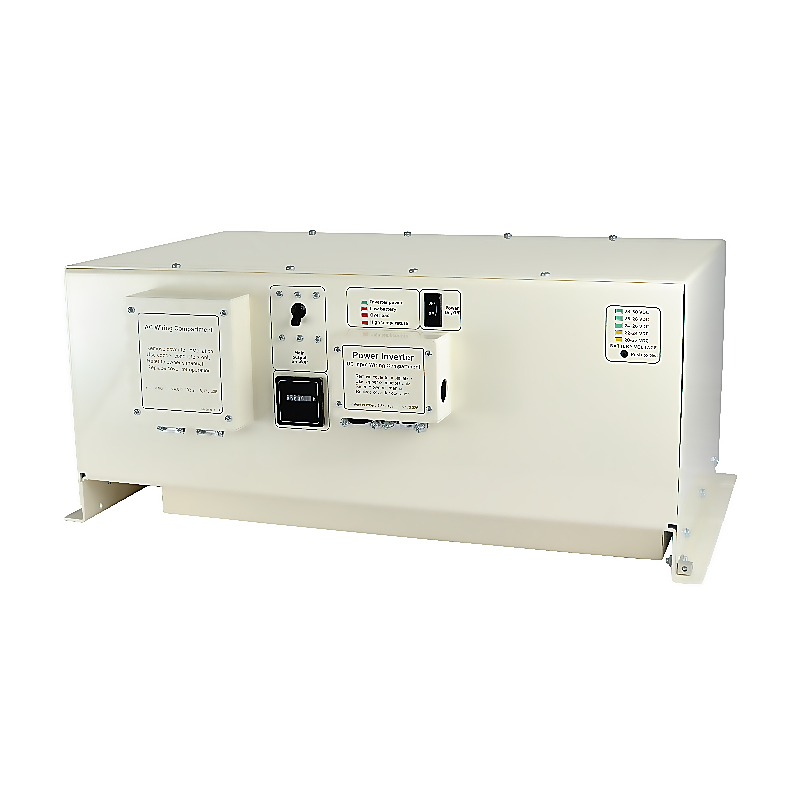
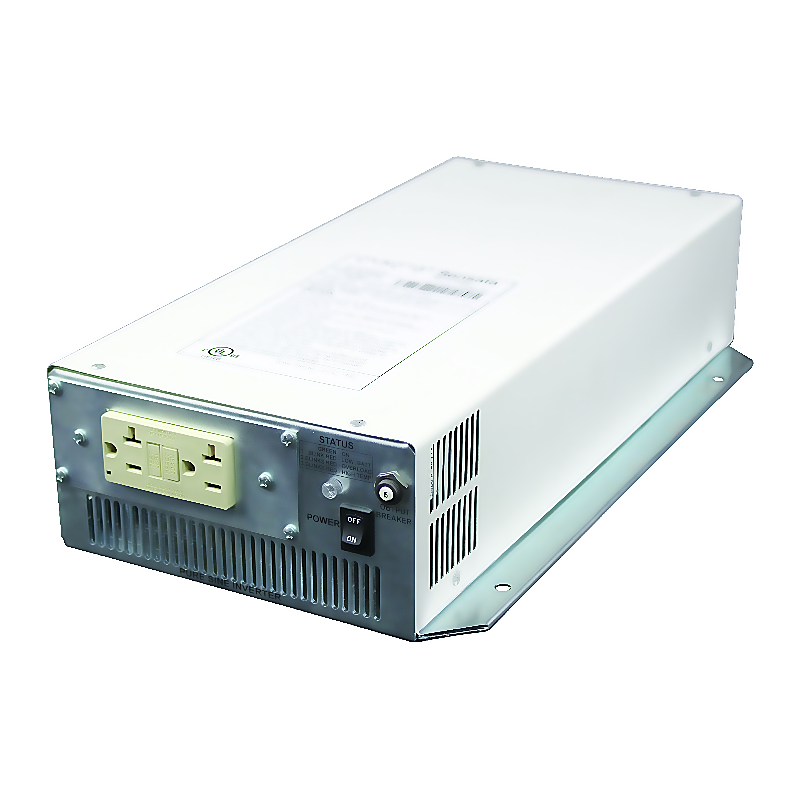
Power converter manufacturers design and produce essential electronic devices that transform electrical energy from one form to another, enabling compatibility between different power sources and electronic equipment. These specialized companies engineer converters that modify voltage, current, and frequency to meet specific application requirements across diverse industries. Power converter manufacturers utilize advanced semiconductor technologies, precision engineering, and rigorous quality control processes to deliver reliable solutions for AC-DC, DC-DC, and DC-AC conversion needs. Their product portfolios typically include switching power supplies, inverters, rectifiers, and customized conversion systems tailored to client specifications. Leading power converter manufacturers invest heavily in research and development to improve efficiency ratings, reduce thermal output, and minimize electromagnetic interference. They serve critical sectors including telecommunications, industrial automation, renewable energy, medical equipment, transportation, and consumer electronics. Modern power converter manufacturers incorporate smart features such as digital control interfaces, remote monitoring capabilities, and adaptive power management algorithms. Their engineering teams work closely with clients to understand unique operational environments, load characteristics, and regulatory compliance requirements. By maintaining certifications including ISO standards, UL listings, and CE markings, reputable power converter manufacturers demonstrate commitment to safety and performance excellence. These companies provide comprehensive technical support, from initial consultation through installation and ongoing maintenance, ensuring optimal system integration and long-term reliability for demanding applications worldwide.
Selecting established power converter manufacturers offers customers significant operational and financial benefits that directly impact business success. Experienced manufacturers provide proven reliability through extensive testing protocols and quality assurance procedures that minimize equipment downtime and maintenance costs. Their engineering expertise translates into products with higher efficiency ratings, reducing energy consumption and lowering operational expenses over the product lifecycle. Customers benefit from comprehensive technical support that includes application engineering assistance, helping identify the optimal converter specifications for specific use cases and avoiding costly mismatches. Reputable power converter manufacturers maintain robust supply chains and manufacturing capabilities, ensuring consistent product availability and shorter lead times compared to smaller suppliers. Their established distribution networks and service infrastructure provide convenient access to replacement parts and warranty support, reducing total cost of ownership. Buyers gain peace of mind through extensive product certifications and compliance with international safety standards, simplifying regulatory approval processes and reducing liability risks. Leading manufacturers offer customization capabilities that address unique voltage requirements, mounting configurations, and environmental conditions without requiring expensive redesign efforts. Their continuous innovation delivers access to latest technologies including wide-bandgap semiconductors, advanced thermal management, and intelligent power control features that future-proof investments. Working with recognized power converter manufacturers strengthens procurement negotiations through competitive pricing structures, volume discounts, and flexible commercial terms. Customers receive comprehensive documentation, including detailed specifications, application notes, and integration guidelines that accelerate development timelines and reduce engineering resource requirements. The reputation and financial stability of established manufacturers provide assurance of long-term product availability and ongoing support, critical factors for equipment with extended operational lifespans and multi-year deployment schedules.

Practical Tips

Can a mosfet transistor support automotive and renewable energy applications?

12

Jun

Can a mosfet transistor support automotive and renewable energy applications?

View More
Is a dc contactor suitable for high-current switching in industrial systems?

12

Jun

Is a dc contactor suitable for high-current switching in industrial systems?

View More
Advanced Engineering Capabilities and Customization Options

Advanced Engineering Capabilities and Customization Options

Distinguished power converter manufacturers maintain state-of-the-art engineering facilities staffed by specialized teams with deep expertise in power electronics, thermal management, and electromagnetic compatibility. These capabilities enable them to develop custom solutions that precisely match unique application requirements rather than forcing customers into compromise with off-the-shelf products. Their design flexibility accommodates special input voltage ranges, unusual output configurations, extreme environmental conditions, and integration with proprietary control systems. Through collaborative engineering processes, manufacturers work directly with customers to optimize converter performance for specific load profiles, duty cycles, and operational scenarios. This customization extends beyond electrical specifications to include mechanical design modifications, specialized cooling solutions, and integration of communication protocols. Advanced simulation tools and rapid prototyping capabilities allow power converter manufacturers to validate designs quickly and iterate based on testing feedback. Their expertise in selecting optimal components, circuit topologies, and control algorithms results in solutions with superior efficiency, reduced size, and enhanced reliability compared to generic alternatives. Customers benefit from intellectual property protection and exclusive designs that provide competitive advantages in their respective markets. The engineering support continues beyond initial design through production optimization, ongoing technical consultation, and assistance with field deployment challenges, ensuring successful project outcomes and long-term satisfaction.
Comprehensive Quality Assurance and Regulatory Compliance

Comprehensive Quality Assurance and Regulatory Compliance

Leading power converter manufacturers implement rigorous quality management systems that govern every stage of product development and manufacturing. Their comprehensive testing protocols include environmental stress screening, burn-in procedures, accelerated life testing, and automated inspection processes that identify potential defects before products reach customers. These quality measures result in exceptionally low failure rates and extended mean time between failures, directly reducing maintenance costs and operational disruptions. Dedicated compliance teams ensure all products meet relevant international standards including IEC, UL, CSA, and regional requirements for electromagnetic compatibility and safety. This certification portfolio simplifies market access across different geographic regions and industry sectors, eliminating costly delays associated with regulatory approval processes. Power converter manufacturers maintain detailed traceability systems that document component sourcing, manufacturing processes, and test results for individual units, supporting quality investigations and regulatory audits. Their established relationships with certification bodies and testing laboratories expedite approval timelines for new products and custom designs. Customers receive comprehensive compliance documentation including test reports, certificates of conformity, and declarations that satisfy procurement requirements and regulatory submissions. The commitment to quality extends through supply chain management, with stringent vendor qualification processes and incoming inspection procedures that ensure consistent component quality. This systematic approach to quality and compliance provides buyers with confidence in product reliability and reduces risks associated with equipment failures in critical applications.
Global Support Infrastructure and Long-Term Partnership

Global Support Infrastructure and Long-Term Partnership

Established power converter manufacturers differentiate themselves through extensive support networks that provide consistent service across multiple regions and time zones. Their global presence includes regional sales offices, technical support centers, and authorized service partners who understand local market requirements and can respond quickly to customer needs. This infrastructure ensures that customers receive timely assistance regardless of deployment location, critical for multinational operations and distributed installations. Dedicated account management teams build deep understanding of customer applications, operational challenges, and future requirements, enabling proactive recommendations and streamlined repeat ordering processes. Power converter manufacturers invest in comprehensive training programs that educate customer personnel on proper installation techniques, maintenance procedures, and troubleshooting methodologies, reducing dependency on external service resources. Their technical support extends beyond reactive problem-solving to include application consulting, system optimization recommendations, and assistance with capacity planning for future expansion. Manufacturers maintain extensive documentation libraries, online resources, and knowledge bases that provide instant access to specifications, application notes, and best practices. Long-term partnerships with reputable manufacturers provide customers with early access to emerging technologies, participation in beta testing programs, and influence over product roadmap development. The financial stability and market longevity of established manufacturers ensure continued product availability, spare parts support, and technical expertise throughout extended equipment lifecycles, protecting customer investments and supporting long-term operational planning requirements.