current voltage converter
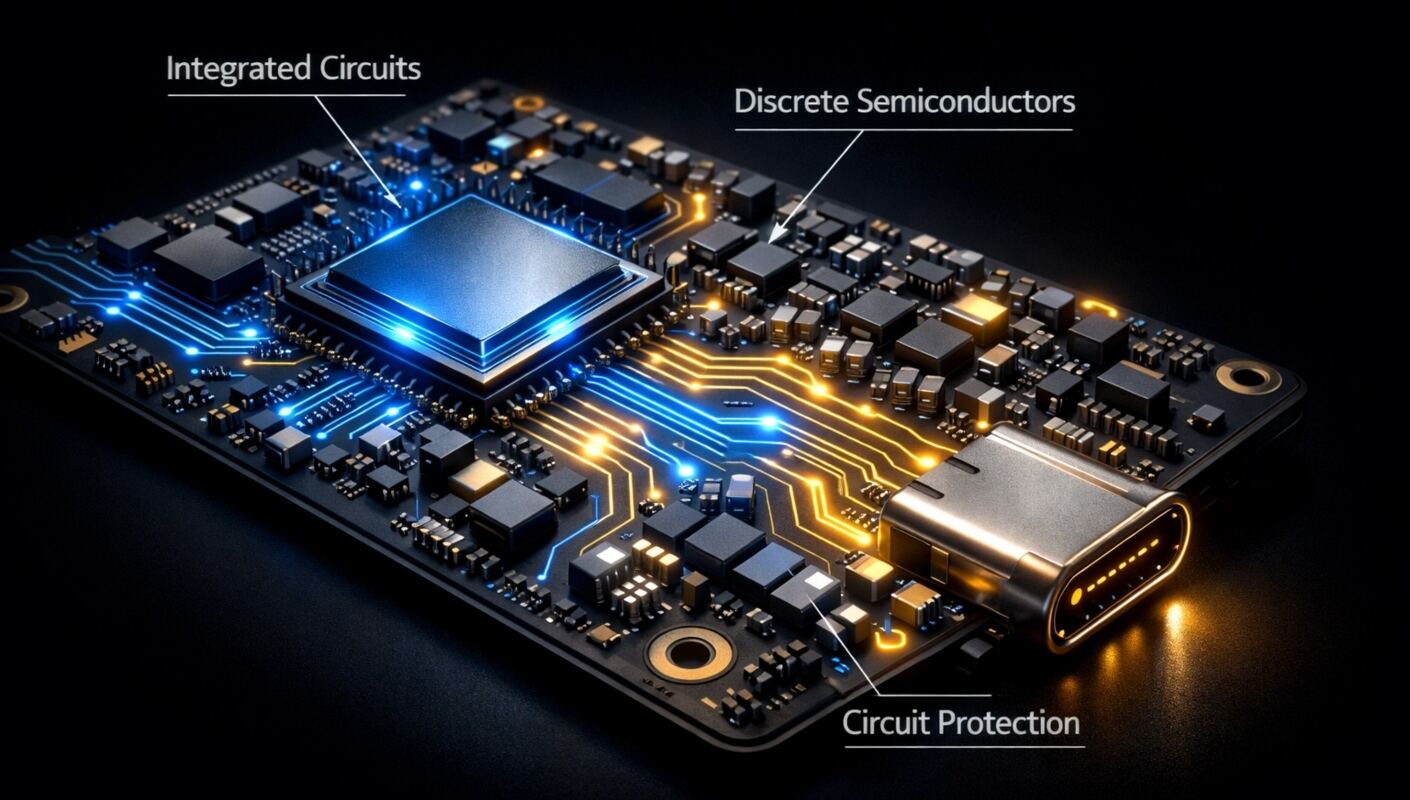
A current voltage converter is an essential electronic device designed to transform electrical current into a proportional voltage signal, enabling accurate measurement and monitoring of electrical systems. This sophisticated converter plays a crucial role in industrial automation, power management, and control systems where precise current sensing is required. The primary function of a current voltage converter involves converting high-magnitude alternating or direct current into low-voltage signals that can be safely processed by control systems, data acquisition devices, and monitoring equipment. Modern current voltage converter designs incorporate advanced semiconductor technology, precision resistors, and signal conditioning circuits to ensure exceptional accuracy and reliability. These converters typically feature galvanic isolation, which provides electrical separation between the input current circuit and output voltage signal, protecting sensitive equipment from voltage spikes and ground loops. The technological features of a current voltage converter include wide bandwidth capabilities, excellent linearity across the measurement range, and low temperature drift characteristics. Applications span across renewable energy systems, motor control centers, battery management systems, and smart grid infrastructure. The current voltage converter serves as a critical interface component in power distribution networks, allowing operators to monitor load conditions, detect anomalies, and implement protective measures. With increasing demands for energy efficiency and system reliability, the current voltage converter has become indispensable in modern electrical installations, offering engineers a reliable solution for integrating current measurement into sophisticated control architectures.