Buy Power Converter - Reliable Energy Solutions

Your Trusted Partner in Electronics Supply Chain. Inquire Now!

Explore Our Latest Smart Electronics Collection.

, , 
Inquiry
Inquiry

buy power converter

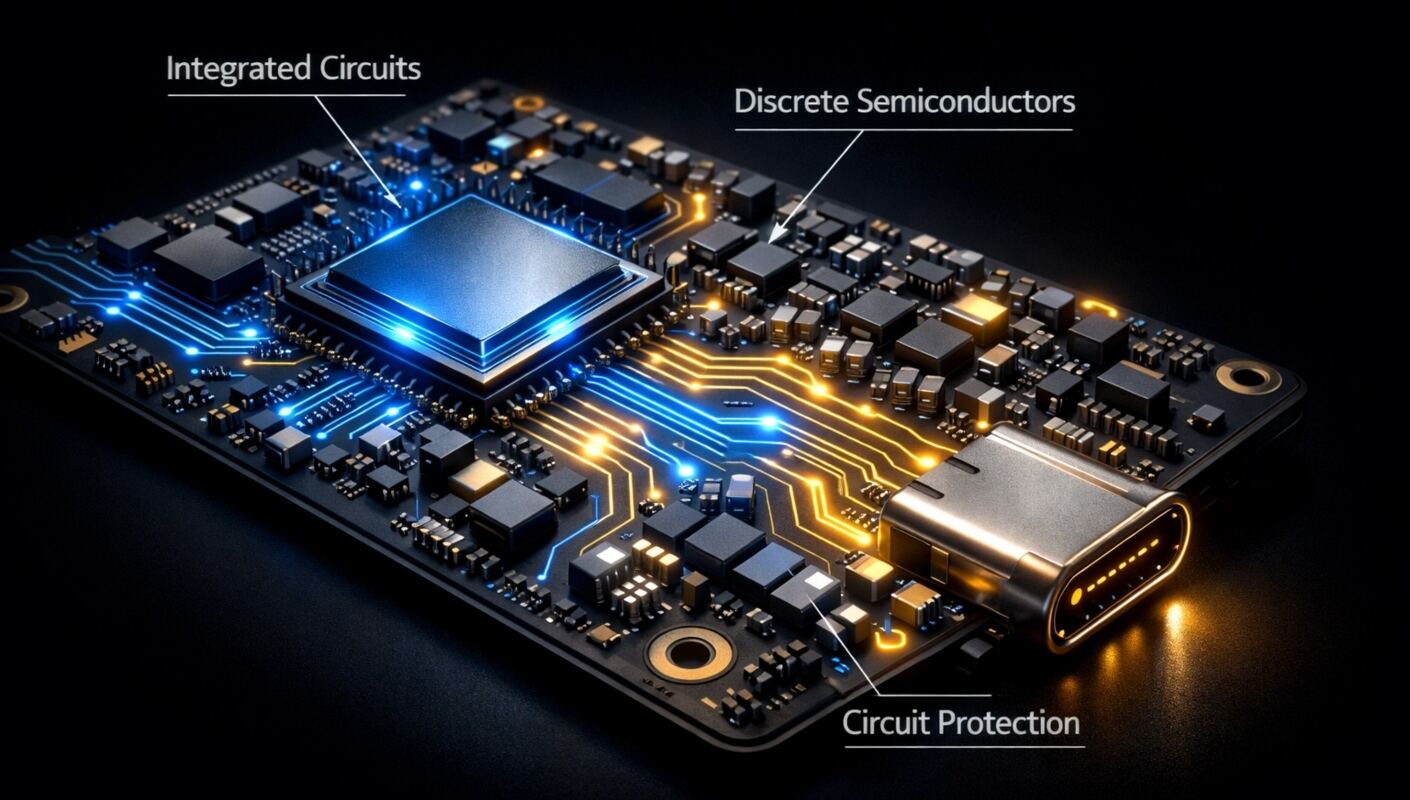
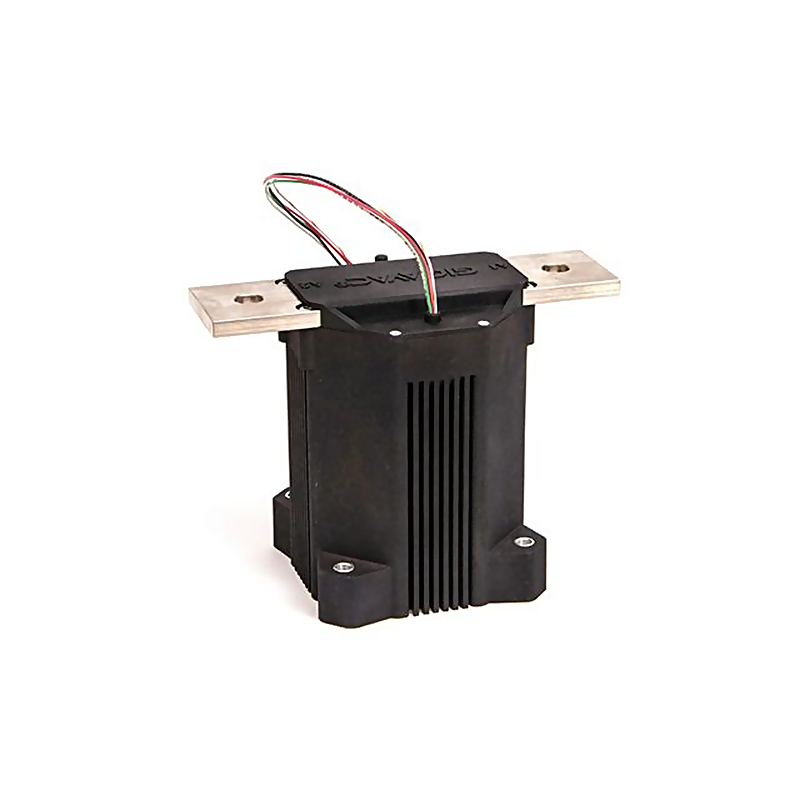
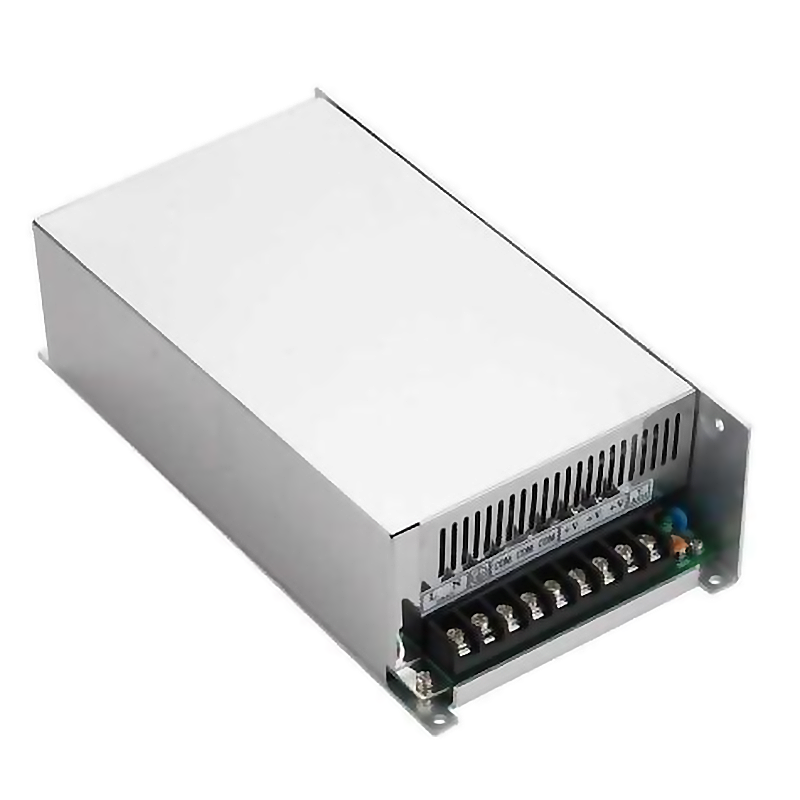
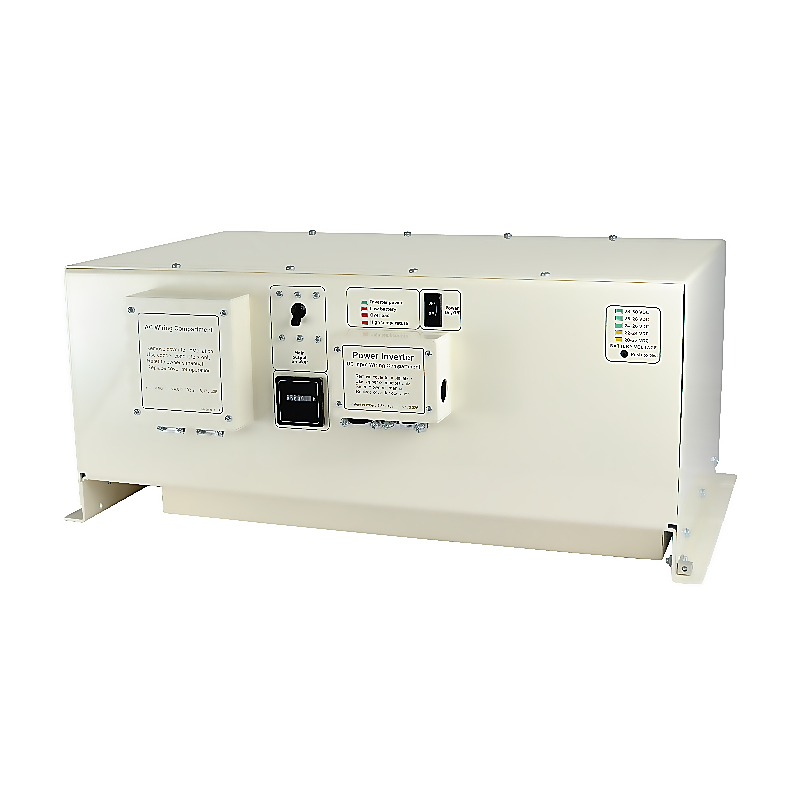
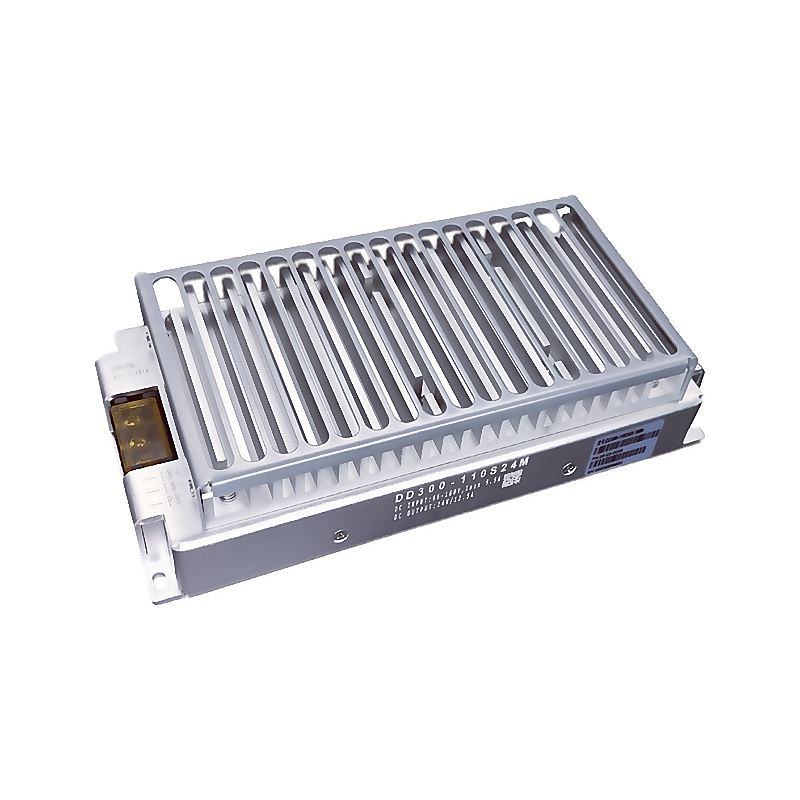
A power converter is an essential electronic device that transforms electrical energy from one form to another, enabling compatibility between different voltage levels, current types, and frequency standards. When you buy power converter units, you invest in technology that bridges the gap between power sources and electronic equipment, ensuring safe and efficient operation. These devices convert alternating current to direct current, step up or step down voltage levels, and adapt power specifications to match your equipment requirements. Modern power converters incorporate advanced semiconductor technology, intelligent control systems, and protective features that safeguard both the converter and connected devices. Available in various configurations including AC-DC converters, DC-DC converters, DC-AC inverters, and AC-AC frequency converters, these units serve diverse applications across residential, commercial, and industrial sectors. The decision to buy power converter equipment should consider factors such as input voltage range, output specifications, power capacity, efficiency ratings, and environmental operating conditions. Quality power converters feature thermal management systems, electromagnetic interference filtering, and multiple protection mechanisms against overcurrent, overvoltage, and short circuits. Whether powering sensitive medical equipment, industrial machinery, renewable energy systems, or consumer electronics, selecting the right power converter ensures reliable performance, extends equipment lifespan, and prevents costly damage from incompatible power supplies.
When you buy power converter devices, you gain immediate access to versatile power solutions that eliminate compatibility issues between electrical systems and equipment. These converters deliver consistent, stable power output regardless of fluctuations in input supply, protecting your valuable electronics from damage caused by voltage spikes or inadequate power quality. The operational benefits include reduced energy consumption through high-efficiency conversion processes, often exceeding 90 percent efficiency in premium models, which translates directly into lower electricity costs and reduced environmental impact. Power converters enable global equipment usage by adapting to different regional power standards, making them indispensable for international travelers, multinational businesses, and imported equipment operation. The compact design of modern converters maximizes portability while maintaining robust performance, allowing flexible installation in space-constrained environments. Built-in safety features provide automatic shutdown during fault conditions, preventing equipment damage and potential fire hazards, which offers peace of mind and reduces insurance risks. Application suitability spans from powering sensitive laboratory instruments requiring precise voltage regulation to running heavy industrial motors demanding high power capacity. The investment to buy power converter technology pays dividends through extended equipment lifespan, as properly conditioned power reduces component stress and premature failure. Installation simplicity requires minimal technical expertise, with plug-and-play models available for immediate deployment. Maintenance requirements remain minimal due to solid-state construction with no moving parts, ensuring long-term reliability. The decision to buy power converter solutions supports business continuity by ensuring uninterrupted operation even when primary power sources experience quality issues or require adaptation for specialized equipment needs.

Tips And Tricks

Strategic Hardware Design for High-Density Mobile Electronics: A Comprehensive Layout and Component Selection Guide

11

May

Strategic Hardware Design for High-Density Mobile Electronics: A Comprehensive Layout and Component Selection Guide

Struggling with signal integrity & power stability in ultra-compact laptops? This expert guide covers IC layout, passive component selection, ESD protection & embedded solutions. Optimize your next-gen design now.
View More
How does a mosfet transistor reduce energy loss in electronic equipment?

12

Jun

How does a mosfet transistor reduce energy loss in electronic equipment?

View More
How do ic solutions improve integration in automotive and industrial electronics?

12

Jun

How do ic solutions improve integration in automotive and industrial electronics?

View More
Advanced Voltage Regulation Technology

Advanced Voltage Regulation Technology

When you buy power converter systems with advanced voltage regulation, you secure technology that maintains precise output voltage within tight tolerances regardless of input variations or load changes. This sophisticated regulation employs feedback control circuits that continuously monitor output conditions and make real-time adjustments to ensure stable power delivery. The technology proves critical for sensitive electronic equipment such as medical devices, laboratory instruments, telecommunications systems, and computer servers that require consistent voltage for optimal performance and data integrity. Advanced regulation prevents brownout conditions during peak demand periods and eliminates voltage sag that causes equipment malfunction or premature component failure. The intelligent circuitry responds within microseconds to transient disturbances, providing clean power that extends equipment operational life and reduces maintenance costs. This feature becomes particularly valuable in regions with unstable electrical grids or industrial settings where heavy machinery creates power quality disturbances. The investment to buy power converter units with superior regulation capabilities protects against costly downtime, data loss, and equipment replacement expenses while ensuring compliance with strict power quality standards required in critical applications.
Comprehensive Protection Systems

Comprehensive Protection Systems

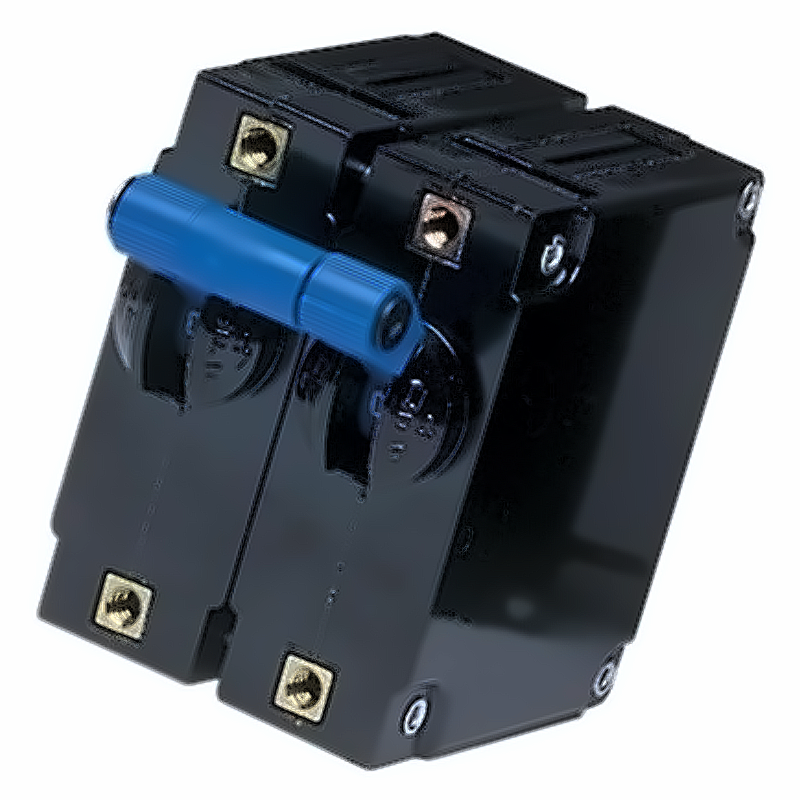
The decision to buy power converter equipment with comprehensive protection systems provides multi-layered safety mechanisms that safeguard both the converter and connected devices from electrical hazards. These protection features include overcurrent protection that automatically limits current flow during overload conditions, preventing thermal damage and fire risks. Overvoltage protection shields against voltage spikes from lightning strikes, utility switching operations, or equipment malfunctions that could destroy sensitive electronics. Short circuit protection instantly disconnects power when detecting fault conditions, containing potential damage to localized components rather than cascading through entire systems. Thermal protection monitors internal temperatures and reduces output or initiates shutdown sequences before critical components reach failure thresholds, ensuring safe operation even in challenging environmental conditions. Under-voltage lockout prevents operation when input power falls below minimum specifications, avoiding erratic behavior or equipment damage from insufficient power. These intelligent protection systems operate transparently during normal conditions while providing rapid response during emergencies, creating reliable operation that minimizes risk exposure. The comprehensive safety architecture built into quality power converters justifies the investment by preventing catastrophic failures, reducing liability exposure, and ensuring regulatory compliance across industrial, medical, and commercial applications.
Energy Efficiency and Cost Savings

Energy Efficiency and Cost Savings

When you buy power converter technology designed for high energy efficiency, you access performance characteristics that convert electrical energy with minimal waste heat generation, directly impacting operational costs and environmental sustainability. Modern converters utilize advanced switching topologies, premium magnetic components, and optimized circuit designs that achieve efficiency ratings between 90 and 98 percent, meaning only 2 to 10 percent of input energy dissipates as heat rather than useful output power. This exceptional efficiency translates into substantial cost savings over the converter's operational lifetime, particularly in continuous-duty applications running 24 hours daily. Reduced heat generation decreases cooling requirements, lowering air conditioning costs in climate-controlled environments and enabling more compact installations without thermal management concerns. High efficiency also supports sustainability initiatives by reducing carbon footprint and energy consumption, aligning with corporate environmental responsibility goals and potentially qualifying for utility rebates or green building certifications. The superior efficiency of quality power converters extends component longevity by reducing thermal stress on semiconductors, capacitors, and other temperature-sensitive parts, minimizing maintenance requirements and replacement frequency. This efficiency advantage becomes increasingly significant at scale, where multiple converters operating across facilities accumulate substantial savings while demonstrating environmental stewardship and responsible resource management that resonates with stakeholders and customers alike.