Power Management Chip Solutions | Efficient Power

Your Trusted Partner in Electronics Supply Chain. Inquire Now!

Explore Our Latest Smart Electronics Collection.

, , 
Inquiry
Inquiry

power management chip

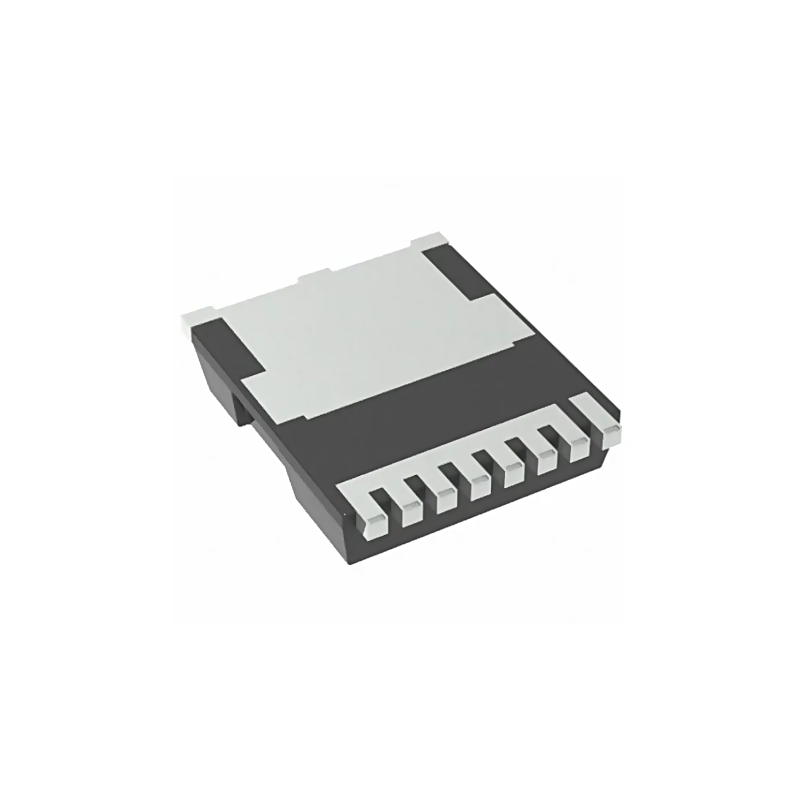
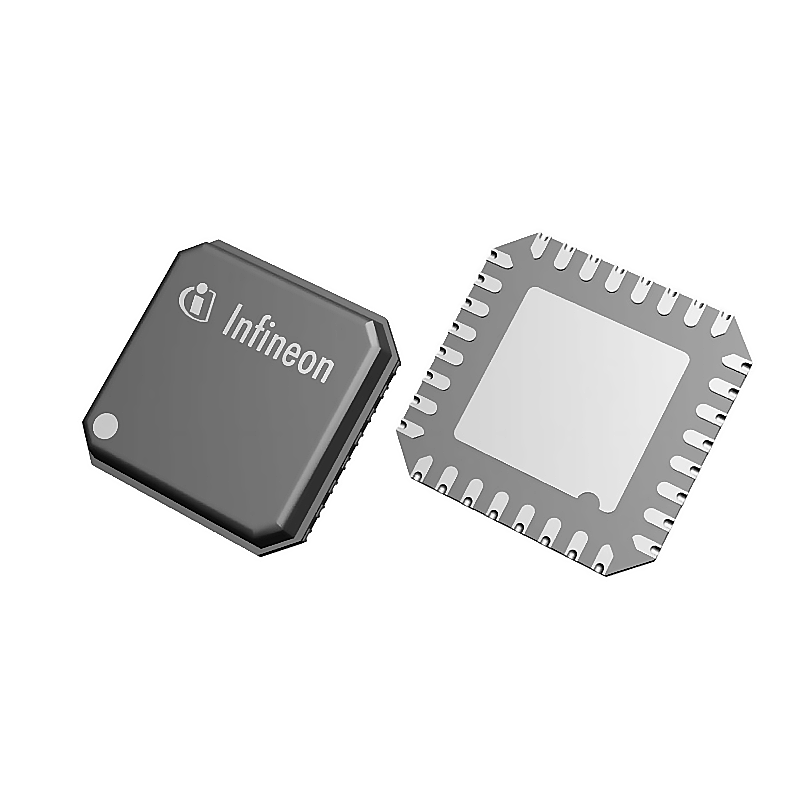
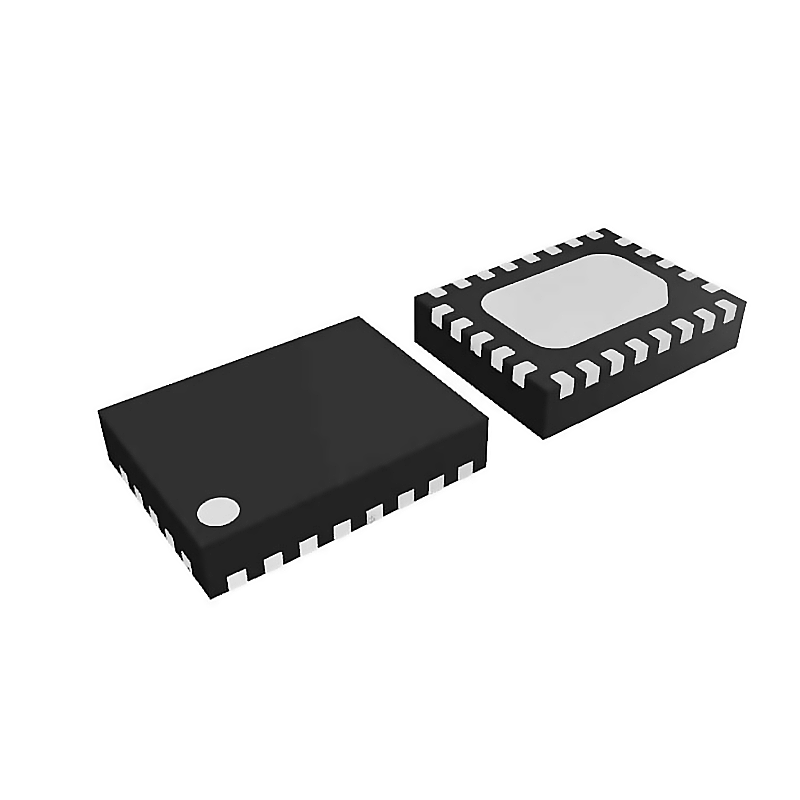
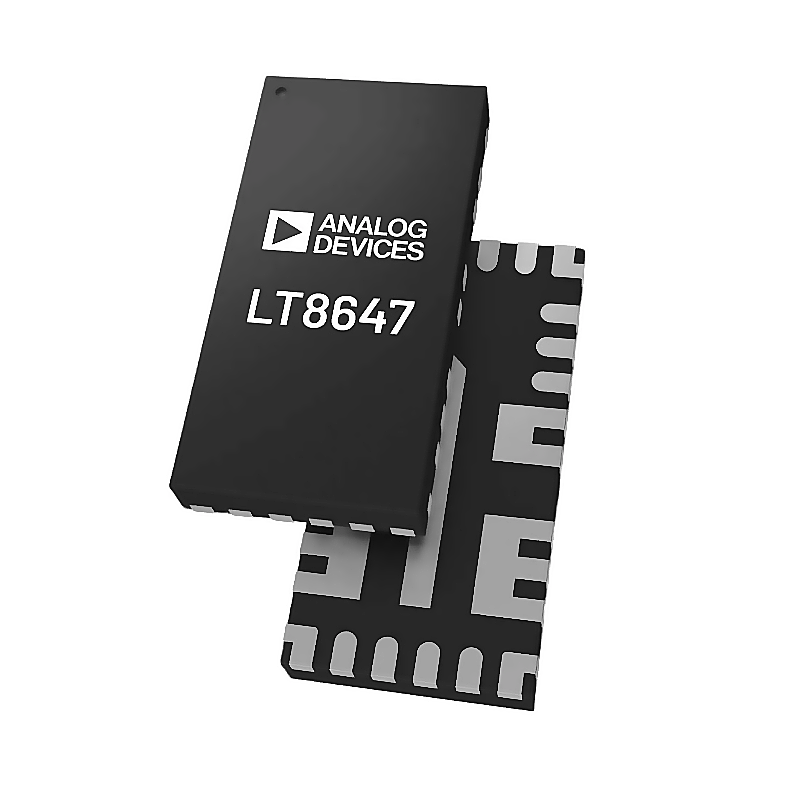
A power management chip is a sophisticated integrated circuit designed to regulate, distribute, and optimize electrical power within electronic devices. This essential component ensures that various subsystems receive stable voltage and current levels while maximizing energy efficiency and protecting circuits from damage. Modern power management chips incorporate advanced semiconductor technology to handle multiple power rails simultaneously, converting input voltages to precise output levels required by processors, memory modules, sensors, and other components. These chips feature built-in protection mechanisms including overcurrent detection, thermal shutdown capabilities, and voltage regulation to prevent system failures. The power management chip architecture typically includes DC-DC converters, low-dropout regulators, battery charging controllers, and power sequencing circuits that work together seamlessly. By intelligently controlling power delivery, these chips extend battery life in portable devices, reduce heat generation, and improve overall system reliability. Applications span consumer electronics like smartphones and tablets, industrial automation equipment, automotive systems, medical devices, and IoT solutions. The integration of multiple power functions into a single power management chip reduces board space requirements, lowers component costs, and simplifies circuit design. Advanced models incorporate digital control interfaces, programmable settings, and real-time monitoring capabilities that enable dynamic power optimization based on workload demands, making them indispensable for modern energy-conscious electronic products.
Implementing a power management chip delivers substantial cost savings by consolidating multiple discrete components into one integrated solution, reducing both material expenses and assembly complexity. These chips dramatically improve energy efficiency through intelligent power conversion algorithms that minimize wasted energy, directly translating to longer battery runtime for portable devices and lower electricity costs for always-on systems. The enhanced thermal performance prevents overheating issues that commonly plague electronic devices, ensuring consistent operation even under demanding conditions while extending product lifespan. Users benefit from faster charging times and smarter battery management that protects expensive battery packs from degradation caused by improper charging cycles. The compact footprint of a power management chip liberates valuable circuit board real estate, enabling manufacturers to create sleeker product designs or incorporate additional features without increasing device size. Reliability increases significantly as integrated protection features safeguard sensitive components from voltage spikes, current surges, and short circuits that could otherwise cause catastrophic failures. For product developers, these chips accelerate time-to-market by simplifying design processes and reducing the engineering effort required for power subsystem development. The flexibility offered by programmable power management chips allows a single hardware design to serve multiple product variants through software configuration, reducing inventory complexity and manufacturing costs. End consumers enjoy quieter operation due to reduced fan requirements, improved device performance from stable power delivery, and peace of mind knowing their devices incorporate professional-grade power protection mechanisms that prevent damage from common electrical faults.

Latest News

Can a mosfet transistor support automotive and renewable energy applications?

12

Jun

Can a mosfet transistor support automotive and renewable energy applications?

View More
Can a power management ic reduce heat generation in industrial systems?

12

Jun

Can a power management ic reduce heat generation in industrial systems?

View More
How does a dc contactor improve safety in battery energy storage applications?

12

Jun

How does a dc contactor improve safety in battery energy storage applications?

View More
Advanced Multi-Rail Power Regulation

Advanced Multi-Rail Power Regulation

The power management chip excels at simultaneously controlling multiple independent voltage rails with exceptional precision, a critical capability for modern complex electronic systems. Unlike simple voltage regulators, these chips orchestrate power delivery to numerous components operating at different voltage levels, from high-power processors requiring several amperes to sensitive analog circuits needing milliamp-level current. The sophisticated architecture incorporates multiple switching regulators and linear regulators that operate independently yet coordinate through intelligent sequencing logic. This ensures components power up and shut down in the correct order, preventing latch-up conditions and data corruption. The high-efficiency switching topology achieves conversion efficiencies exceeding 95 percent, minimizing energy loss as heat and maximizing battery life. Integrated current sensing and adaptive voltage scaling dynamically adjust output levels based on real-time load requirements, delivering maximum efficiency across varying operational states. This multi-rail capability eliminates the need for separate regulator circuits, significantly reducing bill-of-materials costs while improving overall system reliability through fewer potential failure points and simplified power distribution networks.
Intelligent Battery Management Integration

Intelligent Battery Management Integration

Modern power management chips incorporate comprehensive battery management functions that extend battery lifespan while ensuring safe charging operations across various battery chemistries. These integrated features monitor cell voltage, current flow, and temperature continuously, implementing sophisticated charging algorithms that optimize charge rates based on battery condition and environmental factors. The chip automatically transitions between charging phases including pre-conditioning for deeply discharged cells, constant-current bulk charging, constant-voltage absorption, and maintenance modes that prevent overcharging damage. Advanced fuel gauge functionality provides accurate state-of-charge estimates by tracking coulomb counting and compensating for battery aging effects, giving users reliable battery life predictions. Safety mechanisms prevent dangerous conditions including overcharge, over-discharge, overcurrent, and excessive temperature scenarios that could lead to thermal runaway or permanent battery damage. The power management chip also implements cell balancing for multi-cell battery packs, ensuring uniform charge distribution that maximizes capacity and prevents premature failure of weaker cells. This integrated approach eliminates the need for separate battery management modules, reducing system complexity while delivering professional-grade battery protection and optimization that consumers expect from premium electronic devices.
Comprehensive System Protection Features

Comprehensive System Protection Features

The power management chip provides multi-layered protection mechanisms that safeguard both itself and connected components from electrical faults and abnormal operating conditions. Integrated overcurrent protection continuously monitors output current levels and immediately limits or shuts down power delivery when thresholds are exceeded, preventing damage to circuit traces and downstream components. Overvoltage and undervoltage lockout circuits ensure outputs remain within safe operating ranges regardless of input voltage fluctuations or load transients. Thermal shutdown functionality monitors junction temperature and automatically disables the chip when safe limits are approached, preventing thermal damage and allowing controlled cooldown before automatic restart. Short-circuit protection detects fault conditions within microseconds and enters a protected hiccup mode that attempts periodic restart while limiting fault current to safe levels. Soft-start circuitry controls output voltage ramp rates during power-up, preventing inrush current spikes that could trigger nuisance shutdowns or stress components. These protection features work transparently without requiring external components or software intervention, providing robust fault tolerance that increases system reliability and reduces warranty returns while giving engineers confidence that their designs can withstand real-world operating conditions including user errors and environmental stress factors.