PMIC IC Solutions - Advanced Power Management

Your Trusted Partner in Electronics Supply Chain. Inquire Now!

Explore Our Latest Smart Electronics Collection.

, , 
Inquiry
Inquiry

pmic ic

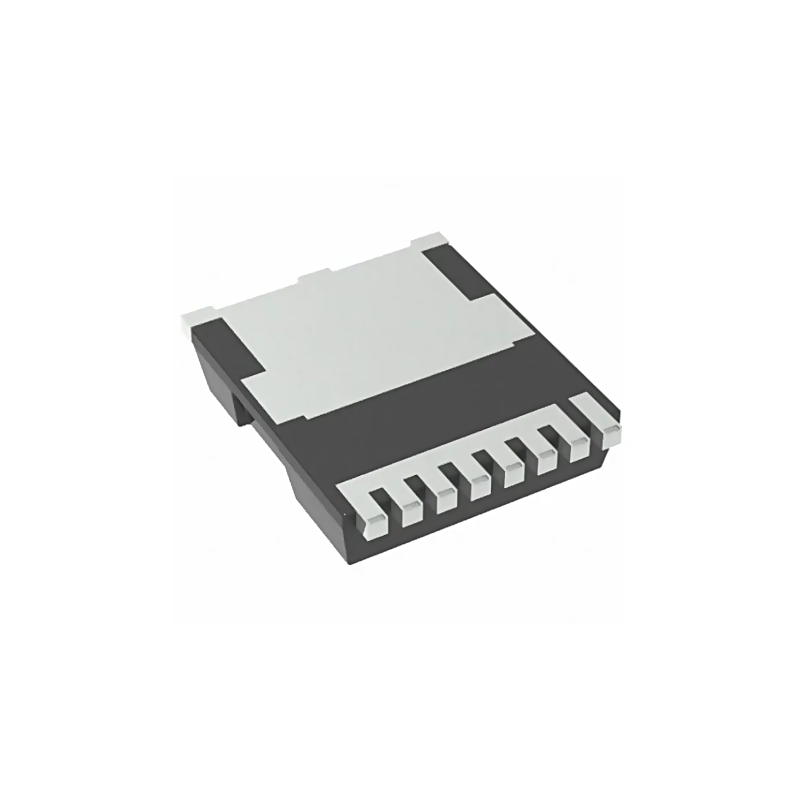
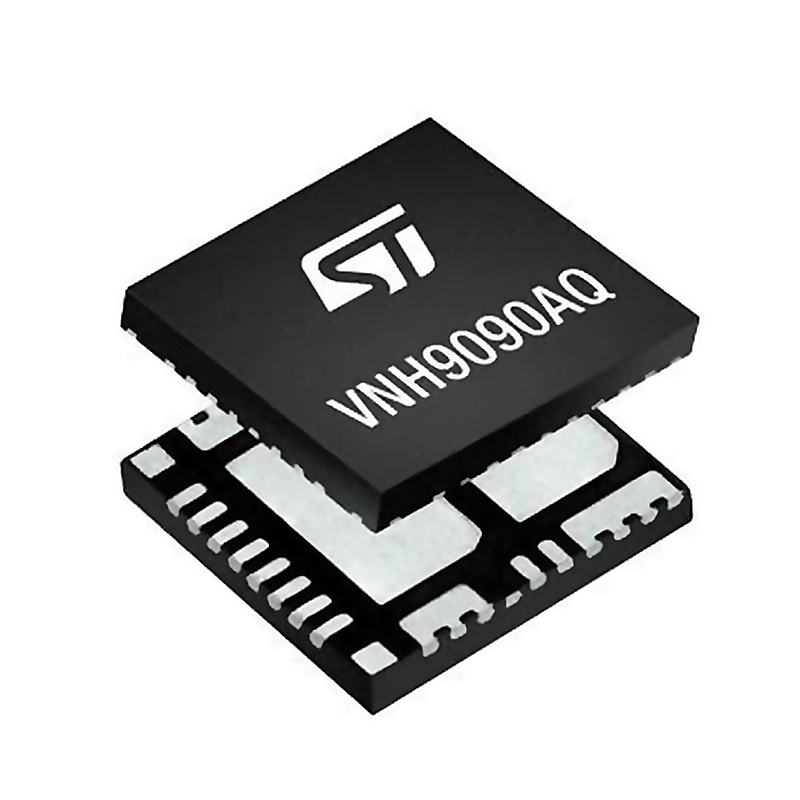
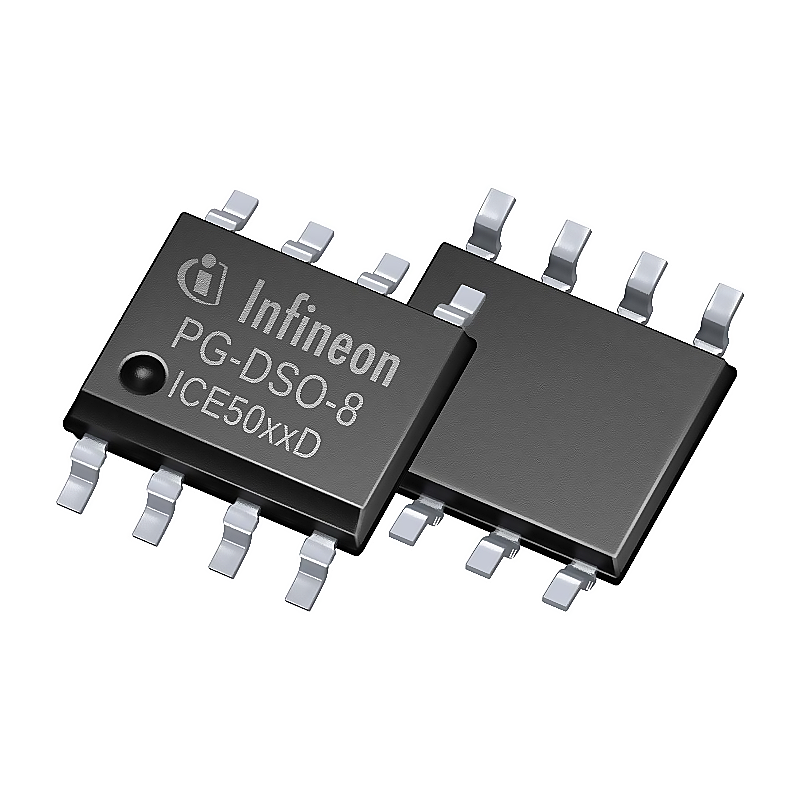
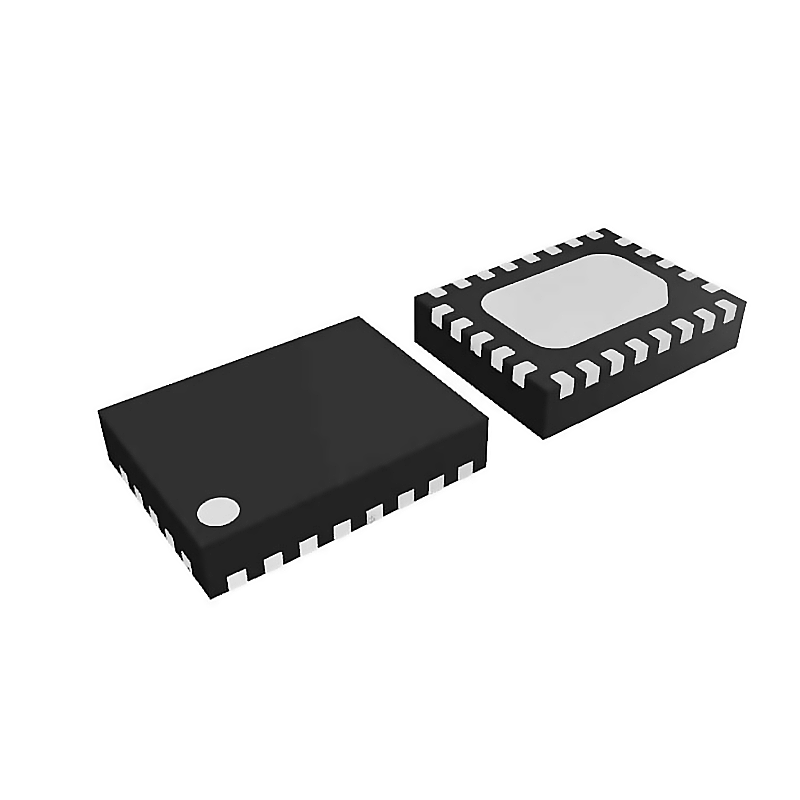
A PMIC IC, or Power Management Integrated Circuit, is a specialized semiconductor device designed to manage and distribute power efficiently within electronic systems. This essential component integrates multiple power management functions into a single chip, including voltage regulation, battery charging, power sequencing, and thermal management. The PMIC IC serves as the central hub for controlling power delivery to various subsystems in devices ranging from smartphones and tablets to industrial equipment and automotive applications. Modern PMIC IC designs incorporate advanced switching regulators, low-dropout linear regulators, and sophisticated control logic to optimize energy efficiency. These integrated circuits feature multiple output channels, each capable of delivering precisely regulated voltages to different components simultaneously. The PMIC IC continuously monitors power consumption, adjusts voltage levels dynamically, and protects circuits from overcurrent, overvoltage, and thermal stress. With built-in communication interfaces such as I2C or SPI, these devices enable system-level power management through software control. The technology behind PMIC IC solutions has evolved to support increasingly complex power requirements, including dynamic voltage scaling, power gating, and adaptive voltage positioning. As electronic devices demand more functionality while maintaining compact form factors and extended battery life, the PMIC IC has become indispensable for delivering reliable, efficient power management in virtually every modern electronic application, from consumer electronics to medical devices and telecommunications infrastructure.
Implementing a PMIC IC in your electronic design delivers immediate cost savings through component consolidation, reducing both board space requirements and assembly complexity. Instead of managing multiple discrete power components, you gain a single integrated solution that simplifies procurement, inventory management, and quality control processes. The PMIC IC significantly extends battery life in portable devices by employing intelligent power management algorithms that minimize wasted energy during operation and standby modes. Your products benefit from faster time-to-market because PMIC IC manufacturers provide comprehensive reference designs, evaluation kits, and technical support that accelerate development cycles. These devices enhance system reliability through built-in protection mechanisms that safeguard expensive components from voltage spikes, current surges, and thermal events that could cause failures. The compact footprint of a PMIC IC frees valuable circuit board area for additional features or allows for sleeker product designs that appeal to consumers. You achieve superior performance consistency across production batches because integrated circuits undergo rigorous factory testing and calibration, ensuring precise voltage regulation tolerances. The PMIC IC enables flexible power architecture that adapts to varying load conditions, automatically adjusting output voltages and switching frequencies to maintain optimal efficiency across different operating modes. Your engineering teams appreciate simplified troubleshooting and reduced electromagnetic interference thanks to the optimized layout and shielding within the PMIC IC package. This integration reduces the total component count, lowering manufacturing costs while improving yield rates during assembly. The PMIC IC supports future product upgrades through programmable features and software-configurable parameters, protecting your development investment and enabling product differentiation without hardware redesigns.

Practical Tips

Strategic Hardware Design for High-Density Mobile Electronics: A Comprehensive Layout and Component Selection Guide

11

May

Strategic Hardware Design for High-Density Mobile Electronics: A Comprehensive Layout and Component Selection Guide

Struggling with signal integrity & power stability in ultra-compact laptops? This expert guide covers IC layout, passive component selection, ESD protection & embedded solutions. Optimize your next-gen design now.
View More
Can a mosfet transistor support automotive and renewable energy applications?

12

Jun

Can a mosfet transistor support automotive and renewable energy applications?

View More
Can a power management ic reduce heat generation in industrial systems?

12

Jun

Can a power management ic reduce heat generation in industrial systems?

View More
Advanced Multi-Rail Voltage Regulation

Advanced Multi-Rail Voltage Regulation

The PMIC IC excels at delivering multiple precisely regulated voltage outputs simultaneously, a critical capability for modern electronic systems with diverse power requirements. This multi-rail architecture allows a single PMIC IC to power processors, memory modules, sensors, and communication interfaces, each demanding different voltage levels with specific current capabilities. Advanced feedback control loops within the PMIC IC maintain exceptional voltage accuracy, typically within one to two percent tolerance, even as load conditions fluctuate rapidly. The device intelligently switches between pulse-width modulation and pulse-frequency modulation modes to maximize efficiency across the entire load range, from microamps during sleep modes to multiple amps during peak operation. Sophisticated power sequencing ensures components receive power in the correct order during startup and shutdown, preventing latch-up conditions and ensuring reliable system initialization. The PMIC IC incorporates dynamic voltage scaling capabilities that adjust output voltages in real-time based on processor workload, delivering substantial energy savings without compromising performance. This intelligent regulation extends operational lifetime by reducing thermal stress on components while maintaining the stable, clean power necessary for sensitive analog circuits and high-speed digital logic.
Comprehensive Protection and Monitoring Features

Comprehensive Protection and Monitoring Features

Every PMIC IC includes robust protection circuitry that continuously monitors system conditions to prevent damage and ensure safe operation under all circumstances. Overcurrent protection immediately responds when any output exceeds its specified current limit, either by reducing output or shutting down the affected channel while keeping other rails operational. Overvoltage and undervoltage lockout functions detect abnormal conditions and take corrective action before voltage excursions can harm downstream components. Thermal monitoring within the PMIC IC tracks junction temperature and implements thermal throttling or shutdown when safe operating limits are approached, protecting both the power management device and the entire system. Short-circuit protection provides rapid response to fault conditions, isolating problems within milliseconds to prevent cascading failures. The PMIC IC communicates fault status through dedicated alert pins or digital interfaces, enabling system processors to log events, notify users, or initiate recovery procedures. Power-good indicators signal when output voltages have stabilized within specification, allowing controlled sequencing of dependent systems. These comprehensive protection features reduce warranty costs, enhance product reputation, and ensure compliance with safety standards across global markets while providing design engineers with confidence in system robustness.
Optimized Efficiency and Thermal Performance

Optimized Efficiency and Thermal Performance

The PMIC IC achieves exceptional power conversion efficiency through advanced semiconductor processes and innovative circuit topologies that minimize energy losses during voltage transformation. High-efficiency switching regulators within the PMIC IC typically deliver ninety percent or better efficiency across wide load ranges, dramatically reducing heat generation compared to linear regulation approaches. Intelligent mode switching automatically transitions between synchronous rectification for heavy loads and diode emulation for light loads, maintaining high efficiency throughout the operational spectrum. The PMIC IC integrates optimized power stage components, including low on-resistance switches and low-loss inductors, within compact packages that facilitate excellent thermal dissipation. Advanced thermal management features dynamically adjust switching frequencies and current limits based on junction temperature, balancing performance with thermal constraints. The reduced heat output from an efficient PMIC IC eliminates or minimizes the need for external cooling solutions like heatsinks or fans, enabling quieter, more compact product designs. Lower operating temperatures extend component lifetimes and improve long-term reliability, reducing field failures and maintenance requirements. The thermal efficiency of PMIC IC solutions becomes particularly valuable in space-constrained applications where heat dissipation challenges traditional power management approaches, making possible new product categories and form factors previously considered impractical.