PMIC Module: Advanced Power Management Solutions

Your Trusted Partner in Electronics Supply Chain. Inquire Now!

Explore Our Latest Smart Electronics Collection.

, , 
Inquiry
Inquiry

pmic module

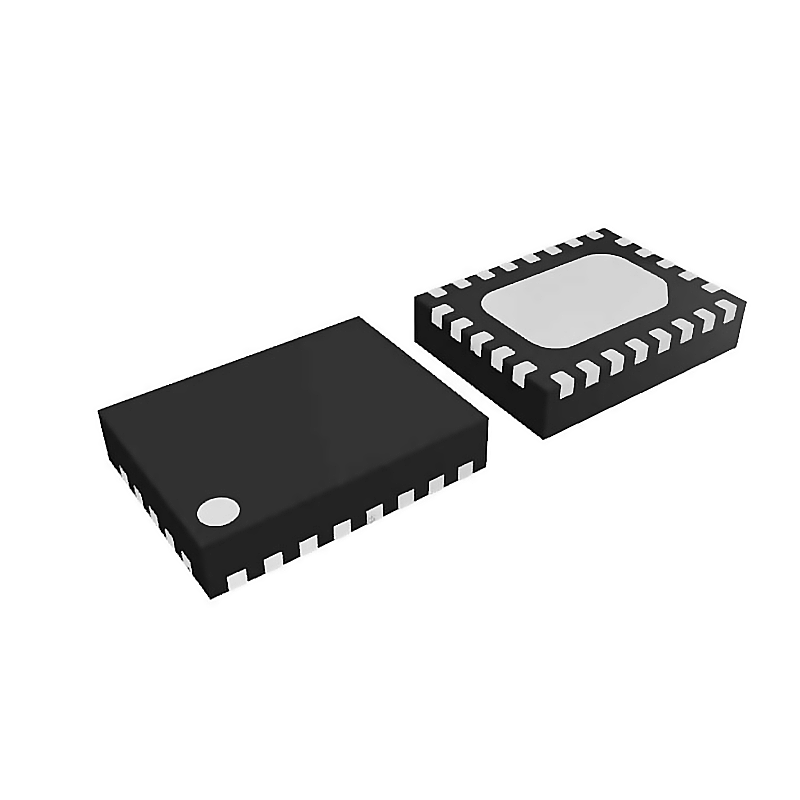
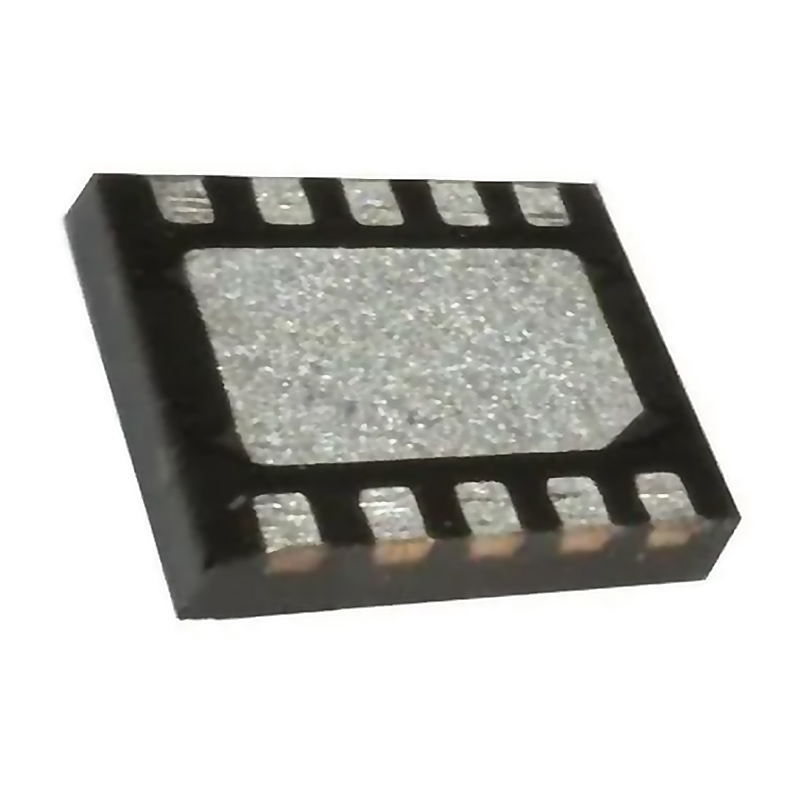
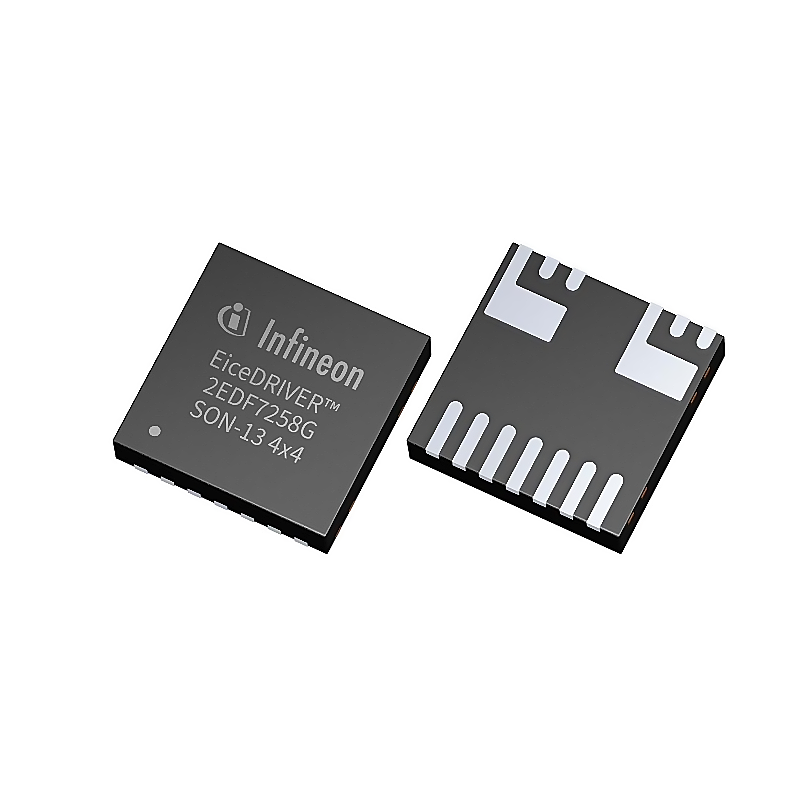
A pmic module, or Power Management Integrated Circuit module, serves as a sophisticated electronic component designed to regulate and distribute power efficiently across various electronic devices and systems. This essential module integrates multiple power management functions into a single compact unit, including voltage regulation, power sequencing, battery charging, and thermal management. The pmic module acts as the central hub for controlling power delivery to different subsystems within smartphones, tablets, IoT devices, wearables, and industrial equipment. Modern pmic module designs incorporate advanced switching regulators, low-dropout linear regulators, and intelligent power distribution circuits that optimize energy consumption while maintaining stable voltage levels. These modules feature programmable output voltages, enabling designers to customize power delivery based on specific application requirements. The technological architecture of a pmic module typically includes digital control interfaces such as I2C or SPI, allowing seamless communication with microcontrollers and processors for dynamic power adjustment. With built-in protection mechanisms against overcurrent, overvoltage, and thermal overload, the pmic module ensures safe operation under various conditions. Applications span consumer electronics, automotive systems, medical devices, and telecommunications infrastructure, where reliable power management directly impacts device performance, battery life, and overall system reliability. The increasing complexity of modern electronic systems demands sophisticated power solutions, making the pmic module an indispensable component in contemporary device design.
Investing in a quality pmic module delivers substantial benefits that directly impact your product's performance and market competitiveness. First, these modules drastically reduce design complexity by consolidating multiple discrete power components into one integrated solution, saving valuable board space and reducing component count by up to 60 percent. This consolidation translates into faster time-to-market and lower manufacturing costs, as you eliminate the need to source, test, and assemble numerous individual power components. The operational efficiency of a pmic module significantly extends battery life in portable devices through intelligent power management algorithms that minimize energy waste during active and standby modes. Users experience longer usage times between charges, which enhances customer satisfaction and product reviews. The built-in safety features protect your entire system from damage caused by power anomalies, reducing warranty claims and field failures that can damage brand reputation. For engineering teams, the pmic module simplifies the design process with readily available reference designs, evaluation boards, and comprehensive documentation that accelerate development cycles. The programmable nature of modern pmic module solutions provides flexibility to adapt power delivery profiles for different operating modes, user scenarios, or even post-production firmware updates. This adaptability means your product can evolve without hardware redesigns. Manufacturing benefits include improved production yields due to fewer solder joints and reduced assembly complexity. The thermal management capabilities integrated within each pmic module prevent overheating issues that commonly plague devices with inadequate power regulation. For businesses targeting competitive markets, incorporating an advanced pmic module differentiates your products through superior battery performance, reliability, and compact form factors that consumers value.

Practical Tips

Why do manufacturers use contactor&relay systems in automated machinery?

12

Jun

Why do manufacturers use contactor&relay systems in automated machinery?

View More
Why are ic solutions essential for modern power and control systems?

12

Jun

Why are ic solutions essential for modern power and control systems?

View More
Can a power management ic reduce heat generation in industrial systems?

12

Jun

Can a power management ic reduce heat generation in industrial systems?

View More
Advanced Multi-Rail Power Distribution

Advanced Multi-Rail Power Distribution

The pmic module excels in managing multiple power rails simultaneously, delivering precisely regulated voltages to various system components with exceptional accuracy. This capability is particularly crucial in complex devices where processors, memory, sensors, displays, and wireless modules each require different voltage levels and current capacities. Advanced pmic module designs incorporate multiple buck converters, boost converters, and LDO regulators working in coordination to provide clean, stable power across all rails. The intelligent sequencing functionality ensures that power rails activate and deactivate in the correct order, preventing potential damage from voltage conflicts during startup and shutdown sequences. This sophisticated coordination eliminates the need for external sequencing circuits, further reducing system complexity. The pmic module continuously monitors current draw across all rails, dynamically adjusting power delivery to match real-time demands while maintaining optimal efficiency. This adaptive approach prevents energy waste during light-load conditions and ensures adequate power during peak demand periods. For designers, this multi-rail architecture simplifies power tree design and reduces the risk of power-related failures that can occur when managing multiple discrete regulators independently.
Intelligent Battery Management Integration

Intelligent Battery Management Integration

A standout feature of the modern pmic module is its comprehensive battery management capabilities that extend battery lifespan while ensuring safe charging operations. These modules incorporate sophisticated charging algorithms that adapt to different battery chemistries including lithium-ion, lithium-polymer, and emerging battery technologies. The pmic module monitors battery voltage, current, and temperature in real-time, adjusting charging parameters to optimize charge speed while preventing damage from overcharging or excessive heat generation. The integrated fuel gauge functionality provides accurate battery state-of-charge information, enabling devices to display reliable battery indicators to users. Advanced pmic module designs implement multi-stage charging profiles that transition smoothly between constant-current and constant-voltage phases, maximizing charging efficiency and battery health. Protection circuits within the pmic module guard against reverse polarity, short circuits, and thermal events that could compromise battery safety. For portable and battery-powered applications, these integrated battery management features eliminate the need for separate charging ICs and monitoring circuits, reducing bill-of-materials costs while improving reliability. The pmic module also supports various power path management schemes, allowing devices to operate directly from external power while simultaneously charging the battery, or seamlessly switching between power sources without interruption.
Compact Form Factor with High Efficiency

Compact Form Factor with High Efficiency

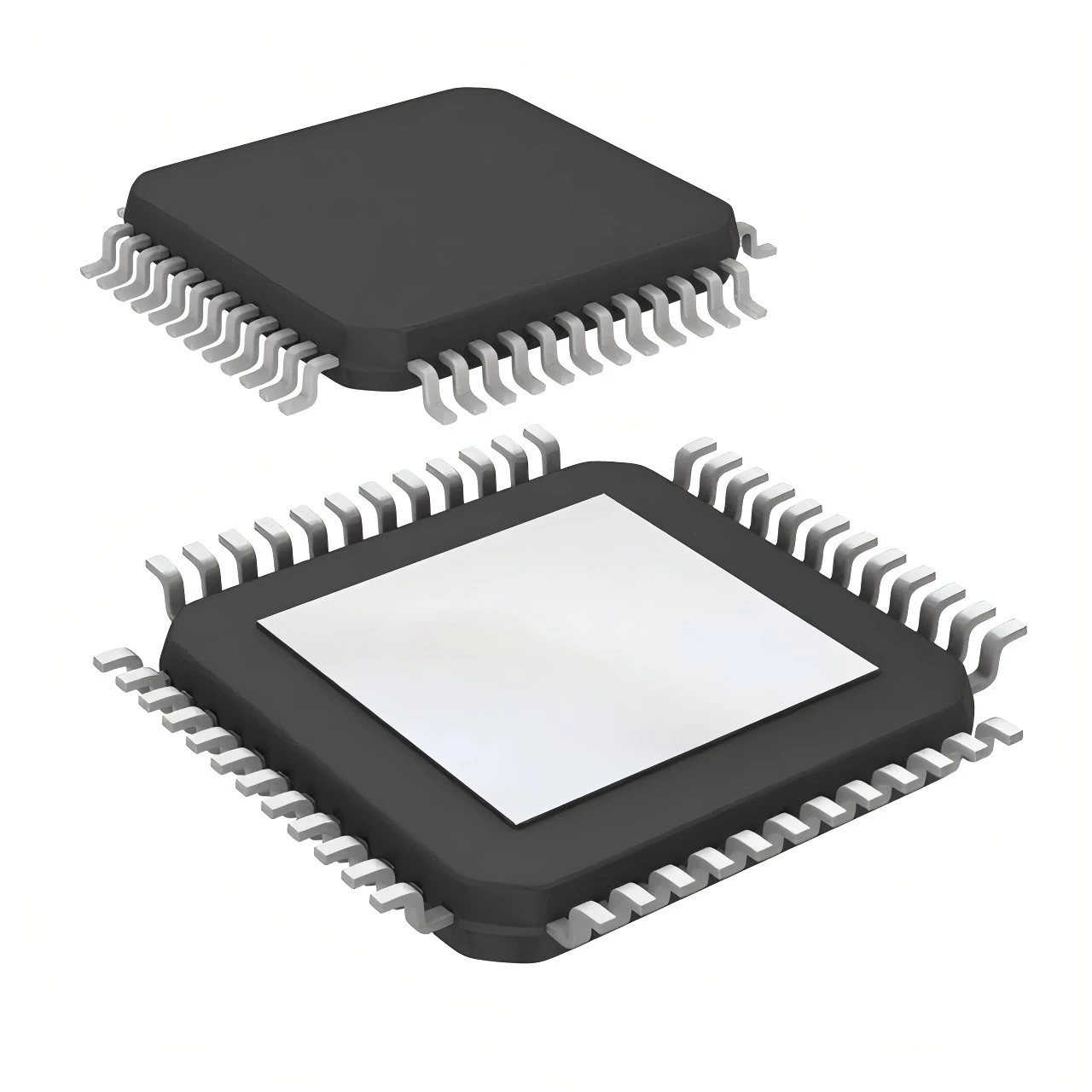
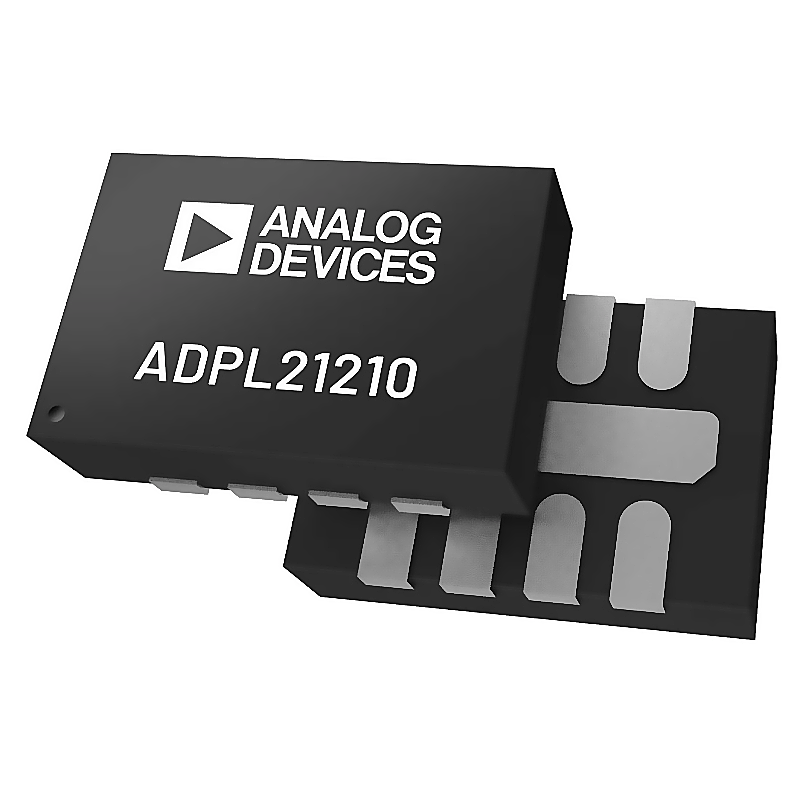
The physical design of a pmic module prioritizes space efficiency without compromising performance, making it ideal for space-constrained applications where every square millimeter matters. Modern packaging technologies such as WLCSP, QFN, and advanced flip-chip designs enable the pmic module to occupy minimal board area while dissipating heat effectively. Despite their compact size, these modules achieve power conversion efficiencies exceeding 95 percent in optimal operating conditions, minimizing energy loss as heat and extending battery runtime significantly. The high integration level means that a single pmic module replaces what previously required a dozen or more discrete components, dramatically simplifying PCB layout and reducing routing complexity. This consolidation not only saves space but also improves electromagnetic compatibility by reducing the number of potential noise sources and interference pathways. The pmic module thermal design incorporates exposed pads, thermal vias, and intelligent power staging that distributes heat generation across the silicon die rather than concentrating it in hotspots. For manufacturers, the compact form factor enables sleeker product designs with thinner profiles and lighter weights that appeal to consumers. The combination of small size and high efficiency makes the pmic module particularly suitable for wearables, hearables, and other ultra-compact devices where traditional power management approaches simply cannot fit.