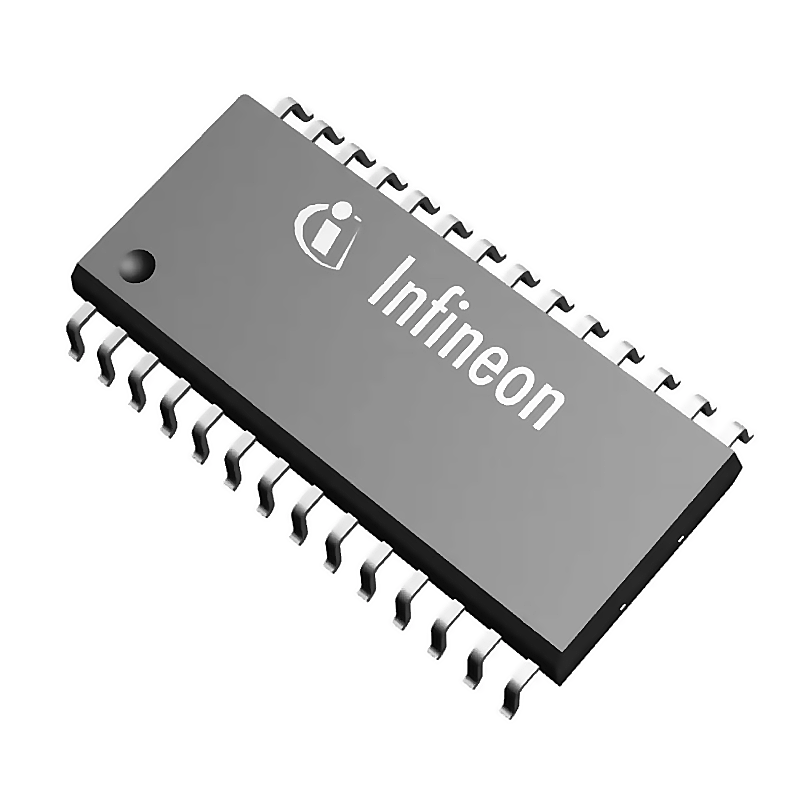
Power Management Chips - Efficient Power Solutions

Your Trusted Partner in Electronics Supply Chain. Inquire Now!

Explore Our Latest Smart Electronics Collection.

, , 
Inquiry
Inquiry

power management chips

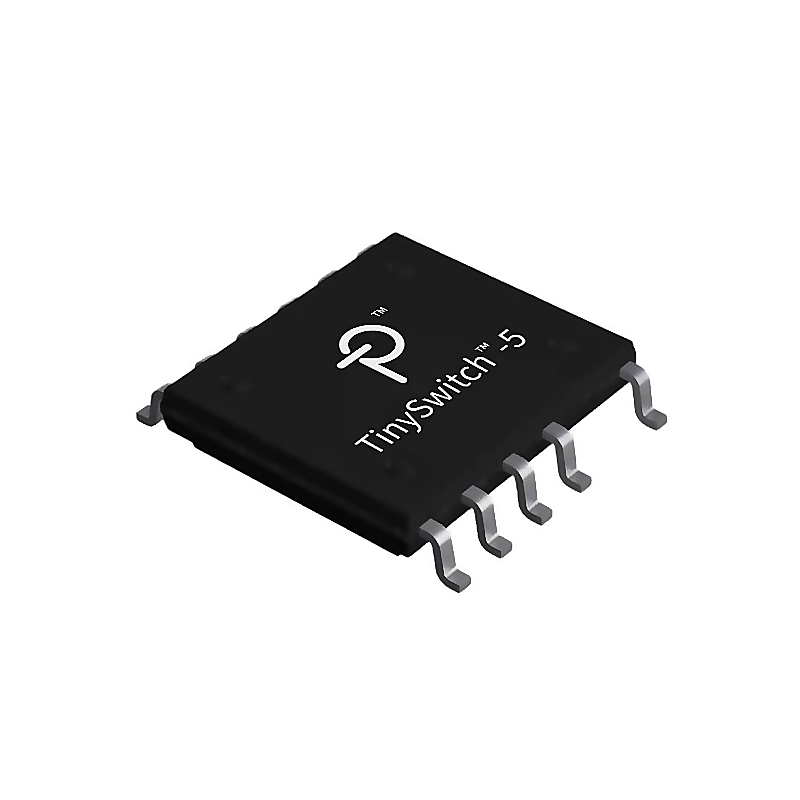
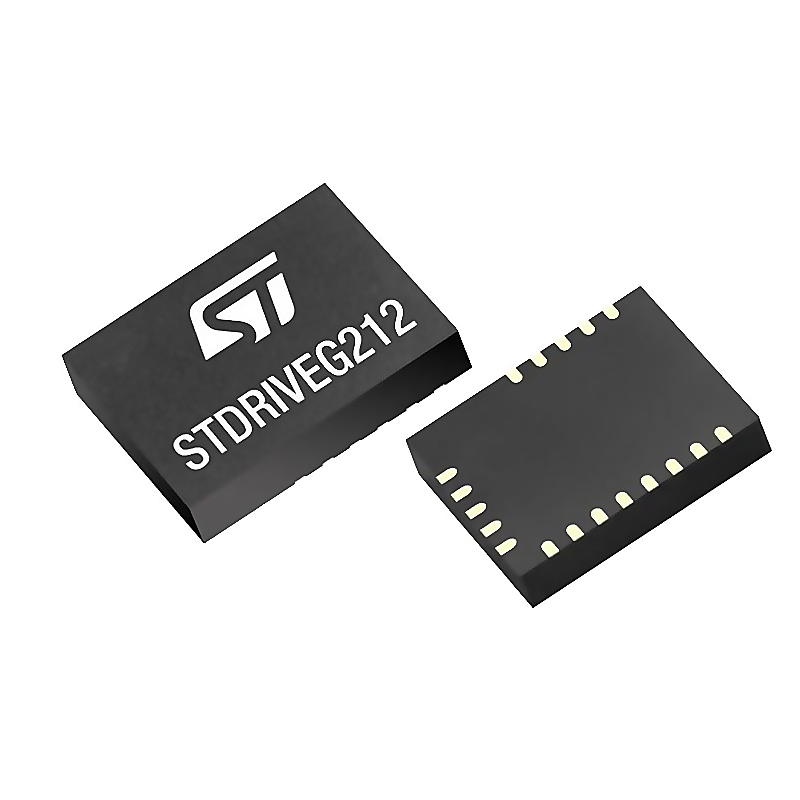
Power management chips are essential semiconductor devices designed to regulate, distribute, and optimize electrical power within electronic systems. These integrated circuits control voltage levels, manage battery charging, and ensure efficient energy conversion across diverse applications. Power management chips perform critical functions including voltage regulation, power sequencing, battery management, thermal monitoring, and load switching. They incorporate advanced technologies such as pulse-width modulation, low-dropout regulation, and switching regulators to maximize efficiency while minimizing heat generation. Modern power management chips feature intelligent monitoring capabilities that protect circuits from overvoltage, undervoltage, and overcurrent conditions. These chips integrate multiple power functions into compact packages, reducing board space and component count. They support various input voltages and deliver precise output voltages required by microprocessors, sensors, displays, and communication modules. Power management chips find extensive applications in smartphones, tablets, laptops, wearable devices, automotive systems, industrial equipment, and Internet of Things devices. Their sophisticated architecture enables dynamic power scaling, allowing devices to adjust power consumption based on operational demands. With energy efficiency becoming increasingly critical, power management chips play a vital role in extending battery life, reducing energy costs, and meeting environmental standards. These versatile components support multiple power rails simultaneously, providing customized power solutions for complex electronic systems while maintaining reliability and performance standards.
Power management chips deliver substantial cost savings by consolidating multiple discrete components into single integrated solutions, reducing manufacturing expenses and assembly time. These chips significantly enhance device battery life through intelligent power optimization algorithms that minimize wasted energy during operation and standby modes. Users experience longer usage times between charges, improving overall product satisfaction and reducing environmental impact. The compact form factor of power management chips enables manufacturers to create slimmer, lighter devices without compromising functionality or performance. These components provide exceptional reliability through built-in protection mechanisms that safeguard expensive electronics from power-related failures and extend product lifespan. Power management chips offer remarkable flexibility, supporting various battery chemistries and voltage requirements, making them suitable for diverse product portfolios without extensive redesign. They enable faster product development cycles by providing proven, tested power solutions that integrate seamlessly into new designs. The high efficiency ratings of modern power management chips translate directly into reduced heat generation, eliminating the need for expensive cooling solutions and improving system stability. These chips support advanced features like programmable power sequencing and dynamic voltage scaling, allowing manufacturers to differentiate their products with superior power performance. For industrial and automotive applications, power management chips provide robust operation across wide temperature ranges and harsh environmental conditions. Their intelligent monitoring capabilities provide real-time diagnostic information, facilitating predictive maintenance and reducing downtime in critical applications. The scalability of power management chips allows businesses to use similar solutions across product lines, simplifying inventory management and technical support while maintaining consistent performance standards.

Tips And Tricks

How does a mosfet transistor reduce energy loss in electronic equipment?

12

Jun

How does a mosfet transistor reduce energy loss in electronic equipment?

View More
How do ic solutions improve integration in automotive and industrial electronics?

12

Jun

How do ic solutions improve integration in automotive and industrial electronics?

View More
Advanced Multi-Rail Power Distribution

Advanced Multi-Rail Power Distribution

Power management chips excel in delivering simultaneous power to multiple system components through sophisticated multi-rail architecture. This capability eliminates the need for separate power supplies for each subsystem, dramatically simplifying circuit design and reducing bill-of-materials costs. The integrated approach ensures precise voltage regulation for each power rail while maintaining optimal efficiency across varying load conditions. Advanced power management chips incorporate dynamic voltage and frequency scaling, automatically adjusting power delivery based on real-time system demands. This intelligent power distribution prevents energy waste during low-activity periods while ensuring adequate power during peak performance requirements. The synchronization between multiple rails prevents startup sequencing issues that could damage sensitive components, providing reliable power-up and power-down sequences. These chips feature independent current limiting for each rail, protecting individual circuits without affecting other system functions. The multi-rail design supports diverse voltage requirements simultaneously, from low-voltage digital logic to higher-voltage analog circuits, making power management chips indispensable for modern complex electronic systems requiring optimized power delivery across multiple operational domains.
Intelligent Battery Management Systems

Intelligent Battery Management Systems

Power management chips incorporate comprehensive battery management capabilities that maximize battery performance, safety, and longevity across rechargeable applications. These integrated systems monitor critical battery parameters including voltage, current, temperature, and state-of-charge with high precision, ensuring optimal charging profiles for various battery chemistries. The intelligent algorithms within power management chips prevent overcharging and deep discharge conditions that degrade battery capacity over time, significantly extending operational lifespan and reducing replacement costs. Advanced thermal management features protect batteries from temperature-related damage during charging and discharging cycles, enhancing safety in portable and automotive applications. Power management chips support adaptive charging technologies that adjust charging rates based on battery condition, ambient temperature, and usage patterns, optimizing charge times while preserving battery health. The fuel gauge functionality provides accurate remaining capacity estimates, enabling users to make informed decisions about device usage and charging needs. These chips implement multiple safety layers including overvoltage protection, short-circuit detection, and cell balancing for multi-cell configurations, meeting stringent safety standards for consumer and industrial applications requiring dependable battery operation.
Ultra-Low Quiescent Current Operation

Ultra-Low Quiescent Current Operation

Modern power management chips achieve remarkably low quiescent current consumption, a critical feature for battery-powered devices requiring extended standby times. This ultra-efficient operation ensures minimal battery drain when devices are idle or in sleep modes, directly translating to months or years of standby operation for applications like remote sensors, wearables, and IoT devices. Power management chips employ sophisticated circuit techniques that reduce internal power consumption to microampere levels without compromising monitoring and protection functions. The low quiescent current characteristic enables always-on functionality for features like wake-on-demand and real-time clock maintenance while preserving battery charge for active operations. These chips incorporate intelligent mode switching that automatically transitions between high-efficiency active modes and ultra-low-power standby modes based on system activity, optimizing power consumption across all operational states. The minimal self-consumption of power management chips becomes especially valuable in energy-harvesting applications where available power is limited and every microwatt matters. This efficiency advantage allows manufacturers to specify smaller batteries without sacrificing operational duration, reducing device size, weight, and cost while maintaining user expectations for battery performance and convenience.