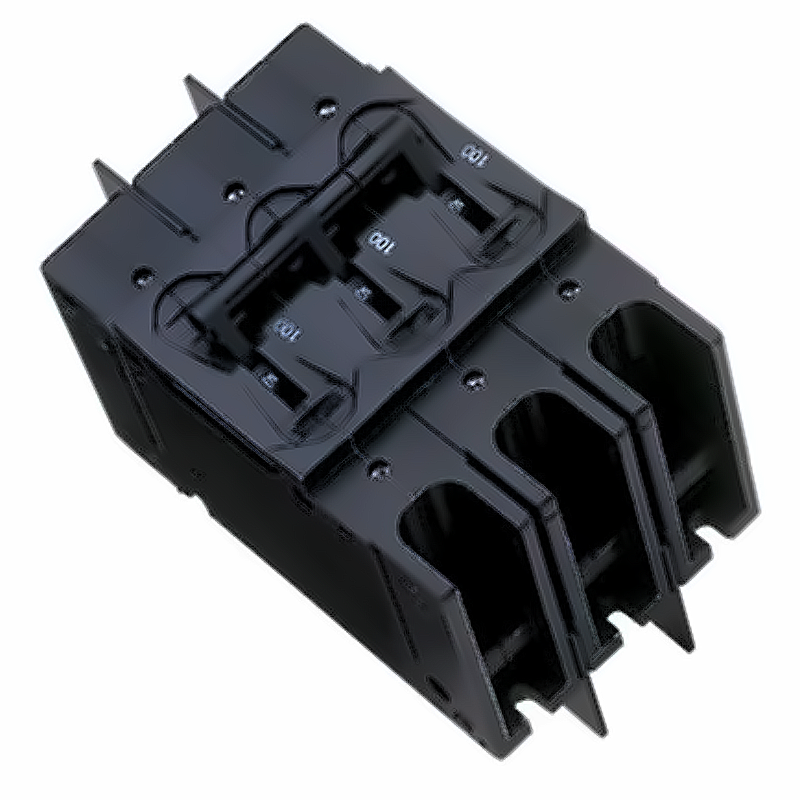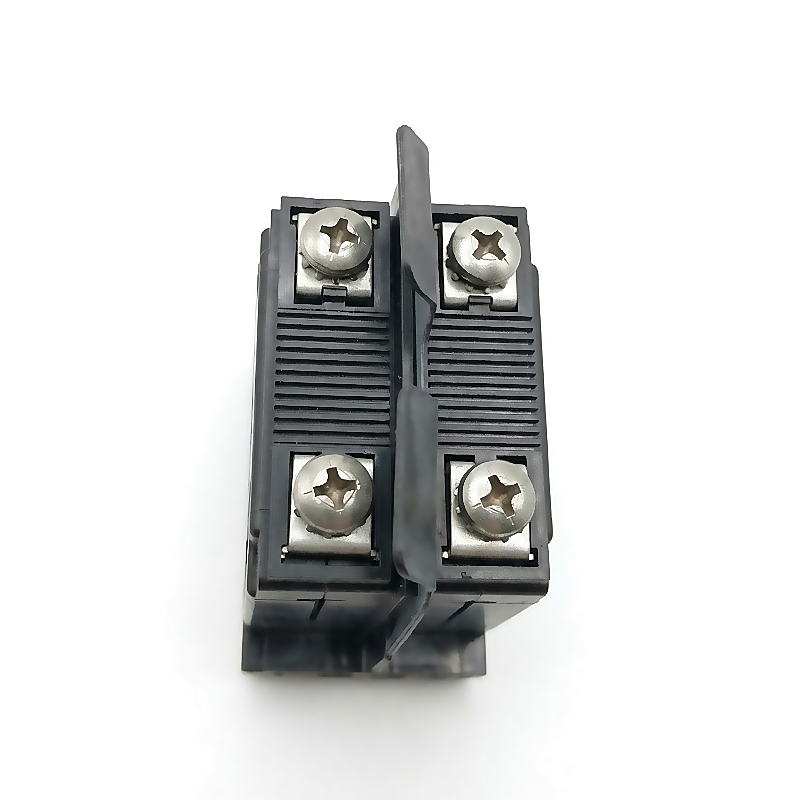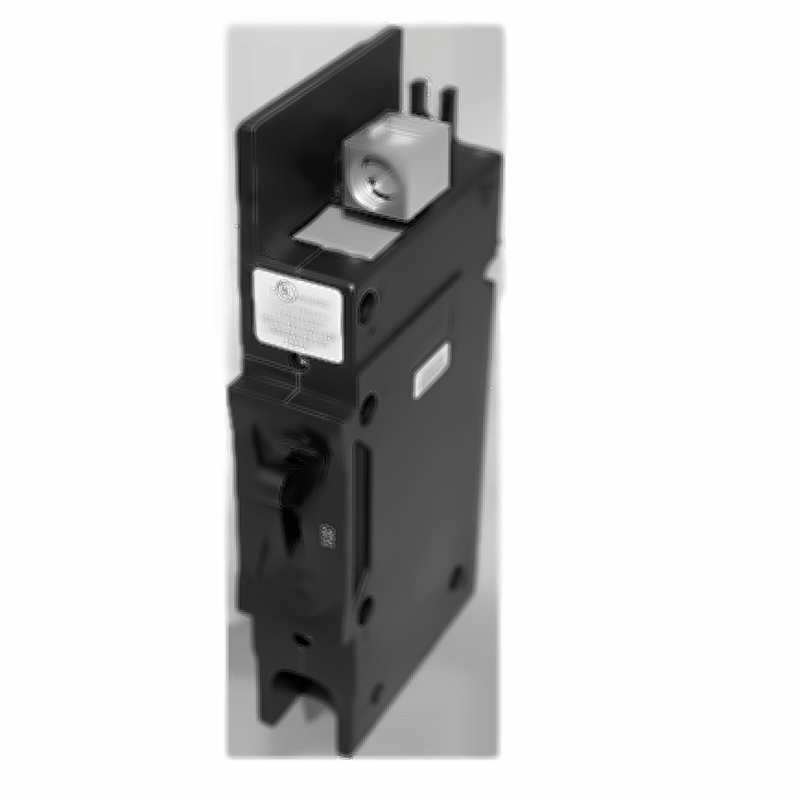
thermal overload circuit breaker
A thermal overload circuit breaker is an essential protective device designed to safeguard electrical circuits and equipment from damage caused by excessive current flow. This sophisticated component combines the functionality of a circuit breaker with thermal overload protection, offering comprehensive safety for motors, transformers, and other electrical systems. The thermal overload circuit breaker operates by monitoring current levels continuously and interrupting the circuit when it detects prolonged overcurrent conditions that could lead to overheating and potential equipment failure. The device utilizes bimetallic strips or electronic sensors that respond to temperature changes caused by excessive current, triggering the disconnection mechanism when preset thresholds are exceeded. Modern thermal overload circuit breakers incorporate advanced trip characteristics, adjustable sensitivity settings, and manual or automatic reset options to suit diverse application requirements. These devices are engineered to distinguish between harmless temporary current surges, such as motor starting currents, and dangerous sustained overloads that threaten equipment integrity. The thermal overload circuit breaker finds widespread application across industrial manufacturing facilities, commercial buildings, residential installations, and specialized environments requiring reliable motor protection. Industries utilizing pumps, compressors, conveyors, and HVAC systems depend on these protective devices to prevent costly downtime and equipment replacement. With ratings spanning from fractional horsepower to large industrial motors, the thermal overload circuit breaker delivers scalable protection tailored to specific load characteristics and operational demands, making it an indispensable component in modern electrical distribution systems.