Thermomagnetic Circuit Breaker Protection

Your Trusted Partner in Electronics Supply Chain. Inquire Now!

Explore Our Latest Smart Electronics Collection.

, , 
Inquiry
Inquiry

thermomagnetic circuit breaker

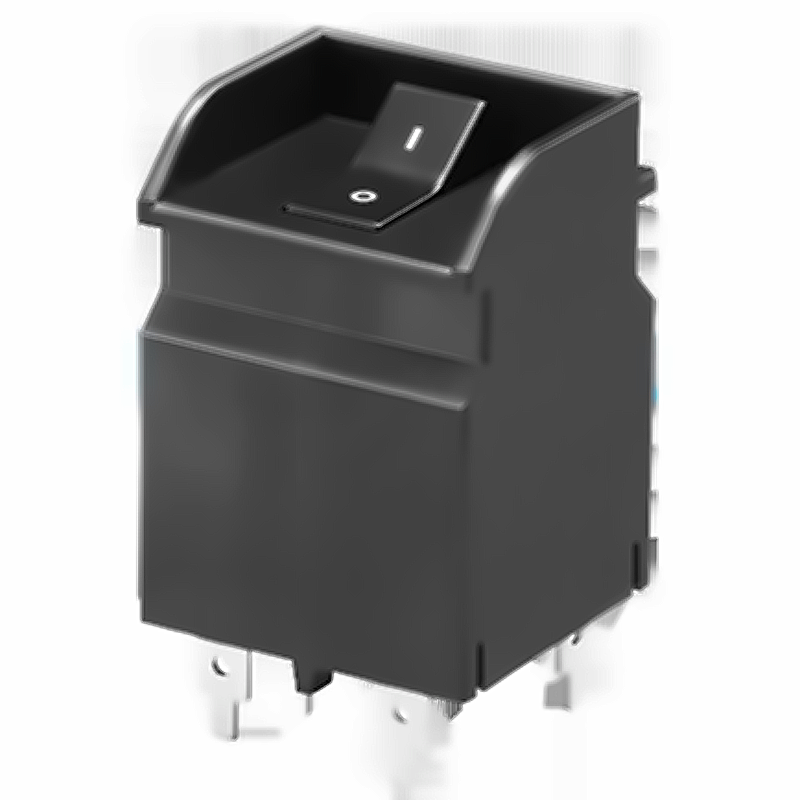
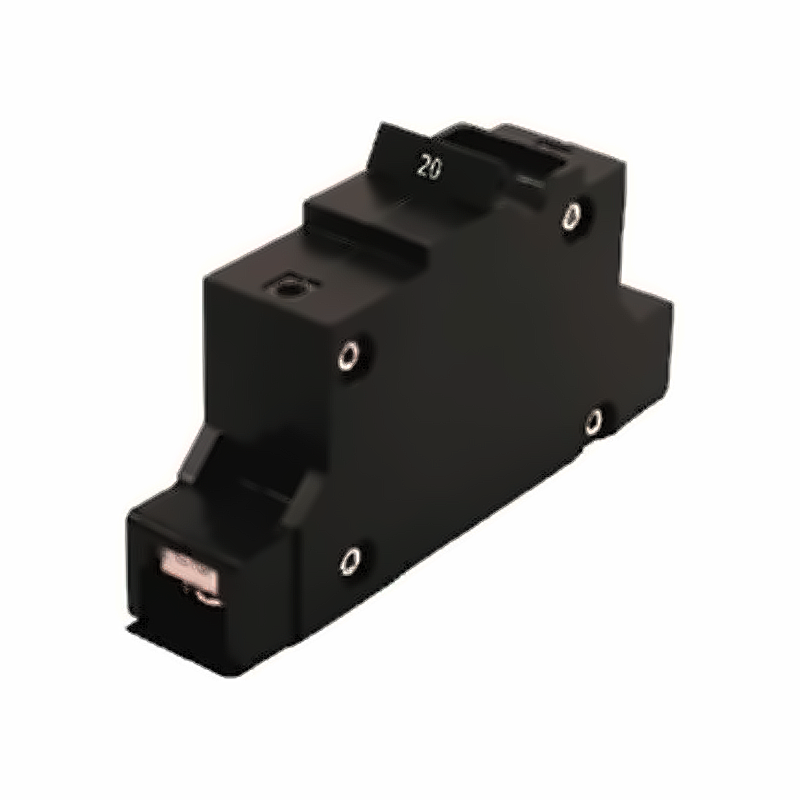
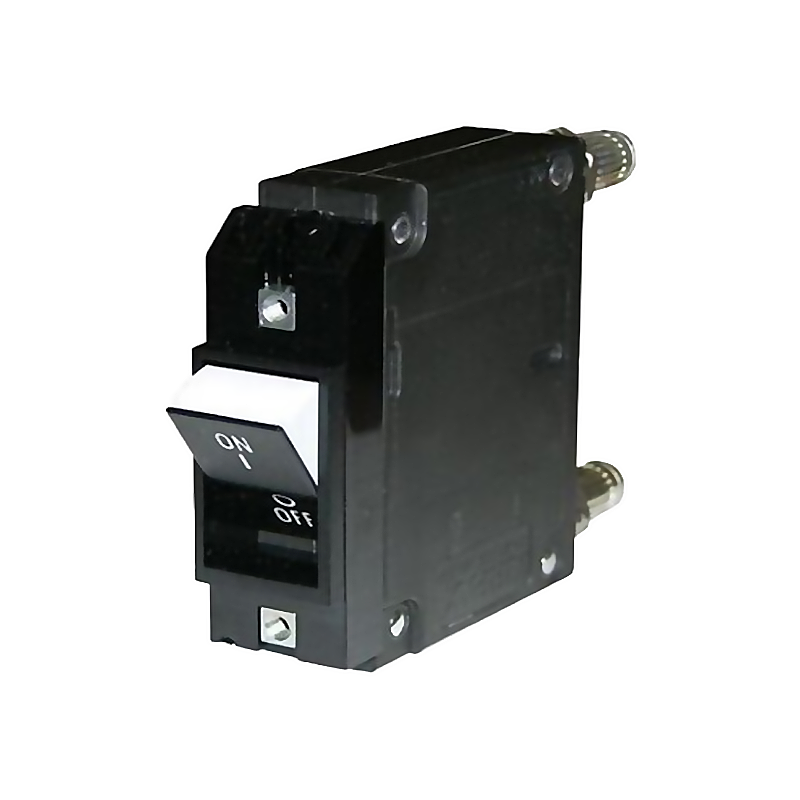
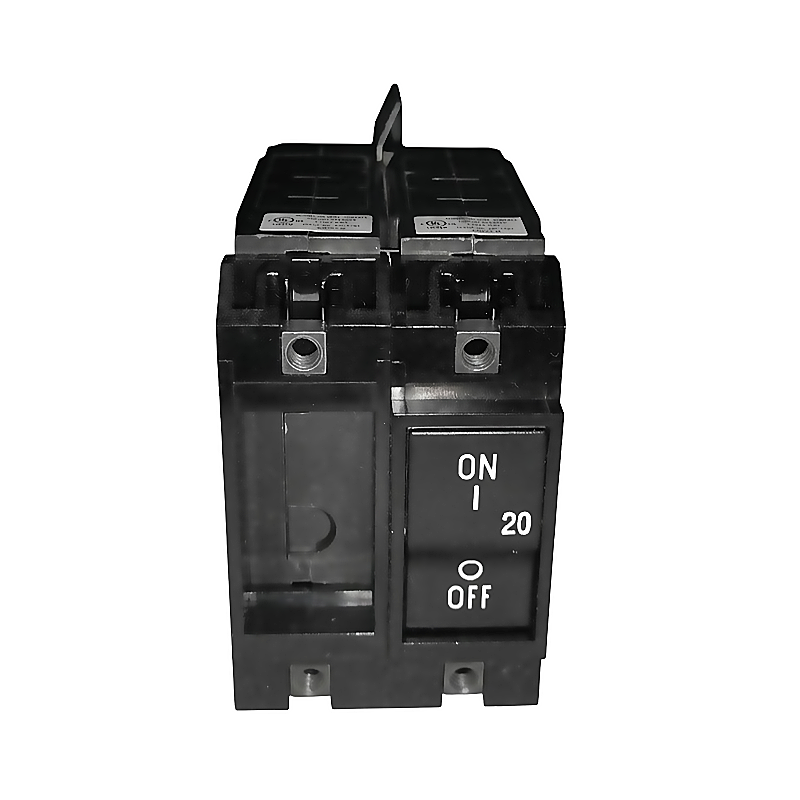
A thermomagnetic circuit breaker is an essential protective device designed to safeguard electrical circuits from damage caused by overcurrent conditions, including both overloads and short circuits. This advanced safety component combines two distinct protection mechanisms within a single unit: thermal protection for overload conditions and magnetic protection for short-circuit faults. The thermal element responds to prolonged overcurrent situations by using a bimetallic strip that bends when heated, eventually triggering the breaker to disconnect the circuit. Meanwhile, the magnetic element provides instantaneous protection against short circuits through an electromagnet that activates immediately when current exceeds dangerous levels. The thermomagnetic circuit breaker serves residential, commercial, and industrial applications, offering reliable protection for electrical systems ranging from household appliances to complex industrial machinery. Its dual-protection technology ensures comprehensive safety coverage, preventing equipment damage, fire hazards, and potential electrical accidents. Modern thermomagnetic circuit breakers feature compact designs, easy installation procedures, and manual reset capabilities that allow quick system restoration after fault clearance. These devices comply with international safety standards and offer various current ratings to match specific application requirements. The thermomagnetic circuit breaker represents a cost-effective solution that eliminates the need for separate overload and short-circuit protection devices, simplifying electrical system design while maintaining high safety standards. With proven reliability and straightforward operation, this protection device has become the standard choice for electrical circuit protection across multiple industries and applications worldwide.
Choosing a thermomagnetic circuit breaker delivers multiple practical benefits that directly impact your electrical system's safety, reliability, and operational efficiency. The dual-protection design means you invest in one device instead of purchasing separate overload and short-circuit protection equipment, reducing both initial costs and installation complexity. This integrated approach saves valuable panel space, allowing more compact electrical distribution designs that lower overall system costs. The thermal protection responds proportionally to overload severity, giving motors and equipment time to handle brief surges without nuisance tripping, while the magnetic element acts instantly during dangerous short circuits, preventing catastrophic damage. You gain peace of mind knowing your electrical assets receive comprehensive protection against the full spectrum of overcurrent threats. The manual reset feature provides operational advantages by requiring physical inspection before system restoration, ensuring problems are identified and resolved rather than repeatedly cycling power to faulty circuits. This thermomagnetic circuit breaker operates without requiring external power sources or complex electronics, delivering dependable performance even in harsh environments with temperature fluctuations, vibration, or humidity. Maintenance requirements remain minimal since the mechanical design contains few components that wear or degrade over time. When selecting protection for residential homes, commercial buildings, or industrial facilities, the thermomagnetic circuit breaker offers proven technology that electricians understand and trust. The wide range of available current ratings ensures precise matching to your specific load requirements, preventing both inadequate protection and excessive tripping. Long service life and consistent performance characteristics mean your protection investment delivers value for decades, while compliance with recognized safety standards ensures regulatory acceptance and insurance requirements are met without complications or additional certification costs.

Tips And Tricks

Why Shielded Connectors are Critical for Industrial Robotics: Overcoming EMI in High-Speed Automation

11

May

Why Shielded Connectors are Critical for Industrial Robotics: Overcoming EMI in High-Speed Automation

Struggling with robotic jitter, ghost failures, or positional drift? Shielded connectors eliminate EMI in high-speed automation—boost uptime & precision. Get the engineering guide.
View More
Strategic Hardware Design for High-Density Mobile Electronics: A Comprehensive Layout and Component Selection Guide

11

May

Strategic Hardware Design for High-Density Mobile Electronics: A Comprehensive Layout and Component Selection Guide

Struggling with signal integrity & power stability in ultra-compact laptops? This expert guide covers IC layout, passive component selection, ESD protection & embedded solutions. Optimize your next-gen design now.
View More
Why do engineers choose mosfet transistor devices for power management designs?

12

Jun

Why do engineers choose mosfet transistor devices for power management designs?

View More
Why are ic solutions essential for modern power and control systems?

12

Jun

Why are ic solutions essential for modern power and control systems?

View More
Dual-Layer Protection Technology

Dual-Layer Protection Technology

The thermomagnetic circuit breaker distinguishes itself through sophisticated dual-layer protection that addresses both gradual overloads and sudden short circuits with precision. The thermal protection mechanism employs a carefully calibrated bimetallic strip that heats proportionally to current flow, bending progressively until it releases the trip mechanism during sustained overload conditions. This temperature-sensitive response provides an inverse time characteristic, meaning higher overloads trip faster while moderate overloads allow brief duration before disconnection. This intelligent behavior accommodates normal equipment startup surges and temporary load increases without unnecessary interruptions. Simultaneously, the magnetic protection component uses an electromagnet with a movable armature that responds instantaneously when current reaches short-circuit levels, typically acting within milliseconds to prevent arc damage and equipment destruction. This combination ensures your electrical system receives appropriate protection across the entire range of fault conditions, from minor overloads to catastrophic short circuits. The coordinated action of both elements creates a comprehensive safety envelope that adapts to real-world electrical conditions, delivering reliable protection without the complexity of electronic controls or the ongoing costs associated with smart breaker systems.
Simple Installation and Operation

Simple Installation and Operation

Unlike complex protection systems requiring specialized training or sophisticated programming, the thermomagnetic circuit breaker offers straightforward installation and intuitive operation that reduces labor costs and minimizes commissioning time. Standard mounting configurations fit seamlessly into conventional electrical panels and distribution boards, allowing electricians to complete installations quickly using familiar tools and techniques. The device requires only proper current rating selection and secure connection to begin providing protection immediately without calibration, setup procedures, or adjustment requirements. Clear ON and OFF position indicators show circuit status at a glance, while the manual reset lever allows authorized personnel to restore power after fault clearance simply by moving the handle to the ON position. This mechanical simplicity eliminates dependencies on battery backup, auxiliary power supplies, or communication networks that could fail during emergencies. The thermomagnetic circuit breaker continues protecting your circuits through power outages, voltage fluctuations, and environmental extremes that might disable electronic alternatives. Maintenance personnel appreciate the predictable performance and absence of firmware updates, configuration files, or digital interfaces that require specialized knowledge. When expansion or modification becomes necessary, additional thermomagnetic circuit breakers integrate effortlessly into existing systems without compatibility concerns or system reprogramming.
Proven Reliability and Durability

Proven Reliability and Durability

The thermomagnetic circuit breaker has earned its reputation through decades of dependable service across demanding applications worldwide, demonstrating exceptional reliability that justifies confidence in critical protection roles. The robust mechanical construction withstands repetitive operations, electrical stress, and environmental challenges without performance degradation, delivering consistent protection characteristics throughout extended service life. High-quality contact materials resist erosion from arcing during fault interruption, maintaining low resistance connections that prevent heat buildup and ensure reliable current carrying capacity. The sealed or enclosed construction protects internal components from dust, moisture, and contaminants that could compromise operation in industrial or outdoor installations. Rigorous testing during manufacturing verifies trip characteristics, interrupting capacity, and endurance under conditions exceeding normal service requirements, ensuring each thermomagnetic circuit breaker meets strict quality standards before shipment. The proven technology eliminates concerns about premature failures, false tripping, or protection gaps associated with untested innovations. Extensive installation history provides confidence that the thermomagnetic circuit breaker will perform as expected when called upon to protect valuable equipment and prevent safety hazards. This track record translates to lower total ownership costs through reduced replacement frequency, minimal maintenance requirements, and reliable protection that prevents costly equipment damage and production interruptions.