 EN

can-contactorrelay-solutions-enhance-reliability-in-electrical-equipment, can-contactorrelay-solutions-enhance-reliability-in-electrical-equipment, /news
EN
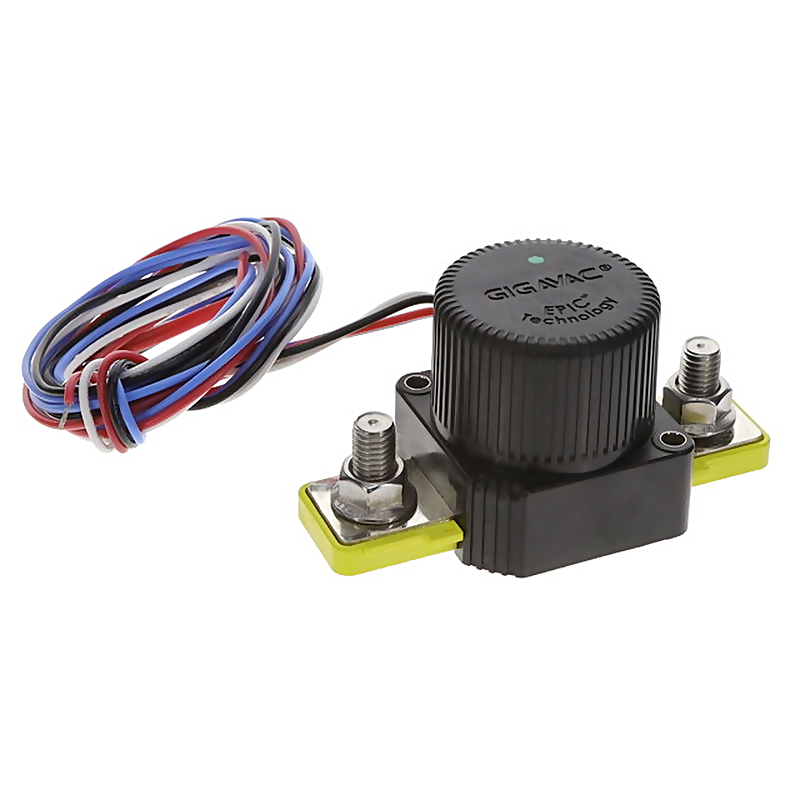
In industrial electrical systems, the question isn't whether contactor and relay solutions enhance reliability—they fundamentally determine it. When a motor stalls, a transformer overheats, or a phase drops, the first line of defense is the switching and protection device that isolates the fault before it cascades. Poorly specified or counterfeit contactor and relay components are the root cause of a surprising number of unplanned downtime events.
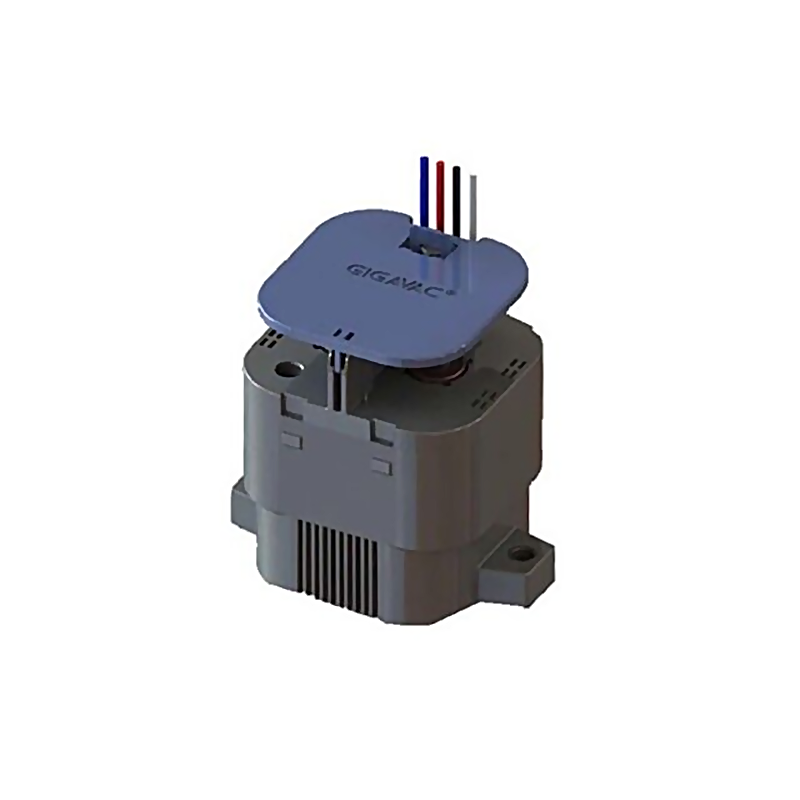
Below, we break down how contactor and relay design directly impacts equipment reliability, what specifications matter most, and where procurement teams commonly cut corners that come back to cost them.
A contactor and relay system acts as the electrical nervous system—sensing abnormal conditions and interrupting power before damage spreads. When overcurrent, phase loss, or short-circuit occurs, the contactor opens the circuit and the relay triggers the protective sequence. This rapid intervention prevents thermal damage to motor windings, insulation breakdown, and cascading failures through downstream drives and control electronics.
Industrial equipment without properly coordinated contactor and relay protection faces exponentially higher failure rates. A single phase-loss event that a relay catches in milliseconds can destroy a VFD or burn out a motor winding if left unchecked for even a few seconds.
Every time a load switches on or off, electrical transients create arcing and stress on contacts. Well-engineered contactor and relay designs manage these transients through contact material selection, arc suppression, and snubber circuits. Poor-quality contactor and relay units erode contacts quickly, develop increased contact resistance, and eventually weld shut or fail to open—both failure modes are catastrophic for equipment safety.
This is why contactor and relay lifespan is such a critical metric: a device rated for 100,000 operations will outlast a cheaper unit rated for 10,000 cycles by a factor of ten, even if both carry the same nominal current rating.
The most common reliability failure is oversizing or undersizing the contactor and relay for the actual load. Undersized units overheat contacts, accelerate wear, and fail during normal inrush current. Oversized units waste budget, take up panel space, and sometimes fail to pick up reliably at low control voltages.
When specifying contactor and relay components, always account for: peak inrush current (motors can draw 6–8x rated current on startup), sustained running current, and the coil control voltage. A contactor rated for 25A continuous may handle a 5HP motor fine—but pairing it with a relay whose trip threshold is set too high means it won't protect against the very faults the contactor is switching.
Industrial environments expose contactor and relay components to temperature extremes, moisture, dust, vibration, and chemical atmospheres. Open-frame contactor and relay units that work fine in a clean control panel will fail prematurely on a factory floor, in an outdoor cabinet, or near coastal salt air.
For demanding applications—automotive manufacturing, energy storage systems, outdoor substations—specify contactor and relay units with sealed or hermetic construction, UV-resistant housings, and operating temperature ranges that match the site conditions. This is one specification that directly separates devices that last 10 years from those that fail in 18 months.
A contactor and relay system is only as fast as its slowest element. In DC systems or applications with sensitive electronics, millisecond-level response time matters. But equally important is coordination: upstream and downstream contactor and relay devices must be sequenced so the closest protection trips first, preventing nuisance trips or—worse—failure to trip at all.
This coordination is where many industrial panels fall short. A contactor and relay setup that trips too slowly allows equipment damage; one that trips too early causes downtime during normal load fluctuations. Proper time-current curve coordination is what makes the whole system reliable rather than just the sum of its parts.
When contactor and relay components perform predictably, maintenance becomes scheduled rather than reactive. Operators trust the protection layer, engineers can plan production around known equipment lifecycles, and spare parts inventory stabilizes. Facilities that invest in quality contactor and relay components consistently report fewer emergency callouts and lower mean time to repair (MTTR).
A properly functioning contactor and relay doesn't just protect itself—it protects everything downstream: motors, VFDs, PLCs, instrumentation, and communication systems. The cost of a quality contactor and relay is trivial compared to the cost of replacing a 50HP motor or a custom control panel. This is why engineering teams that understand system-level cost always invest in the protection layer.
Industrial facilities operate under electrical codes and insurance requirements that mandate specific protection standards. Contactors and relays that meet IEC or UL standards for their voltage class and fault coordination demonstrate compliance. Insurance carriers often adjust premiums based on the presence and quality of protection systems—undersized or gray-market contactor and relay units can void coverage entirely.
Even the best contactor and relay design fails fast if the parts inside are counterfeit or substandard. In the industrial automation and automotive sectors, gray-market contactor and relay units are a real risk—they look identical on the outside but use inferior contact materials, undersized coils, and fake certification markings. These devices fail silently, often right when you need them most.
When sourcing contactor and relay components for critical applications, work with distributors that provide full traceability, incoming micro-inspection, and clear classification (factory-sealed vs. industrial surplus). Verified supply chain partners eliminate the gamble of open-market brokers and ensure every contactor and relay unit meets the original manufacturer's specifications.
Both contactor and relay devices switch electrical circuits, but they're sized differently. Relays handle lower-current control circuits (typically up to 15A), while contactors switch high-power loads—motors, heaters, capacitor banks—at 20A and above. In most systems, a relay senses the fault and triggers the contactor to open the main power circuit.
Warning signs include: unusual buzzing or chattering from the contactor, visible contact pitting or discoloration, overheating of the coil or contacts, and nuisance trips. If you notice any of these, schedule an inspection—don't wait for the contactor to weld shut or fail open. Both failure modes are dangerous and can cause equipment damage or fire.
Yes, but coordination is critical. Different manufacturers' contactor and relay devices have different trip curves and response times. Mixing brands without verifying time-current coordination can cause the wrong device to trip first—or no device to trip at all. Always verify coordination across the entire protection chain, regardless of brand.
The electronic components market is constantly evolving. From global supply chain updates to the latest semiconductor technology trends, our blog provides the professional perspective you need to stay informed and competitive.
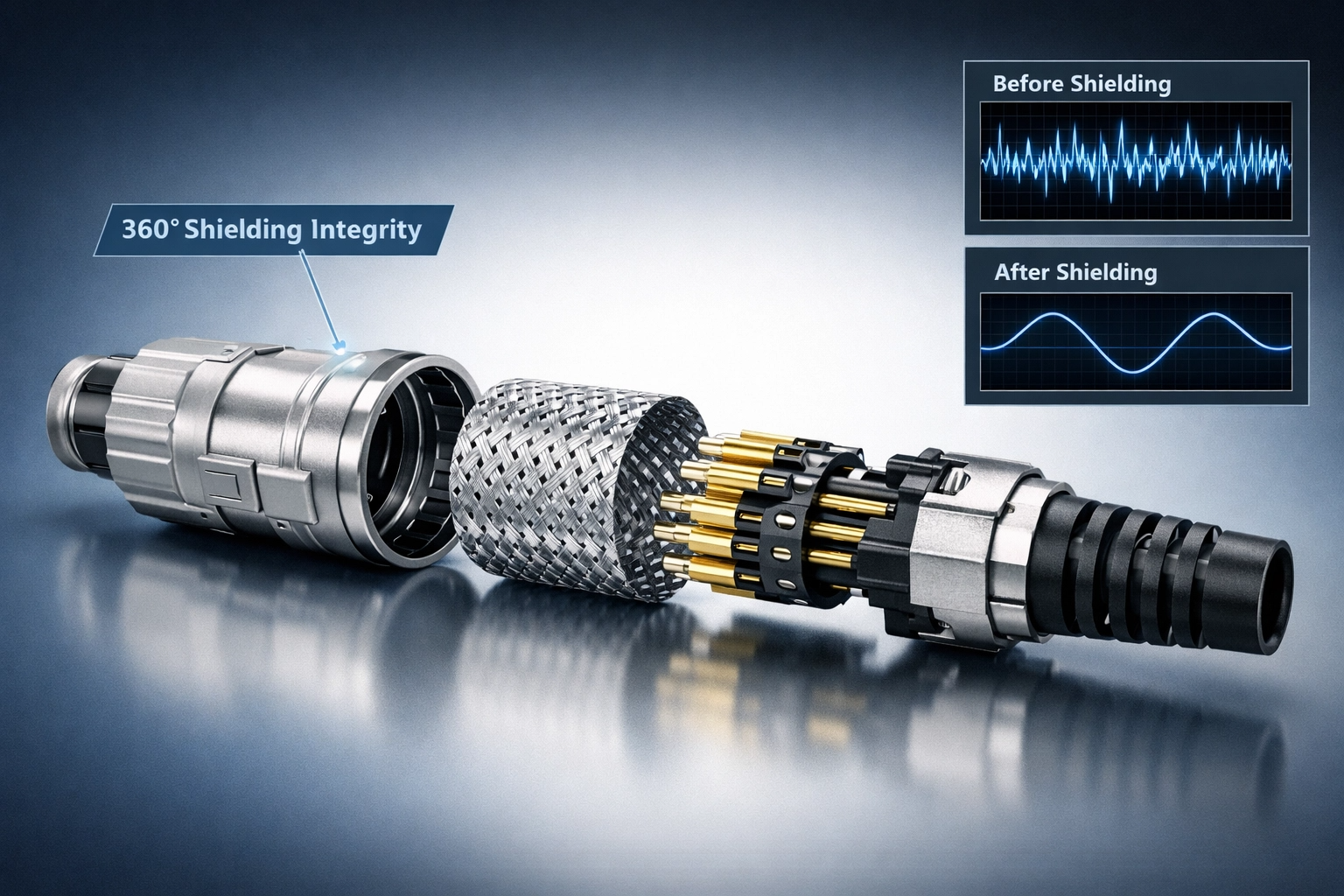
Overcoming EMI in High-Speed Automation
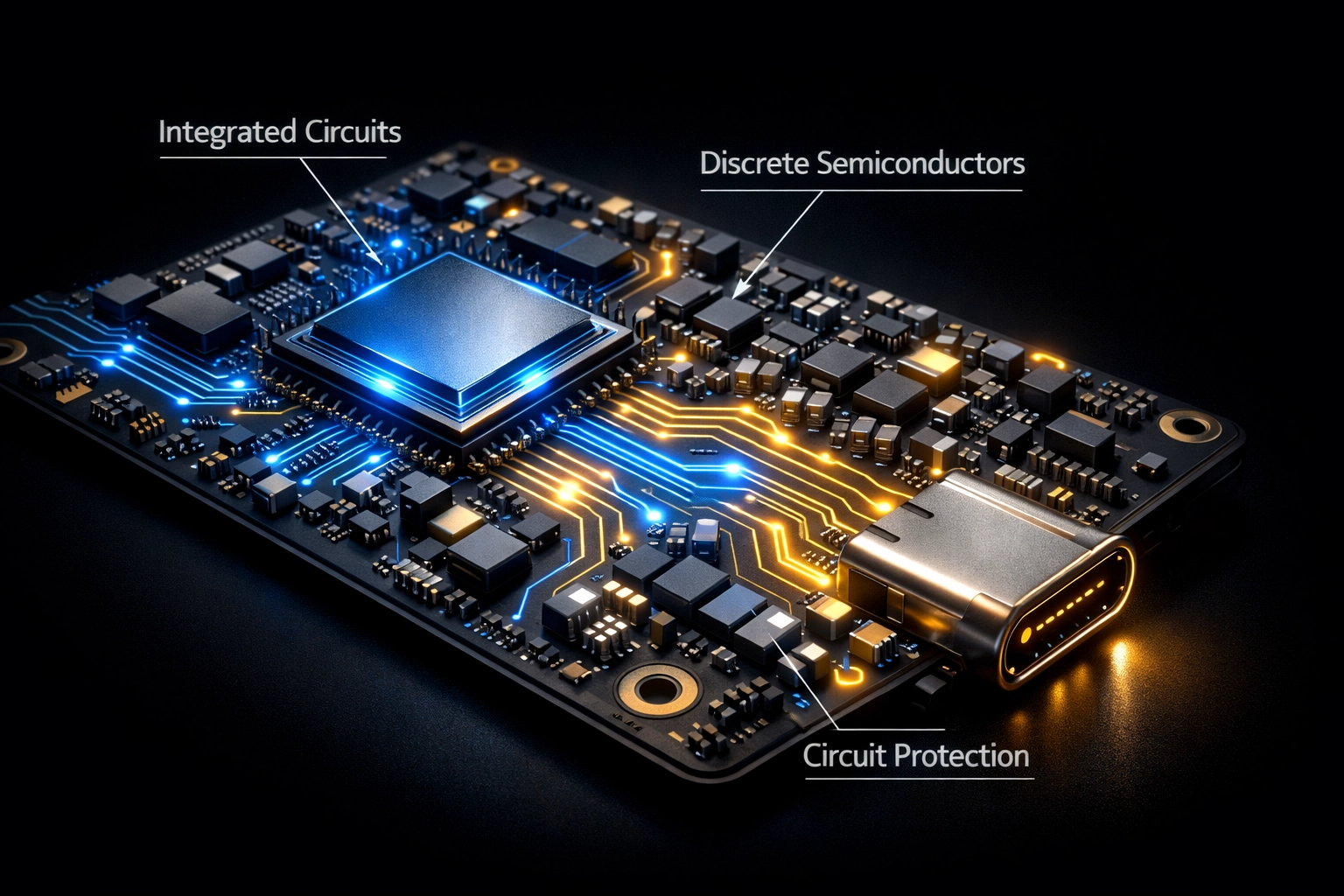
A Comprehensive Layout and Component Selection Guide
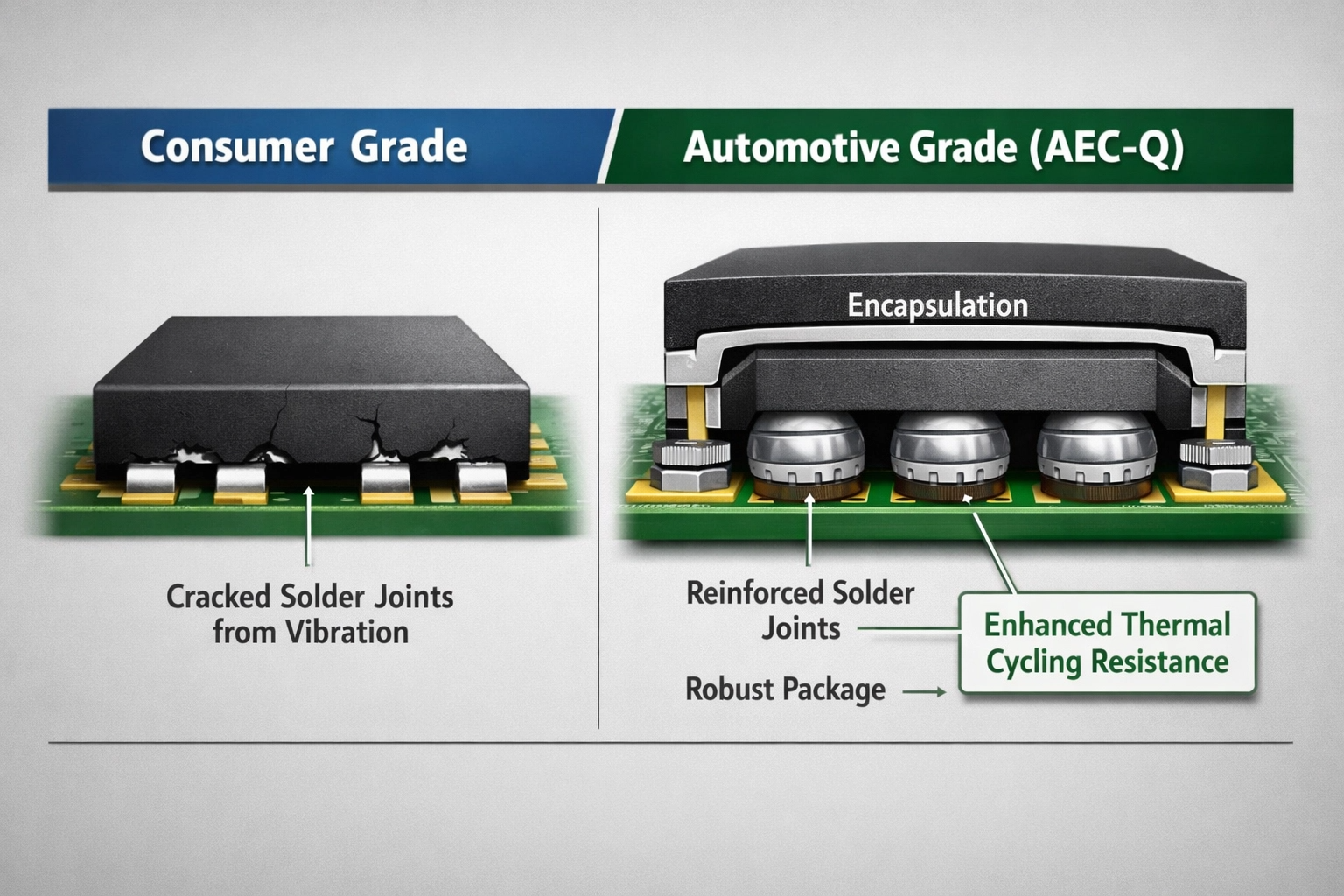
A Deep Dive into AEC-Q Standards and IATF 16949 Compliance







"Finding reliable high-voltage contactors for our EV platform was a major bottleneck until we partnered with this team. Their stock of 800V components is impressive and, more importantly, fully traceable. The packaging was professional, ensuring no static damage during transit. Truly a lifesaver for our production line."
"We were desperately searching for specific power management chips that were on a long backorder elsewhere. They managed to ship original factory parts within 48 hours, which kept our automation project on schedule. Communication was transparent and the technical data sheets provided were accurate. Highly recommend for urgent sourcing needs."
"The quality of the magnetic hydraulic circuit breakers we received exceeded our expectations for the price point. It’s clear they have a rigorous quality inspection process in place before shipping. We've integrated their parts into our latest battery storage units with zero failure rates so far. A very dependable partner for long-term supply."
"In this industry, trust is everything, especially when dealing with high-voltage fuses and relays. This company consistently provides genuine products that meet our strict safety certifications for the EU market. Their team is knowledgeable and helped us navigate the technical nuances of the components. Their export logistics to Spain are seamless."
"Managing End-of-Life (EOL) components is a constant struggle, but their database for legacy ICs is a goldmine. I was able to secure a batch of LCD driver ICs that our previous suppliers claimed were impossible to find. Every chip was tested and worked perfectly in our HMI repair prototypes. They are now my go-to for hard-to-find semiconductors."
"I appreciate how they handle smaller, specialized orders with the same urgency as bulk shipments. We needed specific pressure sensors for a fleet of diesel engines, and they arrived in the UK perfectly labeled and documented. Their attention to detail on the commercial invoice made customs clearance a breeze. Great service and even better product quality."
