 EN

can-data-storage-solutions-improve-efficiency-in-cloud-and-server-operations, can-data-storage-solutions-improve-efficiency-in-cloud-and-server-operations, /news
EN
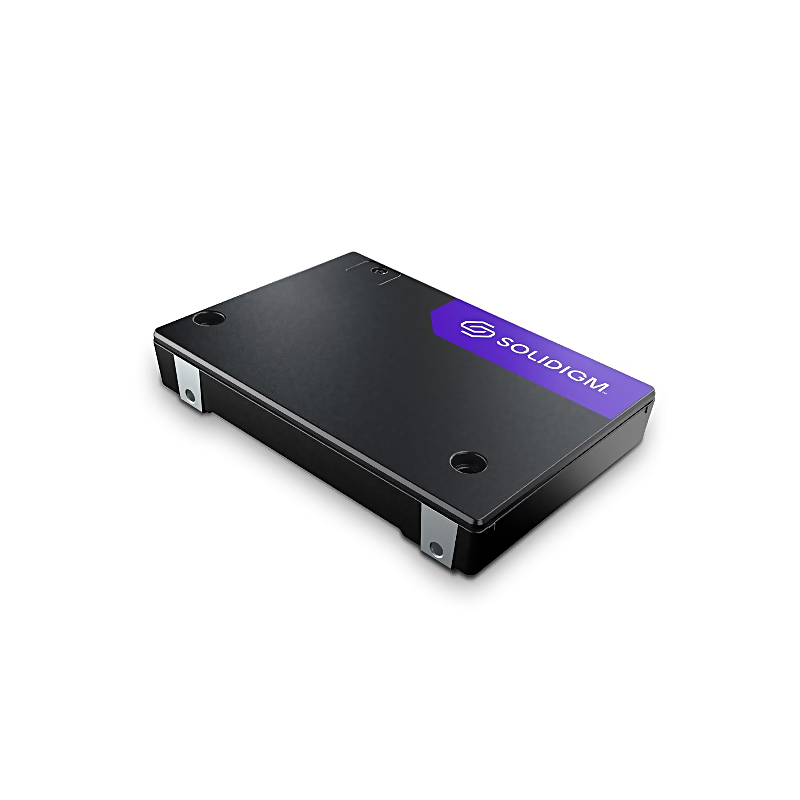
Modern organizations depend heavily on reliable data storage infrastructure to maintain competitive advantage in today's digital landscape. Whether managing enterprise applications, handling transactional databases, or supporting real-time analytics, the efficiency of data storage directly impacts operational performance, cost management, and business continuity. Cloud and server environments demand robust data storage solutions that can scale dynamically, respond to workload variations, and maintain consistent availability without compromising security or performance. The question of whether data storage solutions can genuinely improve efficiency in these environments is not merely theoretical—it reflects a practical business imperative that organizations face when architecting their infrastructure strategies.
The answer is unequivocally yes. Strategic data storage solutions directly enhance efficiency across multiple operational dimensions, including throughput optimization, latency reduction, resource utilization, and total cost of ownership. When implemented correctly, modern data storage architectures eliminate bottlenecks, streamline data access patterns, and enable servers and cloud platforms to execute their primary functions without infrastructure constraints. This article explores how data storage solutions accomplish these improvements and why choosing the right approach matters for your organization's operational success.
Server and cloud operations often encounter performance degradation when data storage cannot keep pace with application demands. High-frequency read-write operations, concurrent user requests, and large-scale data transfers create intensive I/O workloads that inferior data storage architectures cannot handle efficiently. When storage performance lags, entire applications slow down, users experience latency, and system resources become wasted waiting for data retrieval operations. Effective data storage solutions address these bottlenecks through optimized controller designs, intelligent caching mechanisms, and parallel data pathways that enable simultaneous multi-user access without performance degradation. The technical specifications of storage controllers—such as port configurations, tri-mode compatibility, and high-speed interface capabilities—directly determine whether data storage can satisfy demanding cloud and server workloads.
Advanced data storage solutions leverage tiered architectures and intelligent data placement to dramatically improve access velocity. By positioning frequently accessed data in high-speed storage tiers and relegating archival data to cost-effective capacity tiers, organizations optimize data storage performance without inflating infrastructure budgets. Modern data storage controllers support multiple communication protocols simultaneously, enabling seamless integration across heterogeneous server environments and cloud platforms. This flexibility ensures that data storage infrastructure can evolve alongside business requirements without forcing costly architectural overhauls. Organizations that implement intelligent data storage solutions typically achieve 40–60 percent reductions in average data retrieval latencies, directly translating to faster application response times and improved user experience.
Cloud and server environments require data storage solutions that scale elastically in response to fluctuating demand without triggering service interruptions. Organizations cannot afford downtime to upgrade storage capacity, migrate data, or reconfigure infrastructure during peak operational windows. Enterprise-grade data storage solutions accommodate this requirement through modular design, non-disruptive capacity expansion, and intelligent load balancing that distributes workloads across available storage resources. The ability to add storage capacity incrementally—without disrupting running services—enables organizations to right-size their infrastructure investments and avoid over-provisioning. This flexibility transforms data storage from a static capital expense into a truly scalable operational asset that grows with business demand while maintaining service continuity and performance integrity.
Modern cloud and server deployments rarely involve homogeneous environments with single storage standards. Data storage solutions that support multiple communication protocols—including SAS, SATA, and NVMe—enable organizations to mix storage technologies according to specific application requirements and budget constraints. This multi-protocol capability in data storage eliminates vendor lock-in, reduces switching costs, and allows IT teams to optimize each data storage deployment for its intended use case. Whether supporting legacy database systems requiring proven SAS technology or modern cloud-native applications demanding NVMe performance, comprehensive data storage solutions provide the flexibility necessary for heterogeneous enterprise environments. Organizations that standardize on data storage solutions supporting multiple protocols gain significant operational agility and reduce the complexity of managing disparate infrastructure components.
Data storage inefficiency directly translates to wasted energy consumption, inflated cooling requirements, and elevated operational expenses within data centers and cloud environments. Strategic data storage solutions minimize power consumption through efficient controller architectures, optimized data pathways, and intelligent power management that scales power usage with actual workload demands. When data storage infrastructure operates efficiently, fewer server resources remain idle waiting for I/O completion, reducing overall system power draw and associated cooling infrastructure costs. Organizations implementing advanced data storage solutions frequently achieve 20–35 percent reductions in total power consumption compared to legacy storage architectures, directly improving operational margins and supporting sustainability objectives. The financial impact of data storage efficiency extends beyond direct energy costs to encompass reduced cooling infrastructure requirements, lower maintenance burdens, and decreased capital deployment for replacement hardware.
Inefficient data storage creates cascading resource waste throughout cloud and server environments. When data storage performance lags behind application demands, processor cores remain underutilized waiting for data operations to complete, network interfaces operate below capacity, and expensive cloud computing resources generate minimal business value. Modern data storage solutions eliminate these inefficiencies by ensuring storage performance matches or exceeds the capabilities of connected servers and cloud platforms. This alignment enables organizations to extract maximum productivity from existing hardware investments and defer expensive infrastructure expansions. By improving data storage efficiency, IT teams accomplish more with existing resources, improve project delivery velocity, and enhance overall infrastructure utilization metrics that directly impact financial performance and competitive positioning.
Business continuity depends fundamentally on data storage reliability and consistent availability. When data storage infrastructure fails or performs unpredictably, critical applications become unavailable, business processes halt, and organizations incur significant financial losses and reputational damage. Enterprise-grade data storage solutions incorporate redundancy mechanisms, error detection capabilities, and fault-tolerant architectures designed to maintain continuous availability even during component failures. Modern data storage controllers feature advanced health monitoring, predictive failure detection, and automatic failover capabilities that identify and mitigate issues before they impact service availability. Organizations deploying robust data storage solutions achieve availability metrics exceeding 99.99 percent, ensuring that storage infrastructure never becomes the limiting factor in business continuity planning or service level agreement compliance.
Comprehensive data storage solutions integrate native support for replication, snapshots, and backup capabilities that protect organizational data against loss, corruption, and catastrophic failures. By embedding these capabilities directly into data storage architecture rather than relying on separate software layers, organizations reduce operational complexity and improve recovery reliability. When disaster strikes, data storage solutions enable rapid recovery from backups, minimize data loss windows, and facilitate failover to alternate locations with minimal manual intervention. This level of data storage protection becomes increasingly critical as organizations accumulate larger datasets and face stricter regulatory requirements regarding data preservation and recovery capability. Strategic investments in data storage solutions with integrated protection features provide peace of mind while reducing the financial and operational burdens of managing separate backup and disaster recovery platforms.
Cloud platforms benefit from data storage solutions through improved multi-tenant isolation, enhanced throughput for concurrent workloads, reduced latency affecting customer application performance, and better cost utilization through efficient resource allocation. Data storage solutions enable cloud providers to serve more customers with existing infrastructure while maintaining strict performance and availability commitments. Additionally, advanced data storage supports rapid provisioning of storage resources to new cloud tenants without impacting existing deployments, directly improving operational efficiency and customer acquisition velocity.
Inefficient data storage forces servers to remain in wait states while I/O operations complete, effectively wasting expensive computing resources and limiting overall system throughput. When data storage performance improves, servers spend more time executing productive workloads and less time waiting, dramatically improving CPU utilization metrics and overall system efficiency. Organizations implementing optimized data storage solutions typically observe 25–40 percent improvements in server utilization rates, directly translating to higher transaction processing capacity and better return on infrastructure investments.
Yes, strategic data storage solutions frequently resolve performance issues that appeared to stem from application or server problems but actually originated in storage infrastructure limitations. By upgrading data storage architecture, organizations often eliminate mysterious performance complaints, reduce application timeouts, and improve user experience without requiring application code modifications. However, careful performance analysis should guide data storage upgrades to ensure that storage truly represents the bottleneck rather than attempting to solve application-layer problems through infrastructure changes.
The electronic components market is constantly evolving. From global supply chain updates to the latest semiconductor technology trends, our blog provides the professional perspective you need to stay informed and competitive.
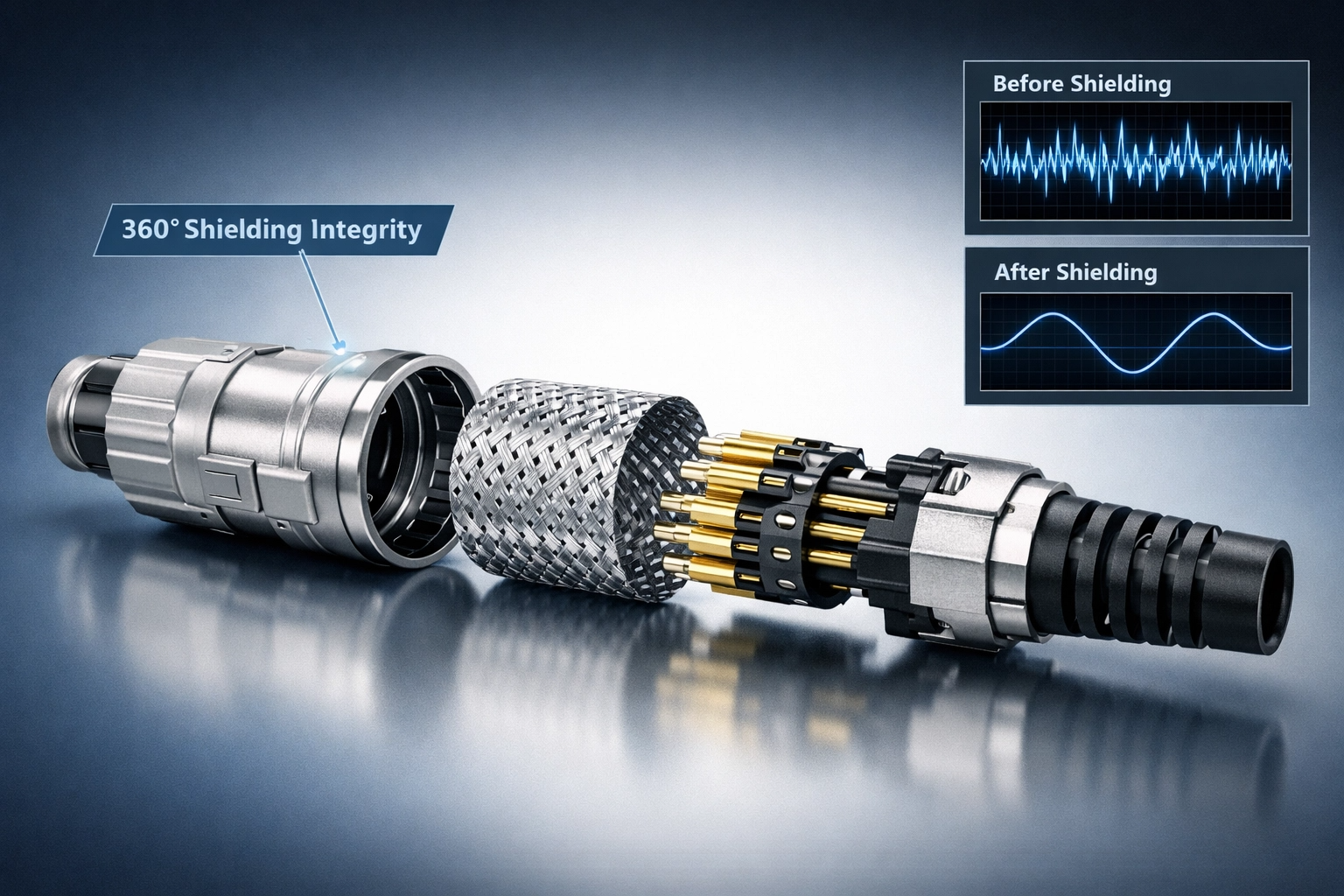
Overcoming EMI in High-Speed Automation

A Comprehensive Layout and Component Selection Guide
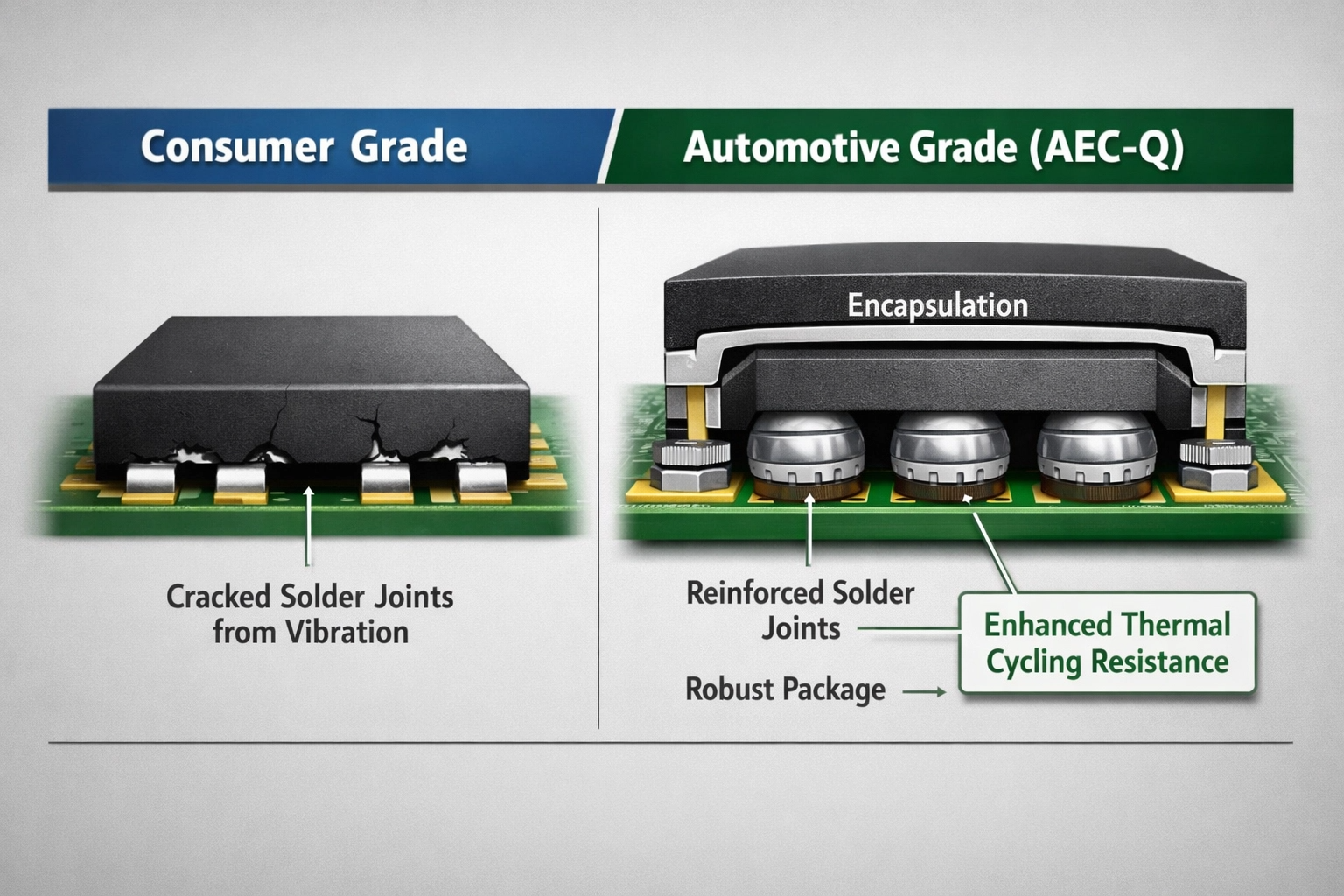
A Deep Dive into AEC-Q Standards and IATF 16949 Compliance






"Finding reliable high-voltage contactors for our EV platform was a major bottleneck until we partnered with this team. Their stock of 800V components is impressive and, more importantly, fully traceable. The packaging was professional, ensuring no static damage during transit. Truly a lifesaver for our production line."
"We were desperately searching for specific power management chips that were on a long backorder elsewhere. They managed to ship original factory parts within 48 hours, which kept our automation project on schedule. Communication was transparent and the technical data sheets provided were accurate. Highly recommend for urgent sourcing needs."
"The quality of the magnetic hydraulic circuit breakers we received exceeded our expectations for the price point. It’s clear they have a rigorous quality inspection process in place before shipping. We've integrated their parts into our latest battery storage units with zero failure rates so far. A very dependable partner for long-term supply."
"In this industry, trust is everything, especially when dealing with high-voltage fuses and relays. This company consistently provides genuine products that meet our strict safety certifications for the EU market. Their team is knowledgeable and helped us navigate the technical nuances of the components. Their export logistics to Spain are seamless."
"Managing End-of-Life (EOL) components is a constant struggle, but their database for legacy ICs is a goldmine. I was able to secure a batch of LCD driver ICs that our previous suppliers claimed were impossible to find. Every chip was tested and worked perfectly in our HMI repair prototypes. They are now my go-to for hard-to-find semiconductors."
"I appreciate how they handle smaller, specialized orders with the same urgency as bulk shipments. We needed specific pressure sensors for a fleet of diesel engines, and they arrived in the UK perfectly labeled and documented. Their attention to detail on the commercial invoice made customs clearance a breeze. Great service and even better product quality."
