 EN

how-do-accessories-improve-compatibility-in-industrial-electronic-systems, how-do-accessories-improve-compatibility-in-industrial-electronic-systems, /news
EN
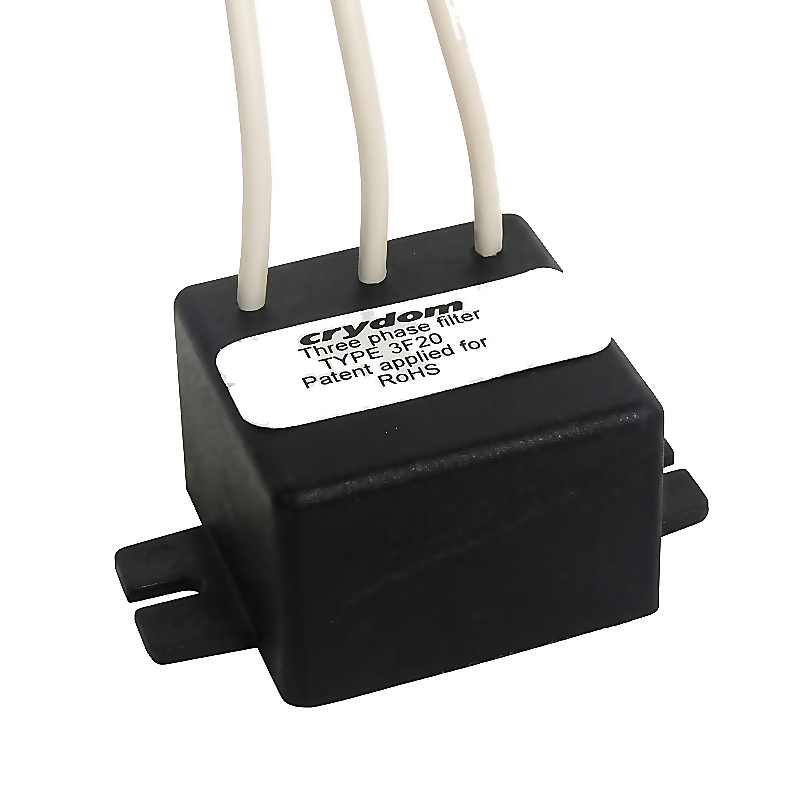
Industrial electronic systems rarely operate as isolated components. A controller, display, sensor, and power supply must connect mechanically and electrically, often across different enclosures and operating conditions. Accessories improve compatibility by bridging those interfaces, helping components fit together and function as a coordinated system without changing the core equipment.
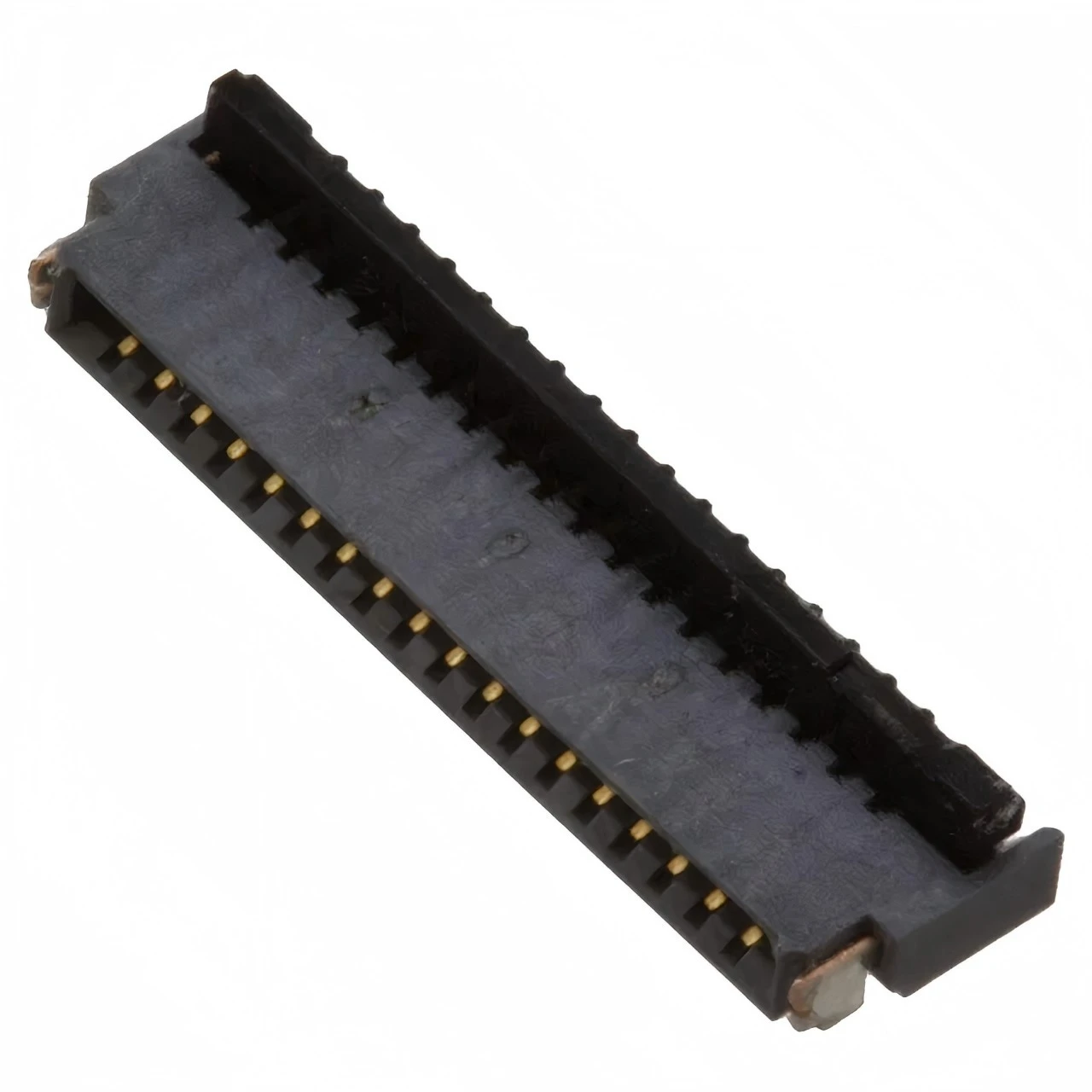
Compatibility is not simply a matter of matching product names or nominal specifications. Teams need to assess connector geometry, electrical ratings, mounting, environmental exposure, and service access. The right accessories address these practical interfaces, reduce avoidable integration changes, and make it easier to confirm that a selected component will work within the intended assembly.
Mechanical mismatch can stop an otherwise suitable component from being installed. Differences in pitch, orientation, footprint, cable exit direction, or available clearance may affect a display connection or a board-level assembly. Accessories such as adapters, mounting hardware, and interface connectors help reconcile these differences while preserving the layout constraints of the equipment.
Before selecting accessories, engineers should compare drawings and verify dimensions against the actual board, housing, and cable path. A right-angle connector, for example, can support a constrained layout where a straight connection would interfere with a nearby panel. These accessories do not make every combination suitable, but they provide practical options when interfaces are close yet not directly interchangeable.
A physical connection is useful only when its electrical characteristics also match. Voltage, current, pin assignment, contact arrangement, and signal requirements all influence compatibility. Accessories can provide the intended connection path between devices, but they cannot correct an unsuitable electrical design or make an incorrectly assigned pin safe to use.
Reviewing connector documentation alongside the system schematic helps teams confirm that accessories preserve the required signal mapping. For sensitive or high-speed signals, the full path matters, including cable length, shielding, grounding, and termination where applicable. A connector accessory should therefore be treated as part of the electrical interface, not as a purely mechanical convenience.
Industrial installations expose electronics to conditions that differ from a clean bench. Vibration, dust, moisture, temperature changes, and repeated service can affect how an interface performs. Accessories selected for the application can help provide suitable retention, protection, strain relief, or enclosure alignment, provided their ratings and installation instructions match the operating environment.
Compatibility checks should include the whole assembly rather than just the accessory datasheet. A cable may fit a connector yet bend too sharply inside the housing, while a mounting part may obstruct airflow or service access. Considering these constraints early lets engineers select accessories that support the intended installation and avoid late-stage changes to panels, boards, or wiring routes.
A well-chosen interface can limit redesign work when equipment combines components from different product generations or packaging formats. Instead of altering a board or enclosure immediately, teams can assess whether accessories provide a documented and maintainable connection. This approach can protect an established layout, although every proposed interface still needs technical review and validation.
For example, a display module may use a fine-pitch flexible flat cable connection that must meet the board's orientation and pin-count requirements. A suitable accessories option can help align that connection with the assembly, but engineers should verify pitch, pin count, contact direction, and mounting footprint before approval. The connection should also be checked in the final enclosure.
Start by defining the interface that needs support: what components connect, which constraints are fixed, and what conditions the assembly must tolerate. Compare the candidate accessories with drawings, datasheets, and the system schematic. Confirm dimensions, ratings, pin configuration, material or environmental limits, and any installation requirements relevant to the application.
Documentation should identify exact variants, since products that look similar may differ in orientation, contact layout, or fit. Teams should record the selected accessories in the bill of materials and link them to the approved component revision. That traceability helps purchasing, assembly, and maintenance staff use the intended part rather than a visually similar substitute.
Paper checks narrow the choices, but a physical fit check reveals issues that drawings may not show. Assemble the relevant components and inspect clearance, cable routing, connector engagement, retention, and access for service. Where appropriate, verify electrical continuity and functional behavior using the system's established test process. Accessories need evaluation in context because neighboring components can change how an interface behaves.
Validation should reflect the product's intended use, not an arbitrary test sequence. If the equipment will experience motion, vibration, frequent connection cycles, or exposure to contaminants, assess the relevant risks using applicable engineering procedures. Record any limitations, installation notes, and approved alternatives. This makes the role of accessories clear to design and production teams and reduces ambiguity during future revisions.
Sometimes, if the mismatch is limited to a supported mechanical or interface difference. Accessories cannot compensate for incompatible voltage, unsafe current, incorrect signal assignments, or unmet system requirements. Confirm specifications and validate the complete assembly before relying on an adapter or connector to bridge the gap.
Evaluate accessories during interface definition and component selection, before board and enclosure details are frozen. Early review gives engineers time to check fit, documentation, routing, and availability without forcing avoidable redesign. Recheck the choice whenever a connected component or assembly revision changes.
Check pitch, pin count, orientation, contact direction, footprint, electrical ratings, and cable compatibility. Also review the installation environment, clearance, retention, and service needs. No single detail establishes compatibility; accessories should match the documented requirements and pass checks in the final system.
The electronic components market is constantly evolving. From global supply chain updates to the latest semiconductor technology trends, our blog provides the professional perspective you need to stay informed and competitive.
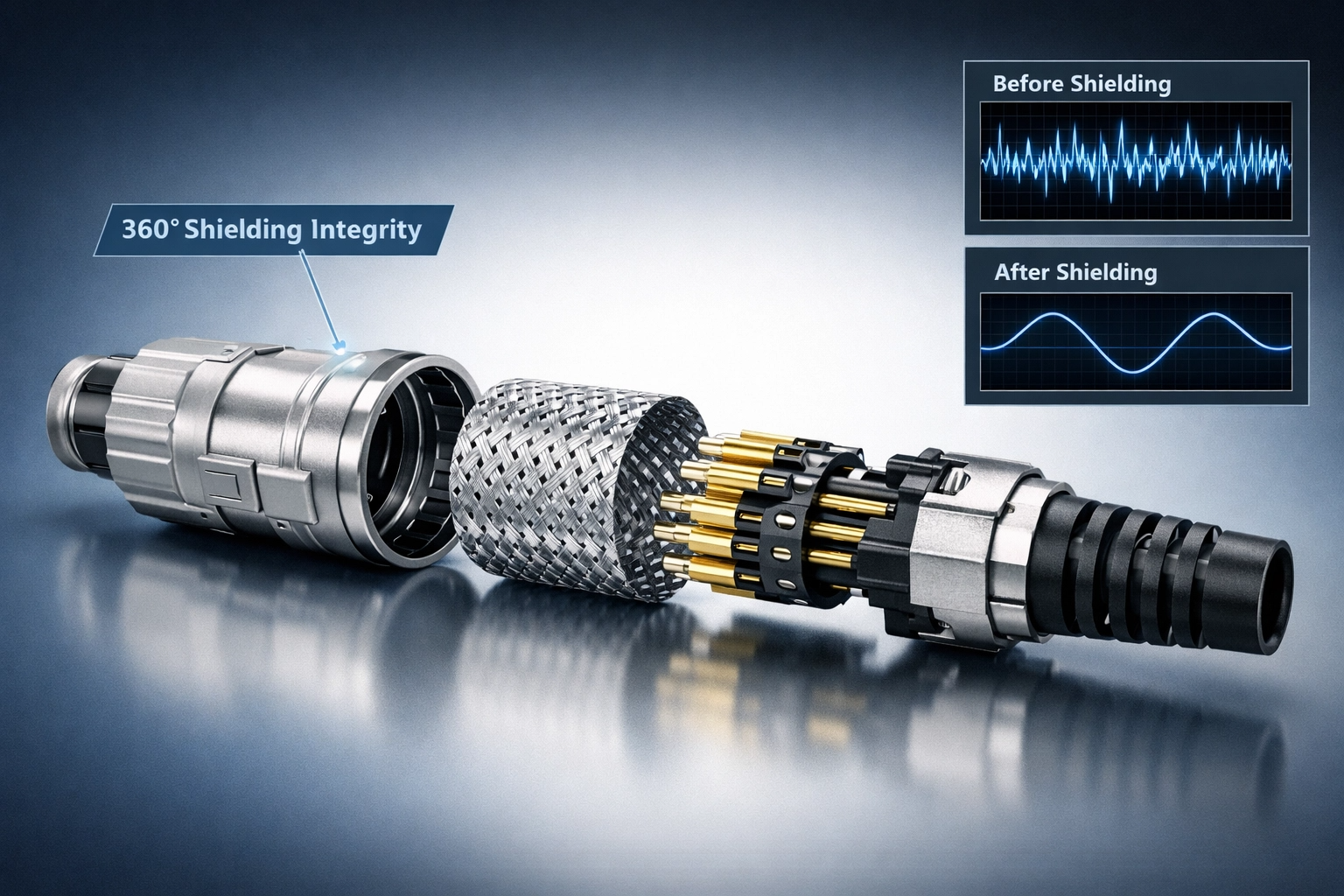
Overcoming EMI in High-Speed Automation
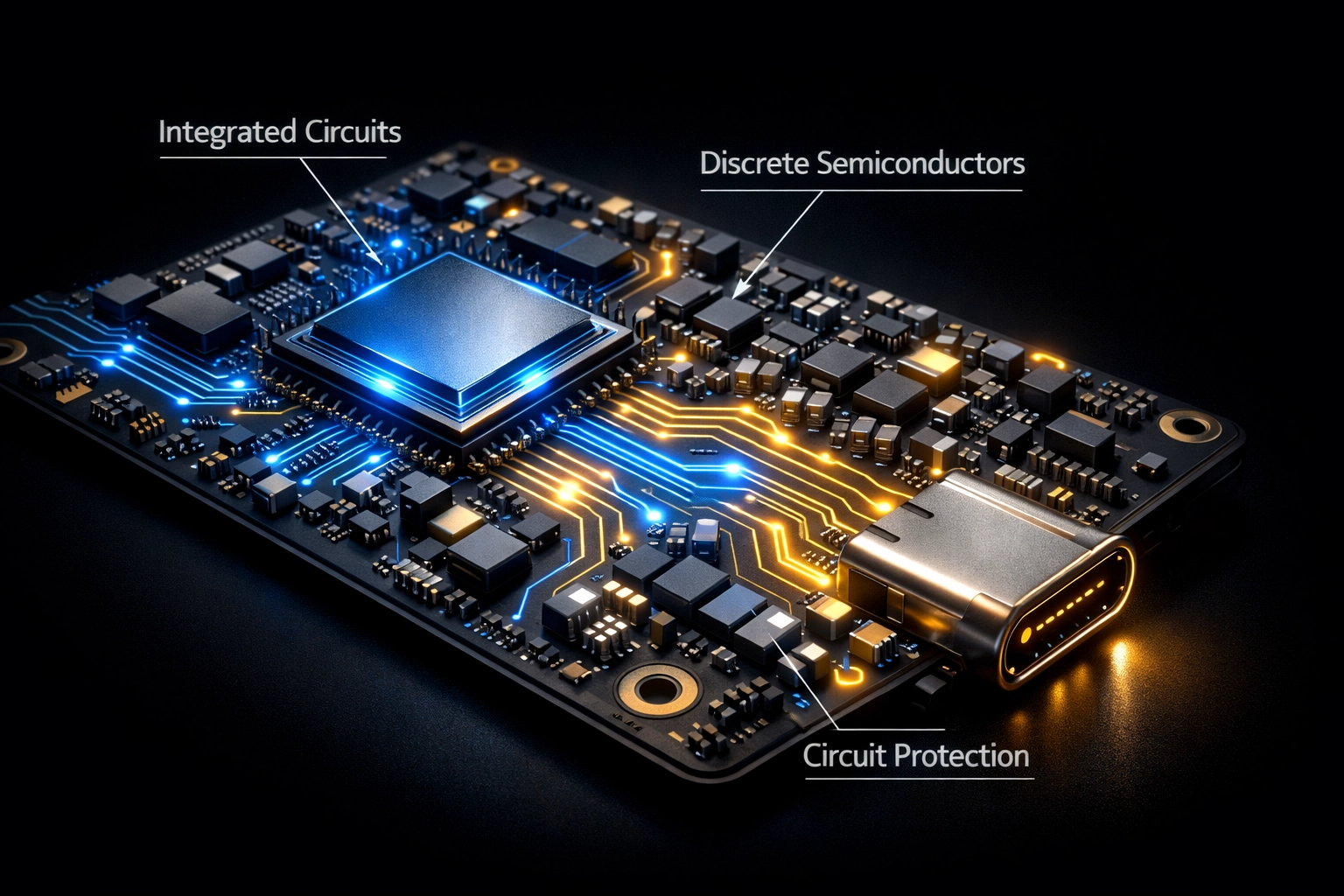
A Comprehensive Layout and Component Selection Guide
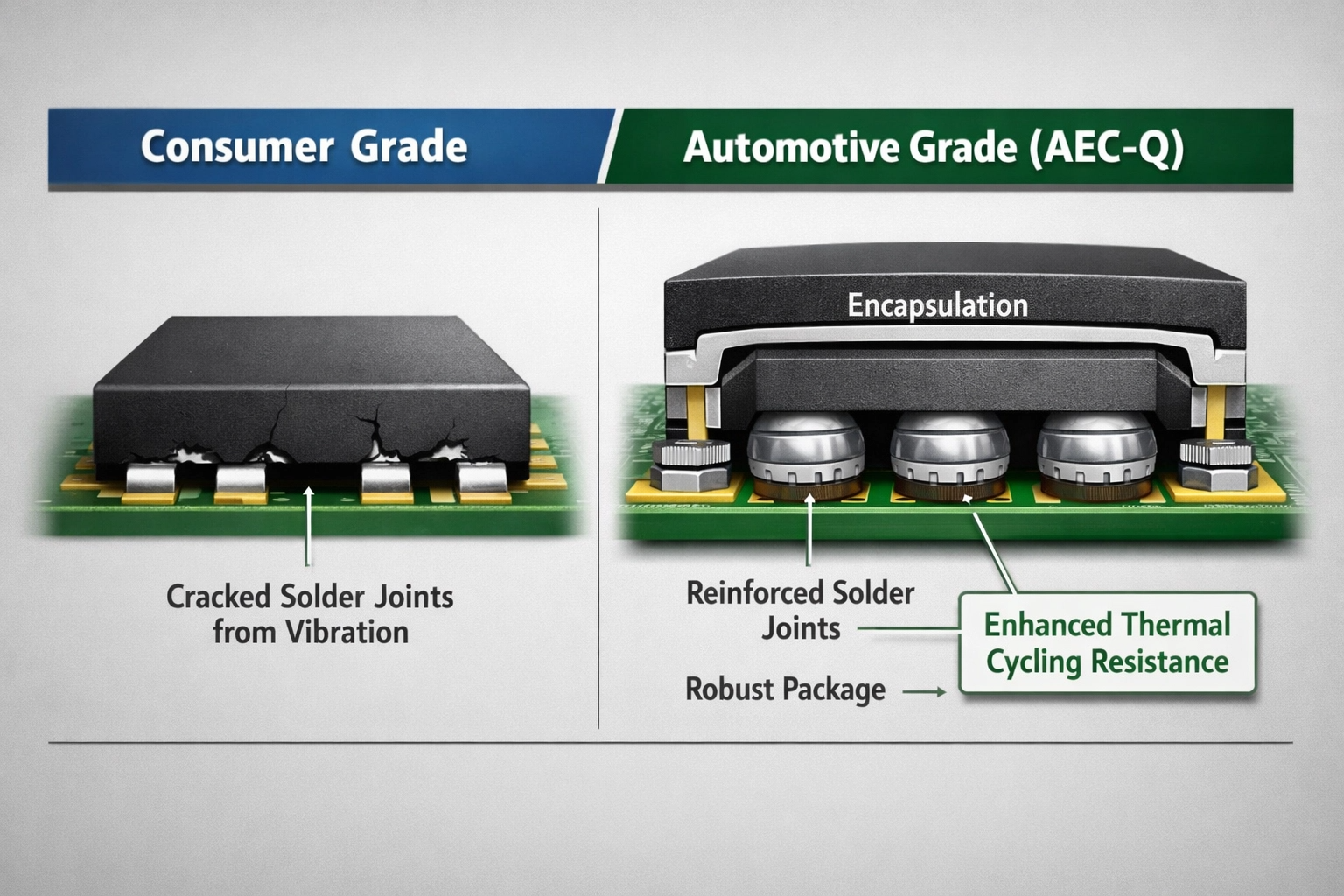
A Deep Dive into AEC-Q Standards and IATF 16949 Compliance







"Finding reliable high-voltage contactors for our EV platform was a major bottleneck until we partnered with this team. Their stock of 800V components is impressive and, more importantly, fully traceable. The packaging was professional, ensuring no static damage during transit. Truly a lifesaver for our production line."
"We were desperately searching for specific power management chips that were on a long backorder elsewhere. They managed to ship original factory parts within 48 hours, which kept our automation project on schedule. Communication was transparent and the technical data sheets provided were accurate. Highly recommend for urgent sourcing needs."
"The quality of the magnetic hydraulic circuit breakers we received exceeded our expectations for the price point. It’s clear they have a rigorous quality inspection process in place before shipping. We've integrated their parts into our latest battery storage units with zero failure rates so far. A very dependable partner for long-term supply."
"In this industry, trust is everything, especially when dealing with high-voltage fuses and relays. This company consistently provides genuine products that meet our strict safety certifications for the EU market. Their team is knowledgeable and helped us navigate the technical nuances of the components. Their export logistics to Spain are seamless."
"Managing End-of-Life (EOL) components is a constant struggle, but their database for legacy ICs is a goldmine. I was able to secure a batch of LCD driver ICs that our previous suppliers claimed were impossible to find. Every chip was tested and worked perfectly in our HMI repair prototypes. They are now my go-to for hard-to-find semiconductors."
"I appreciate how they handle smaller, specialized orders with the same urgency as bulk shipments. We needed specific pressure sensors for a fleet of diesel engines, and they arrived in the UK perfectly labeled and documented. Their attention to detail on the commercial invoice made customs clearance a breeze. Great service and even better product quality."
