 EN

how-does-an-igbt-module-improve-efficiency-in-motor-drive-applications, how-does-an-igbt-module-improve-efficiency-in-motor-drive-applications, /news
EN
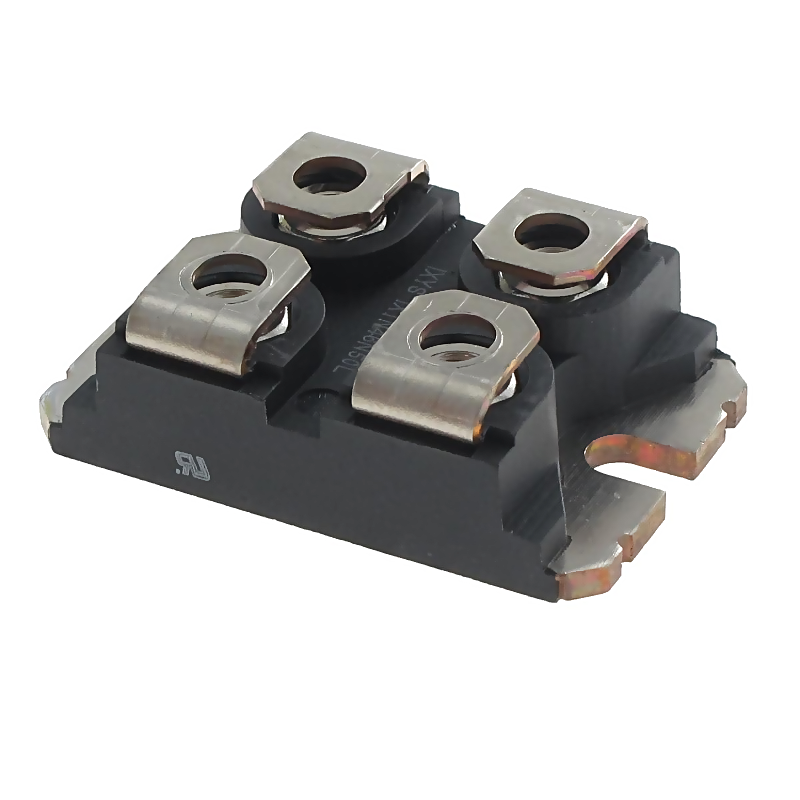
Motor drive systems demand precision control and energy efficiency across industrial, automotive, and renewable energy applications. An igbt module represents a critical advancement in power electronics that directly addresses these demands by combining high switching speeds, low conduction losses, and robust thermal performance. Understanding how an igbt module improves efficiency reveals essential insights into modern motor control architecture and the mechanisms that reduce operational costs while extending equipment lifespan.

The fundamental efficiency gains from an igbt module stem from its semiconductor structure, which minimizes switching losses and conduction losses simultaneously. Unlike older power switching technologies, an igbt module integrates multiple insulated-gate bipolar transistors within a single package, enabling parallel operation that distributes current and heat more effectively. This architecture directly translates to lower voltage drops, reduced power dissipation, and improved overall system efficiency in motor drive applications.
An igbt module achieves rapid switching transitions that minimize the energy lost during on-off state changes. When voltage commands drive a motor, the igbt module must turn on and off thousands of times per second, and each transition represents a potential efficiency penalty. Modern igbt module designs employ advanced gate driver technology, such as optimized gate driver chips, to accelerate these transitions and compress the switching window into nanosecond timescales. The result is dramatically reduced switching losses compared to conventional thyristors or older MOSFET designs.
The gate driver chip works in tandem with the igbt module to supply precisely timed control signals that govern switching behavior. A high-performance gate driver ensures the igbt module transitions cleanly and quickly, avoiding prolonged intermediate states where voltage and current overlap and waste energy as heat. This synergy between the igbt module and its gate driver infrastructure produces efficiency improvements that compound across millions of switching cycles, delivering measurable energy savings in real-world deployments.
Industrial motor drives often require an igbt module rated for substantial current capacity, yet a single device may not meet stringent performance targets. By connecting multiple igbt module units in parallel within a drive topology, engineers distribute current more evenly and reduce localized heating. Each igbt module in the parallel configuration experiences lower current stress, enabling all devices to operate closer to their optimal efficiency region. This parallelization strategy within a properly designed igbt module housing significantly reduces hot spots and thermal gradients that otherwise degrade performance.
The parallel connection of igbt module elements also improves transient response and reduces electromagnetic noise. When one igbt module element alone cannot handle load variations smoothly, distributing switching duties across multiple units embedded within the same module housing stabilizes voltage ripple and dV/dt rates. The result is an igbt module that operates more reliably under dynamic motor load conditions, maintaining efficiency even as application demands fluctuate.
The forward voltage drop across an igbt module represents the primary conduction loss mechanism during steady-state operation. An igbt module typically exhibits lower forward voltage than older power devices, translating directly to reduced resistive heating when current flows through the device. Modern silicon technology and packaging improvements have further reduced this voltage drop, meaning an igbt module now operates with improved thermal efficiency across its rated current range. This fundamental advantage compounds over millions of switching cycles and extended run times typical in continuous motor drive applications.
Temperature stability within an igbt module also influences conduction efficiency. As junction temperature rises, the forward voltage drop of an igbt module typically increases slightly, yet the effect remains moderate compared to alternative technologies. Advanced thermal management integrated into an igbt module packaging design—including copper heat spreaders and optimized solder interfaces—ensures the device remains within its ideal operating temperature window. The igbt module therefore maintains consistent efficiency performance throughout its operational lifetime.
An igbt module typically incorporates integral freewheeling diodes that enable efficient energy recirculation during motor deceleration and load reversal transients. When a motor begins to decelerate, stored magnetic energy must return to the power supply or dissipate as heat. The freewheeling diode within an igbt module provides a low-loss path for this reactive current, preventing energy from being wasted through parasitic resistances or unnecessary switching transitions. This built-in diode feature of an igbt module design directly improves system-level efficiency by capturing and redirecting energy that would otherwise be lost.
The quality and integration level of the diode pair within an igbt module varies by manufacturer design, yet modern offerings ensure minimal additional losses. An optimized igbt module featuring matched diode characteristics minimizes voltage spikes and reverse recovery losses, protecting sensitive gate driver electronics while maintaining energy efficiency. This holistic approach to igbt module design addresses efficiency from multiple angles simultaneously, creating motor drives that consume less grid power while delivering smoother, more responsive motor control.
Efficient heat removal from an igbt module remains essential for sustained efficiency performance over extended operating periods. An igbt module designed with optimized thermal pathways—featuring low-resistance direct copper bonding and high-conductivity solder interconnections—ensures generated heat flows rapidly from the semiconductor junction to the external heatsink. When thermal resistance within an igbt module remains low, junction temperature stays closer to ambient conditions, preserving the electrical characteristics that enable efficient switching and conduction. This thermal optimization directly enables an igbt module to maintain rated efficiency throughout its entire service life.
Industrial motor drives operating in demanding environments benefit significantly from an igbt module with superior thermal engineering. As system power levels increase, heat dissipation becomes the critical limiting factor. An igbt module featuring robust thermal design allows motor drives to achieve higher power density without sacrificing reliability or efficiency. The synergistic benefit is that an igbt module engineered for excellent thermal performance simultaneously improves electrical efficiency, creating a virtuous cycle where efficiency gains and thermal stability reinforce one another.
Reliability directly influences long-term efficiency outcomes in motor drive systems. An igbt module operating within controlled thermal conditions experiences slower degradation of internal contacts, solder joints, and wire bonds compared to devices operating at elevated temperatures. The consistency of an igbt module performance over years of continuous operation translates to predictable efficiency metrics that support energy audits and cost projections. Motor drive systems built around a robust igbt module foundation therefore maintain their efficiency advantages across the entire equipment lifespan, justifying higher upfront investment through reduced operational energy losses.
The combination of advanced gate driver chip integration and optimized igbt module architecture creates motor drive solutions that not only achieve peak efficiency under ideal conditions but sustain that efficiency across diverse real-world scenarios. This reliability-efficiency synergy differentiates modern igbt module implementations from legacy power semiconductors, enabling industrial facilities to reduce energy consumption consistently while maintaining uninterrupted production and system uptime.
An igbt module typically reduces switching losses by 40–60% and conduction losses by 30–50% relative to older thyristor or MOSFET technologies, depending on application parameters. The igbt module achieves these gains through faster switching transitions, lower forward voltage drops, and integrated freewheeling diodes that minimize reactive energy losses. For industrial motor drives operating continuously, these efficiency improvements translate to measurable reductions in energy consumption and operational costs.
The gate driver chip controls the timing and magnitude of voltage signals that command the igbt module to switch states. An optimized gate driver ensures the igbt module transitions as rapidly as possible, compressing switching losses into the shortest possible time window. The gate driver chip also protects the igbt module from voltage spikes and provides isolation, enabling reliable multi-level motor drive topologies that further enhance overall system efficiency through reduced harmonic distortion.
Yes, parallel igbt module integration distributes current more evenly across multiple semiconductor junctions, reducing thermal stress on individual devices and enabling each igbt module element to operate in its peak efficiency region. The parallel configuration also improves transient response and reduces voltage ripple, minimizing unwanted electromagnetic losses in motor windings and drive inductances. For high-power motor applications, properly balanced parallel igbt module architectures consistently outperform single-device alternatives in overall efficiency and thermal stability.
The electronic components market is constantly evolving. From global supply chain updates to the latest semiconductor technology trends, our blog provides the professional perspective you need to stay informed and competitive.
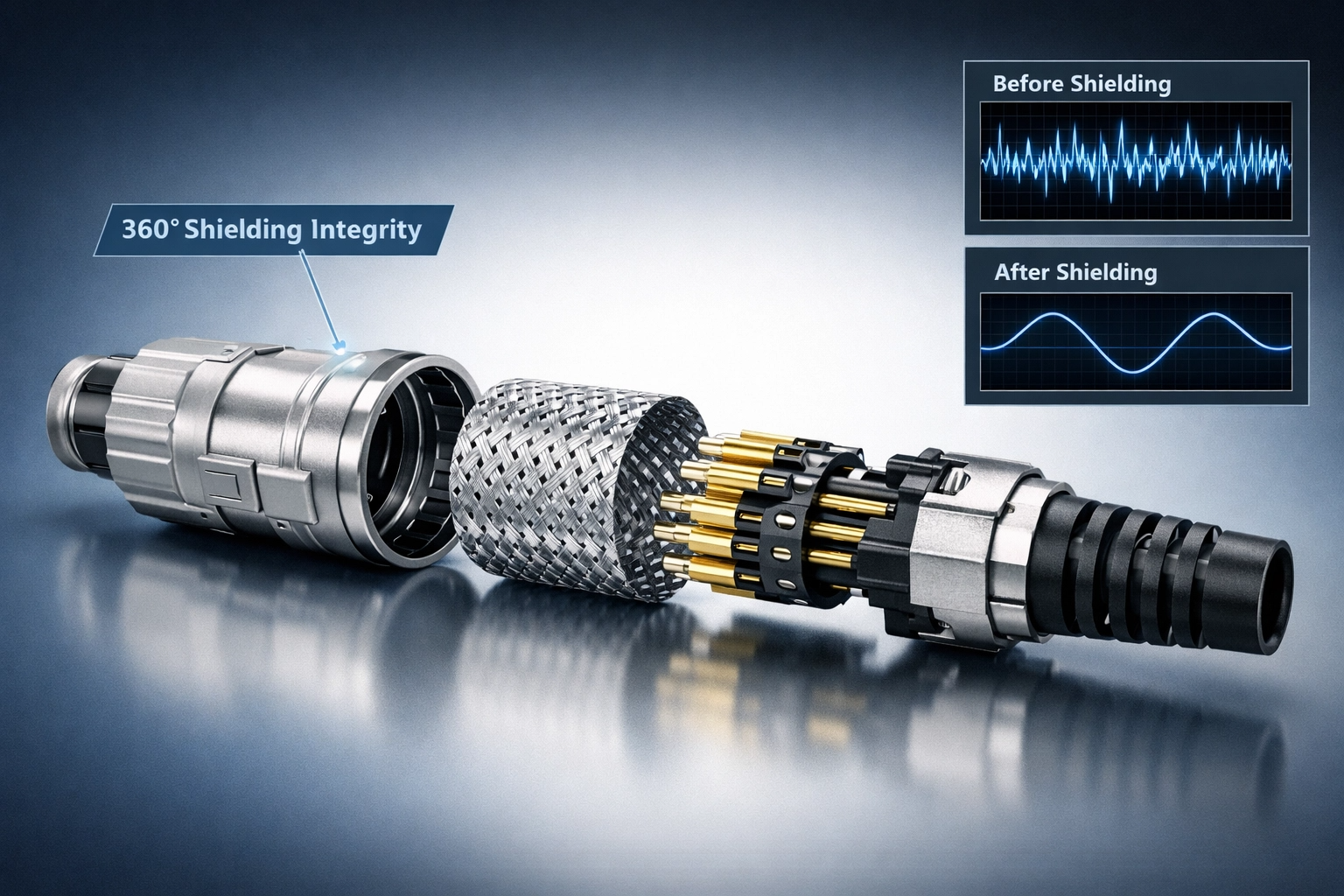
Overcoming EMI in High-Speed Automation
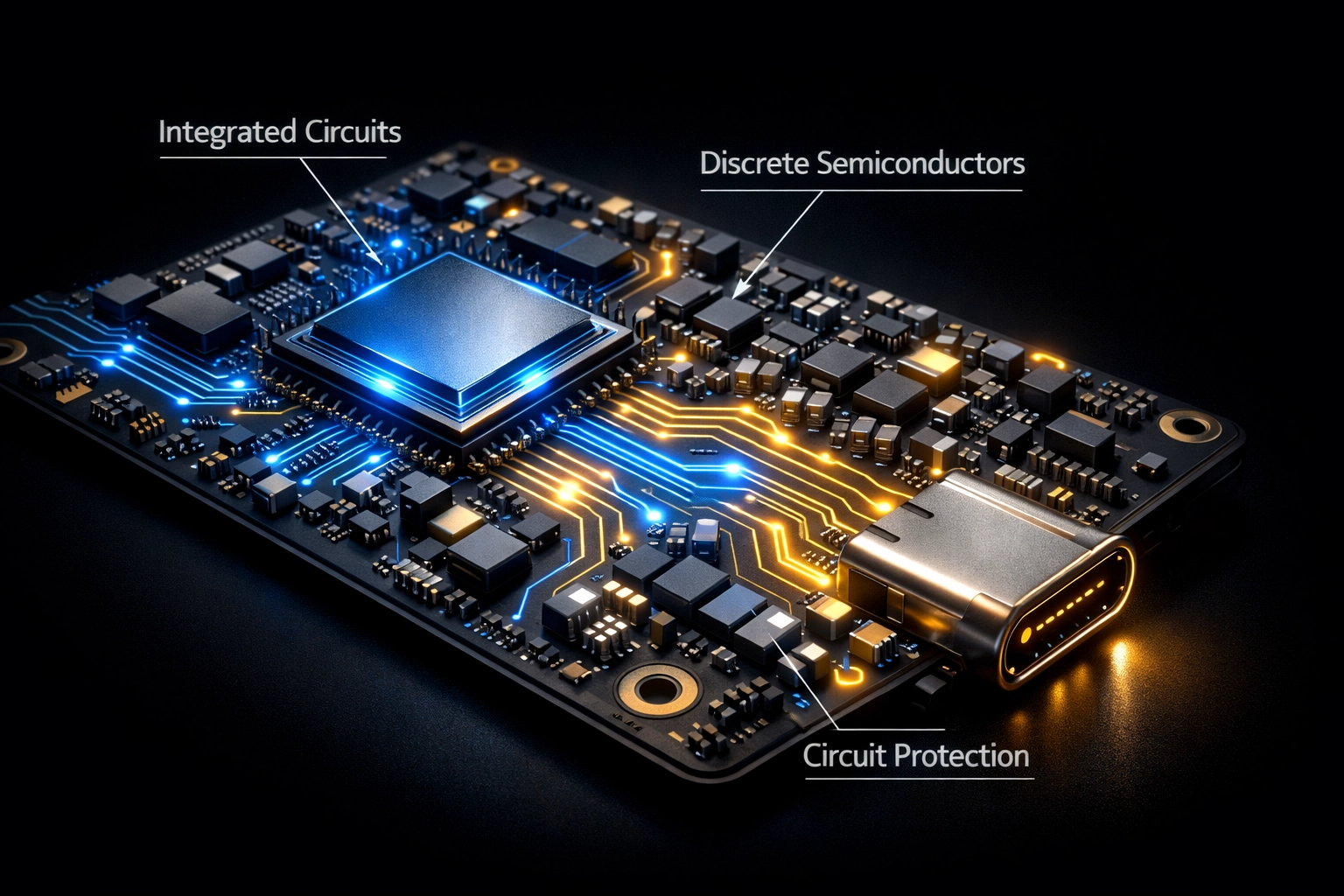
A Comprehensive Layout and Component Selection Guide
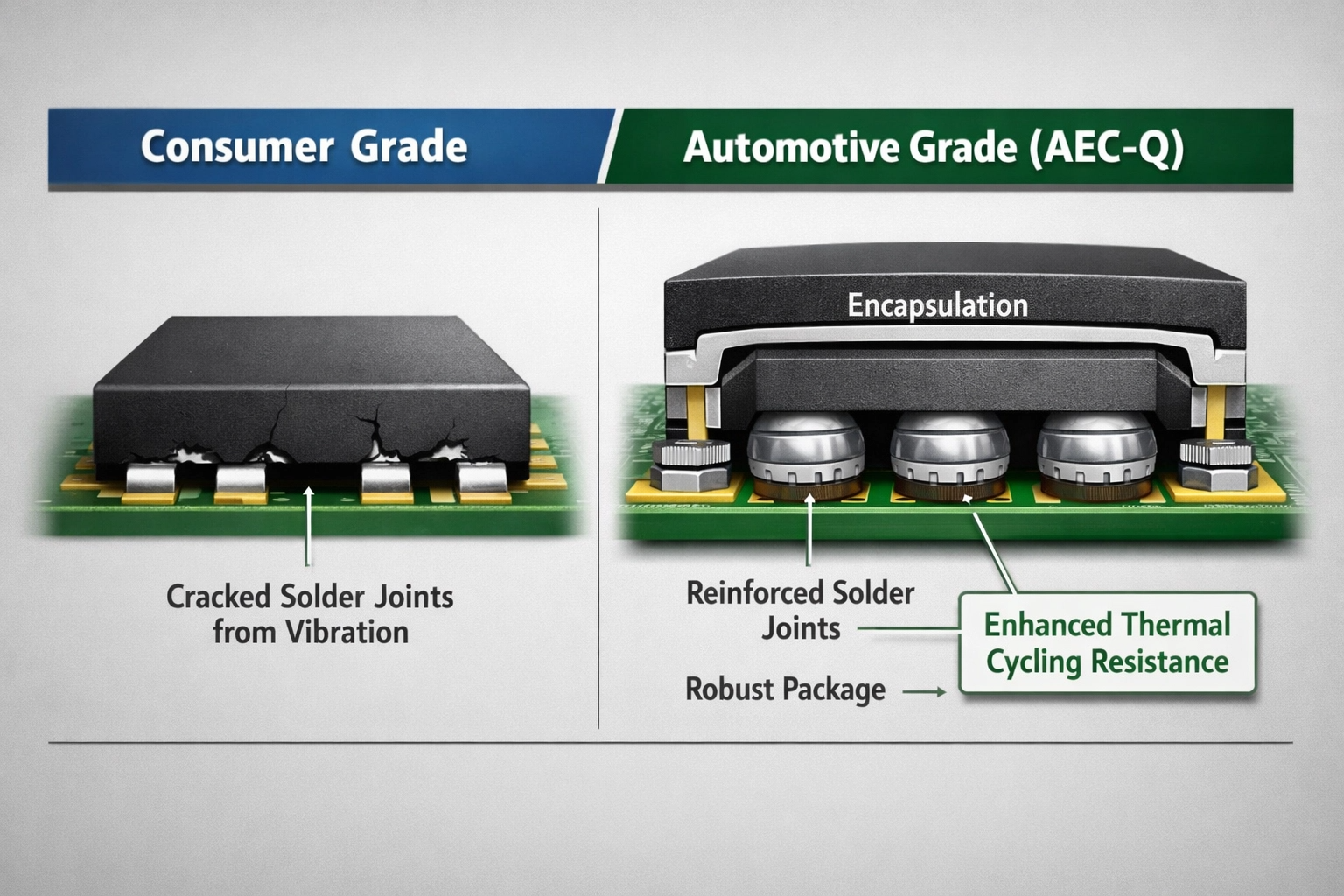
A Deep Dive into AEC-Q Standards and IATF 16949 Compliance







"Finding reliable high-voltage contactors for our EV platform was a major bottleneck until we partnered with this team. Their stock of 800V components is impressive and, more importantly, fully traceable. The packaging was professional, ensuring no static damage during transit. Truly a lifesaver for our production line."
"We were desperately searching for specific power management chips that were on a long backorder elsewhere. They managed to ship original factory parts within 48 hours, which kept our automation project on schedule. Communication was transparent and the technical data sheets provided were accurate. Highly recommend for urgent sourcing needs."
"The quality of the magnetic hydraulic circuit breakers we received exceeded our expectations for the price point. It’s clear they have a rigorous quality inspection process in place before shipping. We've integrated their parts into our latest battery storage units with zero failure rates so far. A very dependable partner for long-term supply."
"In this industry, trust is everything, especially when dealing with high-voltage fuses and relays. This company consistently provides genuine products that meet our strict safety certifications for the EU market. Their team is knowledgeable and helped us navigate the technical nuances of the components. Their export logistics to Spain are seamless."
"Managing End-of-Life (EOL) components is a constant struggle, but their database for legacy ICs is a goldmine. I was able to secure a batch of LCD driver ICs that our previous suppliers claimed were impossible to find. Every chip was tested and worked perfectly in our HMI repair prototypes. They are now my go-to for hard-to-find semiconductors."
"I appreciate how they handle smaller, specialized orders with the same urgency as bulk shipments. We needed specific pressure sensors for a fleet of diesel engines, and they arrived in the UK perfectly labeled and documented. Their attention to detail on the commercial invoice made customs clearance a breeze. Great service and even better product quality."
