 EN
EN

how-does-contactorrelay-improve-switching-efficiency-in-automation-systems, how-does-contactorrelay-improve-switching-efficiency-in-automation-systems, /news
EN
2026/08/26
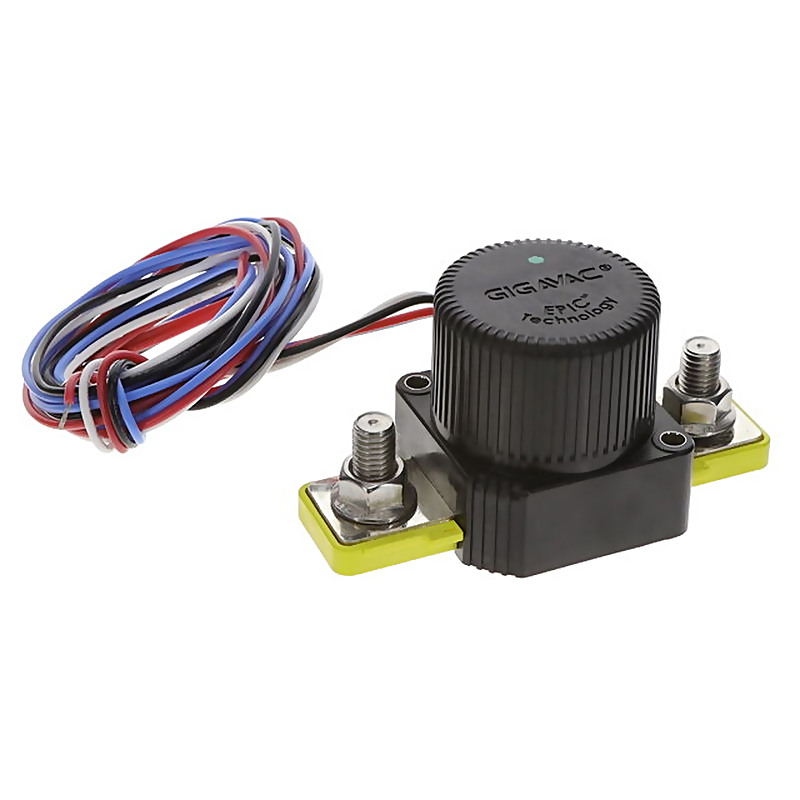
In modern automation systems, the ability to switch electrical loads quickly and reliably determines operational performance and energy efficiency. A contactor & relay serves as the foundational switching mechanism that manages power distribution, protects circuits, and enables seamless automation workflows. Understanding how a contactor & relay improves switching efficiency directly impacts your system's reliability, operational cost, and overall performance metrics across industrial and energy applications.
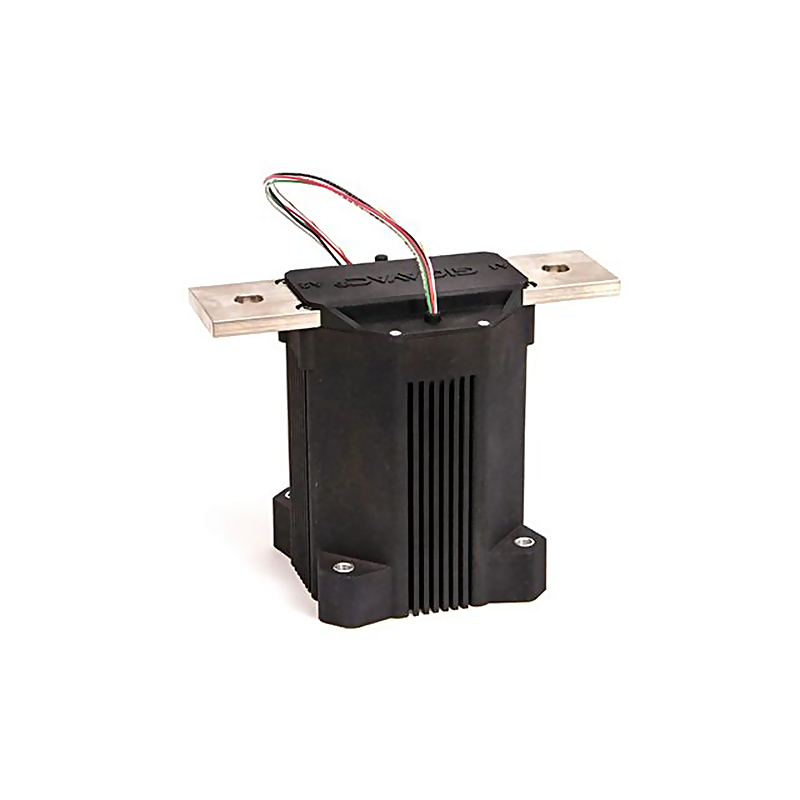
A contactor & relay operates by using electromagnetic coils to open or close electrical contacts, eliminating the need for manual intervention and enabling precise, instantaneous control. The contactor & relay technology minimizes switching delays, reduces electrical arcing, and maintains consistent contact resistance across thousands of switching cycles. This fundamental capability makes the contactor & relay essential for automation systems where speed, accuracy, and energy conservation are critical business requirements.
Electrical arcing represents one of the primary sources of energy loss during switching operations. When a contactor & relay opens or closes contacts, the transition period creates an arc that dissipates power as heat. Advanced contactor & relay designs incorporate arc suppression chambers, magnetic blow-out coils, and contact materials that extinguish arcs in microseconds rather than milliseconds. By reducing arc duration and intensity, a contactor & relay directly lowers energy waste, extends component lifespan, and reduces heat generation in the control cabinet.
The contact resistance of a contactor & relay also influences switching efficiency significantly. Lower contact resistance means less heat is generated during current flow, enabling higher switching speeds without thermal stress. Premium contactor & relay components use silver-alloy or multi-layer contact surfaces that maintain low resistance even after extended use, ensuring consistent efficiency throughout the device's operational life.
Modern contactor & relay systems achieve switching times measured in milliseconds, enabling tight synchronization with automation logic controllers. When a contactor & relay switches faster, it reduces the dwell time during which current path transitions occur, minimizing peak current spikes and voltage transients. This capability allows a contactor & relay to integrate smoothly with variable frequency drives, soft starters, and regenerative power systems that require precise timing to function efficiently.
The predictable, repeatable switching behavior of a contactor & relay makes automation algorithms more reliable and energy-efficient. Programmable logic controllers can coordinate multiple contactor & relay devices with sub-millisecond accuracy, enabling dynamic load balancing and peak shaving strategies that reduce facility energy costs significantly.
Industrial facilities and energy storage systems require the ability to switch large loads instantly to respond to grid demands or production changes. A contactor & relay rated for high current capacity can transfer electrical loads from one branch to another without interrupting supply to critical systems. This switching capability allows a contactor & relay to support demand response programs, load shedding protocols, and energy arbitrage strategies in electric vehicle charging stations and battery storage installations.
By enabling rapid, controlled load redistribution, a contactor & relay reduces peak demand charges, minimizes voltage sags, and improves power factor across the facility. The contactor & relay's ability to handle repeated switching cycles without degradation makes it ideal for frequent load transfers that occur in dynamic automation environments.
Switching efficiency directly correlates with heat generation, and excessive heat degrades automation equipment reliability and shortens replacement intervals. A contactor & relay designed for high switching efficiency produces minimal heat during operation, reducing the cooling requirements for control cabinets and allowing equipment to operate closer to thermal limits safely. This thermal benefit extends the operational lifespan of adjacent electronic components and reduces facility cooling costs.
When a contactor & relay operates efficiently, it also reduces temperature rise in connected conductors and terminals, lowering fire risk and meeting electrical code requirements more reliably. The contactor & relay's thermal characteristics become especially critical in confined cabinet spaces where heat dissipation is limited and multiple switching devices operate in close proximity.
Modern automation systems rely on the contactor & relay as an interface between high-power switching elements and low-voltage control circuits. A contactor & relay receives logic-level control signals from programmable controllers and translates them into high-current switching actions without requiring large control currents. This isolation capability protects sensitive microprocessor-based control systems and enables efficient power management in distributed automation networks.
The contactor & relay's role in this architecture supports the widespread adoption of Industry 4.0 technologies, remote monitoring systems, and predictive maintenance algorithms. By providing reliable, repeatable switching behavior, a contactor & relay enables data collection and performance analytics that drive continuous efficiency improvements across automated processes.
Automation systems often require redundant switching paths to maintain service continuity during maintenance or component failure. A contactor & relay enables cost-effective redundancy by providing multiple switching options that can be coordinated through logic control. When one contactor & relay unit requires service, parallel or backup contactor & relay devices seamlessly assume the load, supporting zero-downtime maintenance schedules.
The standardization of contactor & relay designs across the industry simplifies system scaling, inventory management, and replacement procedures. Engineers can design expandable automation systems with confidence that additional contactor & relay modules will integrate smoothly with existing infrastructure, supporting business growth without complete system redesign.
High-performance contactor & relay systems can reduce switching losses by 15 to 25 percent compared to older designs, depending on load characteristics and switching frequency. Facilities switching loads frequently, such as EV charging stations or renewable energy systems, typically see the largest efficiency gains because modern contactor & relay technology minimizes losses during each switching cycle.
A contactor & relay improves reliability by eliminating manual switching, providing consistent contact pressure, and reducing failure modes like contact welding or chatter. The contactor & relay's electromagnetic design ensures repeatable operation across millions of cycles, and integrated protection features within the contactor & relay prevent damage from electrical faults.
Yes, a contactor & relay rated for the peak load in your application will reliably handle variable load conditions. Modern contactor & relay devices are designed to switch safely across a range of current values and can incorporate protective overload features that protect the contactor & relay itself and downstream equipment.
The electronic components market is constantly evolving. From global supply chain updates to the latest semiconductor technology trends, our blog provides the professional perspective you need to stay informed and competitive.
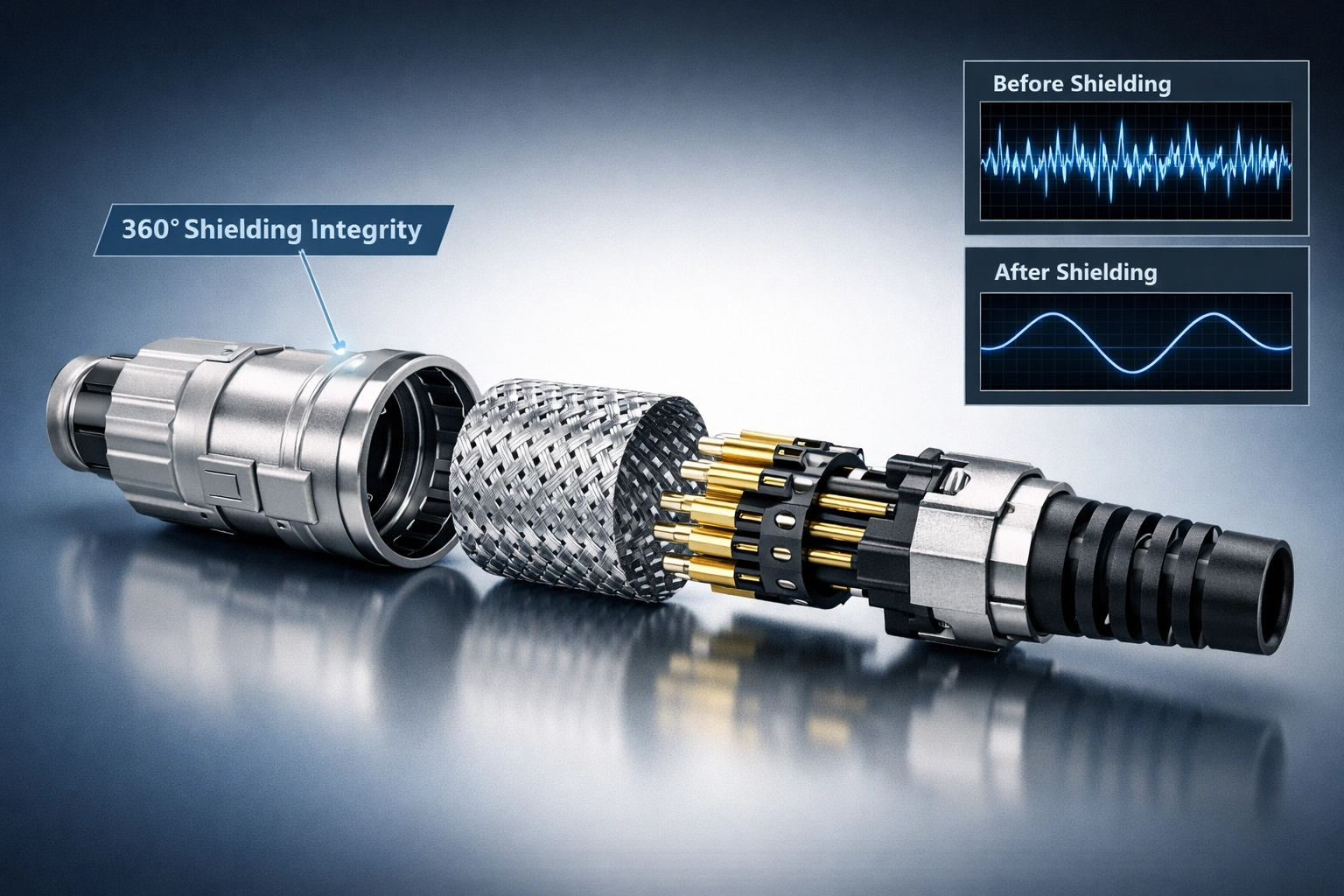
Overcoming EMI in High-Speed Automation
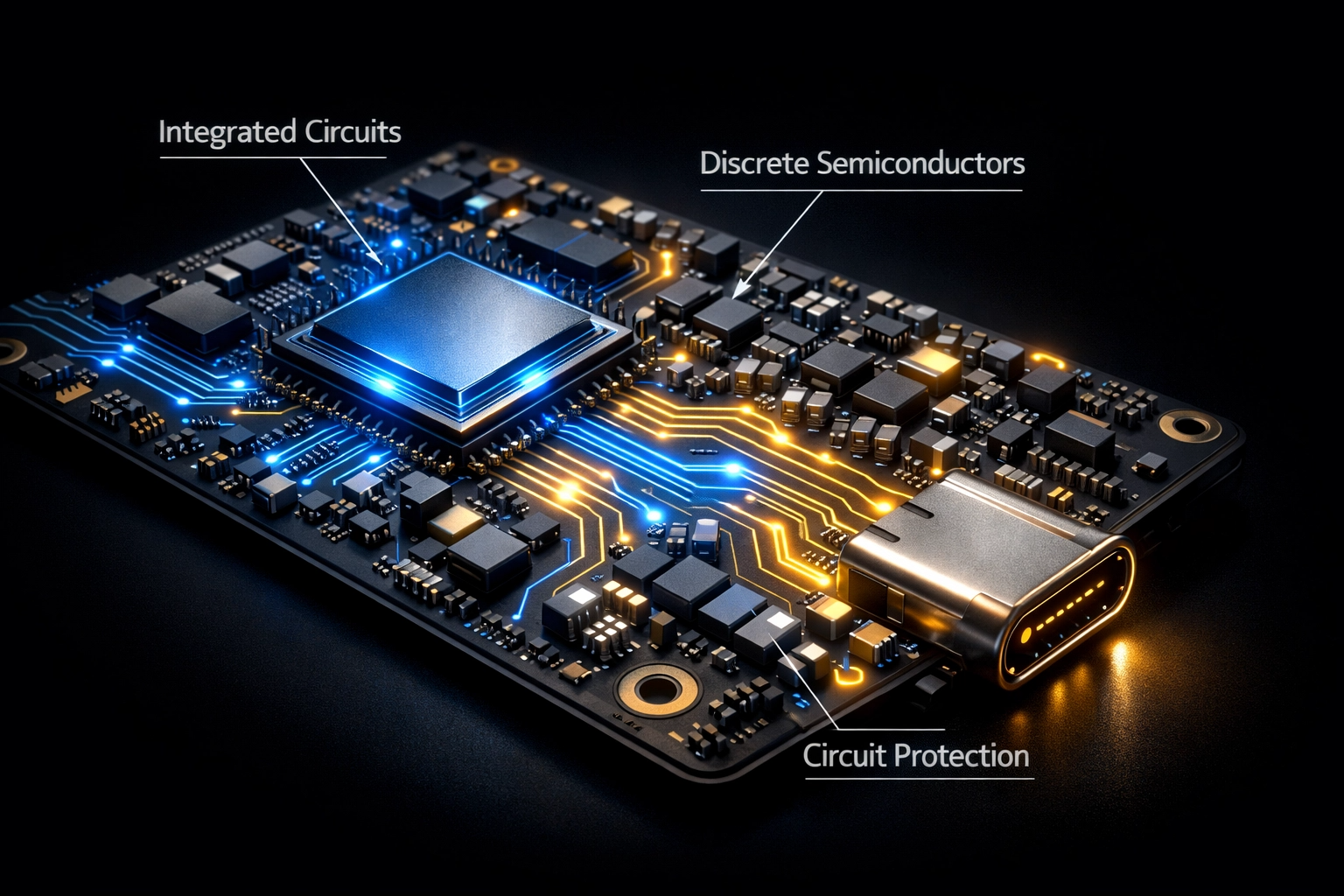
A Comprehensive Layout and Component Selection Guide
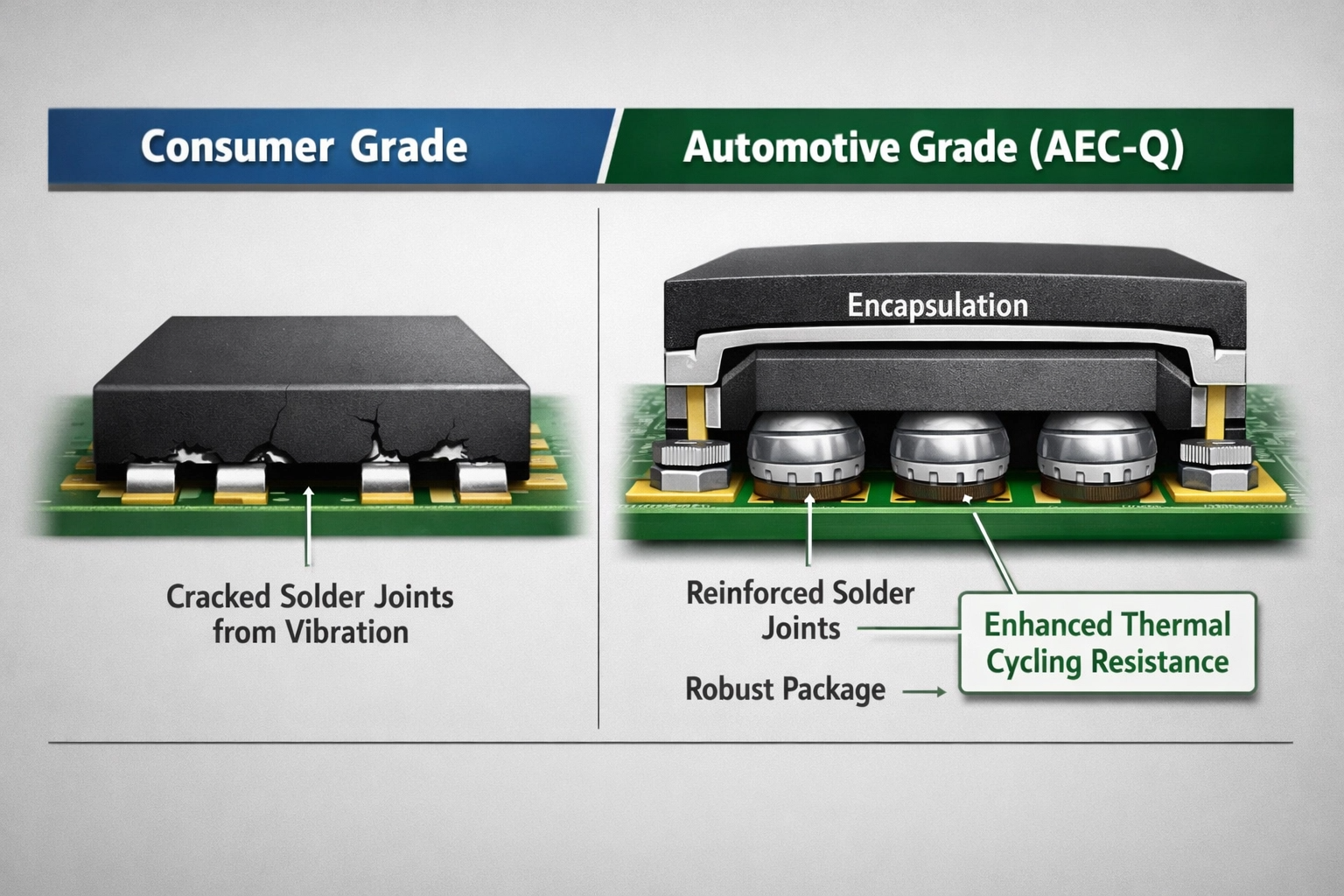
A Deep Dive into AEC-Q Standards and IATF 16949 Compliance






"Finding reliable high-voltage contactors for our EV platform was a major bottleneck until we partnered with this team. Their stock of 800V components is impressive and, more importantly, fully traceable. The packaging was professional, ensuring no static damage during transit. Truly a lifesaver for our production line."
"We were desperately searching for specific power management chips that were on a long backorder elsewhere. They managed to ship original factory parts within 48 hours, which kept our automation project on schedule. Communication was transparent and the technical data sheets provided were accurate. Highly recommend for urgent sourcing needs."
"The quality of the magnetic hydraulic circuit breakers we received exceeded our expectations for the price point. It’s clear they have a rigorous quality inspection process in place before shipping. We've integrated their parts into our latest battery storage units with zero failure rates so far. A very dependable partner for long-term supply."
"In this industry, trust is everything, especially when dealing with high-voltage fuses and relays. This company consistently provides genuine products that meet our strict safety certifications for the EU market. Their team is knowledgeable and helped us navigate the technical nuances of the components. Their export logistics to Spain are seamless."
"Managing End-of-Life (EOL) components is a constant struggle, but their database for legacy ICs is a goldmine. I was able to secure a batch of LCD driver ICs that our previous suppliers claimed were impossible to find. Every chip was tested and worked perfectly in our HMI repair prototypes. They are now my go-to for hard-to-find semiconductors."
"I appreciate how they handle smaller, specialized orders with the same urgency as bulk shipments. We needed specific pressure sensors for a fleet of diesel engines, and they arrived in the UK perfectly labeled and documented. Their attention to detail on the commercial invoice made customs clearance a breeze. Great service and even better product quality."
