 EN
EN

is-a-pmic-critical-for-efficient-power-control-in-portable-electronic-devices, is-a-pmic-critical-for-efficient-power-control-in-portable-electronic-devices, /news
EN
2026/08/03
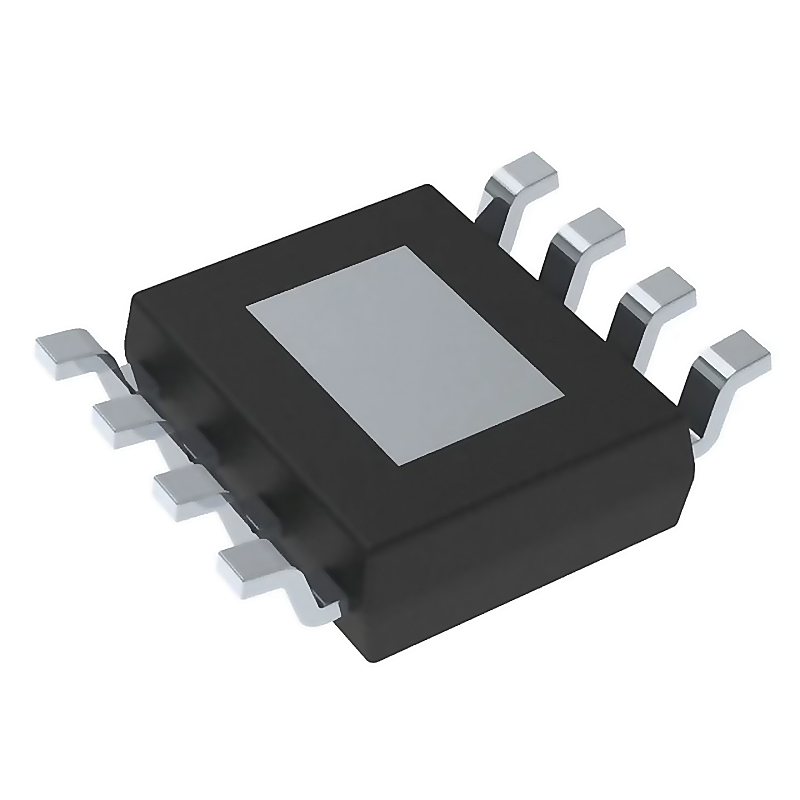
Portable electronic devices have become indispensable in modern life, yet their reliability and performance depend heavily on one critical component: the PMIC. A PMIC, or power management integrated circuit, represents the sophisticated backbone of power distribution and control in smartphones, tablets, wearables, and industrial portable equipment. Understanding whether a PMIC is truly critical requires examining how these devices function, what challenges they solve, and why manufacturers consistently prioritize PMIC integration into their designs.
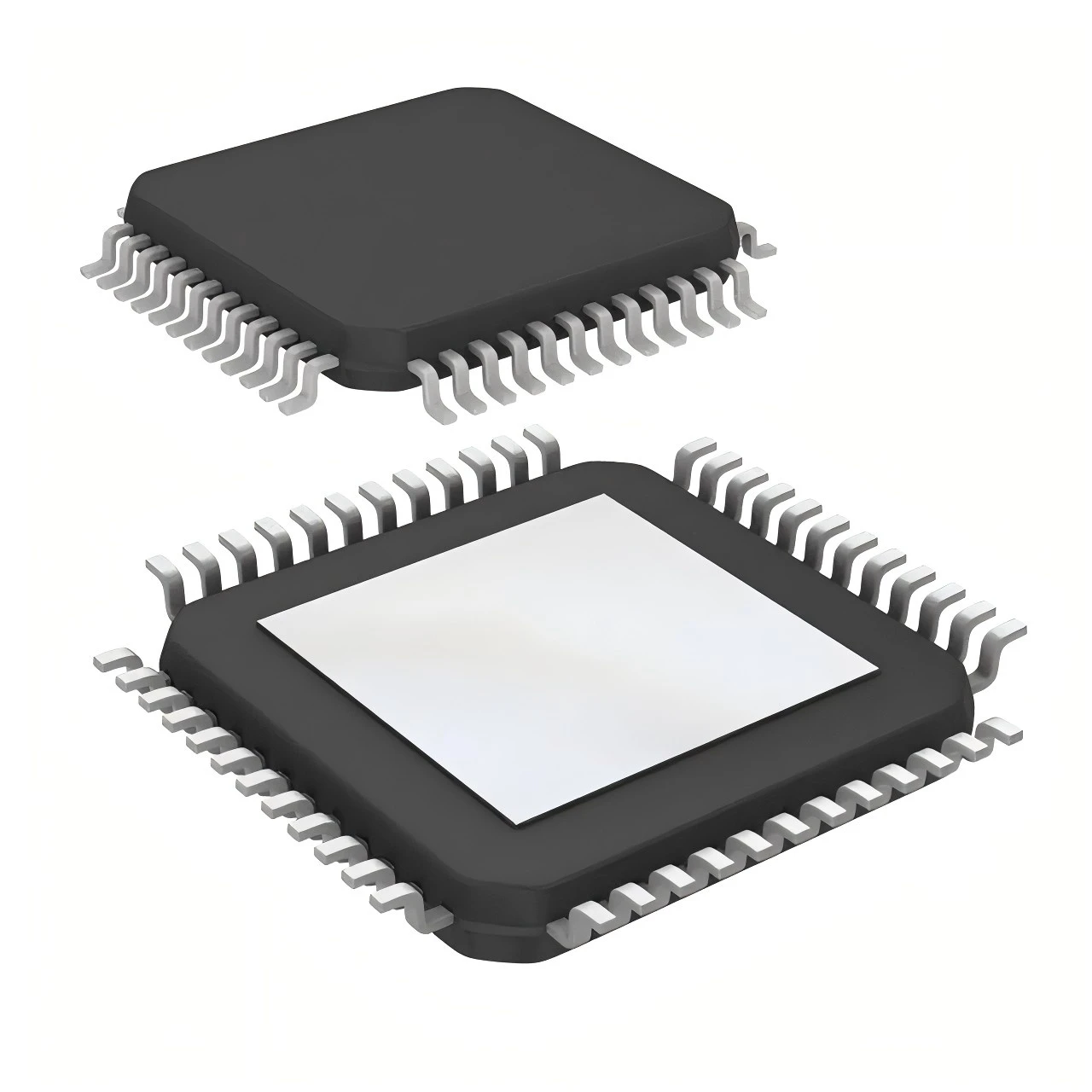
The answer is unequivocally yes: a PMIC is absolutely critical for efficient power control in portable electronic devices. Modern portable electronics face unprecedented power management demands because they integrate multiple processors, wireless modules, sensors, and displays that operate at vastly different voltage and current levels. Without a PMIC to intelligently regulate and distribute power, devices would suffer from reduced battery life, thermal issues, circuit damage, and unreliable operation. A PMIC ensures that each component receives precisely the right voltage and current at the right time, making efficient power management not just desirable but fundamentally necessary.
Portable devices today contain numerous subsystems, each requiring different voltage levels and power profiles. The main processor might need 1.2 volts, while wireless radio modules require 1.8 volts, display backlights require 5 volts, and camera sensors need 2.8 volts. A PMIC orchestrates these multiple power domains through integrated buck converters, boost converters, and LDO regulators. This multi-domain capability is what makes a PMIC indispensable: without it, you would need separate standalone regulators for each subsystem, dramatically increasing circuit complexity, board space, and component cost. The PMIC consolidates all these functions into a single intelligent chip that communicates with the device's main processor.
Battery capacity in portable devices is finite and physically constrained. A PMIC enables dynamic voltage and frequency scaling, allowing the processor to reduce power consumption during low-demand periods while maintaining full performance during intensive tasks. The PMIC monitors battery voltage, device temperature, and application load, then automatically adjusts supply voltages to the minimum safe level for current operating conditions. This adaptive power management technique can extend battery runtime by 20 to 40 percent compared to static voltage supplies. Without a PMIC's real-time intelligence, the device would operate at maximum voltage levels continuously, draining the battery far more rapidly and severely limiting portable utility.
The core function of a PMIC involves converting the battery's nominal voltage, typically 3.6 to 4.2 volts for lithium-ion cells, into stable output voltages required by various subsystems. A PMIC includes multiple switching regulators and linear regulators, each independently configurable. Switching buck converters step down voltage efficiently with minimal power loss, while boost converters step up voltage when needed. The PMIC maintains tight voltage tolerance, typically within plus or minus two percent, ensuring that sensitive components like processors and memory operate reliably. This precise voltage regulation prevents component damage from overvoltage conditions and ensures stable operation across temperature ranges from zero to fifty degrees Celsius or beyond. A PMIC's integrated feedback control loops automatically compensate for battery voltage sag, load transients, and environmental variations.
Portable devices generate significant heat during operation, and a PMIC plays a vital role in thermal management. The PMIC monitors its own temperature and can reduce switching frequency or disable certain outputs if internal temperatures exceed safe limits. Additionally, a PMIC provides integrated overcurrent protection, automatically limiting current draw if a short circuit or fault condition occurs. This protection prevents battery damage, component burnout, and potential safety hazards like battery rupture or thermal runaway. Many modern PMIC designs include programmable current limits for each output rail, allowing system designers to configure maximum current budgets per subsystem. Without these protection mechanisms embedded in a PMIC, each subsystem would require separate fuses or discrete protection circuits, again multiplying component count and complexity.
The efficiency of a PMIC directly translates to device-level performance metrics that consumers experience daily. A highly efficient PMIC reduces wasted power dissipation, meaning more of the battery's energy reaches useful components rather than being lost as heat. For a portable device with a 3000-milliamp-hour battery, improving PMIC efficiency from 85 to 92 percent can add two to three hours of runtime on typical usage. From a manufacturing perspective, integrating a PMIC reduces printed circuit board area compared to discrete regulator designs, lowering component costs, reducing assembly complexity, and improving reliability through fewer solder joints. Original equipment manufacturers consistently choose integrated PMIC solutions because they deliver superior economics and performance compared to discrete alternatives.
Modern portable devices employ sophisticated power management strategies that simply would not be possible without a capable PMIC. Fast charging protocols like USB Power Delivery require coordinated control of charging current, battery monitoring, and load management that a PMIC orchestrates seamlessly. Wireless charging compatibility, adaptive refresh rates on displays, processor sleep states, and other power-saving features all depend on real-time PMIC coordination. The PMIC communicates with the device's operating system through I2C or similar interfaces, reporting battery status, remaining runtime estimates, thermal conditions, and other parameters. This bidirectional communication enables intelligent system-level power decisions that would be impossible with passive voltage regulators. The most advanced PMIC designs include machine learning capabilities that learn usage patterns and optimize power delivery based on historical behavior.
Technically, a device could use discrete voltage regulators instead of a PMIC, but this would be highly impractical and expensive. Without a PMIC, you would need multiple standalone buck converters, boost converters, and LDO regulators for different voltage domains, plus separate protection circuits for overcurrent and thermal management. The resulting design would consume significantly more board space, use more components, generate more heat, cost substantially more, and offer inferior performance and battery life. Modern consumer and industrial portable devices exclusively use integrated PMIC solutions because they are simply the only practical approach for achieving competitive efficiency, features, and cost targets.
Premium PMIC designs incorporate advanced features like higher switching frequencies for smaller component sizes, lower quiescent current for extended standby battery life, integrated voltage sequencing to prevent processor damage during power-up, and comprehensive fault diagnostics. A high-quality PMIC also maintains tighter voltage regulation accuracy across temperature and load variations, includes more configurable output rails for different subsystems, and offers superior thermal characteristics. Enterprise-grade PMIC solutions add features like redundant power path management for safety-critical applications, integrated fuel gauging for accurate battery remaining-time calculations, and support for emerging fast-charging standards. Choosing an appropriate PMIC for the target application directly affects final device performance, reliability, and customer satisfaction.
Safety is paramount in portable devices because batteries contain stored energy and failure modes can create thermal hazards. A PMIC protects against overvoltage conditions that could damage components or trigger uncontrolled charging, overcurrent faults that could cause battery damage or thermal runaway, and overtemperature conditions that indicate system failure. The PMIC continuously monitors battery voltage, charging current, and internal temperature, triggering appropriate protection responses when parameters exceed safe limits. For applications using pmic technology in automotive or industrial contexts, integrated safety features prevent catastrophic failures and meet stringent regulatory requirements for functional safety and reliability.
The electronic components market is constantly evolving. From global supply chain updates to the latest semiconductor technology trends, our blog provides the professional perspective you need to stay informed and competitive.
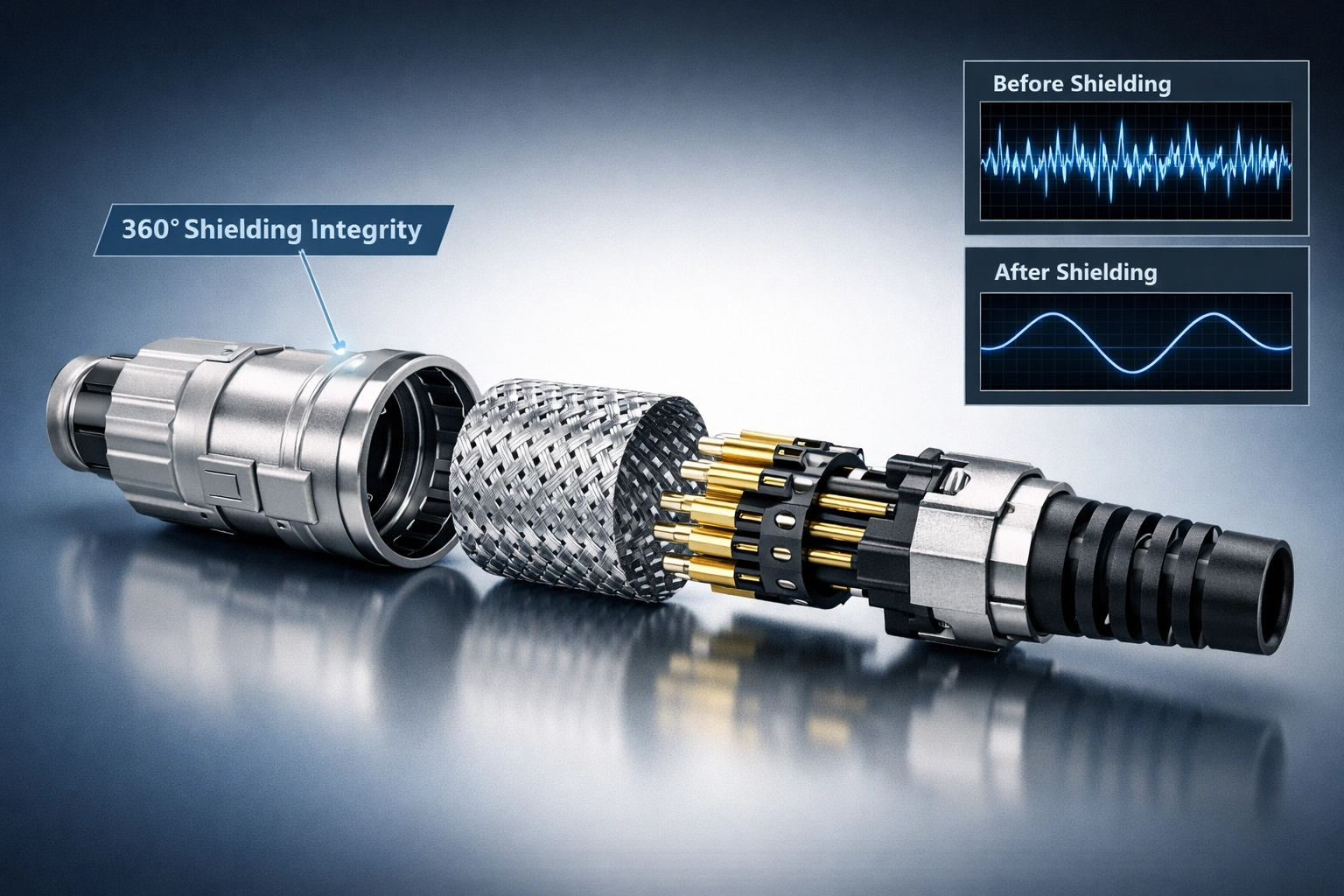
Overcoming EMI in High-Speed Automation
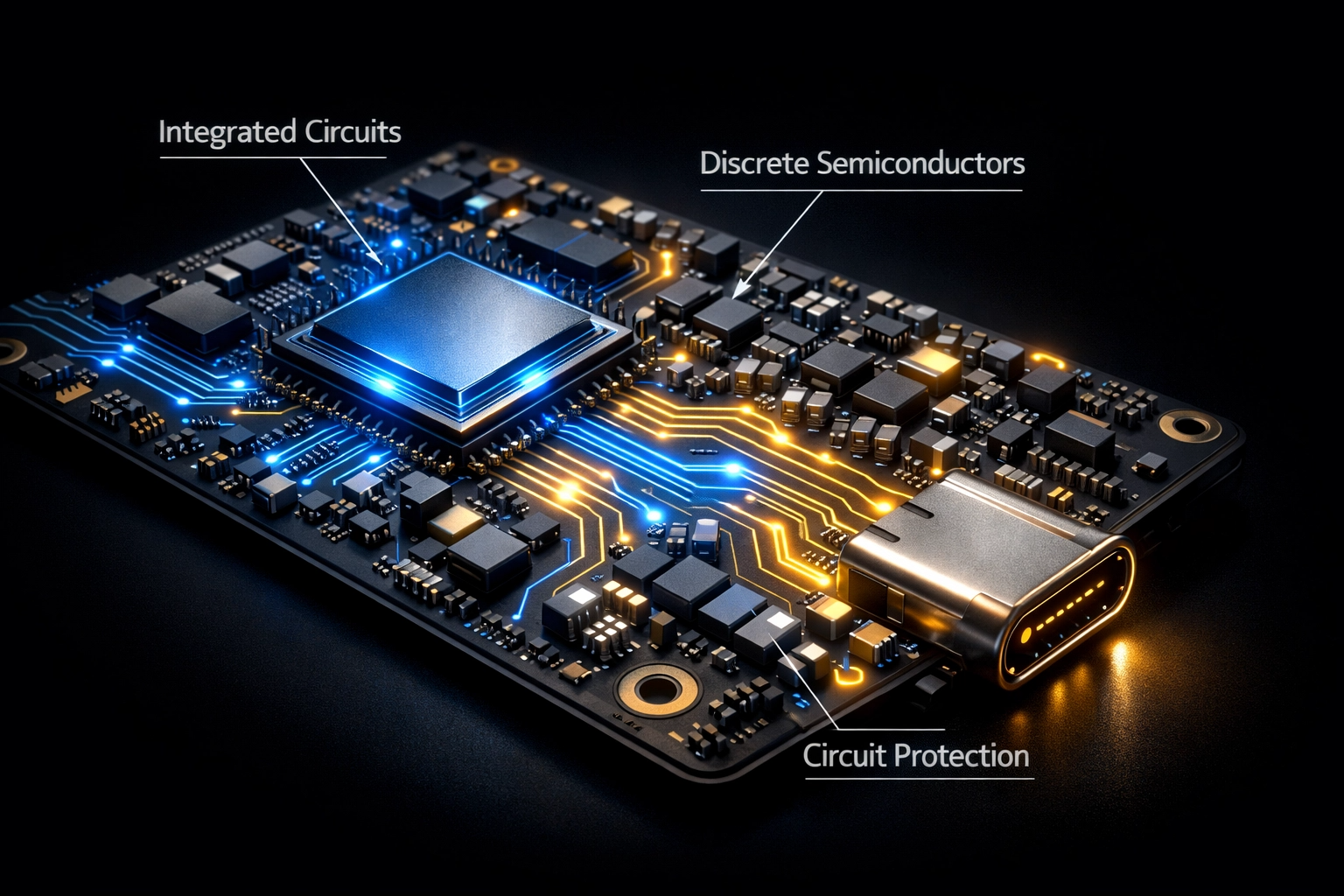
A Comprehensive Layout and Component Selection Guide
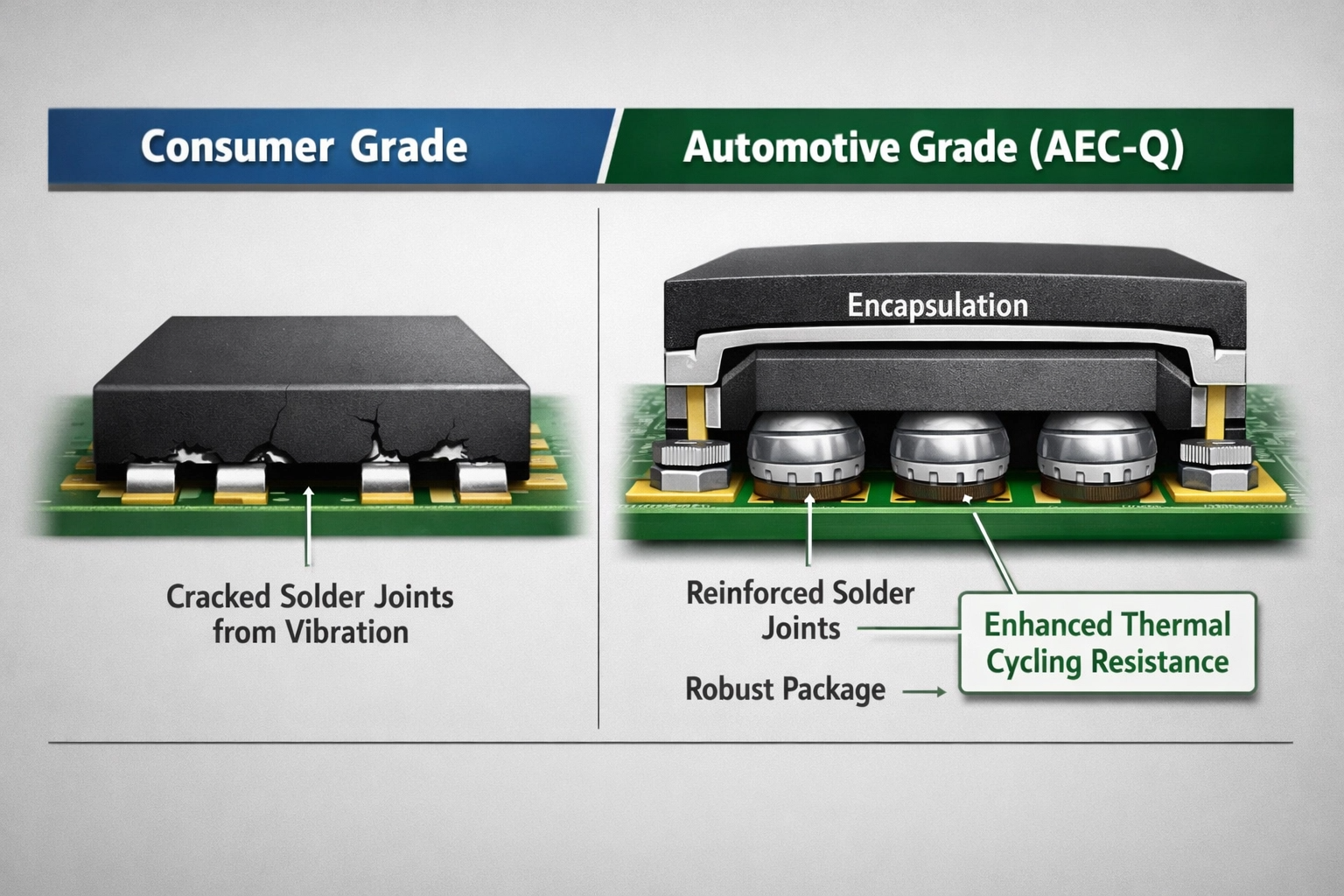
A Deep Dive into AEC-Q Standards and IATF 16949 Compliance






"Finding reliable high-voltage contactors for our EV platform was a major bottleneck until we partnered with this team. Their stock of 800V components is impressive and, more importantly, fully traceable. The packaging was professional, ensuring no static damage during transit. Truly a lifesaver for our production line."
"We were desperately searching for specific power management chips that were on a long backorder elsewhere. They managed to ship original factory parts within 48 hours, which kept our automation project on schedule. Communication was transparent and the technical data sheets provided were accurate. Highly recommend for urgent sourcing needs."
"The quality of the magnetic hydraulic circuit breakers we received exceeded our expectations for the price point. It’s clear they have a rigorous quality inspection process in place before shipping. We've integrated their parts into our latest battery storage units with zero failure rates so far. A very dependable partner for long-term supply."
"In this industry, trust is everything, especially when dealing with high-voltage fuses and relays. This company consistently provides genuine products that meet our strict safety certifications for the EU market. Their team is knowledgeable and helped us navigate the technical nuances of the components. Their export logistics to Spain are seamless."
"Managing End-of-Life (EOL) components is a constant struggle, but their database for legacy ICs is a goldmine. I was able to secure a batch of LCD driver ICs that our previous suppliers claimed were impossible to find. Every chip was tested and worked perfectly in our HMI repair prototypes. They are now my go-to for hard-to-find semiconductors."
"I appreciate how they handle smaller, specialized orders with the same urgency as bulk shipments. We needed specific pressure sensors for a fleet of diesel engines, and they arrived in the UK perfectly labeled and documented. Their attention to detail on the commercial invoice made customs clearance a breeze. Great service and even better product quality."
