 EN
EN

is-data-storage-essential-for-embedded-systems-and-smart-electronic-devices, is-data-storage-essential-for-embedded-systems-and-smart-electronic-devices, /news
EN
2026/09/08
Data storage has become fundamental to modern embedded systems and smart electronic devices. Without reliable data storage capabilities, these systems cannot function effectively in today's connected world. Organizations deploying embedded solutions must understand that data storage is not merely an optional feature but a core requirement that directly impacts system performance, reliability, and operational success. The question is no longer whether data storage is essential, but rather how to implement it optimally for specific applications.
Embedded systems operate across countless industries, from automotive and industrial automation to healthcare and consumer electronics. Each application relies on data storage to capture sensor readings, maintain configuration settings, log system events, and enable intelligent decision-making. The integration of data storage within embedded architectures transforms passive devices into intelligent systems capable of processing, learning, and responding to real-world conditions. Understanding the role of data storage in embedded systems is essential for engineers, product developers, and technical decision-makers.
Data storage enables embedded systems to operate independently and intelligently. When devices include local data storage capabilities, they can retain operational parameters, calibration data, and historical information without relying on external connectivity. This independence is critical for edge computing applications where internet access is limited or unreliable. Data storage solutions embedded within smart devices allow for faster decision-making because systems access information locally rather than waiting for cloud responses. The performance benefits of local data storage directly translate to reduced latency and improved system responsiveness.
Real-time embedded applications cannot tolerate network delays or dependency on distant servers. Industrial sensors, medical monitoring devices, and autonomous systems require instantaneous access to stored calibration data, threshold values, and historical baselines. Data storage integrated into these systems ensures consistent performance regardless of network conditions. Engineers designing embedded systems understand that data storage is not simply about archiving information; it is about enabling the system to function with speed and reliability in mission-critical scenarios.
Embedded systems must maintain data integrity across power cycles, system failures, and unexpected disruptions. Data storage provides the persistence layer that preserves critical information even when devices lose power. Smart electronic devices equipped with non-volatile data storage can resume operations seamlessly after unexpected shutdowns, recovering their operational state without data loss. This reliability is essential for applications like industrial controllers, medical devices, and IoT sensors that cannot afford information corruption or system state inconsistency.
System failures and unexpected interruptions are inevitable in real-world deployments. Devices implementing robust data storage mechanisms protect against information loss and ensure regulatory compliance in sensitive applications. Healthcare devices, for example, must maintain accurate patient data and treatment records through data storage even during equipment failures. The reliability provided by proper data storage implementation directly impacts system uptime, operational continuity, and organizational risk management.
Internet of Things devices depend heavily on data storage to function as intelligent edge nodes. Smart sensors deployed in manufacturing facilities, environmental monitoring systems, and building automation platforms capture continuous streams of data. Local data storage enables these devices to buffer sensor readings, perform local analytics, and transmit only processed insights rather than raw data volumes. This approach reduces bandwidth requirements, improves energy efficiency, and enables faster response times. IoT architectures built on embedded data storage principles can scale more effectively and operate more cost-efficiently than purely cloud-dependent alternatives.
Edge intelligence powered by data storage transforms how organizations process information. Devices can identify anomalies, trigger alerts, and execute corrective actions without waiting for cloud analysis. Manufacturing systems using edge-based data storage detect equipment failures earlier, reducing downtime and maintenance costs. Smart city infrastructure powered by embedded data storage responds more quickly to traffic, environmental, and safety conditions. The combination of embedded processing and local data storage creates resilient, responsive systems that serve business objectives more effectively.
Modern vehicles and industrial controllers require sophisticated data storage implementations to manage complex operations and maintain safety standards. Automotive embedded systems use data storage to retain engine parameters, diagnostic codes, driver preferences, and safety system configurations. These systems must preserve data integrity during harsh operating conditions, temperature extremes, and electromagnetic interference. Industrial controllers similarly depend on data storage to maintain production schedules, track equipment performance, and log compliance events. The criticality of these applications demonstrates that data storage is absolutely essential for modern embedded systems in these sectors.
Regulatory requirements in automotive and industrial sectors mandate comprehensive data logging and event tracking capabilities. Data storage solutions within embedded controllers enable these systems to maintain audit trails, document system behavior, and support forensic analysis when needed. Vehicles require data storage to operate advanced driver assistance systems, manage battery systems in electric vehicles, and support over-the-air firmware updates. Industrial systems use embedded data storage to optimize production efficiency, predict maintenance needs, and ensure operational safety. These applications underscore that data storage is a fundamental requirement for modern embedded systems.
Choosing appropriate data storage technology requires careful analysis of application requirements, environmental conditions, and performance expectations. Embedded systems may use Flash memory, EEPROM, NVRAM, or specialized storage controllers depending on access speed requirements, data volume, and cost constraints. Engineers must evaluate data retention requirements, write cycle limitations, and environmental durability when selecting data storage solutions. The decision about which data storage technology to implement affects system cost, power consumption, reliability, and long-term maintainability. A well-selected data storage approach can significantly enhance system performance and operational longevity.
Capacity planning for data storage must account for current needs and anticipated future growth. Systems that underestimate data storage requirements may fail prematurely or require expensive redesigns. Conversely, over-provisioning data storage increases costs and power consumption unnecessarily. Engineers analyze data accumulation patterns, retention policies, and compression opportunities to optimize data storage capacity allocation. The strategic selection of data storage capacity ensures systems remain viable throughout their operational lifetime while managing cost and power budgets effectively.
Data storage in embedded systems requires robust security measures to protect sensitive information and prevent unauthorized access. Encryption of data storage protects confidential information, ensures compliance with data protection regulations, and maintains system integrity. Smart electronic devices storing personal information, financial data, or proprietary algorithms must implement data storage security mechanisms appropriate to their threat environment. The implementation of secure data storage protects organizational reputation, ensures customer trust, and supports regulatory compliance requirements.
Data protection strategies for embedded data storage include encryption, access controls, secure boot mechanisms, and tamper detection. Systems deployed in untrusted environments require particularly sophisticated data storage security implementations to resist attacks and unauthorized information extraction. Healthcare devices, financial terminals, and security systems depend on encrypted data storage to maintain confidentiality and prevent compromise. The security of embedded data storage directly impacts the trustworthiness and reliability of smart electronic devices across all industries and applications.
Most modern embedded systems cannot function effectively without some form of data storage. While simple devices with hardcoded operations might operate without local storage, contemporary smart electronic devices require data storage to maintain configuration, store sensor readings, log events, and enable intelligent processing. Systems without adequate data storage cannot adapt to changing conditions, cannot maintain state across power cycles, and cannot support edge intelligence. Even minimal embedded systems benefit from at least some data storage capacity for operational parameters and diagnostic information.
The data storage requirements for embedded systems vary dramatically depending on application, industry, and operational complexity. Simple sensor devices might require only kilobytes of storage for configuration and calibration data. Industrial controllers might need megabytes to gigabytes for historical logs, production data, and system state information. IoT devices buffering sensor data may need substantial storage capacity depending on transmission intervals and network availability. Engineers must analyze specific application requirements to determine appropriate data storage capacity, balancing system cost against operational needs and future scalability requirements.
Implementation challenges for embedded data storage include managing power consumption, ensuring data integrity across environmental extremes, handling limited physical space, implementing security measures, and managing the complexity of storage technology selection. Embedded systems operating in harsh environments face particular challenges maintaining data storage reliability. Power-constrained devices must minimize the energy consumption of data storage operations. Space-limited designs require compact storage solutions. Security requirements demand encryption and protection mechanisms that add complexity and reduce available storage capacity. Engineers must balance these competing demands when implementing data storage solutions for embedded systems.
The electronic components market is constantly evolving. From global supply chain updates to the latest semiconductor technology trends, our blog provides the professional perspective you need to stay informed and competitive.
Overcoming EMI in High-Speed Automation
A Comprehensive Layout and Component Selection Guide
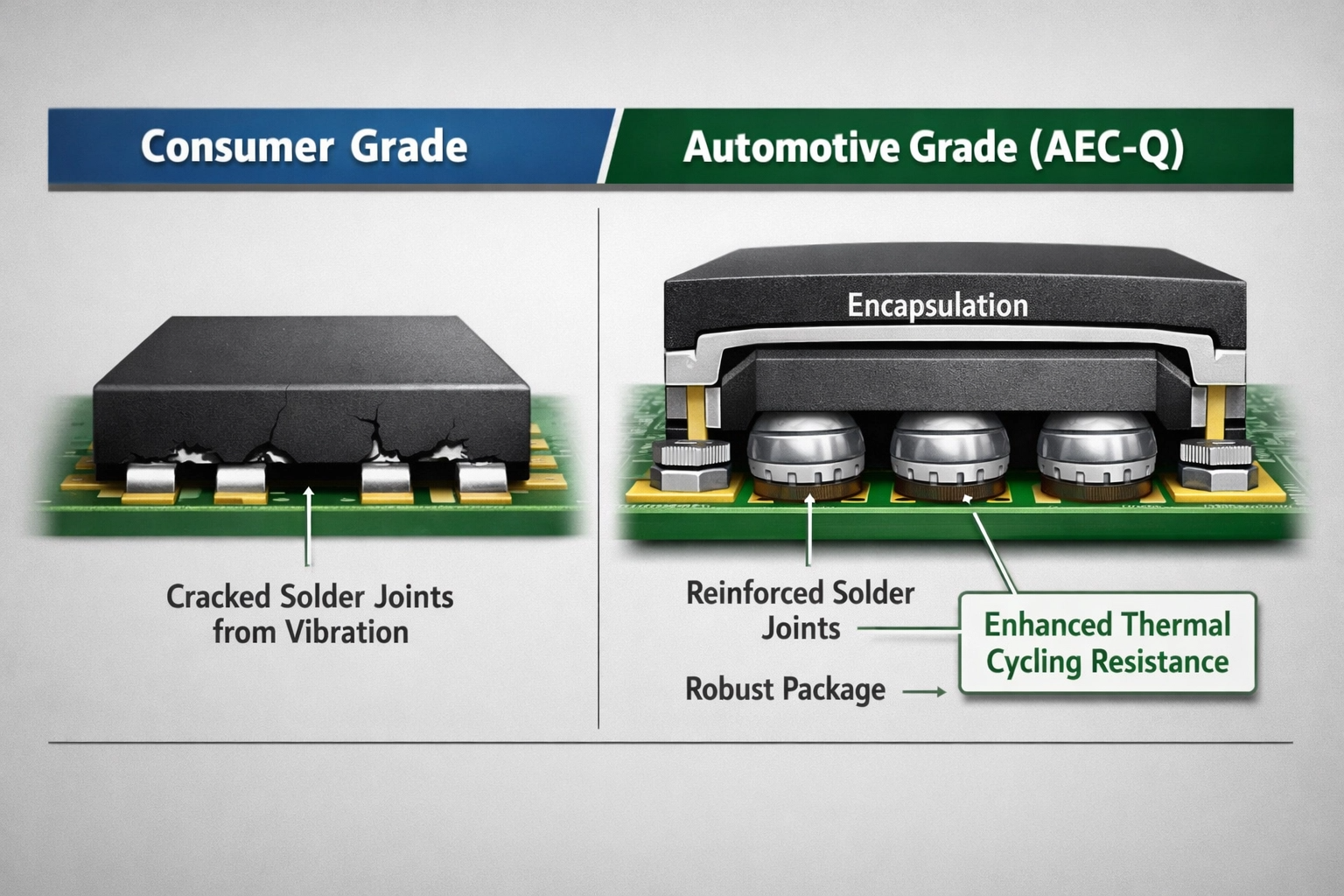
A Deep Dive into AEC-Q Standards and IATF 16949 Compliance






"Finding reliable high-voltage contactors for our EV platform was a major bottleneck until we partnered with this team. Their stock of 800V components is impressive and, more importantly, fully traceable. The packaging was professional, ensuring no static damage during transit. Truly a lifesaver for our production line."
"We were desperately searching for specific power management chips that were on a long backorder elsewhere. They managed to ship original factory parts within 48 hours, which kept our automation project on schedule. Communication was transparent and the technical data sheets provided were accurate. Highly recommend for urgent sourcing needs."
"The quality of the magnetic hydraulic circuit breakers we received exceeded our expectations for the price point. It’s clear they have a rigorous quality inspection process in place before shipping. We've integrated their parts into our latest battery storage units with zero failure rates so far. A very dependable partner for long-term supply."
"In this industry, trust is everything, especially when dealing with high-voltage fuses and relays. This company consistently provides genuine products that meet our strict safety certifications for the EU market. Their team is knowledgeable and helped us navigate the technical nuances of the components. Their export logistics to Spain are seamless."
"Managing End-of-Life (EOL) components is a constant struggle, but their database for legacy ICs is a goldmine. I was able to secure a batch of LCD driver ICs that our previous suppliers claimed were impossible to find. Every chip was tested and worked perfectly in our HMI repair prototypes. They are now my go-to for hard-to-find semiconductors."
"I appreciate how they handle smaller, specialized orders with the same urgency as bulk shipments. We needed specific pressure sensors for a fleet of diesel engines, and they arrived in the UK perfectly labeled and documented. Their attention to detail on the commercial invoice made customs clearance a breeze. Great service and even better product quality."
