 EN
EN

what-factors-affect-performance-of-a-surge-suppressor-in-commercial-use, what-factors-affect-performance-of-a-surge-suppressor-in-commercial-use, /news
EN
2026/08/24
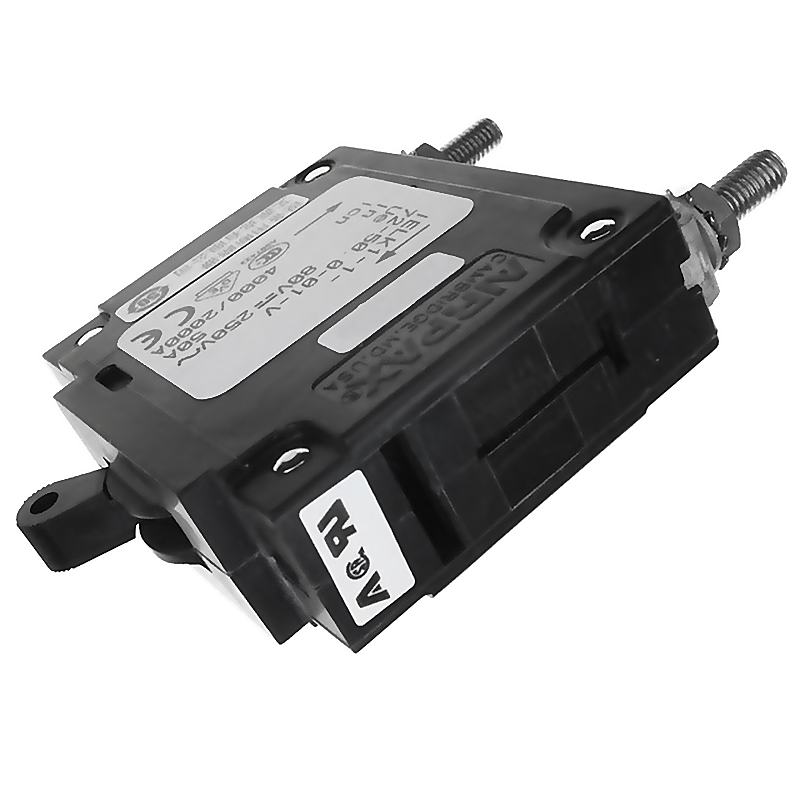
A surge suppressor is an essential component in protecting commercial electrical systems from voltage transients and power spikes that can damage sensitive equipment. Understanding the factors that affect surge suppressor performance is critical for facility managers, engineers, and procurement professionals who need to ensure reliable protection across their operations. The effectiveness of a surge suppressor depends on multiple interconnected variables, from technical specifications to environmental conditions and installation practices. This comprehensive guide explores the key performance factors that determine how well a surge suppressor operates in commercial settings.
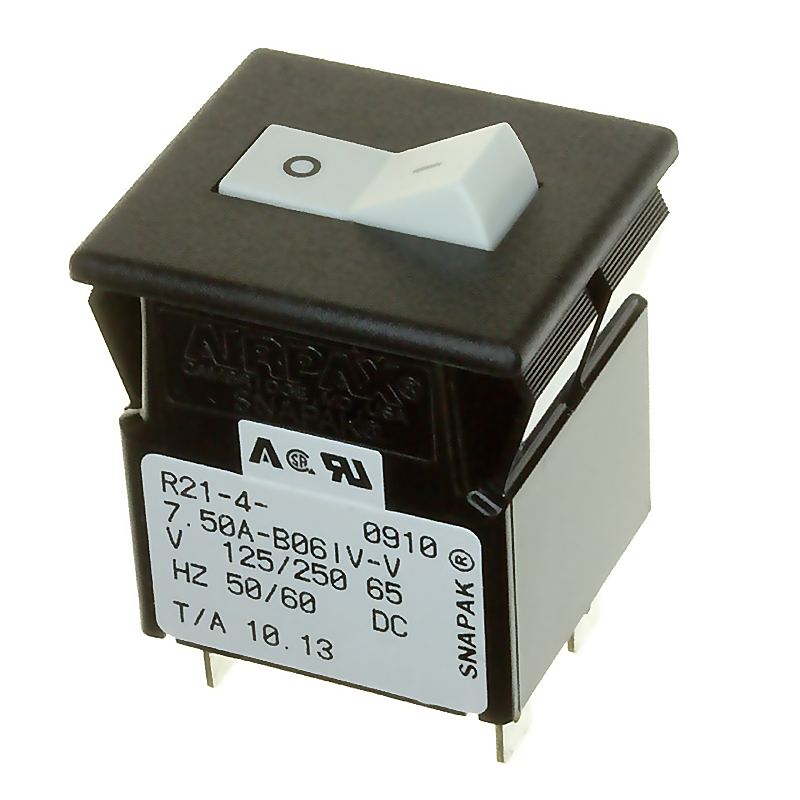
Commercial environments present unique challenges for surge suppression because they involve complex electrical networks, diverse load profiles, and higher voltage requirements than residential systems. A surge suppressor must be engineered to handle the specific demands of industrial and commercial facilities while maintaining consistent performance under stress. Selecting and deploying the right surge suppressor requires knowledge of how various technical and operational factors influence its ability to protect equipment and maintain system integrity during electrical disturbances.
The voltage rating of a surge suppressor determines its safe operating range and effectiveness in a given electrical system. Each surge suppressor is designed for specific voltage levels, typically 120V, 208V, 277V, or 480V in commercial applications. The nominal voltage rating must match the electrical system it protects, and the surge suppressor must handle peak voltage transients without degradation. Operating a surge suppressor outside its rated voltage range compromises its protective capability and can lead to component failure or inadequate suppression during surge events.
Let-through voltage is a critical metric that measures how much voltage actually reaches connected equipment when a surge occurs. A high-quality surge suppressor reduces this voltage to safe levels, typically to under 400V for most commercial applications, depending on the surge suppressor design. The lower the let-through voltage of a surge suppressor, the better protection it provides to sensitive electronic loads like servers, control systems, and industrial instrumentation. Manufacturers specify this performance characteristic to help engineers evaluate whether a particular surge suppressor meets the protection requirements of their equipment.
Response time, measured in nanoseconds, indicates how quickly a surge suppressor reacts to a voltage transient. Most modern surge suppressor products respond within 1 to 5 nanoseconds, which is fast enough to protect equipment before damage occurs. Commercial applications with high-speed networks, sensitive microprocessors, and precision instrumentation require a surge suppressor with minimal response delay. If a surge suppressor is too slow, transient energy can pass through and cause failure in downstream components before the surge suppressor can clamp the voltage.
The ability of a surge suppressor to handle peak current during a surge event directly affects its performance and longevity. Commercial facilities may experience surges ranging from 10,000 to 200,000 amps, depending on the proximity to lightning strike points and utility substations. A surge suppressor rated for higher peak current capacity can absorb and dissipate more energy without degradation. This specification is essential because undersized surge suppressor units can fail prematurely or allow voltage spikes to damage protected equipment during high-energy surge events.
The placement of a surge suppressor within the electrical distribution system significantly affects its overall performance and protection effectiveness. Installing a surge suppressor at the main service entrance provides the first line of defense against utility-level surges and lightning-induced transients. This primary surge suppressor location protects the entire building infrastructure, but additional surge suppressor units at sub-panels and individual circuits provide supplementary protection for sensitive loads. The coordination between multiple surge suppressor levels, called cascading protection, ensures comprehensive coverage while preventing voltage coordination issues.
Temperature, humidity, and ambient operating conditions affect how well a surge suppressor maintains performance over its service life. Surge suppressor components like metal oxide varistors (MOVs) and surge protection diodes degrade faster when exposed to elevated temperatures or thermal cycling. Commercial facilities with harsh environments—such as manufacturing plants with high heat, data centers with dense equipment, or facilities near coastal areas with salt-laden air—experience accelerated surge suppressor aging.
The impedance characteristics of a surge suppressor must align with the electrical system it protects to ensure optimal performance. When impedance is mismatched, a surge suppressor may not effectively clamp fast-rising transients, allowing partial voltage spikes to reach connected equipment. Waveform analysis shows that quality surge suppressor designs account for different surge shapes and frequencies to provide consistent protection across various transient events. Engineers selecting a surge suppressor must verify that its impedance profile matches the system characteristics and connected load requirements.
A surge suppressor must work in coordination with other protective devices like circuit breakers, fuses, and disconnects to maintain system reliability. Poor coordination between a surge suppressor and downstream protection devices can cause unwanted nuisance trips or fail-open conditions that leave equipment unprotected. Commercial electrical systems benefit from comprehensive surge suppressor planning that considers the entire protection hierarchy. Proper surge suppressor coordination ensures that when a surge event occurs, the protective response is controlled and maintains service continuity for critical loads.
Different types of commercial equipment have varying sensitivity to voltage transients, which influences the surge suppressor requirements for each circuit. Variable frequency drives, solid-state controls, and modern switching power supplies are particularly vulnerable to steep-fronted voltage spikes that a surge suppressor must attenuate. The surge suppressor protection level must be tailored to the withstand capability of the most sensitive connected equipment to ensure adequate safety margins. Oversizing a surge suppressor provides additional safety but may increase cost, while undersizing leaves equipment vulnerable to damage.
A surge suppressor must handle not only surge events but also the steady-state voltage fluctuations inherent in commercial power distribution. High-power equipment like welders, motors, and HVAC compressors create power quality variations that a surge suppressor must accommodate without performance degradation. The continuous power-handling capability of a surge suppressor, separate from its surge energy dissipation rating, ensures sustained protection under normal operating conditions. Commercial facilities with significant load variations benefit from surge suppressor designs that maintain stable clamping voltage across a wide current range.
Modern surge suppressor units include status indicators that signal when components have degraded and the surge suppressor has lost effectiveness. These indicators, typically LEDs or remote monitoring signals, allow facility managers to schedule surge suppressor replacement before protection is compromised. Some advanced surge suppressor systems provide telemetry data showing surge event frequency and severity, enabling predictive maintenance strategies. Regular inspection of surge suppressor status indicators is essential to ensure continuous protection and prevent unexpected equipment failures due to compromised surge suppression.
The service life of a surge suppressor depends on the number and magnitude of surge events it experiences, as well as environmental factors. Most surge suppressor components have rated lifespans of 5 to 10 years, but this varies based on local power quality conditions. Commercial facilities in high-lightning-risk areas may need to replace surge suppressor units more frequently than those in stable power environments.
Most commercial equipment can tolerate let-through voltages up to 400V without immediate damage, making this a standard target for surge suppressor design. However, sensitive equipment like computer networks and programmable controllers may require lower let-through voltages from a surge suppressor, typically under 330V. The specific requirement depends on the equipment manufacturer's specifications, so engineers should consult these ratings when selecting an appropriate surge suppressor for critical loads.
A surge suppressor should be inspected annually and tested for proper operation using specialized equipment that verifies clamping voltage and response characteristics. Replacement is typically needed every 5 to 10 years, or sooner if the surge suppressor status indicator shows degradation or if the facility experiences frequent power surges. High-risk areas near lightning-prone regions may require more frequent surge suppressor replacement cycles to maintain reliable protection.
A main-panel surge suppressor provides the first level of protection for the entire building, but complete protection requires additional surge suppressor units at sub-panels and individual circuits serving sensitive equipment. This cascading surge suppressor approach prevents voltage coordination problems and ensures that no single point of failure compromises protection for critical loads. Most commercial surge suppressor best practices recommend coordinated multi-level protection rather than relying on a single surge suppressor device.
The electronic components market is constantly evolving. From global supply chain updates to the latest semiconductor technology trends, our blog provides the professional perspective you need to stay informed and competitive.
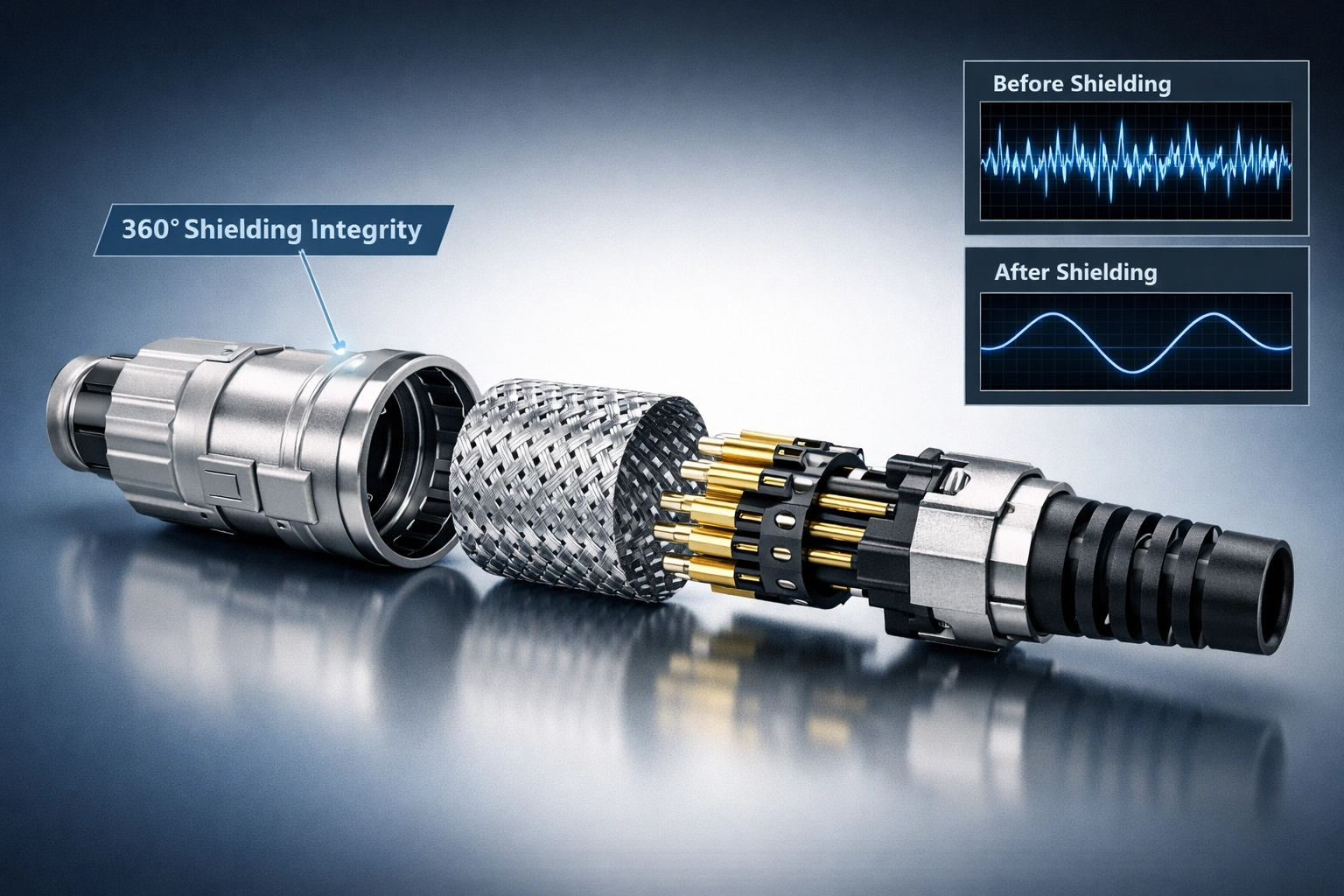
Overcoming EMI in High-Speed Automation
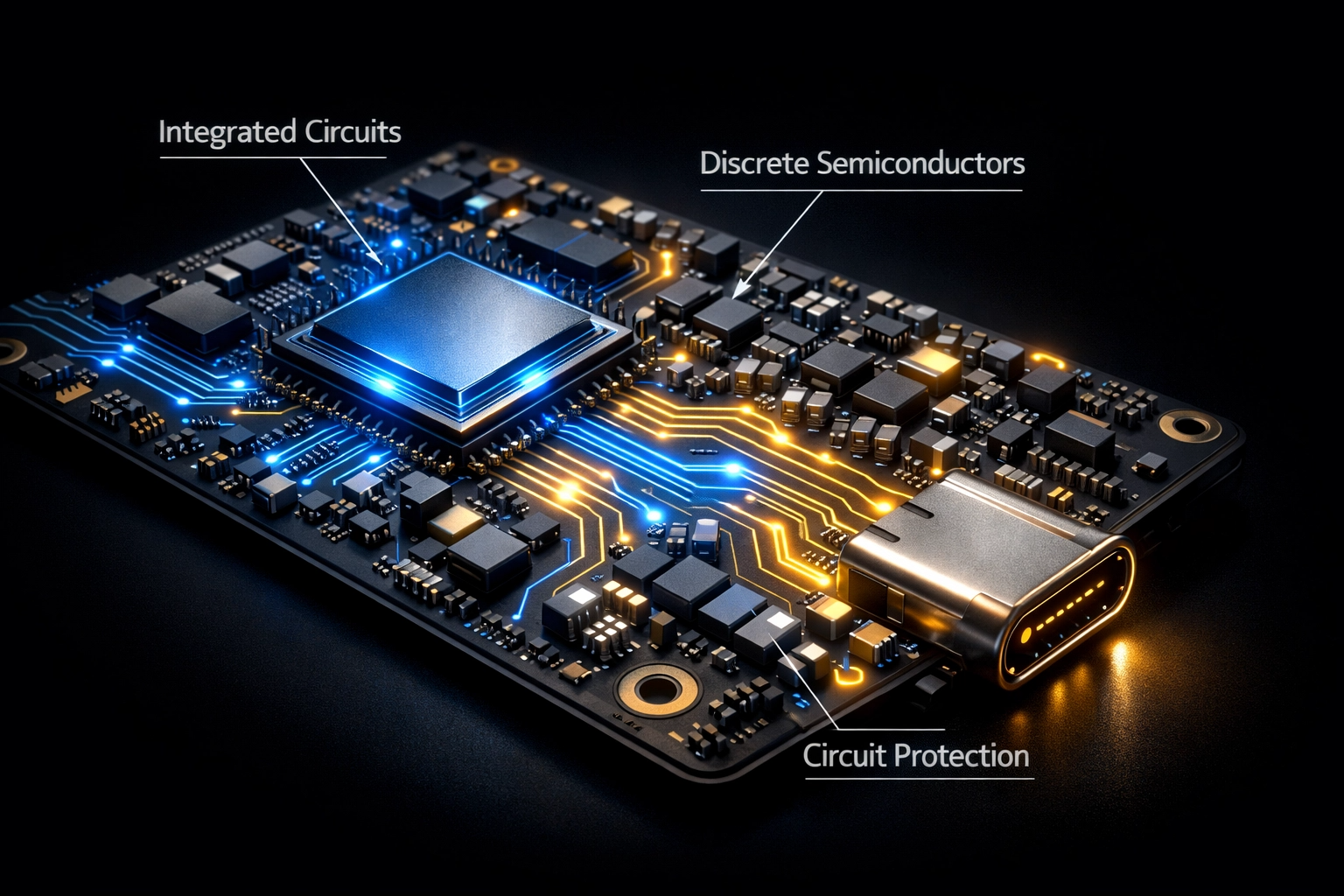
A Comprehensive Layout and Component Selection Guide
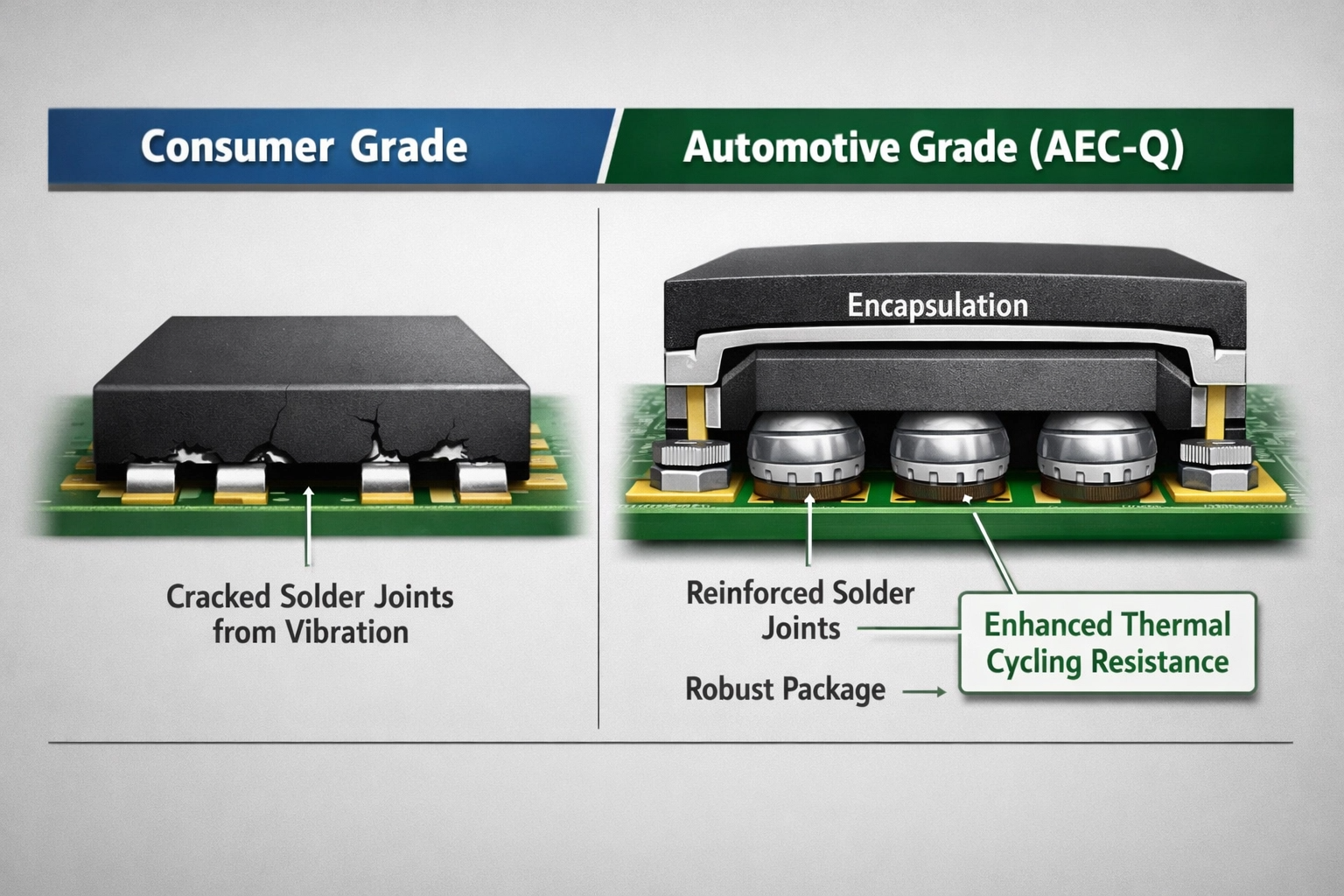
A Deep Dive into AEC-Q Standards and IATF 16949 Compliance







"Finding reliable high-voltage contactors for our EV platform was a major bottleneck until we partnered with this team. Their stock of 800V components is impressive and, more importantly, fully traceable. The packaging was professional, ensuring no static damage during transit. Truly a lifesaver for our production line."
"We were desperately searching for specific power management chips that were on a long backorder elsewhere. They managed to ship original factory parts within 48 hours, which kept our automation project on schedule. Communication was transparent and the technical data sheets provided were accurate. Highly recommend for urgent sourcing needs."
"The quality of the magnetic hydraulic circuit breakers we received exceeded our expectations for the price point. It’s clear they have a rigorous quality inspection process in place before shipping. We've integrated their parts into our latest battery storage units with zero failure rates so far. A very dependable partner for long-term supply."
"In this industry, trust is everything, especially when dealing with high-voltage fuses and relays. This company consistently provides genuine products that meet our strict safety certifications for the EU market. Their team is knowledgeable and helped us navigate the technical nuances of the components. Their export logistics to Spain are seamless."
"Managing End-of-Life (EOL) components is a constant struggle, but their database for legacy ICs is a goldmine. I was able to secure a batch of LCD driver ICs that our previous suppliers claimed were impossible to find. Every chip was tested and worked perfectly in our HMI repair prototypes. They are now my go-to for hard-to-find semiconductors."
"I appreciate how they handle smaller, specialized orders with the same urgency as bulk shipments. We needed specific pressure sensors for a fleet of diesel engines, and they arrived in the UK perfectly labeled and documented. Their attention to detail on the commercial invoice made customs clearance a breeze. Great service and even better product quality."
