 EN

what-factors-affect-thermal-stability-of-an-igbt-module-during-operation, what-factors-affect-thermal-stability-of-an-igbt-module-during-operation, /news
EN
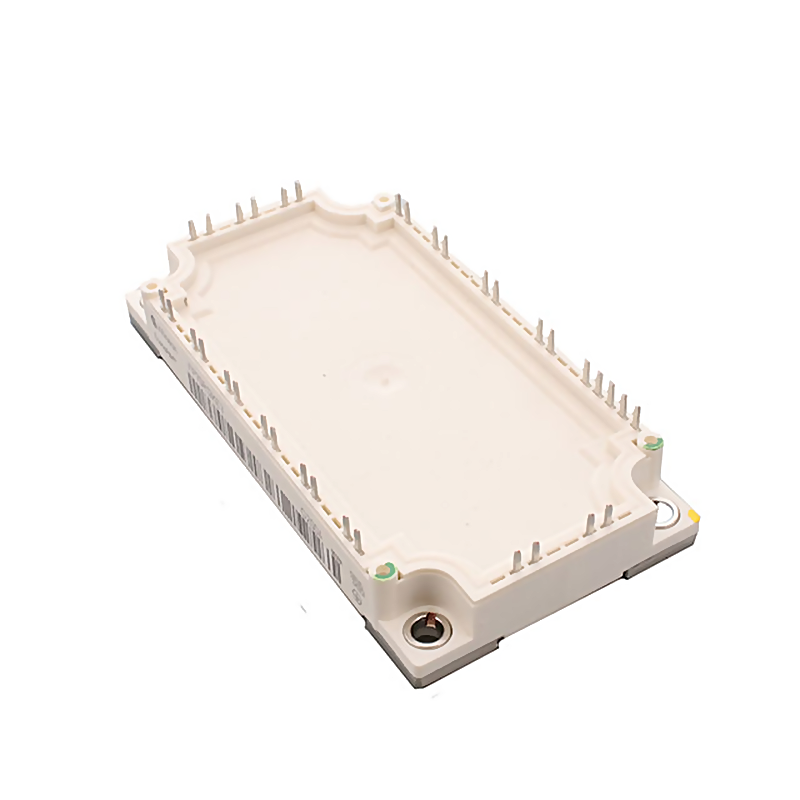
The thermal stability of an IGBT module is critical to reliable power conversion performance in industrial and energy applications. Understanding the factors that influence IGBT module behavior during operation helps engineers design safer, more efficient systems that maintain performance across demanding duty cycles. Thermal stability directly affects the lifespan, switching efficiency, and safety margins of power electronic systems that depend on IGBT module technology.
An IGBT module operates under continuous electrical and thermal stress that can degrade semiconductor properties and reduce operational margins over time. The factors that affect thermal stability of an IGBT module are interconnected and require careful analysis during system design and field operation. Managing these factors ensures consistent performance, extends equipment life, and prevents thermal runaway conditions that damage power systems.
Junction temperature is the primary factor influencing IGBT module performance and thermal stability. As an IGBT module heats up, the threshold voltage decreases, on-state voltage increases, and switching losses rise in predictable but complex patterns. The relationship between junction temperature and forward voltage drop in an IGBT module becomes more pronounced at higher currents, creating feedback loops that can destabilize thermal conditions if not managed. Each rise in junction temperature causes the IGBT module to generate more heat, potentially accelerating thermal instability if cooling capacity is insufficient. The thermal coefficient of an IGBT module—how its electrical properties change with temperature—directly determines whether the device self-regulates or enters thermal runaway.
Within an IGBT module, multiple semiconductor junctions are in close thermal proximity, creating parasitic coupling effects that influence overall stability. The internal temperature distribution across an IGBT module is never uniform; hotspots develop where current density is highest, and these regions can reach significantly higher temperatures than the average case temperature. An IGBT module with poor thermal design experiences more pronounced hotspots, which reduces the safety margin and accelerates localized degradation. Understanding how current flows through multiple chips within an IGBT module helps identify which regions are most thermally stressed and require improved cooling design.
The effectiveness of heat removal from an IGBT module depends directly on the thermal resistance between the junction and the ambient environment. Every layer in the thermal path—from silicon die to solder, from baseplate to heatsink, and from heatsink to ambient air—contributes resistance that reduces cooling efficiency. An IGBT module with high thermal resistance generates higher junction temperatures under identical load conditions compared to a module with optimized package design. Advances in IGBT module packaging, such as direct copper bonding and improved solder materials, significantly reduce thermal resistance pathways. The thermal stability of an IGBT module can be dramatically improved by selecting packaging technology that minimizes the total thermal resistance from junction to case.
The external cooling system plays an equally important role in maintaining IGBT module thermal stability as the device packaging itself. Heatsink material, fin geometry, surface area, and mounting pressure all affect the rate at which heat transfers away from an IGBT module during operation. Liquid cooling systems provide superior heat transfer performance compared to air cooling, enabling higher current densities and more stable junction temperatures in high-power applications. The cooling medium's specific heat capacity, thermal conductivity, and flow rate determine whether an IGBT module can maintain acceptable junction temperatures under continuous high-current operation. Inadequate heatsink design or cooling medium choice forces an IGBT module to operate at elevated temperatures, reducing reliability and shortening equipment life.
The current level flowing through an IGBT module directly determines both conduction losses and switching losses, both of which generate heat that affects thermal stability. Higher current density increases ohmic losses in the semiconductor material and contact resistances, creating more heat in the same physical area of an IGBT module. Switching frequency affects how often the IGBT module transitions between on and off states, with higher frequencies generating more switching losses per unit time. An IGBT module operated near its maximum rated current or beyond its recommended switching frequency experiences thermal stress that rapidly degrades thermal stability. The interaction between current, frequency, and junction temperature creates a dynamic thermal environment that requires careful control to maintain stable operation.
Continuous operation at high current creates sustained thermal stress, while intermittent operation allows an IGBT module to cool between pulses. An IGBT module subjected to frequent thermal cycling between hot and cold states experiences mechanical stress on solder joints, die attachment, and wire bonds that accumulate over many cycles. The duty cycle of an IGBT module—the ratio of on-time to total cycle time—directly influences average junction temperature and long-term reliability. Applications requiring rapid on-off switching place additional thermal stress on an IGBT module because rapid temperature transitions can cause differential expansion between layers. Understanding the duty cycle and thermal cycling patterns of an IGBT module helps predict when reliability problems may emerge and when maintenance or replacement is necessary.
Junction temperature is the most critical factor affecting IGBT module thermal stability. When an IGBT module reaches higher temperatures, its electrical characteristics change in ways that increase heat generation, potentially leading to thermal runaway. Maintaining junction temperature below manufacturer specifications is essential for preventing degradation and ensuring long-term reliability of an IGBT module.
The packaging design of an IGBT module determines how effectively heat flows from the semiconductor die to the external environment. Low thermal resistance packaging allows an IGBT module to shed heat more efficiently, keeping junction temperatures lower under the same load conditions. Modern IGBT module packaging technologies like direct copper bonding and optimized baseplate designs significantly improve thermal stability compared to older designs.
Yes, operational strategies can substantially improve IGBT module thermal stability. Reducing peak current, lowering switching frequency, implementing proper heatsink and cooling system design, and monitoring junction temperature through feedback control all help an IGBT module maintain stable thermal conditions. Thermal management systems that actively adjust IGBT module operating parameters based on temperature monitoring can prevent thermal instability and extend equipment life.
The electronic components market is constantly evolving. From global supply chain updates to the latest semiconductor technology trends, our blog provides the professional perspective you need to stay informed and competitive.
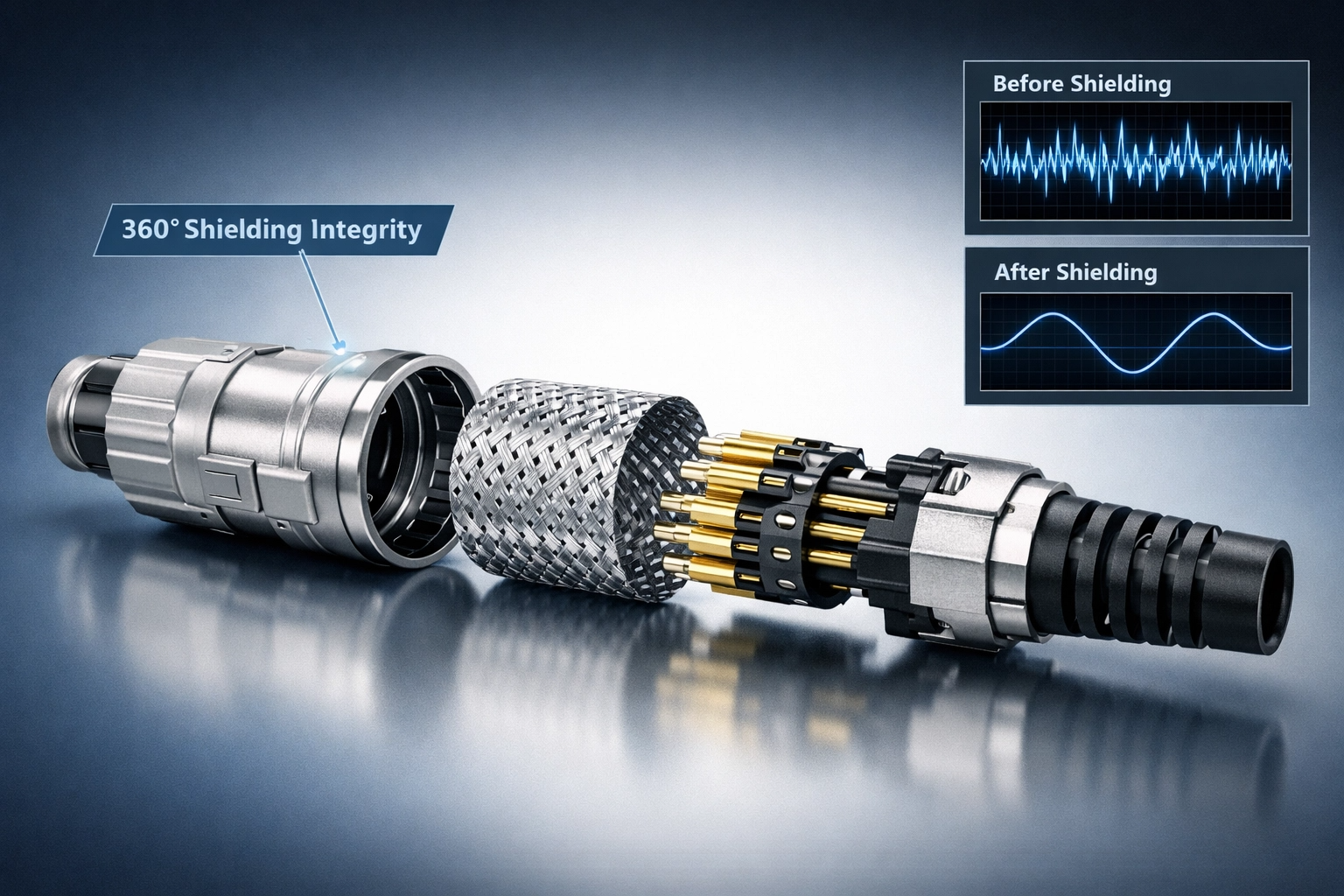
Overcoming EMI in High-Speed Automation
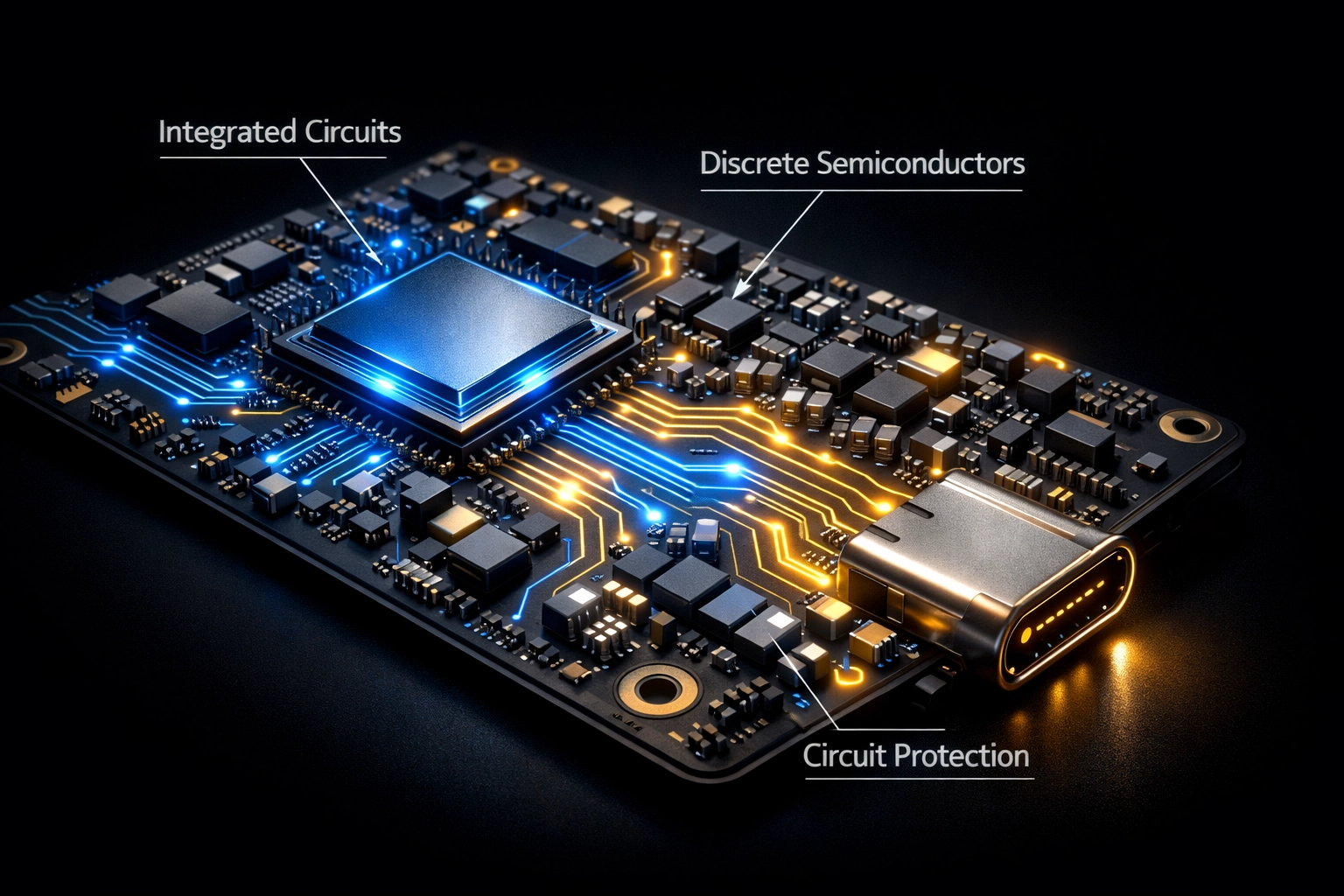
A Comprehensive Layout and Component Selection Guide
A Deep Dive into AEC-Q Standards and IATF 16949 Compliance







"Finding reliable high-voltage contactors for our EV platform was a major bottleneck until we partnered with this team. Their stock of 800V components is impressive and, more importantly, fully traceable. The packaging was professional, ensuring no static damage during transit. Truly a lifesaver for our production line."
"We were desperately searching for specific power management chips that were on a long backorder elsewhere. They managed to ship original factory parts within 48 hours, which kept our automation project on schedule. Communication was transparent and the technical data sheets provided were accurate. Highly recommend for urgent sourcing needs."
"The quality of the magnetic hydraulic circuit breakers we received exceeded our expectations for the price point. It’s clear they have a rigorous quality inspection process in place before shipping. We've integrated their parts into our latest battery storage units with zero failure rates so far. A very dependable partner for long-term supply."
"In this industry, trust is everything, especially when dealing with high-voltage fuses and relays. This company consistently provides genuine products that meet our strict safety certifications for the EU market. Their team is knowledgeable and helped us navigate the technical nuances of the components. Their export logistics to Spain are seamless."
"Managing End-of-Life (EOL) components is a constant struggle, but their database for legacy ICs is a goldmine. I was able to secure a batch of LCD driver ICs that our previous suppliers claimed were impossible to find. Every chip was tested and worked perfectly in our HMI repair prototypes. They are now my go-to for hard-to-find semiconductors."
"I appreciate how they handle smaller, specialized orders with the same urgency as bulk shipments. We needed specific pressure sensors for a fleet of diesel engines, and they arrived in the UK perfectly labeled and documented. Their attention to detail on the commercial invoice made customs clearance a breeze. Great service and even better product quality."
