 EN

what-factors-influence-performance-of-data-storage-in-industrial-applications, what-factors-influence-performance-of-data-storage-in-industrial-applications, /news
EN
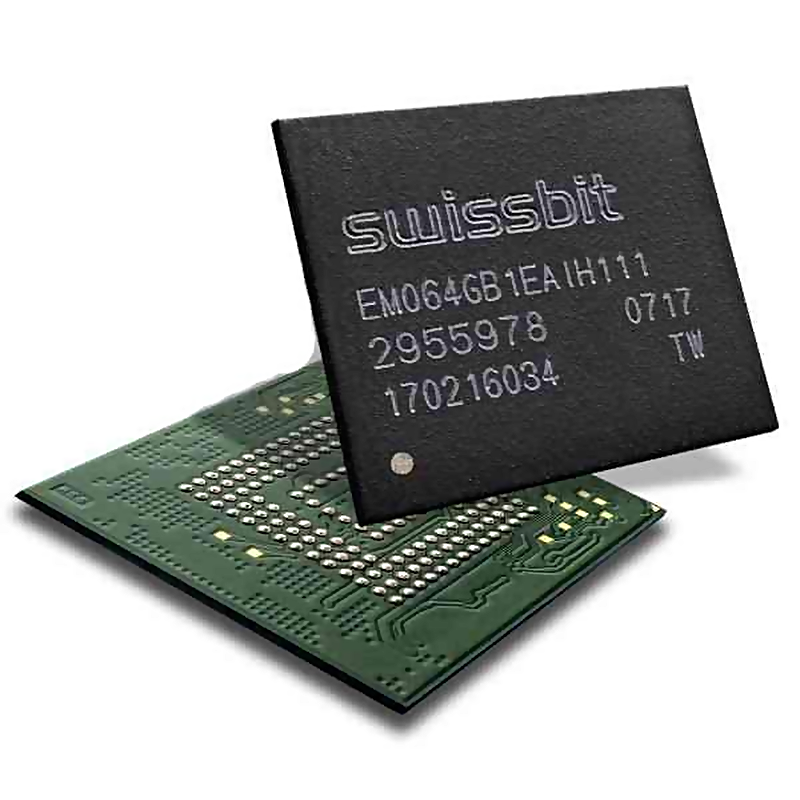
Industrial operations depend on robust data storage systems to maintain continuous workflows, ensure data integrity, and support mission-critical applications. The performance of data storage directly impacts production efficiency, system uptime, and operational costs across manufacturing facilities, energy management systems, and automation environments. Understanding the factors that influence data storage performance in industrial applications is essential for engineers, facility managers, and IT professionals tasked with selecting and optimizing storage infrastructure. This guide explores the key considerations that determine how well data storage systems perform under the demanding conditions of industrial environments.
Industrial data storage faces unique challenges that differ significantly from standard commercial environments. Temperature fluctuations, electromagnetic interference, high vibration levels, and demanding I/O patterns create conditions that test the limits of conventional storage solutions. When evaluating data storage for industrial use, performance metrics such as throughput, latency, and data access speed become critical to overall system reliability and productivity.
The speed at which data storage systems can read and write information directly correlates with production efficiency in industrial settings. High-speed interfaces enable faster data transfers between processors and storage devices, reducing bottlenecks that can slow manufacturing processes. Data storage performance depends heavily on the interface technology used, whether Serial Attached SCSI (SAS), Fibre Channel, NVMe, or Ethernet-based protocols. Industrial operations that require real-time data processing, sensor monitoring, or large file transfers benefit significantly from data storage solutions featuring faster interface speeds. The choice of interface directly impacts the maximum throughput that data storage can deliver and ultimately affects operational responsiveness.
Latency represents the delay between when a request is issued and when data storage responds with the requested data. In time-sensitive industrial applications such as process control systems or predictive maintenance monitoring, low latency is paramount. Data storage systems with minimal response times ensure that critical industrial processes receive the information they need without delay. Higher latency in data storage can cascade through entire operational chains, causing synchronization issues, missed measurements, or delayed alerts that impact safety and productivity. Industrial environments increasingly rely on data storage that prioritizes rapid response, making latency a fundamental performance factor.
Industrial facilities cannot afford unexpected downtime caused by data storage failures. Redundant Array of Independent Disks (RAID) configurations protect data storage investments by distributing data across multiple drives so that single device failures do not result in complete data loss. Data storage systems designed for industrial use typically incorporate hot-swap capabilities, allowing replacement of failed components without halting operations. Error-correcting code (ECC) memory and data validation mechanisms further strengthen data storage integrity. Facilities selecting data storage solutions must evaluate fault tolerance architecture to ensure continuous operation and data preservation under realistic industrial conditions.
Industrial environments expose data storage devices to vibration, temperature extremes, humidity variations, and electromagnetic fields that can degrade performance or cause premature failure. Data storage systems rated for wide temperature operating ranges maintain consistent performance whether conditions are extremely hot or cold. Vibration-resistant construction in data storage enclosures prevents mechanical failure and data corruption from nearby machinery. The durability of data storage components directly influences total cost of ownership, as frequent replacements and unexpected failures disrupt production schedules and generate unplanned maintenance expenses. Selecting industrial-grade data storage ensures long-term reliability in challenging operational environments.
As industrial operations accumulate larger volumes of sensor data, production logs, and process records, data storage capacity requirements expand continuously. Modular data storage systems allow facilities to add capacity incrementally without replacing existing infrastructure. Data storage architecture should support growth pathways that accommodate increasing data volumes while maintaining performance consistency. Planning data storage capacity requires understanding current and projected data generation rates, retention policies, and recovery time objectives. Scalable data storage solutions prevent the operational disruption and expense associated with complete system replacements as business needs evolve.
Data storage must integrate seamlessly with programmable logic controllers (PLCs), supervisory control and data acquisition (SCADA) systems, and industrial IoT platforms. Compatibility between data storage interfaces and control system architectures directly influences system performance and ease of implementation. Data storage solutions supporting multiple connectivity protocols ensure flexibility across diverse industrial environments. Network-attached data storage, direct-attached configurations, and embedded storage each offer different performance characteristics and integration pathways. Industrial engineers must evaluate how data storage options align with existing and planned system architectures to maximize operational efficiency.
Data storage components generate heat during operation, and adequate thermal management prevents performance degradation and extends device lifespan. Industrial facilities with limited air conditioning or extreme ambient temperatures must select data storage rated for operating conditions in their specific environment. Data storage thermal specifications define safe operating ranges; exceeding these limits reduces data access speeds and increases failure risk. Proper ventilation, heat dissipation design, and thermal monitoring of data storage systems are essential operational practices in harsh industrial settings.
Heavy machinery, transportation systems, and production equipment generate vibration that can compromise conventional data storage reliability. Industrial-grade data storage products incorporate mechanical stabilization and shock absorption to withstand vibration exposure. The frequency and amplitude of vibration in industrial environments determine the shock resistance specifications required for data storage components. Data storage systems lacking adequate vibration protection experience increased head crashes, read errors, and unpredictable failures that disrupt operations.
While multiple factors contribute to overall performance, data storage reliability and fault tolerance are often the most critical considerations in industrial environments. Production downtime resulting from data storage failure costs significantly more than premium investments in redundant, robust systems. However, specific priorities vary based on individual operational requirements such as data volume, processing speed demands, or environmental constraints. A comprehensive evaluation should assess data storage reliability alongside interface speed, latency, and environmental resilience for your particular application.
Temperature directly influences data storage performance and longevity through effects on component reliability and thermal stability. As data storage devices heat up, internal electronic circuits may slow, and mechanical components may expand or contract, causing alignment issues. Industrial data storage solutions specify maximum and minimum operating temperatures; exceeding these limits reduces data access speeds and increases failure probability. Facilities in temperature-extreme regions must specifically select data storage rated for their environmental conditions and implement adequate cooling infrastructure.
Standard commercial data storage may function temporarily in some industrial settings but typically lacks the robustness, fault tolerance, and environmental resilience required for reliable long-term operation. Commercial data storage often fails prematurely when exposed to vibration, temperature extremes, or sustained heavy workloads characteristic of industrial environments. Industrial-grade data storage incorporates specialized design features, redundancy mechanisms, and component selection specifically engineered for demanding operational conditions. Investing in purpose-built industrial data storage prevents unexpected failures and supports consistent production performance.
The electronic components market is constantly evolving. From global supply chain updates to the latest semiconductor technology trends, our blog provides the professional perspective you need to stay informed and competitive.
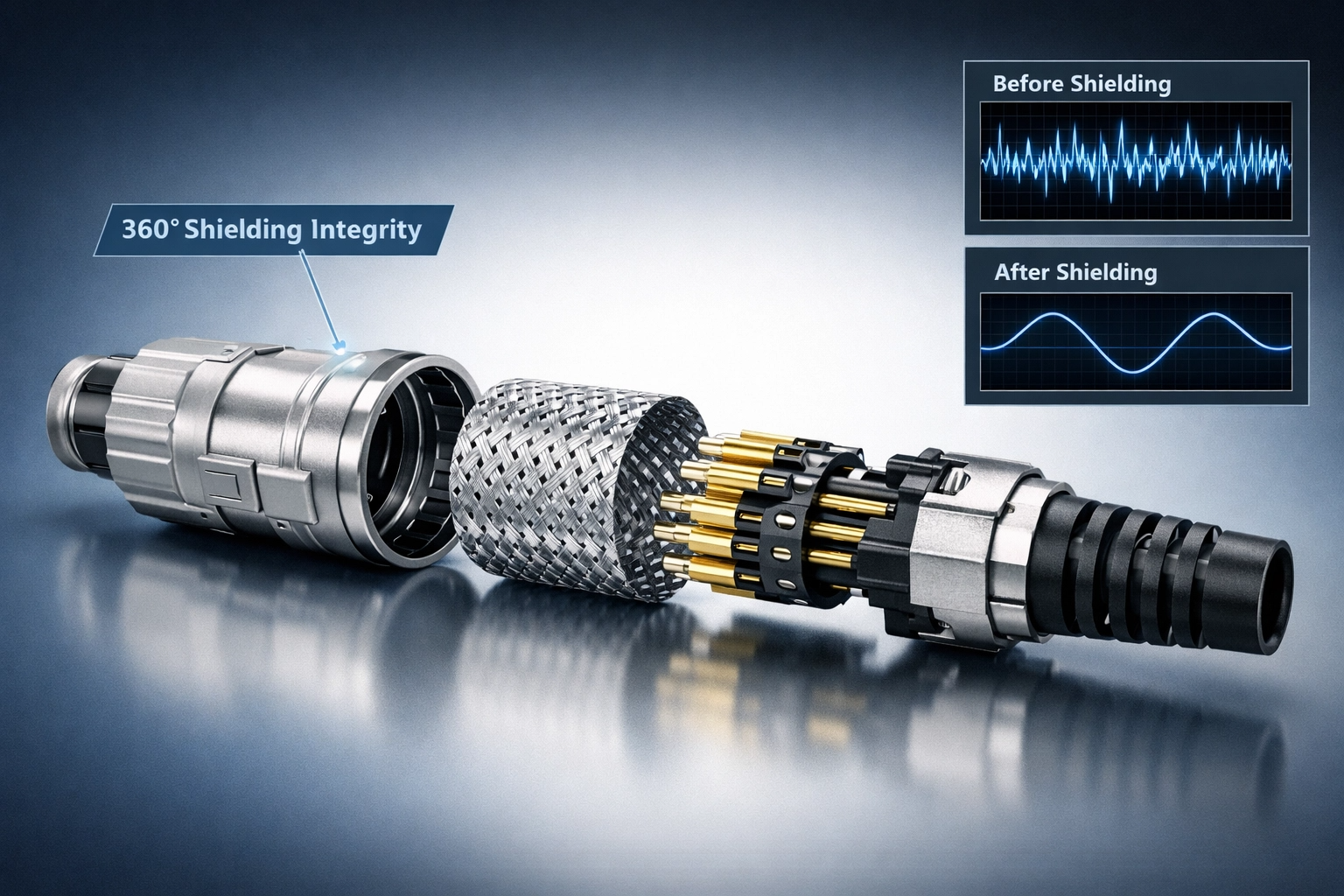
Overcoming EMI in High-Speed Automation
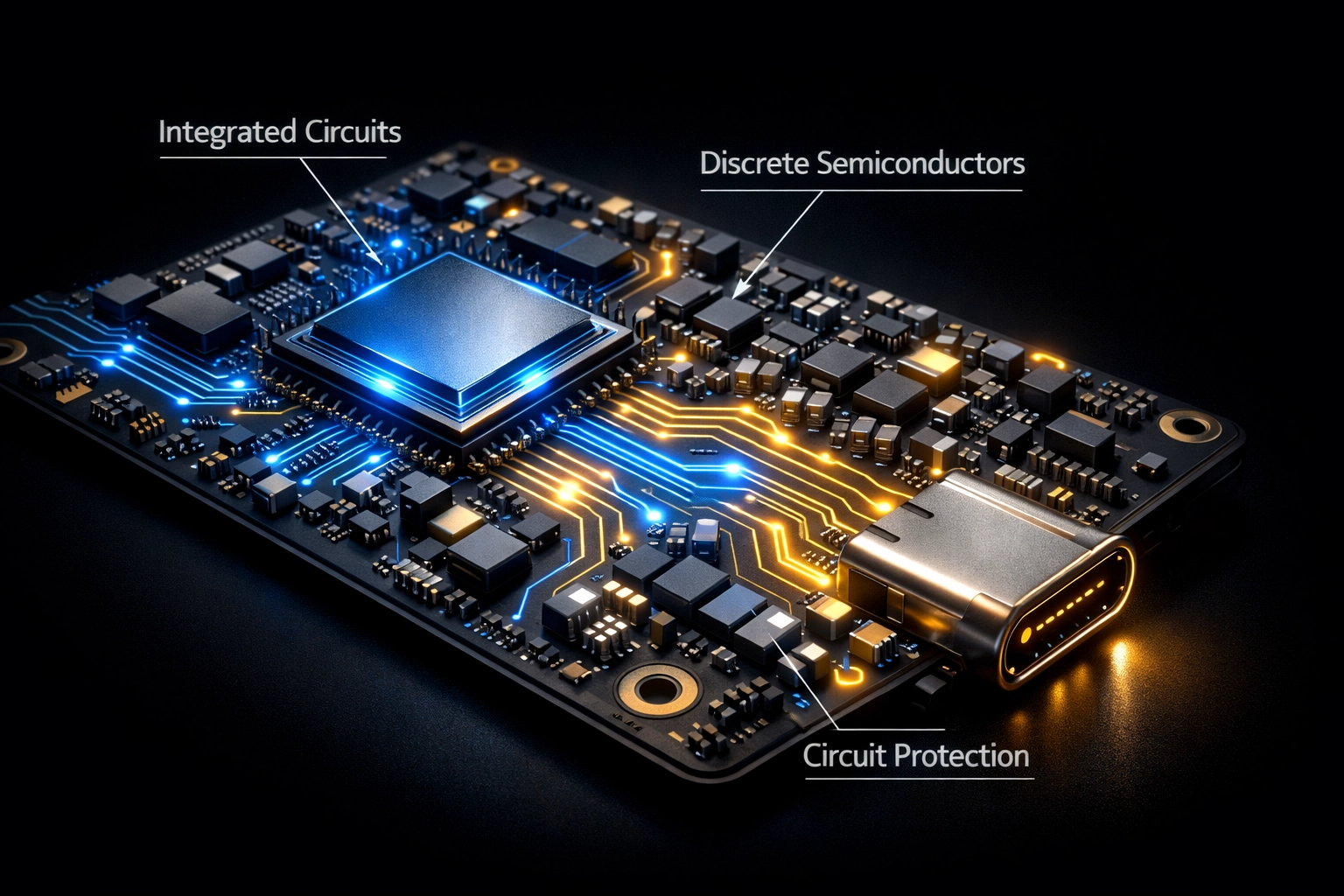
A Comprehensive Layout and Component Selection Guide
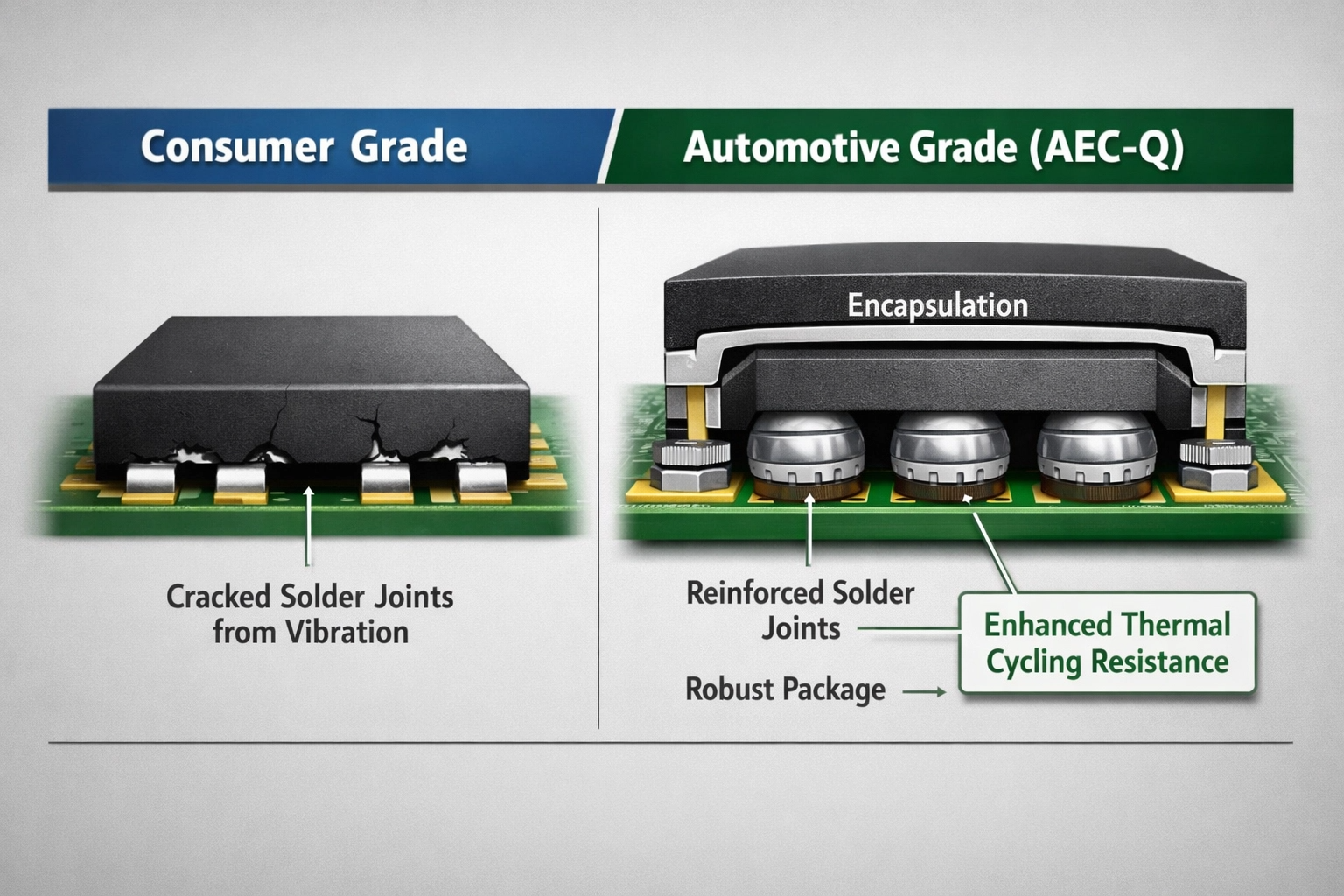
A Deep Dive into AEC-Q Standards and IATF 16949 Compliance






"Finding reliable high-voltage contactors for our EV platform was a major bottleneck until we partnered with this team. Their stock of 800V components is impressive and, more importantly, fully traceable. The packaging was professional, ensuring no static damage during transit. Truly a lifesaver for our production line."
"We were desperately searching for specific power management chips that were on a long backorder elsewhere. They managed to ship original factory parts within 48 hours, which kept our automation project on schedule. Communication was transparent and the technical data sheets provided were accurate. Highly recommend for urgent sourcing needs."
"The quality of the magnetic hydraulic circuit breakers we received exceeded our expectations for the price point. It’s clear they have a rigorous quality inspection process in place before shipping. We've integrated their parts into our latest battery storage units with zero failure rates so far. A very dependable partner for long-term supply."
"In this industry, trust is everything, especially when dealing with high-voltage fuses and relays. This company consistently provides genuine products that meet our strict safety certifications for the EU market. Their team is knowledgeable and helped us navigate the technical nuances of the components. Their export logistics to Spain are seamless."
"Managing End-of-Life (EOL) components is a constant struggle, but their database for legacy ICs is a goldmine. I was able to secure a batch of LCD driver ICs that our previous suppliers claimed were impossible to find. Every chip was tested and worked perfectly in our HMI repair prototypes. They are now my go-to for hard-to-find semiconductors."
"I appreciate how they handle smaller, specialized orders with the same urgency as bulk shipments. We needed specific pressure sensors for a fleet of diesel engines, and they arrived in the UK perfectly labeled and documented. Their attention to detail on the commercial invoice made customs clearance a breeze. Great service and even better product quality."
