 EN
EN

what-features-define-a-reliable-pmic-for-embedded-system-integration, what-features-define-a-reliable-pmic-for-embedded-system-integration, /news
EN
2026/08/17
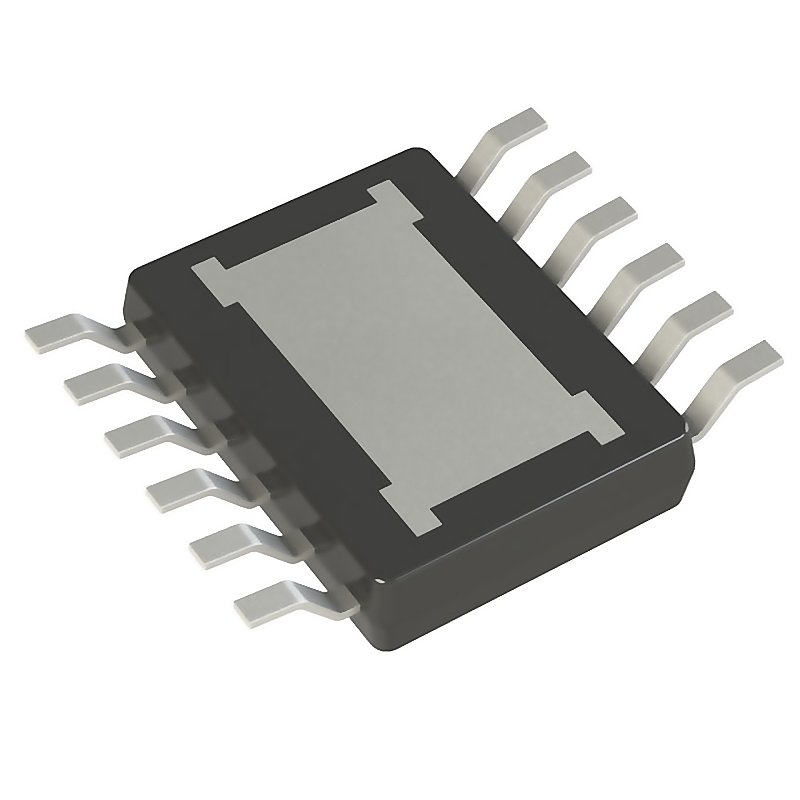
A pmic serves as the backbone of power distribution in embedded systems, managing voltage regulation, current delivery, and thermal stability across multiple supply rails. The choice of pmic directly influences system reliability, efficiency, and long-term operational success. Without a robust pmic, even well-designed embedded systems face risks of power instability, component failure, and unpredictable performance degradation in critical applications.
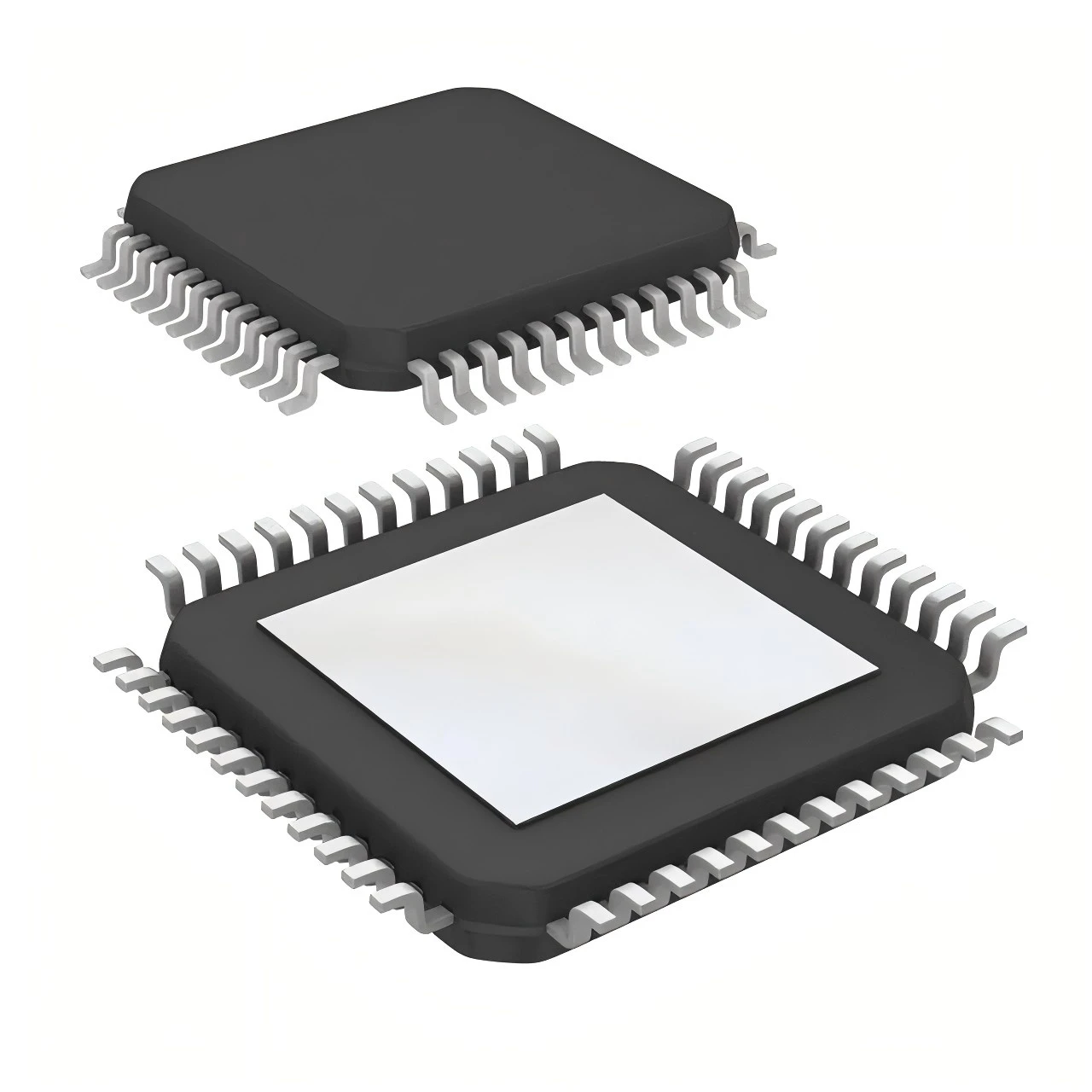
Understanding what distinguishes a reliable pmic from a mediocre one requires examining multiple performance dimensions. A pmic designed for embedded system integration must balance voltage accuracy, current delivery capacity, thermal management, protection mechanisms, and integration density. Modern embedded systems—from industrial controllers to automotive modules—demand pmics that can handle dynamic load transitions, maintain stable outputs under stress conditions, and operate predictably across wide temperature ranges.
A reliable pmic must maintain output voltage within tight tolerances even when load current changes dramatically. This characteristic, known as line and load regulation, directly affects system stability. When an embedded processor transitions from idle to peak processing, the pmic must deliver steady voltage without overshoot or sag that could cause computational errors or data corruption. A quality pmic achieves this through fast feedback loops and current-source architecture that responds to load changes in microseconds.
The pmic regulator topology matters significantly here. Linear regulators in a pmic offer excellent noise performance but generate heat at high current levels. Switching regulators in a pmic provide superior efficiency by using pulse-width modulation, though they require careful noise filtering. A well-engineered pmic combines both topologies—linear regulators for sensitive analog circuits and switching regulators for digital power rails—ensuring each rail receives the regulation quality it needs. This multi-rail approach is a hallmark of a reliable pmic designed for complex embedded systems.
Embedded systems often require multiple voltage domains operating simultaneously. A capable pmic must provide numerous independent output rails, each with its own voltage set point and current limit. The pmic should support input voltage ranges that accommodate diverse power sources—battery supplies, industrial DC inputs, or automotive electrical systems. A reliable pmic for automotive embedded systems, for example, must handle input voltages from 3.5V to 40V while delivering clean 3.3V, 1.8V, and 1.2V outputs simultaneously without cross-rail interference.
A pmic dissipates significant heat when delivering high currents or operating at elevated ambient temperatures. The thermal performance of a pmic depends on package design, internal resistance, and current distribution architecture. A reliable pmic uses low-resistance power paths and thermal-optimized die layouts to minimize internal power loss. Junction temperature must remain within safe limits during worst-case operation—high ambient temperature combined with peak current delivery. A pmic package with exposed thermal pads and direct contact to the PCB heatspreader enables effective heat transfer away from sensitive circuits.
A premium pmic incorporates integrated temperature sensing and thermal shutdown logic. As junction temperature approaches the maximum rating, the pmic should throttle current delivery or reduce switching frequency to prevent thermal runaway. Some embedded systems benefit from a pmic that reports temperature status to the system microcontroller via I2C or SPI, allowing proactive thermal management before dangerous levels are reached. This feedback loop prevents the pmic from becoming a failure point during unexpected thermal stress. Temperature-compensated voltage references in a pmic also ensure that output voltages remain accurate across the full operating temperature range, from minus 40°C to plus 85°C in industrial applications.
A reliable pmic must protect against faults without requiring external components. Each output rail should include high-accuracy current sensing and automatic current limiting. When a rail detects overcurrent—whether from a load short-circuit or transient fault—the pmic must respond within microseconds by reducing or shutting down that rail without affecting other supply rails. A sophisticated pmic uses current-limit thresholds adjustable via external resistors, allowing system designers to tailor protection to specific load characteristics. Beyond current limiting, a robust pmic includes hiccup-mode restart logic that periodically attempts to restore the faulted rail, allowing the system to recover from temporary faults without manual reset.
Embedded systems operating in harsh environments—automotive, industrial, or aviation—face unpredictable input voltage disturbances. A reliable pmic includes programmable under-voltage lockout that prevents operation if input voltage falls below a safe level, protecting against system corruption from brown-out conditions. Similarly, the pmic should include input over-voltage protection or detailed specifications about its maximum input rating. When input voltage transients exceed safe limits, the pmic must fail safely without latching into a damaged state. A pmic with integrated input protection simplifies system design by eliminating the need for external TVS diodes and surge protection circuits.
Some embedded systems operate in environments where reverse polarity or electrostatic discharge can occur. A premium pmic integrates reverse-polarity protection or clearly documents the polarity requirement to guide PCB design. The pmic output pins should survive typical ESD events without degradation, and internal clamp diodes should protect the IC during ESD testing. A reputable pmic manufacturer publishes detailed ESD test results showing how the pmic performs under IEC 61000-4-2 stress, giving system designers confidence in field reliability.
A well-integrated pmic minimizes external components required for each output rail. Integrated inductors, switches, and compensation networks reduce bill-of-materials cost and PCB real estate. For space-constrained embedded systems, a pmic with high integration density becomes essential. Some modern pmic products combine multiple buck converters, LDOs, and protection features in a single package smaller than traditional discrete solutions. The pmic package should also support standard manufacturing processes—ball-grid arrays or QFP packages with pitch spacing compatible with modern assembly equipment.
System efficiency directly impacts thermal design and operational cost. A reliable pmic achieves efficiency above ninety percent across typical load currents by minimizing conduction losses and optimizing switching frequency. The pmic should operate at frequencies compatible with system noise budgets—high enough to reduce magnetic component size but low enough to avoid interference with analog sensors or wireless communication. Dynamic frequency scaling in a pmic automatically adjusts switching frequency based on load current, improving efficiency at light loads where fixed-frequency operation would waste power in switching losses.
Output voltage accuracy and transient response are equally critical. A pmic that cannot maintain voltage stability during rapid load changes will cause system instability regardless of other features. Equally important is current capacity—the pmic must deliver the peak current required by all rails simultaneously without thermal stress. Before selecting a pmic, verify that its maximum current rating exceeds your calculated peak demand by at least twenty-five percent.
A robust pmic for automotive embedded systems includes integrated input transient protection and over-voltage clamp circuits. The pmic specification sheet lists the maximum input voltage and transient duration it can survive. During voltage spikes, the pmic's internal clamp circuits dissipate excess energy until the spike subsides. Modern automotive pmics undergo rigorous testing to survive load-dump events—sudden disconnection of the charging alternator causing voltage transients up to fifty volts for brief periods.
A high-integration pmic can serve as the primary power distribution hub for most embedded systems, managing digital cores, analog circuits, and memory supplies through separate internal regulators. However, extremely noise-sensitive analog subsystems may require dedicated external linear regulators powered by the pmic, or ultra-fast transient requirements might demand local point-of-load regulators near the load. The pmic acts as the backbone, while specialized regulators handle specific noise or performance requirements.
The electronic components market is constantly evolving. From global supply chain updates to the latest semiconductor technology trends, our blog provides the professional perspective you need to stay informed and competitive.
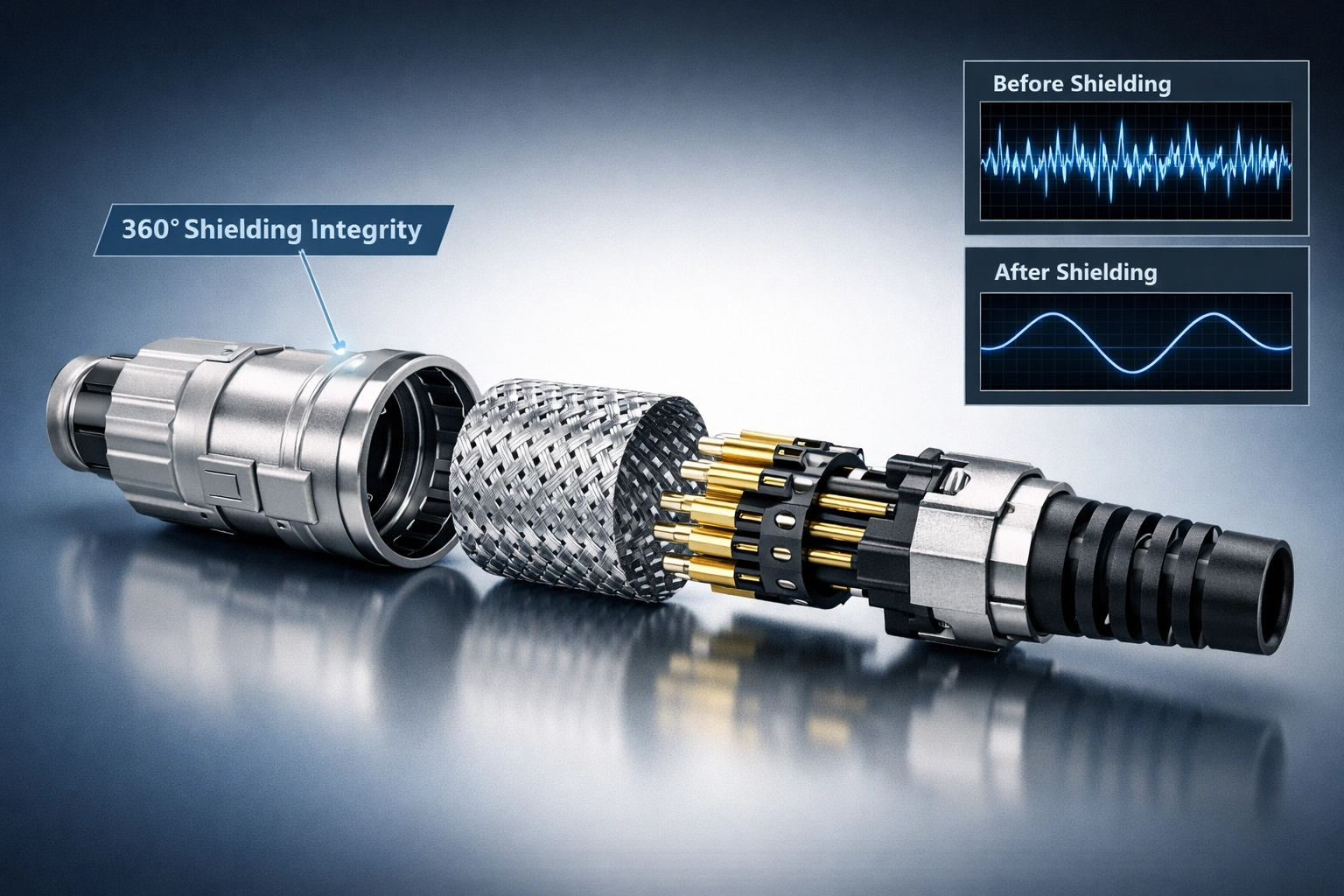
Overcoming EMI in High-Speed Automation
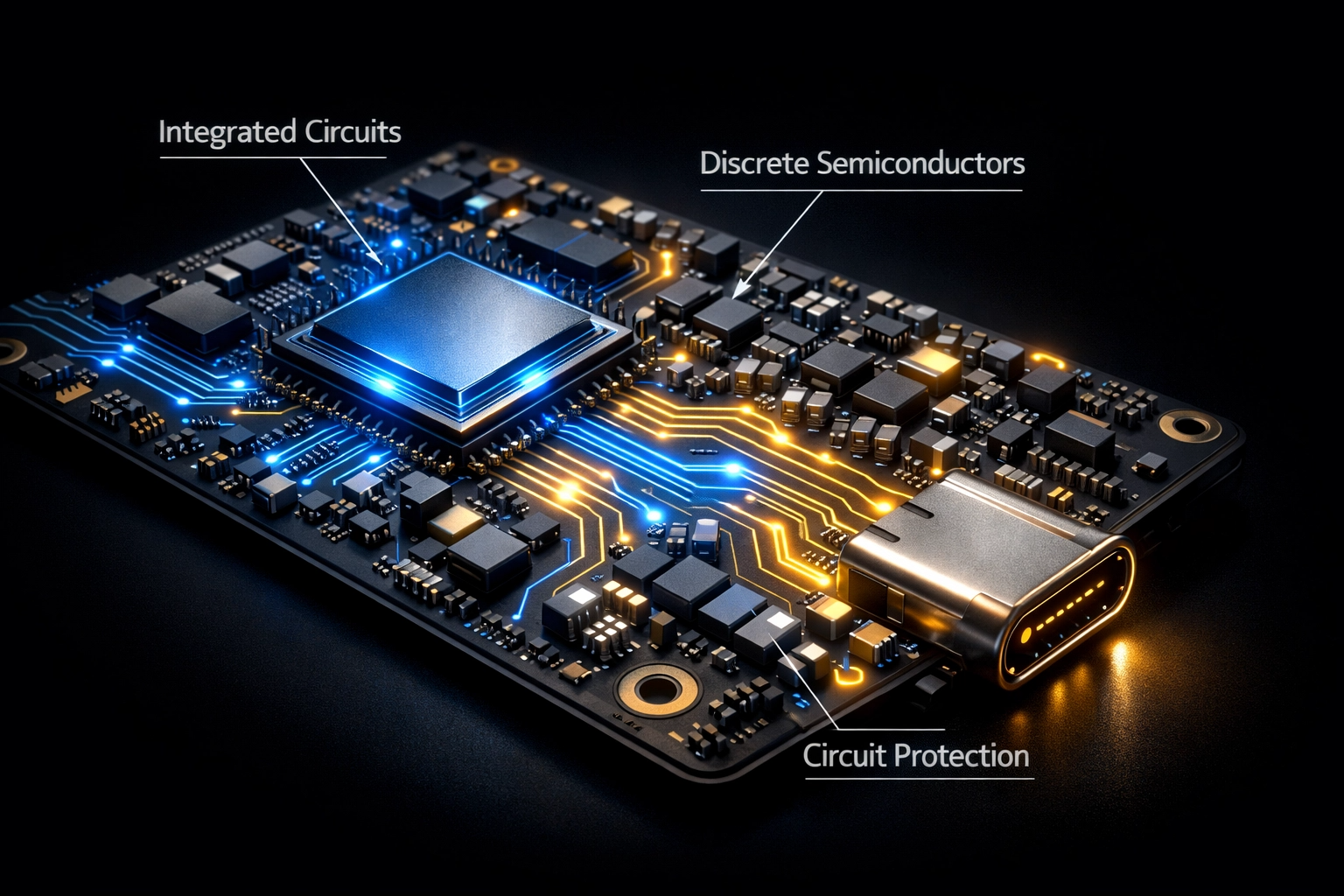
A Comprehensive Layout and Component Selection Guide
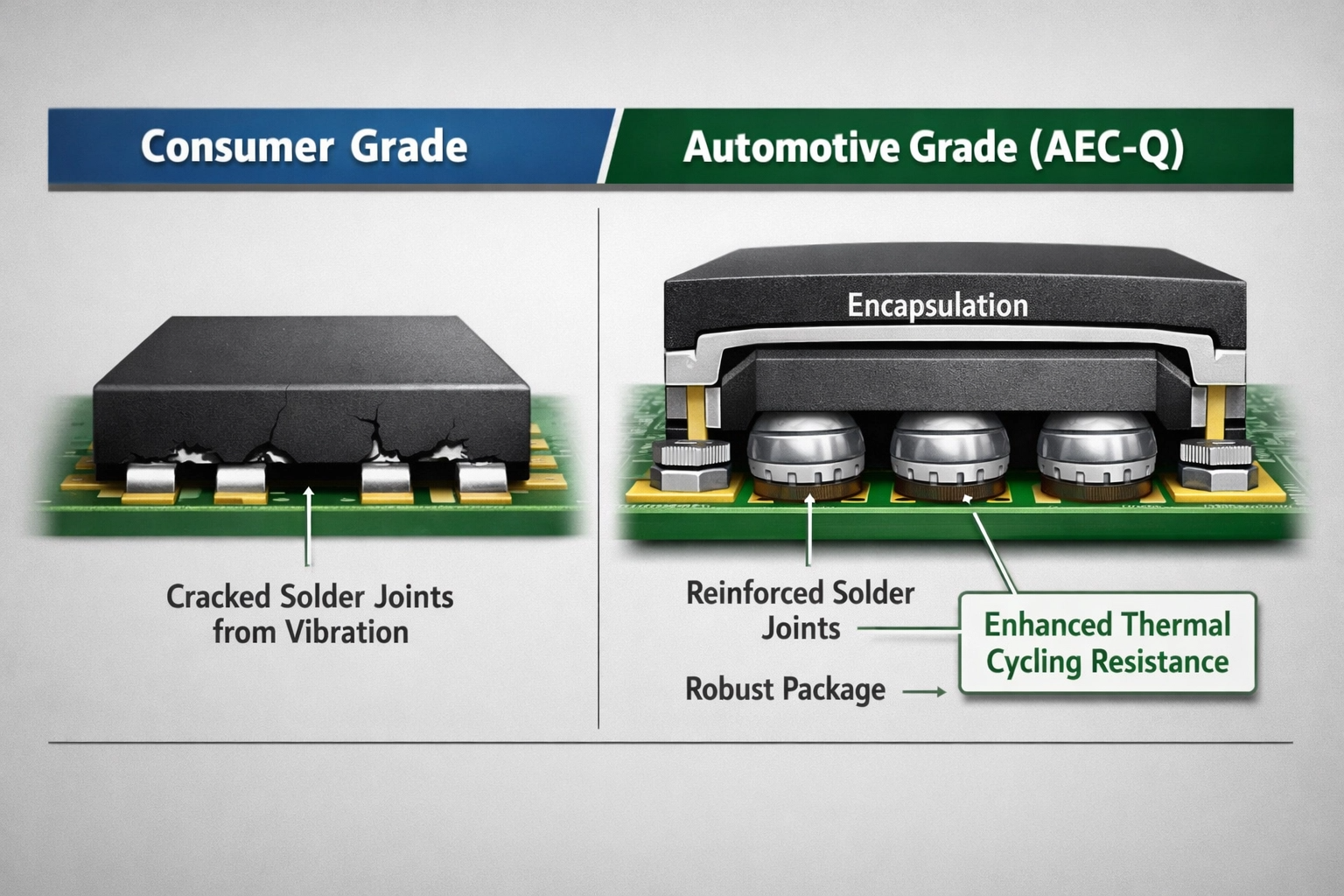
A Deep Dive into AEC-Q Standards and IATF 16949 Compliance






"Finding reliable high-voltage contactors for our EV platform was a major bottleneck until we partnered with this team. Their stock of 800V components is impressive and, more importantly, fully traceable. The packaging was professional, ensuring no static damage during transit. Truly a lifesaver for our production line."
"We were desperately searching for specific power management chips that were on a long backorder elsewhere. They managed to ship original factory parts within 48 hours, which kept our automation project on schedule. Communication was transparent and the technical data sheets provided were accurate. Highly recommend for urgent sourcing needs."
"The quality of the magnetic hydraulic circuit breakers we received exceeded our expectations for the price point. It’s clear they have a rigorous quality inspection process in place before shipping. We've integrated their parts into our latest battery storage units with zero failure rates so far. A very dependable partner for long-term supply."
"In this industry, trust is everything, especially when dealing with high-voltage fuses and relays. This company consistently provides genuine products that meet our strict safety certifications for the EU market. Their team is knowledgeable and helped us navigate the technical nuances of the components. Their export logistics to Spain are seamless."
"Managing End-of-Life (EOL) components is a constant struggle, but their database for legacy ICs is a goldmine. I was able to secure a batch of LCD driver ICs that our previous suppliers claimed were impossible to find. Every chip was tested and worked perfectly in our HMI repair prototypes. They are now my go-to for hard-to-find semiconductors."
"I appreciate how they handle smaller, specialized orders with the same urgency as bulk shipments. We needed specific pressure sensors for a fleet of diesel engines, and they arrived in the UK perfectly labeled and documented. Their attention to detail on the commercial invoice made customs clearance a breeze. Great service and even better product quality."
