 EN

why-do-engineers-select-igbt-module-solutions-for-power-electronics-projects, why-do-engineers-select-igbt-module-solutions-for-power-electronics-projects, /news
EN
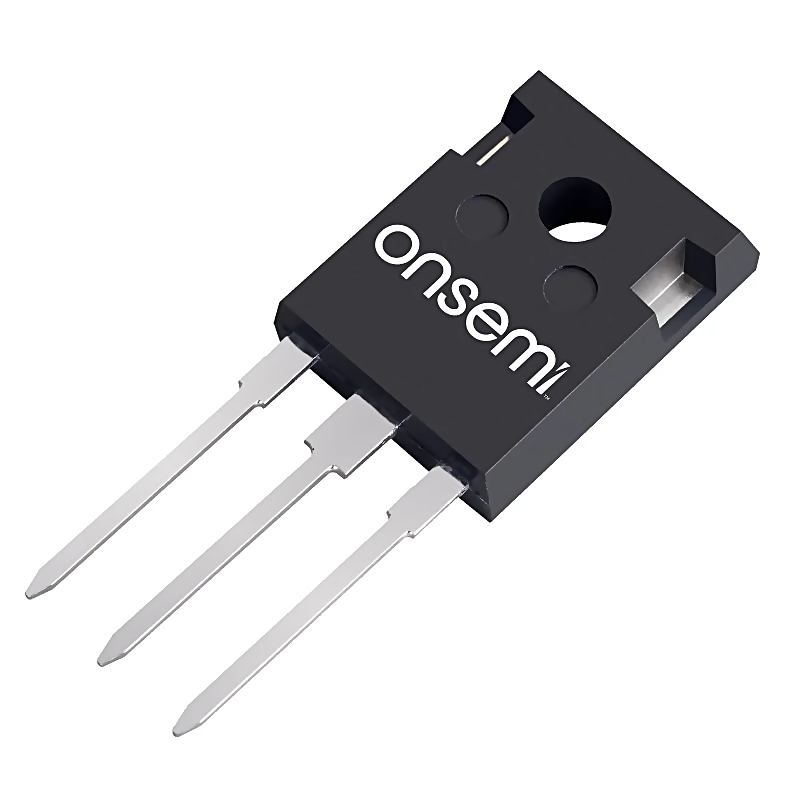
Engineers across the power electronics industry consistently turn to IGBT module solutions when designing systems that demand high performance, reliability, and thermal efficiency. The IGBT module has become the backbone of modern power conversion equipment, from industrial motor drives to renewable energy inverters. Understanding why engineers make this choice requires examining the technical advantages, operational benefits, and practical integration considerations that set the IGBT module apart from alternative semiconductor approaches.
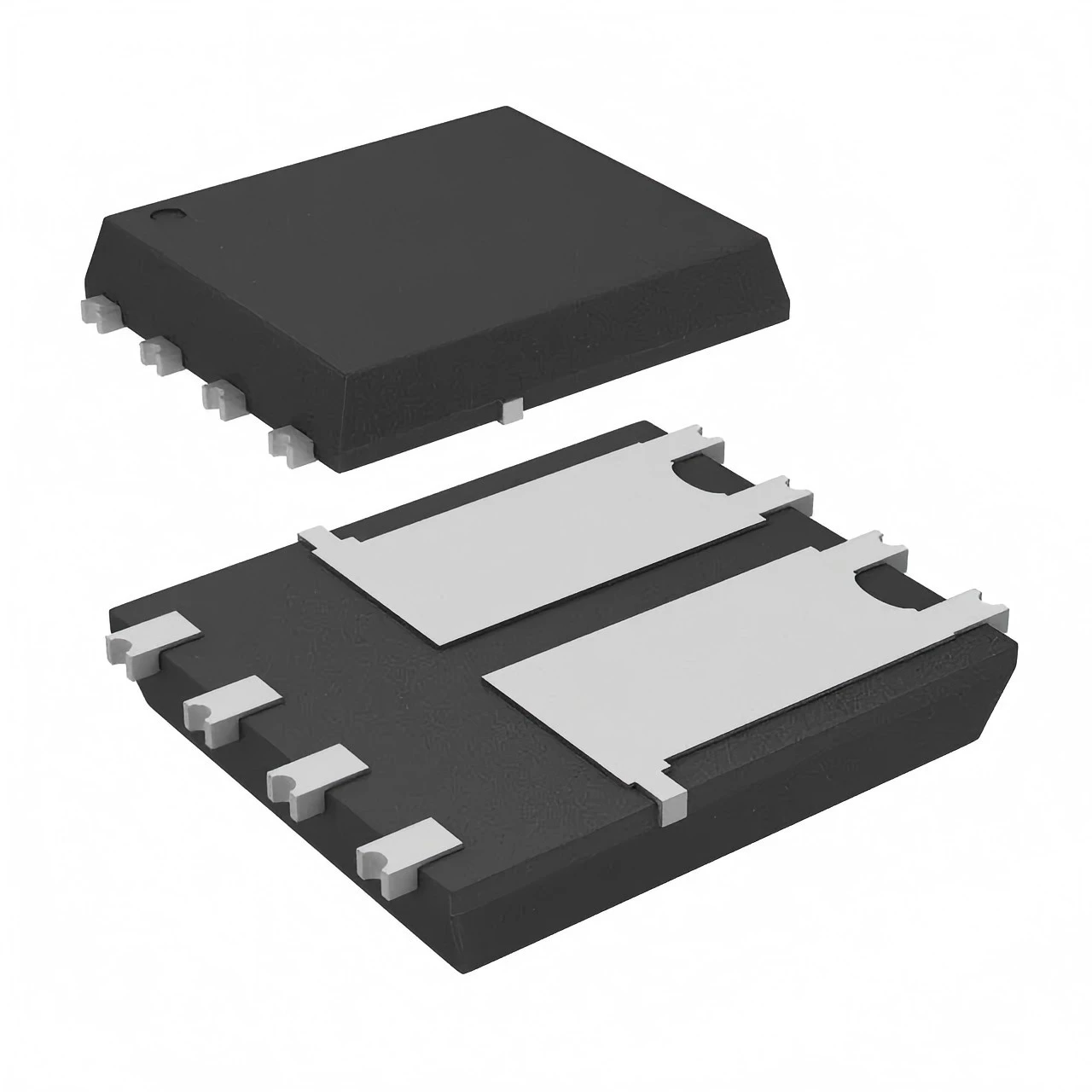
The IGBT module represents a mature and proven technology that combines the fast switching speeds of MOSFETs with the low on-state voltage drop of bipolar transistors. This hybrid approach creates a semiconductor device that maximizes efficiency while minimizing heat generation, a critical factor in applications where thermal management directly impacts system longevity and reliability. Engineers value the IGBT module for its ability to handle both high voltage and high current simultaneously, enabling smaller, lighter, and more cost-effective power system designs without compromising performance.
The IGBT module delivers lower conduction losses and switching losses compared to traditional bipolar transistors, directly translating to reduced energy waste and lower operational costs. When engineers implement an IGBT module in their designs, they benefit from optimized gate drive circuits that precisely control the switching transitions, minimizing the time current flows through both the upper and lower semiconductor layers simultaneously. This controlled switching behavior makes the IGBT module an exceptional choice for high-frequency applications where every percentage point of efficiency improvement compounds across thousands of operating hours.
The thermal advantages of an IGBT module become immediately apparent in systems operating at elevated temperatures or demanding continuous duty cycles. Industrial motor controllers, welding equipment, and solar inverters all rely on IGBT module solutions because the semiconductor's low on-state voltage drop means less heat generation at rated current. Engineers can therefore specify smaller heat sinks or operate devices in naturally cooled environments where competing technologies would require expensive cooling infrastructure. The IGBT module's predictable thermal behavior also simplifies thermal modeling and allows designers to optimize component placement without extensive prototype testing.
An IGBT module exhibits excellent temperature stability across its operational range, with predictable characteristics from cold startup through extended high-temperature operation. This stability eliminates the thermal runaway risk present in older bipolar devices and makes the IGBT module inherently safer for mission-critical applications. Engineers appreciate that an IGBT module maintains consistent performance margins even as ambient conditions fluctuate, reducing the need for extensive derating factors that would otherwise reduce system capacity or require over-specification of component ratings.
Modern IGBT module solutions integrate multiple switching elements, freewheeling diodes, and protective gate circuitry within a single package, dramatically simplifying power stage design. Engineers designing three-phase inverters, for instance, can select a three-level IGBT module that contains six switching devices and associated diodes, eliminating the need to source, coordinate, and test individual discrete components. This monolithic IGBT module approach accelerates time-to-market because it reduces component procurement complexity, simplifies PCB layout, and minimizes potential failure points from interconnection issues.
The integrated gate driver circuits available in advanced IGBT module packages eliminate the need for external isolated power supplies and complex level-shift circuitry. Engineers can therefore achieve faster project timelines and more robust designs by selecting an IGBT module that includes these support functions. The standardized electrical interfaces of mainstream IGBT module solutions also mean that engineers can leverage established application reference designs, reducing design risk and allowing faster validation of new systems.
IGBT module solutions follow standardized packaging conventions such as SEMiX, SEMITRANS, and press-fit terminals, enabling engineers to design scalable power systems that accommodate different power levels without fundamental circuit redesign. A power conversion system designed around a 75-ampere IGBT module can be scaled to 150 or 225 amperes by simply substituting a higher-rated module while maintaining identical gate drive and control strategies. This modular scalability allows manufacturers to build product families efficiently and respond quickly to customer requirements for different power ratings.
The IGBT module delivers exceptional performance-per-dollar value in applications operating above 600 volts or handling more than 50 amperes, where the cost advantages of this technology become substantial compared to discrete device alternatives. Engineers making procurement decisions recognize that IGBT module solutions eliminate the labor and logistics costs associated with buying, testing, and assembling multiple individual components. For volume production, the standardized IGBT module ecosystem offers multiple manufacturers competing on price and performance, providing engineers with genuine alternatives rather than single-supplier dependencies.
The reliability gains inherent to an integrated IGBT module also reduce warranty and field service costs, providing additional economic justification beyond the initial component purchase price. Systems built around proven IGBT module architectures experience fewer failure modes, simpler troubleshooting procedures, and more predictable lifetime costs. Engineers therefore face strong economic incentives to specify IGBT module solutions in designs where this technology provides adequate performance margins, knowing that reduced field failures directly protect profitability and brand reputation.
By standardizing on IGBT module solutions, engineers free engineering resources to focus on system-level innovations and differentiation rather than spending time on detailed semiconductor-level optimization. This allows product teams to bring next-generation equipment to market faster and maintain competitive advantage through superior functionality and user experience rather than trying to optimize every incremental efficiency gain. The IGBT module's maturity means most optimization work has already been completed by semiconductor manufacturers, allowing engineers to concentrate on application-specific value creation.
IGBT module solutions excel in industrial motor drives, uninterruptible power supplies, solar and wind inverters, electric vehicle charging equipment, welding systems, and induction heating applications. Any application requiring reliable power conversion at voltages above 600 volts or currents exceeding 50 amperes typically benefits from IGBT module technology. The IGBT module's combination of efficiency, reliability, and thermal performance makes it ideal for continuous-duty applications where heat dissipation and long-term reliability are critical success factors.
The IGBT module offers superior performance compared to older thyristor and gate turn-off (GTO) technologies in most modern applications, though silicon carbide MOSFETs and gallium nitride devices are emerging for ultra-high-frequency and high-efficiency niche applications. Compared to discrete MOSFETs, an IGBT module provides lower on-state voltage and better current handling at high voltages. The IGBT module remains the dominant choice for most industrial and renewable energy applications because it delivers the optimal balance of performance, cost, reliability, and design simplicity.
Engineers should evaluate voltage rating, current rating, switching frequency capability, thermal resistance, gate charge characteristics, and available integration features when selecting an IGBT module. The IGBT module's voltage and current ratings must safely accommodate peak system operating points with adequate margins. Additional considerations include the availability of application reference designs for the specific IGBT module family, manufacturer support and documentation quality, and long-term product availability guarantees to protect against future supply chain disruptions.
The electronic components market is constantly evolving. From global supply chain updates to the latest semiconductor technology trends, our blog provides the professional perspective you need to stay informed and competitive.
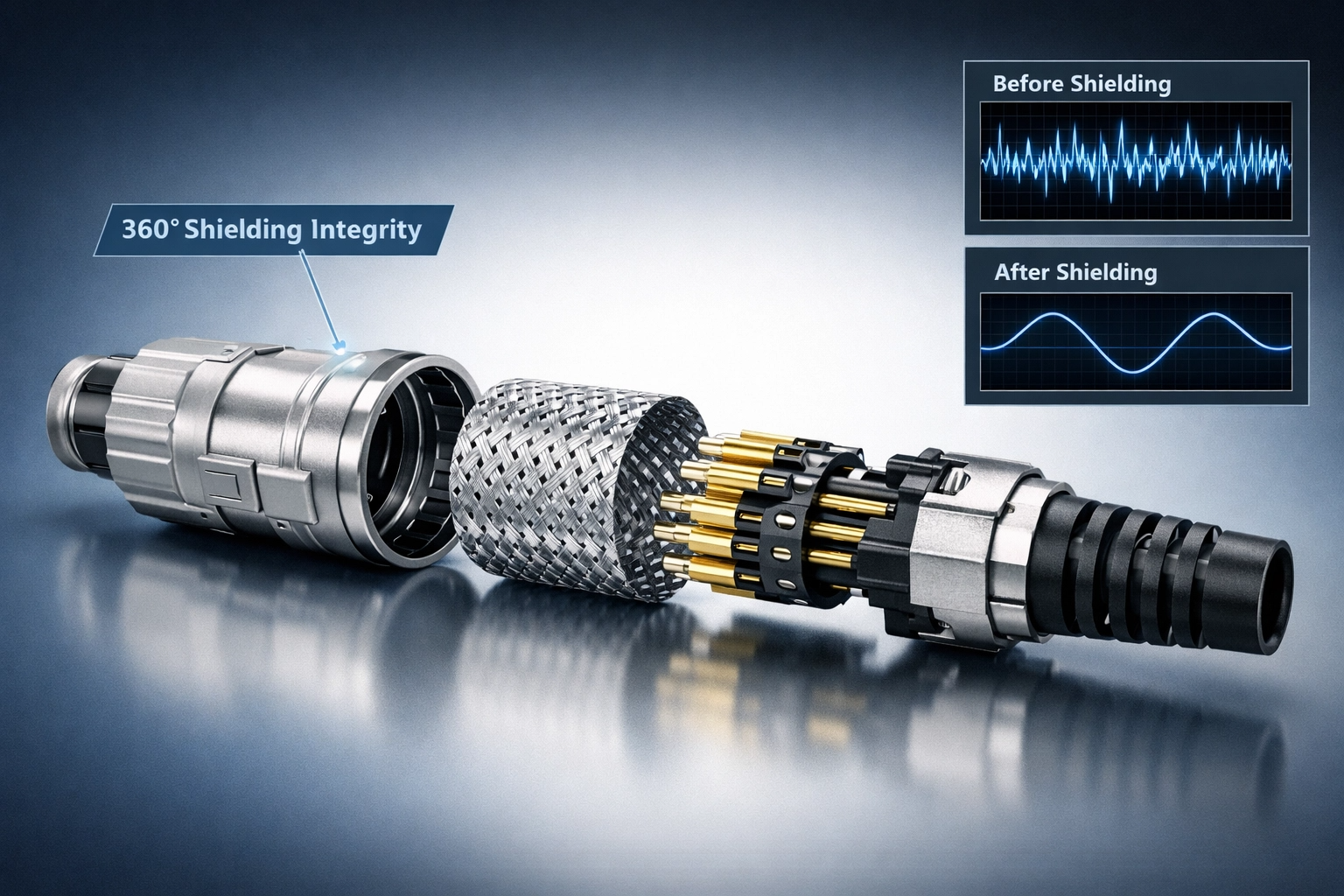
Overcoming EMI in High-Speed Automation
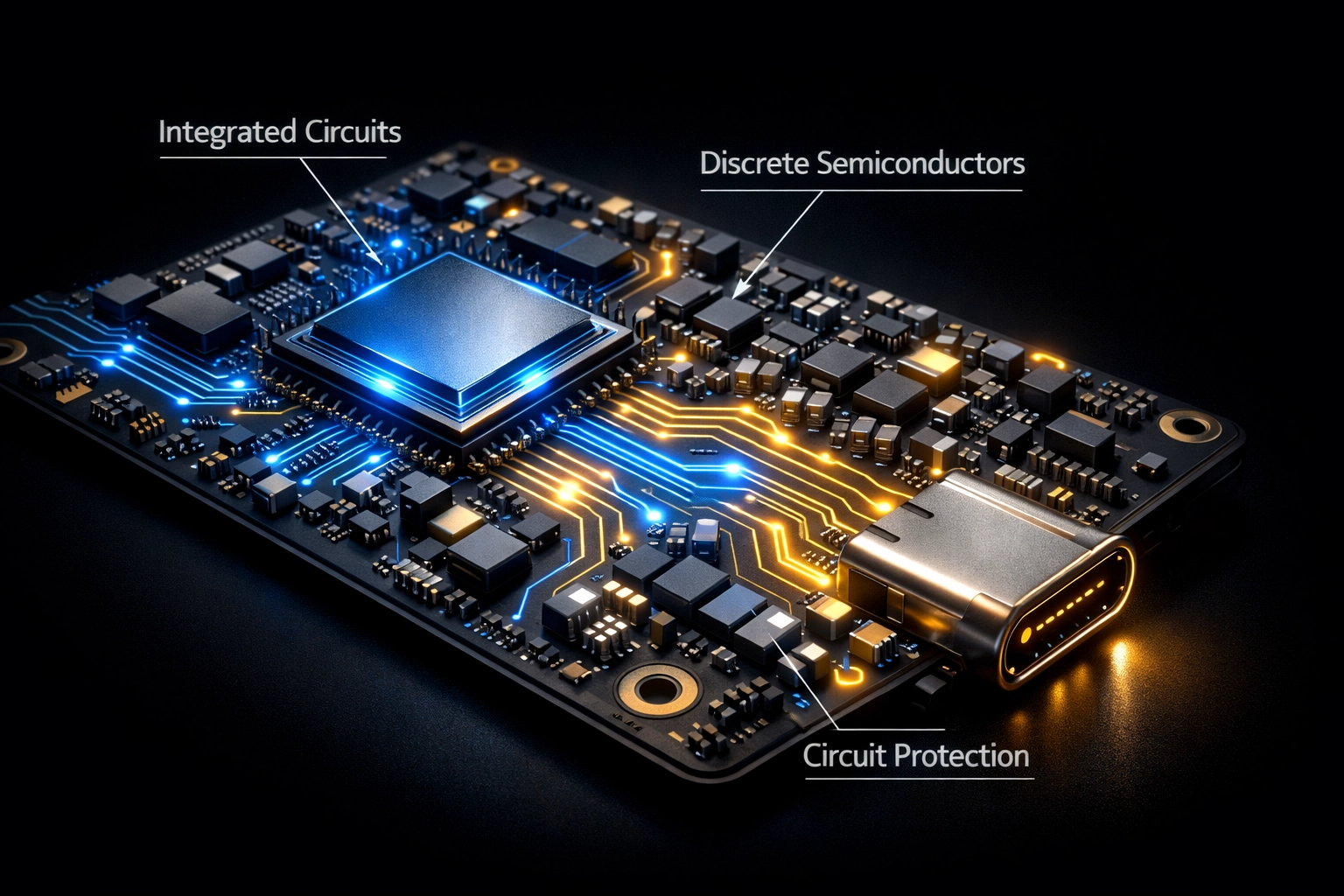
A Comprehensive Layout and Component Selection Guide
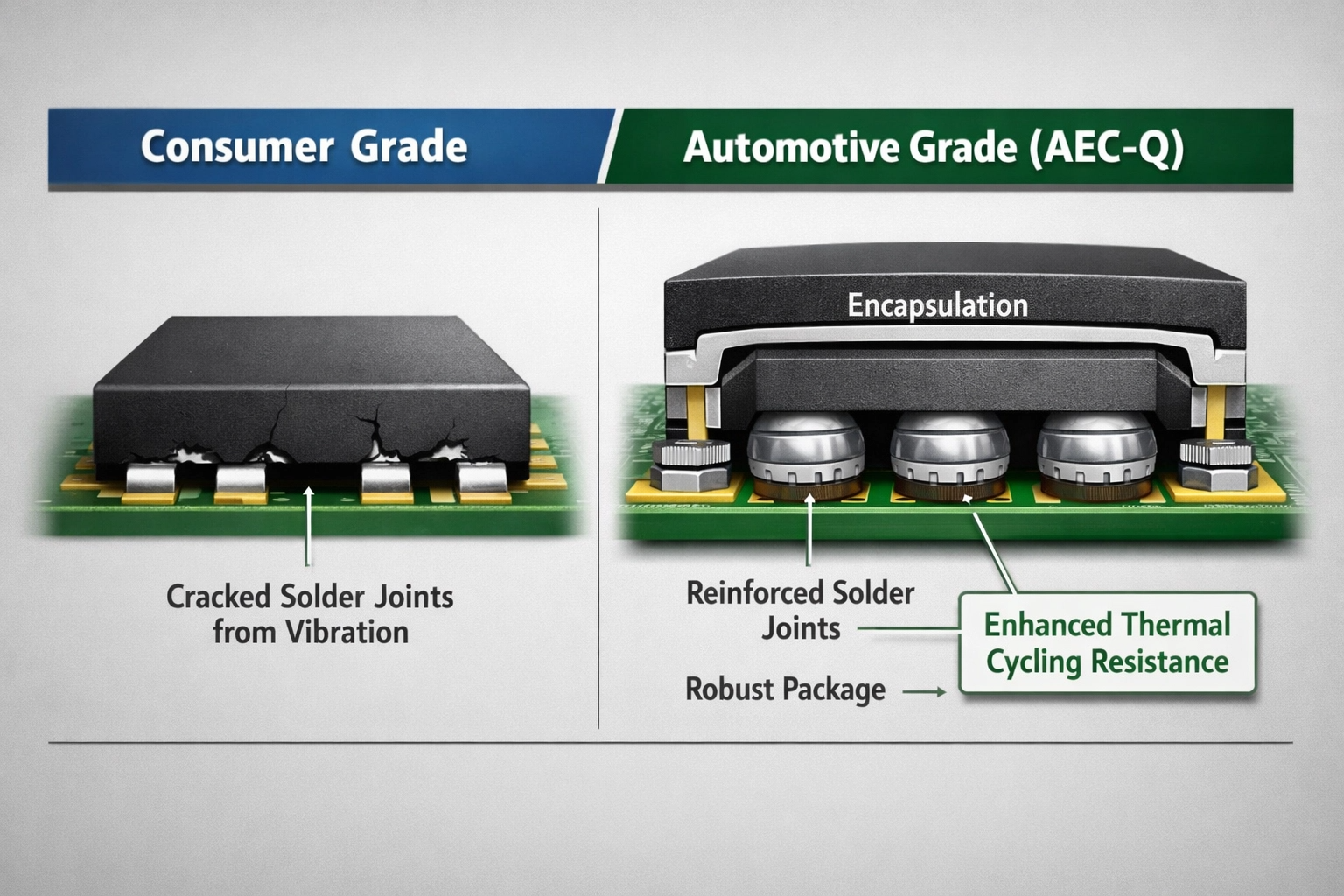
A Deep Dive into AEC-Q Standards and IATF 16949 Compliance







"Finding reliable high-voltage contactors for our EV platform was a major bottleneck until we partnered with this team. Their stock of 800V components is impressive and, more importantly, fully traceable. The packaging was professional, ensuring no static damage during transit. Truly a lifesaver for our production line."
"We were desperately searching for specific power management chips that were on a long backorder elsewhere. They managed to ship original factory parts within 48 hours, which kept our automation project on schedule. Communication was transparent and the technical data sheets provided were accurate. Highly recommend for urgent sourcing needs."
"The quality of the magnetic hydraulic circuit breakers we received exceeded our expectations for the price point. It’s clear they have a rigorous quality inspection process in place before shipping. We've integrated their parts into our latest battery storage units with zero failure rates so far. A very dependable partner for long-term supply."
"In this industry, trust is everything, especially when dealing with high-voltage fuses and relays. This company consistently provides genuine products that meet our strict safety certifications for the EU market. Their team is knowledgeable and helped us navigate the technical nuances of the components. Their export logistics to Spain are seamless."
"Managing End-of-Life (EOL) components is a constant struggle, but their database for legacy ICs is a goldmine. I was able to secure a batch of LCD driver ICs that our previous suppliers claimed were impossible to find. Every chip was tested and worked perfectly in our HMI repair prototypes. They are now my go-to for hard-to-find semiconductors."
"I appreciate how they handle smaller, specialized orders with the same urgency as bulk shipments. We needed specific pressure sensors for a fleet of diesel engines, and they arrived in the UK perfectly labeled and documented. Their attention to detail on the commercial invoice made customs clearance a breeze. Great service and even better product quality."
