 EN
EN

why-is-a-pmic-widely-adopted-in-consumer-and-automotive-electronics, why-is-a-pmic-widely-adopted-in-consumer-and-automotive-electronics, /news
EN
2026/08/10
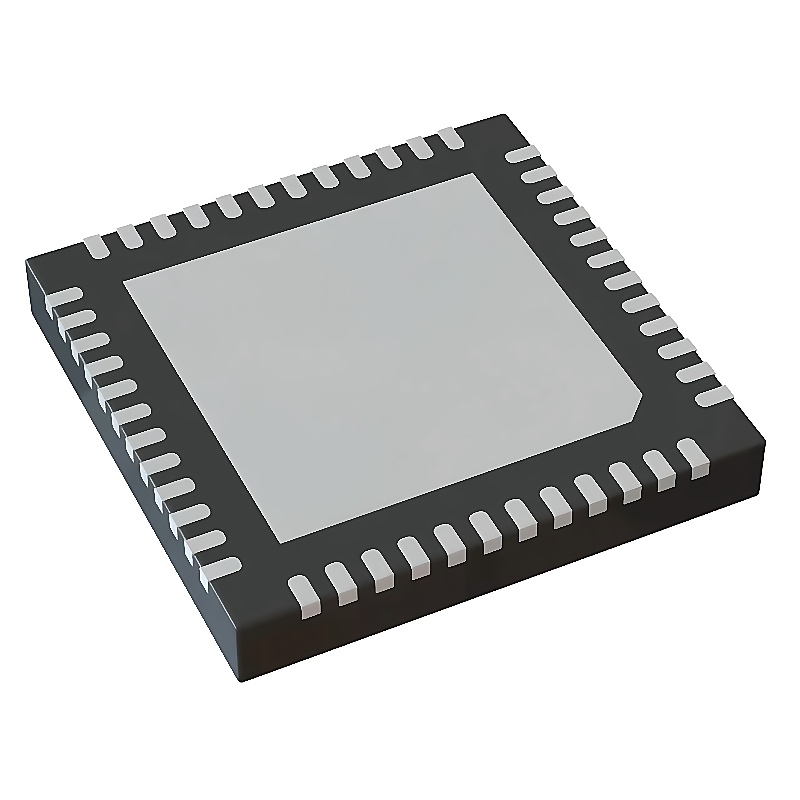
The adoption of power management integrated circuits, commonly known as a pmic, has become fundamental to modern consumer and automotive electronics. Engineers and product designers increasingly rely on pmic solutions to optimize power delivery, enhance thermal management, and ensure reliable operation across diverse operating conditions. Understanding why a pmic has become so widely adopted reveals critical insights into how manufacturers address the growing complexity of electronic systems and the relentless demand for efficiency.
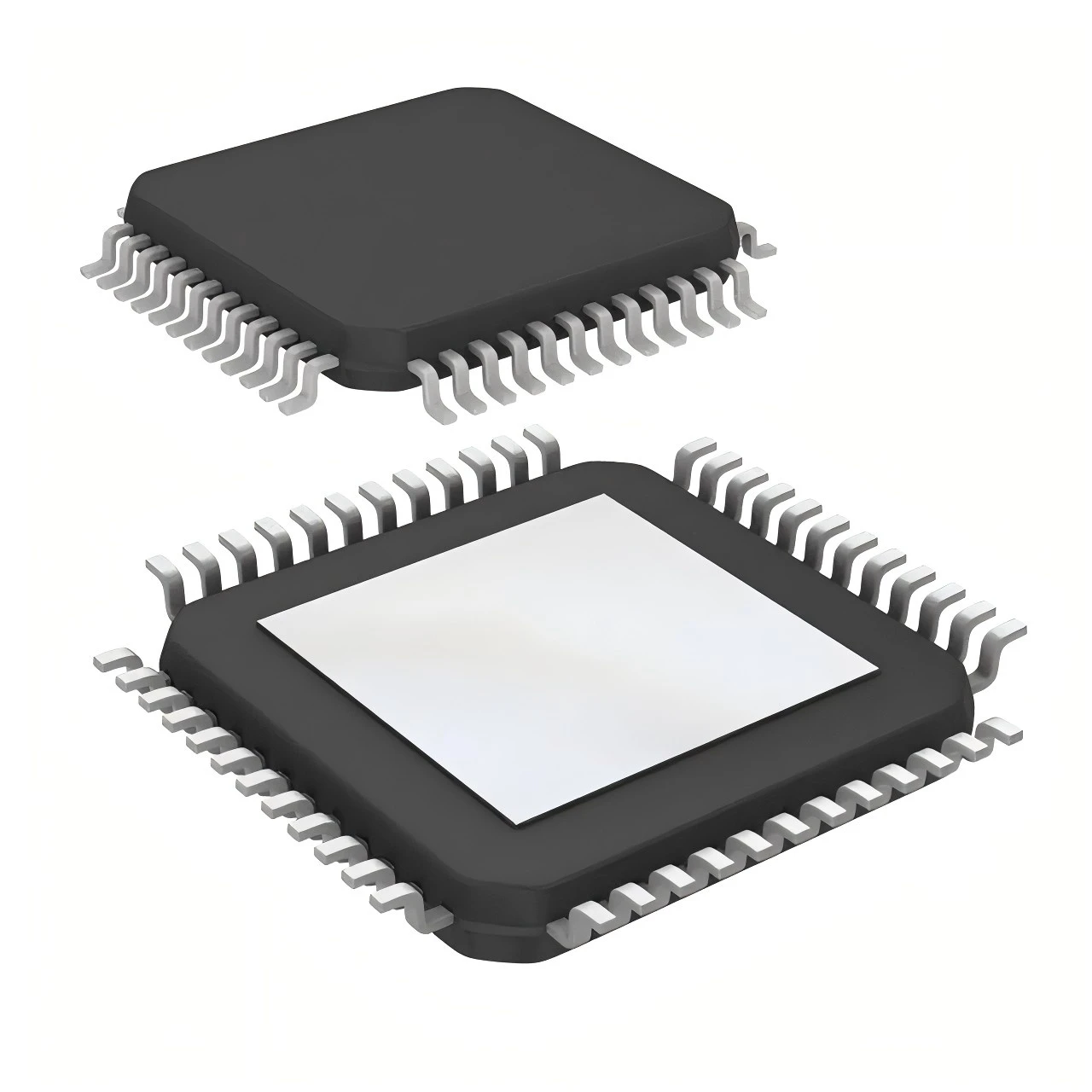
A pmic serves as the central nervous system for power distribution within electronic devices. By consolidating multiple voltage regulation functions, current protection mechanisms, and load management capabilities into a single integrated circuit, a pmic dramatically simplifies circuit board design while reducing component count and manufacturing complexity. This convergence of functionality makes a pmic an indispensable building block in applications ranging from smartphones and wearable devices to advanced driver assistance systems and electric vehicle powertrains.
Modern devices operate on finite battery capacity or limited power budgets. A pmic addresses this constraint by delivering precisely regulated voltage levels to individual subsystems, minimizing energy waste through switching inefficiencies and voltage conversion losses. When a pmic manages multiple voltage rails simultaneously, it ensures that processors, memory modules, sensors, and communication circuits each receive optimal power levels without unnecessary overhead. In consumer devices like smartphones, even a one or two percent improvement in power efficiency translates to extended battery life, a feature directly valued by end users.
Automotive applications face even stricter efficiency demands. A pmic in an electric vehicle must manage power delivery to the main inverter, battery management systems, infotainment displays, and safety-critical control modules while operating across a -40°C to 125°C temperature range. The sophisticated switching algorithms embedded within a pmic ensure that voltage regulation remains efficient even during transient load changes, such as when an engine control module suddenly demands high current during acceleration or braking recovery.
Heat dissipation is a critical challenge in compact electronic devices. A pmic reduces thermal stress by employing efficient switching topologies and intelligent load distribution, which prevents any single power delivery circuit from becoming a heat hotspot. Advanced pmic designs incorporate thermal sensing and dynamic current limiting, preventing thermal runaway conditions that could otherwise damage sensitive components or reduce device lifespan.
In automotive contexts, reliability is non-negotiable. A pmic that integrates overvoltage protection, overcurrent limiting, and thermal shutdown functions provides multiple layers of fault tolerance. This redundancy ensures that even under extreme conditions—such as battery over-charging, short circuits, or rapid temperature swings—the pmic protects downstream components from failure. Manufacturers specify a pmic based partly on its Mean Time Between Failures (MTBF) rating, which reflects the cumulative reliability benefit of integrated protection features.
Consumer electronics manufacturers compete intensely on battery performance and device thickness. Selecting a high-performance pmic allows designers to reduce the physical footprint of power delivery circuits while maintaining or improving efficiency. A pmic used in flagship smartphones often integrates eight to twelve independent voltage rails, each serving a different functional block. This architectural flexibility means that a pmic can be repurposed across multiple device generations, reducing engineering overhead and accelerating time-to-market.
Wearable devices like smartwatches and fitness trackers operate on milliwatt-scale power budgets. A pmic designed for wearables must achieve exceptional efficiency at ultra-low current levels, which traditional discrete power circuits cannot accomplish. The integration of a pmic optimized for this use case enables week-long or even month-long battery life, a key competitive differentiator in the crowded wearable market.
The explosive growth of Internet of Things devices has amplified demand for versatile pmic solutions. Connected sensors, smart home devices, and industrial IoT endpoints often draw power from battery packs or energy harvesting sources, where every milliwatt matters. A pmic enables rapid product development by providing a pre-qualified, power management foundation that engineers can pair with communication modules, microcontrollers, and analog sensors. This modularity accelerates time-to-market and reduces design risk for startups and established manufacturers alike.
Electric vehicles represent a transformative shift in automotive architecture, introducing orders of magnitude higher power levels and more complex electrical topologies than traditional internal combustion engines. A pmic in an EV manages bidirectional power flow between the main battery pack, onboard charger, motor inverter, and auxiliary systems. The sophistication of automotive-grade pmic implementations reflects the stringent safety and performance requirements mandated by ISO 26262 functional safety standards and automotive OEM specifications.
Advanced driver assistance systems (ADAS) and autonomous vehicle platforms rely on a pmic to reliably power multiple sensor inputs, computational accelerators, and communication interfaces. A pmic that integrates diagnostics and state reporting capabilities allows vehicle control modules to monitor power system health in real time, supporting predictive maintenance and fault detection algorithms that enhance vehicle safety and uptime.
Modern vehicles employ multiple electrical networks operating at different voltage levels—12V legacy circuits, 48V mild-hybrid systems, and 400V+ high-voltage battery circuits. A pmic acts as a voltage translation and isolation gateway, ensuring that low-voltage control circuits remain protected from transients and faults originating in high-voltage subsystems. This architectural role makes a pmic essential to vehicle safety compliance and long-term reliability.
Automotive manufacturers specify a pmic not only for its electrical performance but also for traceability, documentation, and supply chain reliability. A pmic sourced from qualified suppliers with established automotive certifications ensures continuity and reduces the risk of supply disruptions or counterfeit components that could compromise vehicle performance or safety. This commitment to supply chain integrity has made a pmic a strategic component in automotive bills of materials.
A pmic is a specialized integrated circuit that manages the distribution and regulation of electrical power within electronic devices. It consolidates functions like voltage conversion, current protection, thermal management, and load sequencing into a single chip. By doing so, a pmic simplifies circuit design, reduces component count, improves energy efficiency, and enhances overall system reliability.
A pmic offers superior integration, efficiency, and reliability compared to traditional discrete power components. Integration reduces circuit board area and design complexity, while a pmic's sophisticated switching algorithms and integrated protection features deliver better power efficiency and thermal performance. Moreover, a pmic is faster to implement in new designs because manufacturers can leverage pre-qualified, documented solutions rather than designing custom power delivery circuits from scratch.
A pmic enhances automotive safety by integrating multiple protective functions including overvoltage clamping, overcurrent limiting, thermal shutdown, and fault diagnostics. These features prevent power delivery failures that could compromise critical vehicle systems. Additionally, a pmic designed to automotive standards provides comprehensive traceability and documentation that supports compliance with functional safety regulations like ISO 26262, giving manufacturers and consumers confidence in vehicle reliability and performance.
The electronic components market is constantly evolving. From global supply chain updates to the latest semiconductor technology trends, our blog provides the professional perspective you need to stay informed and competitive.
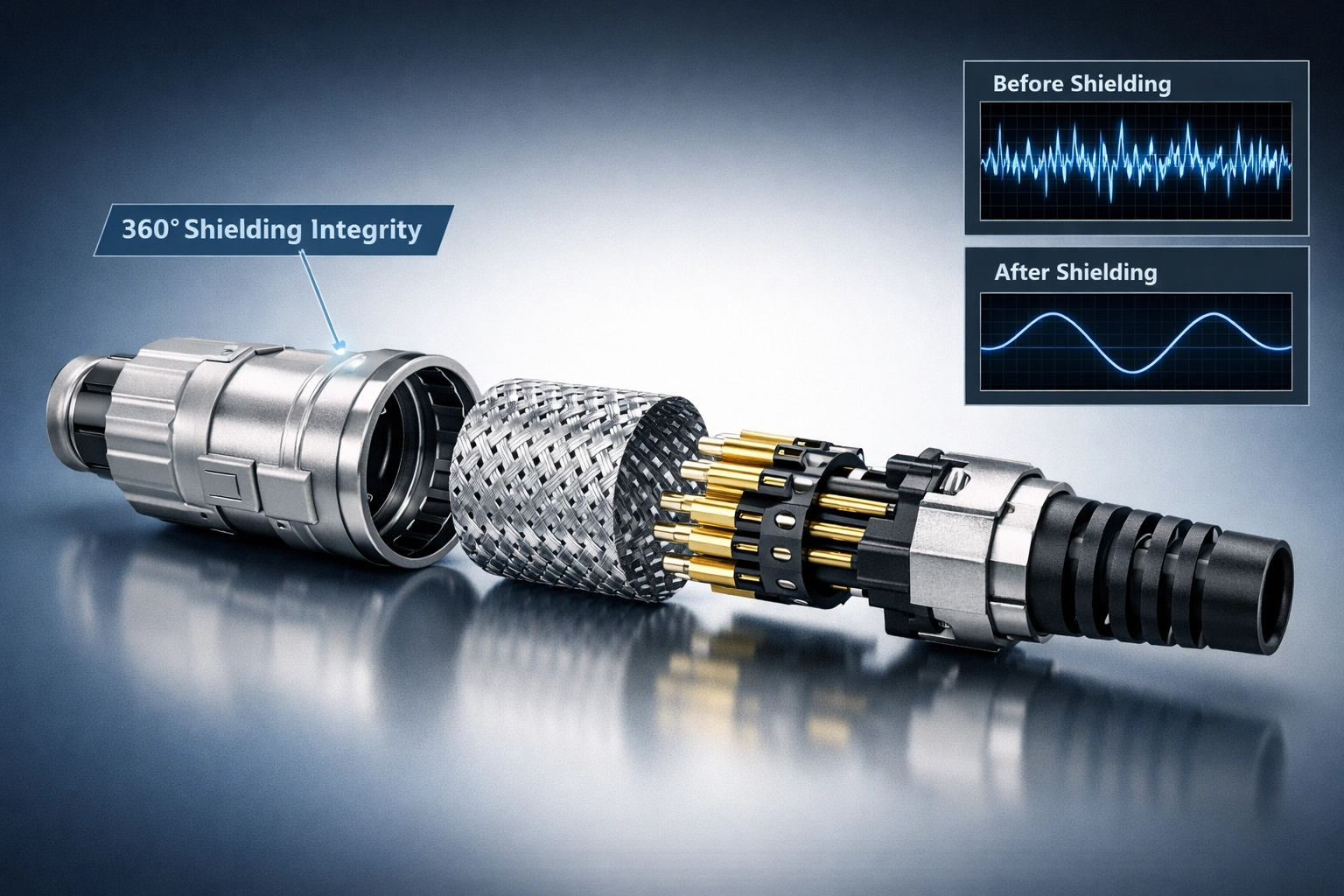
Overcoming EMI in High-Speed Automation
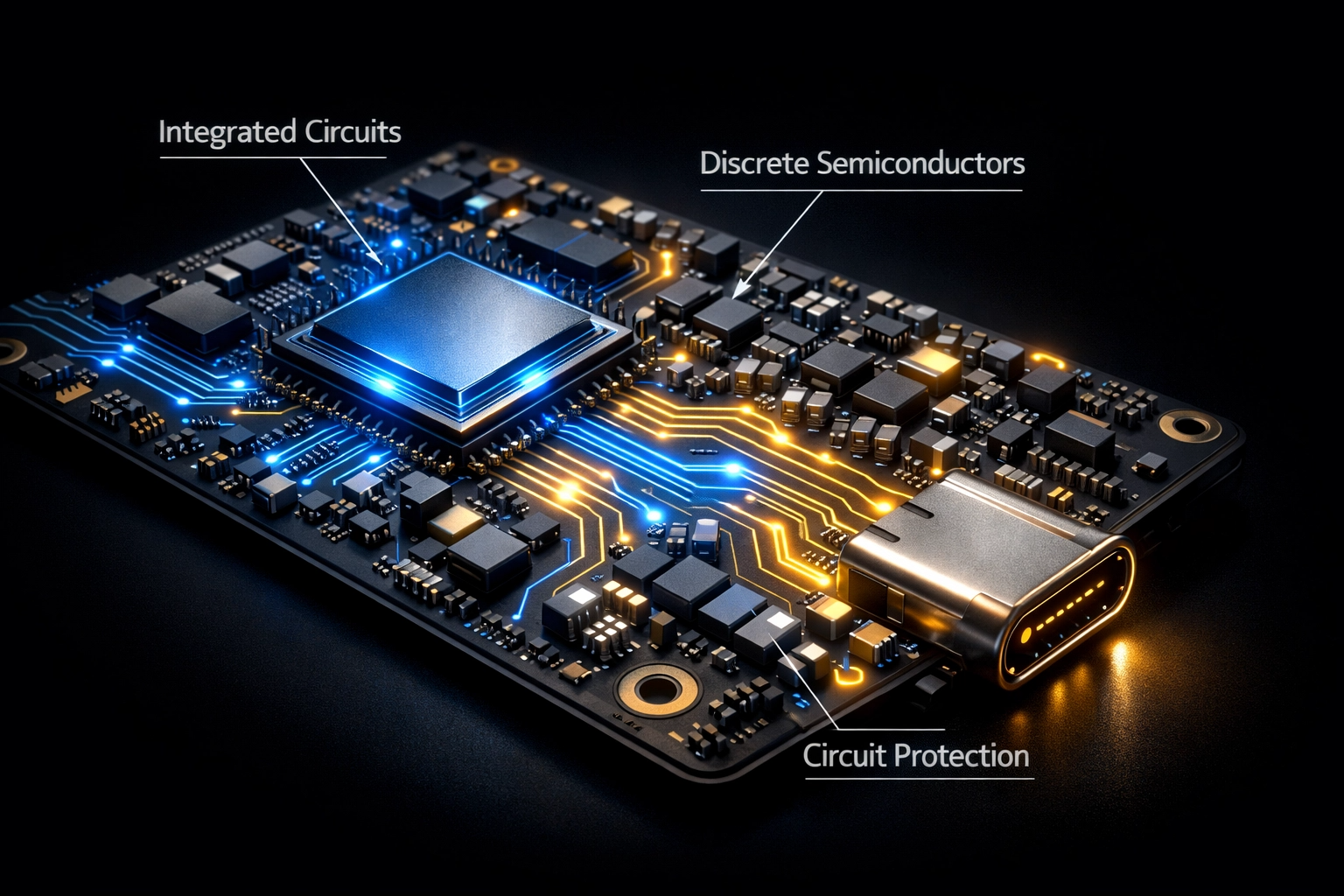
A Comprehensive Layout and Component Selection Guide
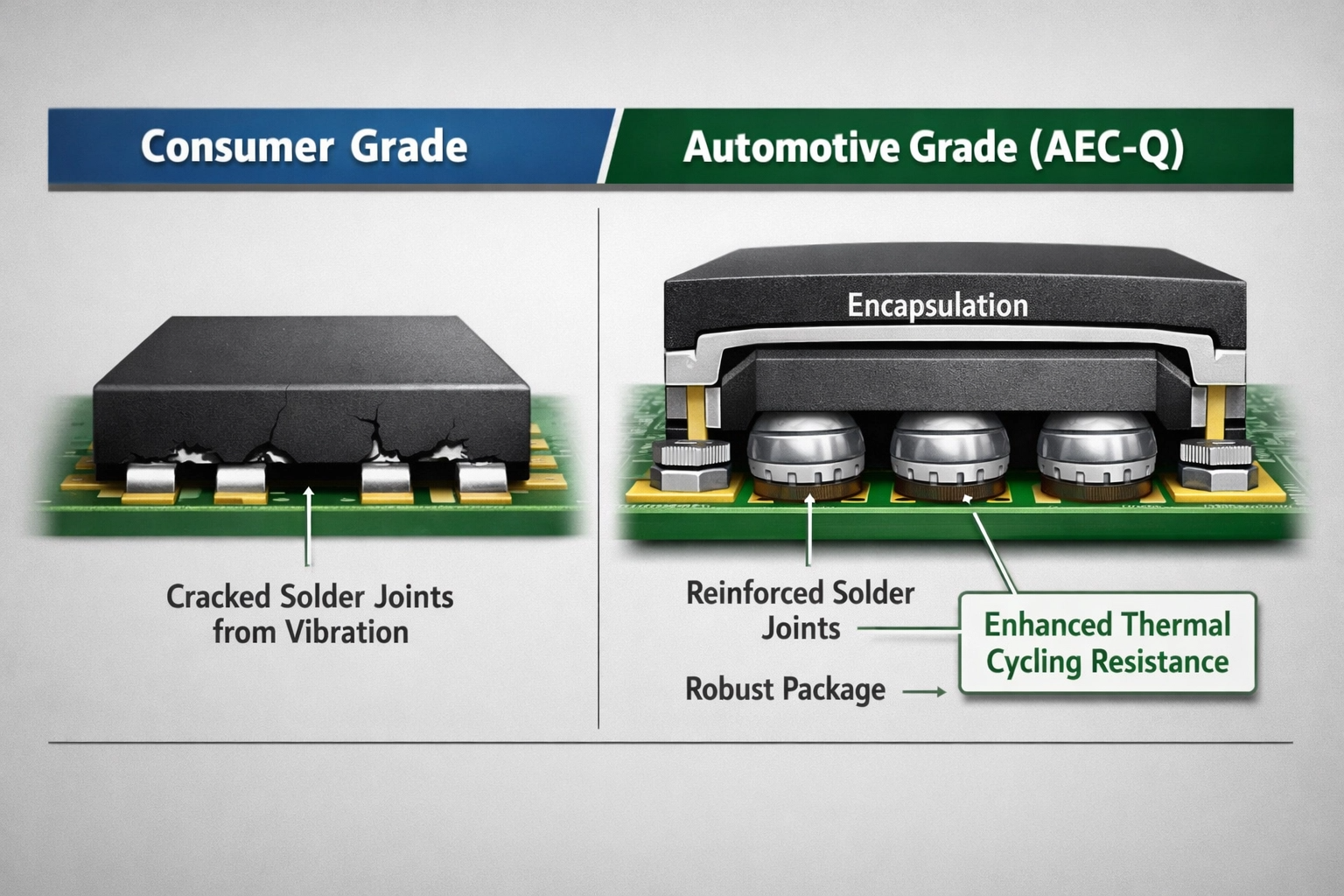
A Deep Dive into AEC-Q Standards and IATF 16949 Compliance






"Finding reliable high-voltage contactors for our EV platform was a major bottleneck until we partnered with this team. Their stock of 800V components is impressive and, more importantly, fully traceable. The packaging was professional, ensuring no static damage during transit. Truly a lifesaver for our production line."
"We were desperately searching for specific power management chips that were on a long backorder elsewhere. They managed to ship original factory parts within 48 hours, which kept our automation project on schedule. Communication was transparent and the technical data sheets provided were accurate. Highly recommend for urgent sourcing needs."
"The quality of the magnetic hydraulic circuit breakers we received exceeded our expectations for the price point. It’s clear they have a rigorous quality inspection process in place before shipping. We've integrated their parts into our latest battery storage units with zero failure rates so far. A very dependable partner for long-term supply."
"In this industry, trust is everything, especially when dealing with high-voltage fuses and relays. This company consistently provides genuine products that meet our strict safety certifications for the EU market. Their team is knowledgeable and helped us navigate the technical nuances of the components. Their export logistics to Spain are seamless."
"Managing End-of-Life (EOL) components is a constant struggle, but their database for legacy ICs is a goldmine. I was able to secure a batch of LCD driver ICs that our previous suppliers claimed were impossible to find. Every chip was tested and worked perfectly in our HMI repair prototypes. They are now my go-to for hard-to-find semiconductors."
"I appreciate how they handle smaller, specialized orders with the same urgency as bulk shipments. We needed specific pressure sensors for a fleet of diesel engines, and they arrived in the UK perfectly labeled and documented. Their attention to detail on the commercial invoice made customs clearance a breeze. Great service and even better product quality."
